2007 Fashion Trends: A Designer’s Review
2007 was a transformative year in fashion history, marking a pivotal moment when luxury met rebellion, minimalism danced with maximalism, and the digital revolution began reshaping how we consumed style. As we look back at this extraordinary year, we discover design philosophies that continue influencing contemporary wardrobes and industry standards. From the runways of Paris to the streets of Tokyo, 2007 established trends that transcended seasons and became cultural touchstones for an entire generation of fashion enthusiasts.
This comprehensive designer’s review explores the most significant fashion movements and trend categories that defined 2007, examining how these styles emerged, who championed them, and why they remain relevant today. Whether you’re a fashion historian, styling professional, or simply curious about early 2000s aesthetics, this deep dive into 2007’s most influential trends will illuminate the creative forces that shaped modern fashion.
The Rise of Boho-Chic Elegance
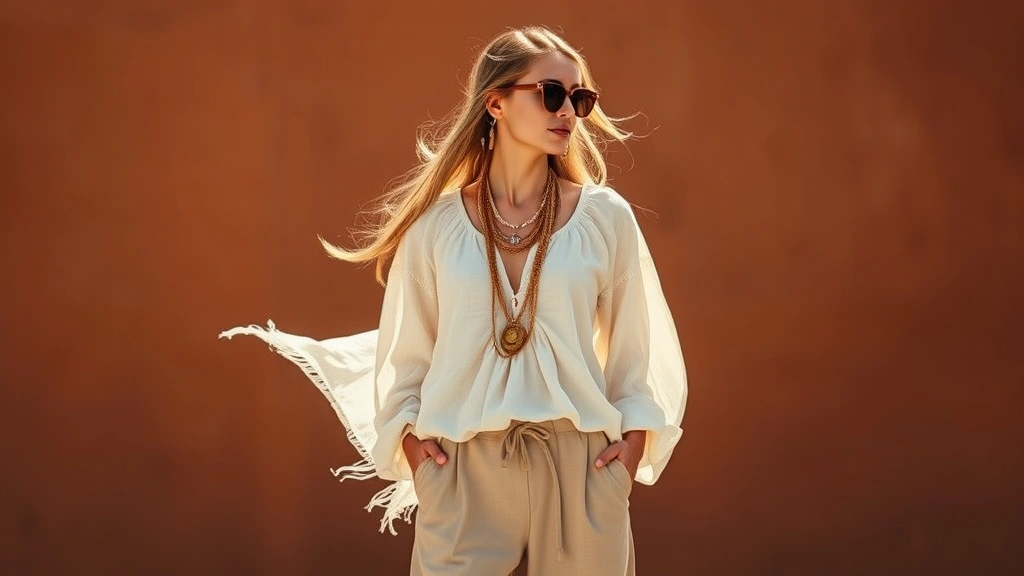
Boho-chic emerged as one of 2007’s most dominant trends, representing a sophisticated departure from the strict logomania of the early 2000s. This aesthetic celebrated flowing fabrics, intricate embroidery, and earthy tones that evoked a sense of wanderlust and artistic freedom. Designers like Chloé and Isabel Marant championed this direction, creating collections that featured peasant blouses, wide-leg trousers, and layered jewelry that spoke to a more relaxed, bohemian lifestyle.
The boho movement wasn’t merely about clothing; it represented a philosophical shift toward individualism and self-expression. Influenced by 1970s aesthetics and global travel culture, 2007’s boho-chic trend incorporated elements from various cultures—Moroccan prints, Indian textiles, and Native American-inspired beadwork—creating a cosmopolitan yet grounded aesthetic. This trend aligned perfectly with the growing interest in ethical fashion and artisanal craftsmanship, making it more than a fleeting style choice but rather a lifestyle statement.
Key pieces defining boho-chic in 2007 included fringed handbags, suede jackets with intricate detailing, layered tank tops, and expansive sunglasses that suggested mystery and sophistication. The different fashion styles emerging from this movement proved incredibly versatile, adapting from casual weekend wear to refined evening ensembles. Celebrities like Sienna Miller and Nicole Richie became boho ambassadors, frequently spotted in flowing dresses paired with oversized cardigans and layered necklaces that became synonymous with the trend.
Luxe Minimalism Takes Center Stage
While boho-chic captured hearts with its romantic excess, 2007 simultaneously witnessed a powerful minimalist movement that appealed to sophisticated urbanites seeking refined elegance. This wasn’t the stark minimalism of previous decades; instead, it was a “luxe minimalism” that emphasized quality over quantity, with impeccable tailoring and premium fabrics taking precedence over decorative elements. Designers including Jil Sander, Helmut Lang, and Calvin Klein refined this approach, creating collections featuring pristine silhouettes in neutral palettes.
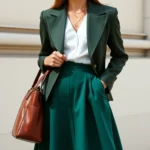
Luxe minimalism in 2007 celebrated the power of simplicity—perfectly cut trousers, streamlined blazers, and monochromatic dressing that demonstrated confidence and understated sophistication. This trend reflected broader economic anxieties and a cultural desire for timeless pieces that transcended seasonal fluctuations. The philosophy behind this movement suggested that true luxury wasn’t about visible logos or ornamental details but rather about invisible craftsmanship and enduring design principles.
Essential pieces from this category included tailored white button-down shirts, slim-fit trousers in charcoal and navy, minimal leather accessories, and shoes with clean lines and premium construction. The fashion style guide approach to minimalism emphasized wardrobe cohesion and versatility, allowing pieces to mix and match effortlessly. This trend particularly resonated with professionals and creative individuals who valued efficiency and elegance in their daily styling choices.
Image Placement:

Denim Revolution and Raw Edge Aesthetics
2007 marked a revolutionary moment for denim, transforming it from basic workwear into a statement piece worthy of high fashion runways. Designers elevated denim through innovative treatments, including raw edges, strategic distressing, and unexpected fabric combinations that challenged conventional notions of the material. This denim revolution represented a democratization of fashion, proving that accessible fabrics could achieve luxury status through superior design and execution.
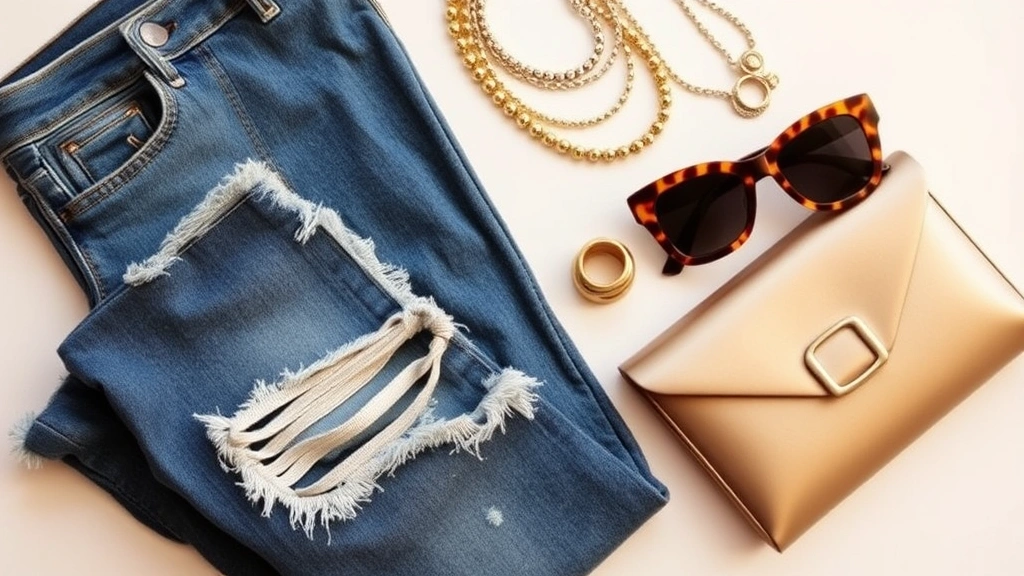
The raw edge aesthetic became particularly significant, with designers leaving seams exposed and hems deliberately unfinished to create visual interest and textural depth. This approach celebrated imperfection and authenticity, resonating with audiences fatigued by overly polished aesthetics. Brands like Acne Studios and Citizens of Humanity pioneered this movement, creating denim pieces that functioned as wearable art rather than mere basics.
Styling raw-edge denim in 2007 involved pairing distressed jeans with structured blazers, delicate silk camisoles, or oversized sweaters—creating striking contrasts between rough and refined elements. The trend encouraged personal interpretation and creative mixing, allowing individuals to express their unique style sensibilities. High-waisted silhouettes, cropped lengths, and unexpected washes became defining characteristics, with some pieces featuring complex patchwork and appliqué details that transformed denim into sculptural garments.
Maximalist Accessories and Statement Pieces
As minimalism gained traction, a countervailing maximalist movement celebrated bold accessories and statement-making pieces that demanded attention. 2007 witnessed an explosion of oversized sunglasses, chunky jewelry, and dramatic handbags that served as focal points for entire outfits. This trend reflected a desire for self-expression and individuality, with accessories functioning as personal declarations of style philosophy.
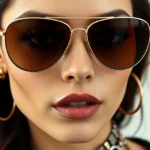
Oversized sunglasses dominated the accessory landscape, with designs featuring exaggerated frames in tortoiseshell, black, or metallic finishes becoming ubiquitous among style-conscious individuals. These weren’t subtle additions but rather transformative pieces that altered one’s entire appearance and projected an aura of mystery and sophistication. Designers competed fiercely in this category, with brands like Fendi, Gucci, and Prada creating iconic frames that became collector’s items.
Statement handbags evolved into sculptural objects, featuring unusual shapes, metallic hardware, and innovative materials that elevated them beyond functional accessories. Clutches with ornamental clasps, shoulder bags with dramatic proportions, and structured totes became essential components of 2007’s fashion narrative. Jewelry followed similar maximalist principles, with layered necklaces, oversized rings, and chandelier earrings creating visually striking combinations that added depth and personality to outfits.
Vintage Revival and Thrifted Treasures
2007 saw a significant cultural shift toward vintage fashion and thrifted pieces, driven partly by environmental consciousness and partly by the allure of unique, one-of-a-kind items. This movement challenged the fast-fashion paradigm, encouraging consumers to explore secondhand markets and vintage boutiques for authentic, historically significant garments. The trend represented a rebellion against mass production and a celebration of fashion’s rich heritage.
Vintage revival in 2007 wasn’t limited to specific eras; instead, it encompassed a broader appreciation for quality construction and timeless design principles evident in pieces from various decades. Shoppers sought 1950s dresses, 1970s leather jackets, 1980s power suits, and 1990s slip dresses, mixing these historical references with contemporary pieces to create eclectic, personalized aesthetics. This approach to styling embodied the complete fashion history timeline principles, drawing inspiration from multiple periods and creating dialogue between past and present.
The vintage movement democratized high fashion, as individuals could access designer pieces and quality garments at fraction of retail prices. Celebrities and fashion editors actively participated in this trend, frequently photographed in vintage Hermès, Chanel, and Yves Saint Laurent pieces that added credibility and desirability to secondhand shopping. This shift fundamentally altered fashion consumption patterns and continues influencing contemporary styling practices today.
The Color Palette of 2007
2007’s color landscape reflected the era’s aesthetic diversity, encompassing both neutral restraint and bold chromatic statements. Earth tones—ochre, terracotta, burnt sienna, and warm browns—dominated the palette, reflecting boho-chic’s influence and a broader cultural interest in natural, grounding hues. Simultaneously, jewel tones including emerald, sapphire, and amethyst appeared in luxury collections, adding richness and sophistication to evening wear and statement pieces.
Neutrality remained powerful, with designers emphasizing blacks, whites, grays, and taupes that provided sophisticated backdrops for accessory-driven styling. However, 2007 also embraced unexpected color combinations and unconventional pairings that challenged traditional color theory. Coral, mustard, and chartreuse appeared alongside jewel tones, creating visually dynamic compositions that reflected the year’s experimental design spirit.
The rise of metallics—gold, bronze, and copper—represented another significant color trend, appearing in fabrics, accessories, and evening wear that celebrated glamour and luminosity. These warm metallics aligned with the boho-chic movement while also satisfying desires for luxury and opulence. The interplay between warm and cool tones, neutrals and brights, created dynamic visual interest that defined 2007’s most memorable fashion moments.
Image Placement:
Celebrity Influence and Red Carpet Moments
Celebrity culture profoundly shaped 2007’s fashion narrative, with red carpet appearances and paparazzi photographs establishing trends that filtered into mainstream consciousness. Celebrities like Angelina Jolie, Kate Moss, and Victoria Beckham influenced global style through their sartorial choices, with fashion media dissecting their outfits and determining which trends would achieve cultural dominance. This celebrity-driven approach to trend-setting continues influencing fashion today, though social media has democratized the process.
Awards shows, film premieres, and high-profile events generated significant fashion conversation, with designers competing fiercely for celebrity endorsements and red carpet appearances. The 2007 Academy Awards, Met Gala, and various international film festivals showcased collections that would define the year’s most prestigious fashion moments. Celebrity styling became increasingly sophisticated, with professional stylists curating looks that balanced commercial appeal with artistic integrity.
The relationship between celebrities and fashion houses intensified during this period, with exclusive partnerships and custom creations becoming standard practice for A-list stars. This symbiotic relationship between entertainment and fashion created powerful marketing opportunities while simultaneously elevating certain trends above others based on celebrity adoption and media coverage.
Sustainable Fashion Whispers
While not yet mainstream, 2007 witnessed early sustainability conversations within fashion circles, with designers and consumers beginning to question the industry’s environmental impact. This movement remained relatively quiet compared to contemporary sustainability discourse, but pioneering brands and conscious consumers were establishing foundations for the more prominent sustainable fashion movement that would follow.
Designers began exploring organic fabrics, ethical production practices, and timeless design principles that emphasized longevity over obsolescence. The vintage revival trend, discussed earlier, functioned as an early sustainable fashion practice, encouraging garment reuse and extending product lifecycles. Educational institutions and industry leaders started discussing fashion’s environmental footprint, initiating conversations that would accelerate throughout the following decade.
The emphasis on quality construction in 2007—evident in both luxe minimalism and boho-chic movements—implicitly supported sustainability by encouraging consumers to invest in durable pieces rather than disposable fast fashion. This philosophical approach to dressing aligned with emerging environmental consciousness and represented an early iteration of the personal style development that values longevity and authenticity over trend chasing.
FAQ
What were the most iconic 2007 fashion trends?
The most iconic 2007 fashion trends included boho-chic aesthetics, luxe minimalism, raw-edge denim, maximalist accessories, and vintage revival. These trends collectively defined the year’s fashion landscape and continue influencing contemporary style choices today.
How did 2007 fashion reflect broader cultural movements?
2007 fashion reflected cultural desires for individuality, sustainability awareness, and rebellion against logomania. The simultaneous embrace of boho-chic and minimalism demonstrated diverse aesthetic preferences, while the vintage revival movement questioned fast-fashion consumption patterns.
Which designers defined 2007’s fashion landscape?
Key designers shaping 2007 fashion included Chloé, Isabel Marant, Jil Sander, Helmut Lang, Calvin Klein, Acne Studios, and Citizens of Humanity. These visionaries established design directions that influenced global fashion trends and continue resonating today.
How has 2007 fashion influenced contemporary style?
2007’s design principles—particularly boho-chic’s emphasis on individuality and minimalism’s focus on quality—remain deeply embedded in contemporary fashion. Modern styling frequently references 2007 aesthetics, while the vintage revival movement established by 2007 fashion enthusiasts continues thriving in today’s secondhand fashion markets.
Where can I incorporate 2007 trends into my current wardrobe?
You can incorporate 2007 trends through layered jewelry, oversized sunglasses, quality denim pieces, flowing bohemian-inspired garments, and neutral foundation pieces. Exploring Style Loom Daily Blog provides inspiration for contemporary applications of 2007 aesthetic principles.