
2005 Fashion Trends: A Nostalgic Recap
Step back into the mid-2000s, an era when fashion embraced bold experimentation, celebrity influence reached unprecedented heights, and personal style became increasingly visible through emerging social platforms. The year 2005 represents a fascinating turning point in fashion history—a moment when low-rise jeans dominated wardrobes, colorful accessories ruled supreme, and the influence of celebrities like Paris Hilton and Jennifer Aniston shaped what millions wore. This nostalgic journey through 2005 fashion trends reveals how this pivotal year set the stage for modern style evolution and continues to inspire contemporary fashion designers today.
The 2005 fashion landscape was characterized by maximalism, playful experimentation, and a rejection of minimalist restraint. Unlike the understated elegance that would later define the 2010s, 2005 celebrated visible logos, statement accessories, and bold color combinations. From the runway to the streets, fashion enthusiasts embraced trends that were impossible to ignore, creating a vibrant and dynamic style environment that reflected the optimism and cultural shifts of the mid-2000s era.

The Denim Revolution: Low-Rise Dominance
Perhaps no fashion trend more perfectly encapsulates 2005 than the prevalence of low-rise jeans. This silhouette, which had been gaining momentum throughout the early 2000s, reached its absolute zenith in 2005, becoming the default choice for fashion-forward individuals across all age groups. Brands like True Religion, Seven for All Mankind, and Juicy Couture created denim pieces that sat dramatically low on the hips, often paired with visible underwear lines and midriff-baring tops that made the low-rise aesthetic even more pronounced.
The appeal of low-rise jeans extended beyond mere aesthetics—they represented a cultural shift toward youthful rebellion and body-conscious fashion. Celebrities were frequently photographed in these jeans, creating an aspirational quality that drove demand to unprecedented levels. The trend wasn’t limited to casual wear; designers incorporated low-rise silhouettes into evening wear and runway collections, demonstrating fashion’s commitment to this particular aesthetic. Whether paired with baby tees, spaghetti-strap tops, or oversized blazers, low-rise jeans became the foundation of virtually every 2005 outfit.
Interestingly, the low-rise trend also sparked conversations about fashion’s relationship with body image and comfort, discussions that would intensify as the decade progressed. Despite controversies, the silhouette remained dominant throughout 2005, with variations including bootcut, flare, and skinny fits—each offering different interpretations of the low-rise aesthetic. Understanding this trend is essential to appreciating the evolution of denim styles and how different fashion styles have transformed over the past two decades.

Logo Mania and Luxury Branding
In 2005, fashion was unabashedly branded. Logo mania reached fever pitch as consumers sought visible markers of luxury and status through their clothing choices. Monogrammed Vuitton bags, Gucci’s distinctive GG prints, and Burberry’s iconic check pattern weren’t subtle additions to outfits—they were the main event. Fashion enthusiasts proudly displayed designer logos across their bodies, from head to toe, creating a distinctive aesthetic that screamed conspicuous consumption.
This era witnessed the rise of logomania as a legitimate fashion statement, championed by high-end designers and luxury conglomerates. Vogue frequently featured outfits that layered multiple designer logos, celebrating the visibility of brand names as a core component of personal style. The trend wasn’t limited to established luxury houses; emerging designers also incorporated prominent branding into their collections, recognizing that visible logos had become essential to fashion credibility.
Bags became particularly significant during this period, with designer handbags serving as status symbols and investment pieces. The “it bag” phenomenon reached its peak, with styles like the Balenciaga Motorcycle bag and the Miu Miu Bow Bag becoming cultural touchstones. These accessories transcended their utilitarian function to become statements of wealth, taste, and fashion awareness. Exploring the types of fashion that dominated 2005 reveals how branding became intertwined with identity expression during this period.
The Accessory Explosion
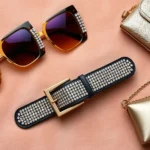
Beyond bags and logos, 2005 witnessed an explosion of accessory-driven fashion. Oversized sunglasses became ubiquitous, with enormous frames that covered significant portions of the face becoming essential for any fashionable outing. Paris Hilton’s iconic pink Juicy Couture tracksuit, complete with matching accessories, epitomized the accessory-forward approach that defined the year’s aesthetic.
Belts experienced a renaissance, with wide decorative belts worn over dresses, cardigans, and even other belts creating layered silhouettes. Chunky jewelry—including oversized rings, statement necklaces, and dangling charm bracelets—added visual interest and personality to outfits. Hair accessories, from colorful clips to bedazzled headbands, completed the accessory-heavy look that characterized 2005 fashion.
Scarves, whether worn around the neck, tied to bags, or woven through hair, added another dimension to the accessory narrative. Sunglasses, in particular, became more than functional items; they were fashion statements that could transform an entire look. The prevalence of accessories reflected a broader shift toward personal expression and individualism, allowing fashion enthusiasts to customize their outfits and showcase their unique style preferences. This approach to fashion accessories continues to influence modern styling, as explored in our comprehensive guide to finding your personal style.
Celebrity Influence and Red Carpet Glamour
Celebrity culture fundamentally shaped 2005 fashion trends in ways that continue to influence how we consume style today. The rise of celebrity gossip magazines, paparazzi photography, and entertainment news created an unprecedented connection between red carpet fashion and street style. What celebrities wore to award shows, premieres, and events directly translated to what everyday consumers wanted to wear.
Paris Hilton emerged as the decade’s most influential style icon, with her hot pink aesthetic, miniature dogs, and rhinestone-encrusted accessories defining the visual language of 2005 fashion. Jennifer Aniston’s influence remained strong, particularly regarding hairstyles and casual-chic outfits. Meanwhile, emerging stars like Lindsay Lohan and Nicole Richie provided alternative style inspiration for younger fashion enthusiasts.
Award shows became fashion spectacles, with designers competing to dress celebrities in the most eye-catching and memorable gowns. The 2005 Academy Awards, Golden Globes, and MTV Video Music Awards showcased dramatic silhouettes, bold colors, and intricate embellishments that captured public imagination and drove trend cycles. Celebrities like Angelina Jolie, Beyoncé, and Jennifer Lopez demonstrated how luxury fashion could be interpreted through individual personality, inspiring audiences worldwide to adopt and adapt these high-fashion looks for their own wardrobes.
Bold Colors and Statement Prints
Unlike contemporary fashion’s embrace of neutral palettes, 2005 celebrated vibrant, eye-catching colors. Hot pink, electric blue, lime green, and sunset orange dominated wardrobes, appearing in everything from casual t-shirts to evening wear. Monochromatic color blocking—wearing multiple shades of the same color in a single outfit—became a sophisticated approach to color coordination.
Animal prints experienced a major resurgence, with leopard, zebra, and cheetah patterns appearing on clothing, accessories, and footwear. These prints weren’t subtle background elements; they were bold, confident statements that reflected the maximalist philosophy defining 2005 fashion. Floral prints, particularly oversized florals, also gained popularity, offering a softer alternative to animal patterns while maintaining the era’s commitment to visual impact.
Graphic tees featuring band logos, pop culture references, and ironic statements became wardrobe staples. These weren’t high-fashion pieces but rather expressions of personality and cultural awareness. The combination of bold colors, statement prints, and graphic imagery created a distinctly 2005 aesthetic that was impossible to ignore. This approach to color and pattern stands in stark contrast to minimalist 90s fashion, demonstrating how dramatically fashion philosophies shift between decades.
Footwear Trends That Defined the Era
Footwear in 2005 reflected the era’s bold, statement-making aesthetic. Oversized sneakers, particularly Skechers and UGG boots, dominated casual wear despite their controversial silhouettes. UGG boots, especially in their signature chestnut color, became ubiquitous among younger fashion enthusiasts, often paired with mini skirts and low-rise jeans—a combination that defined the 2005 casual aesthetic.
Stiletto heels reached new heights, both literally and figuratively, with dramatic heel heights and pointed toes becoming fashionable despite ergonomic concerns. Strappy sandals with embellishments, metallic finishes, and rhinestone details provided evening wear options that complemented the era’s glamorous aesthetic. Flip-flops and thong sandals, often decorated with logos or jeweled embellishments, became acceptable footwear for virtually any casual occasion.
Boots of all varieties—from knee-high to thigh-high—featured prominently in 2005 fashion. Whether paired with mini skirts, capris, or full-length jeans, boots provided versatility and visual interest. The emphasis on footwear reflected a broader understanding that shoes could completely transform an outfit, elevating casual ensembles to fashion-forward statements. For those interested in exploring how footwear trends have evolved, our fashion style guide provides comprehensive analysis of shoe trends across different eras.
The diversity of footwear options available in 2005 allowed individuals to express their personal style preferences while maintaining connection to broader trend cycles. Whether choosing comfort-focused UGGs or glamorous stilettos, fashion enthusiasts had numerous options for completing their outfits with statement-making footwear.
FAQ
What were the most iconic 2005 fashion trends?
The most iconic 2005 fashion trends included low-rise jeans, visible designer logos, oversized sunglasses, colorful accessories, animal print patterns, and celebrity-influenced outfits. The year was characterized by maximalism and bold self-expression through visible branding and statement accessories.
Why did low-rise jeans dominate 2005 fashion?
Low-rise jeans became dominant through celebrity influence, youth culture adoption, and designer promotion. Celebrities frequently wore low-rise styles, creating aspirational appeal that drove consumer demand. The silhouette represented youthful rebellion and body-conscious fashion that resonated with early 2000s culture.
How did celebrity culture influence 2005 fashion trends?
Celebrity culture profoundly influenced 2005 fashion through paparazzi photography, gossip magazines, and award show coverage. Celebrities like Paris Hilton, Jennifer Aniston, and emerging stars provided style inspiration that directly translated to consumer fashion choices, creating immediate trend cycles.
Are 2005 fashion trends making a comeback?
Yes, several 2005 fashion trends are experiencing revival in contemporary fashion. Low-rise jeans have returned, logo mania has resurged, and Y2K aesthetics broadly have become trendy again. However, modern interpretations often incorporate current sensibilities regarding comfort and inclusivity.
How does 2005 fashion compare to contemporary style?
2005 fashion emphasized maximalism, visible branding, and bold colors, while contemporary fashion often celebrates minimalism, subtle luxury, and neutral palettes. However, cyclical nature of fashion means 2005 aesthetics regularly resurface, particularly among younger generations discovering the era’s unique visual language.
What brands defined 2005 fashion?
Key brands defining 2005 fashion included Juicy Couture, True Religion, Seven for All Mankind, Louis Vuitton, Gucci, Balenciaga, and Miu Miu. These luxury and contemporary brands championed the era’s aesthetic through celebrity partnerships and high-profile collections.