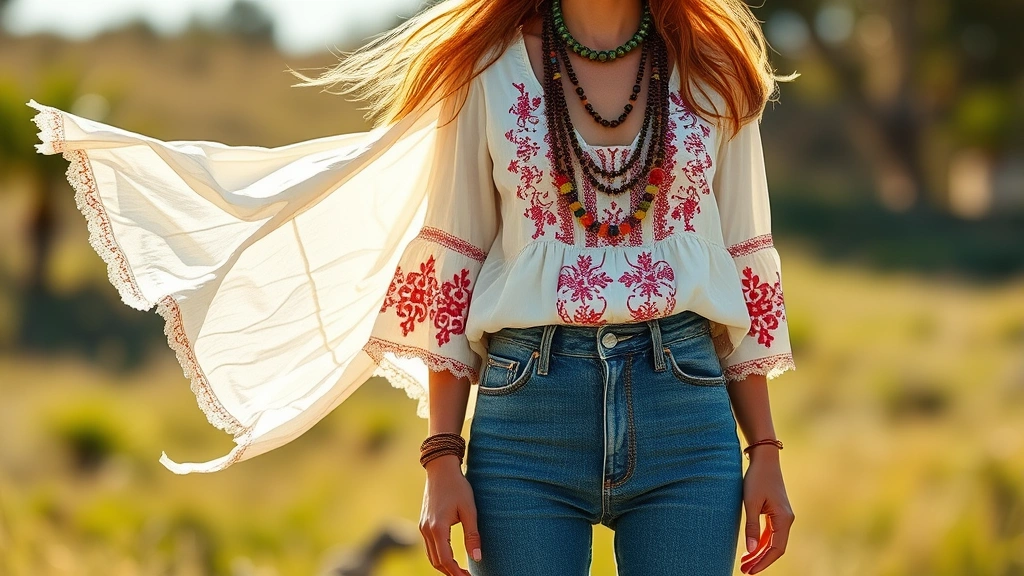
Reviving 1960s Hippie Fashion: Expert Insights into Timeless Counterculture Style
The 1960s hippie movement transcended mere clothing—it represented a revolutionary philosophy that challenged societal norms through bold self-expression and artistic rebellion. Today, fashion enthusiasts and designers worldwide are rediscovering the authentic charm of this iconic era, blending vintage authenticity with contemporary sensibilities. From flowing paisley prints to fringe-adorned suede vests, 1960s hippie fashion continues to inspire modern wardrobes with its liberating spirit and unconventional aesthetic.
What makes hippie style perpetually relevant is its fundamental rejection of conformity and celebration of individuality. The movement’s fashion legacy extends far beyond nostalgia—it offers practical styling lessons for anyone seeking to inject personality and authenticity into their wardrobe. Whether you’re drawn to the psychedelic color palettes, the handcrafted details, or the anti-establishment ethos, understanding the nuances of this era empowers you to create genuinely unique looks that honor the movement’s spirit while feeling fresh and contemporary.
The Historical Context of 1960s Hippie Fashion
The hippie movement emerged from the counterculture of the mid-1960s, rooted in San Francisco’s Haight-Ashbury district and spreading internationally as a symbol of youth rebellion and spiritual awakening. Fashion became the primary language through which hippies communicated their rejection of materialism, militarism, and mainstream consumerism. Unlike previous fashion movements dictated by haute couture houses, hippie style was deliberately anti-fashion—a paradox that made it incredibly influential.
This era witnessed an unprecedented democratization of style, where thrift store finds held equal prestige to designer pieces, and DIY customization was celebrated as high art. Young people intentionally rejected their parents’ polished aesthetics, embracing instead clothing that reflected their values: sustainability through secondhand shopping, handcrafted quality over mass production, and cultural appropriation from various global traditions. The fashion choices of figures like Janis Joplin, Jimi Hendrix, and the members of Jefferson Airplane became cultural touchstones, though each interpreted the aesthetic through their unique lens.
Understanding this historical foundation is crucial for anyone interested in 1960s dress fashion today. The movement’s authenticity came from genuine conviction rather than trend-chasing, a distinction that modern revivals often miss. Contemporary fashion designers and style experts increasingly reference this era because it represents a moment when clothing transcended mere decoration to become political and spiritual expression.
Essential Pieces That Define the Aesthetic
Creating an authentic hippie-inspired wardrobe begins with understanding the foundational pieces that defined the movement. Bell-bottom jeans, perhaps the most iconic silhouette of the era, represented a deliberate rejection of the fitted, conservative styles of previous decades. These flared pants, often adorned with embroidery, patches, or tie-dye, became canvases for personal expression and continue to dominate contemporary fashion runways.
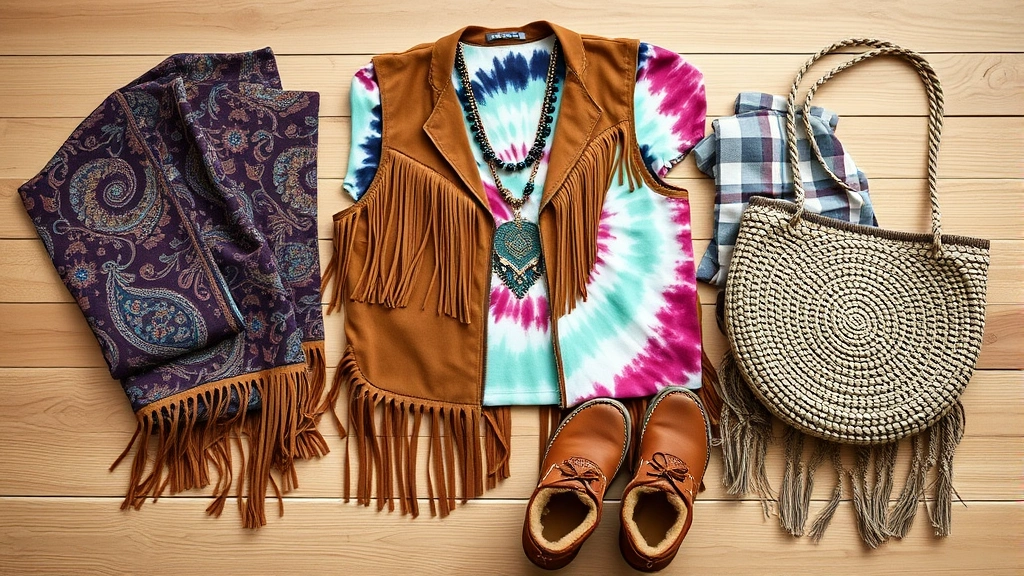
Flowing maxi dresses and skirts formed the feminine foundation of hippie style, celebrated for their comfort, movement, and bohemian elegance. These garments often featured natural fabrics like cotton and linen, reflecting the movement’s environmental consciousness. Peasant blouses with puffy sleeves and embroidered necklines provided another essential element, offering both femininity and practicality. Fringe vests and suede jackets added texture and visual interest while maintaining the movement’s earthy aesthetic.
For those exploring fashion style through a hippie lens, consider incorporating:
- High-waisted, wide-leg jeans with strategic rips and patches
- Maxi skirts in natural fibers with ethnic prints
- Tie-dye t-shirts and long-sleeved tops
- Leather or suede fringe vests and jackets
- Crochet tops and shawls
- Denim jackets customized with pins and embroidery
- Wrap skirts in vibrant prints
The beauty of these pieces lies in their versatility—they work equally well in pure 1960s recreations or mixed with modern basics for a contemporary hippie fusion. Fashion historians note that the appeal of these silhouettes stems from their emphasis on comfort and freedom of movement, values that resonate strongly with today’s wellness-conscious consumers.
Color Palettes and Psychedelic Patterns
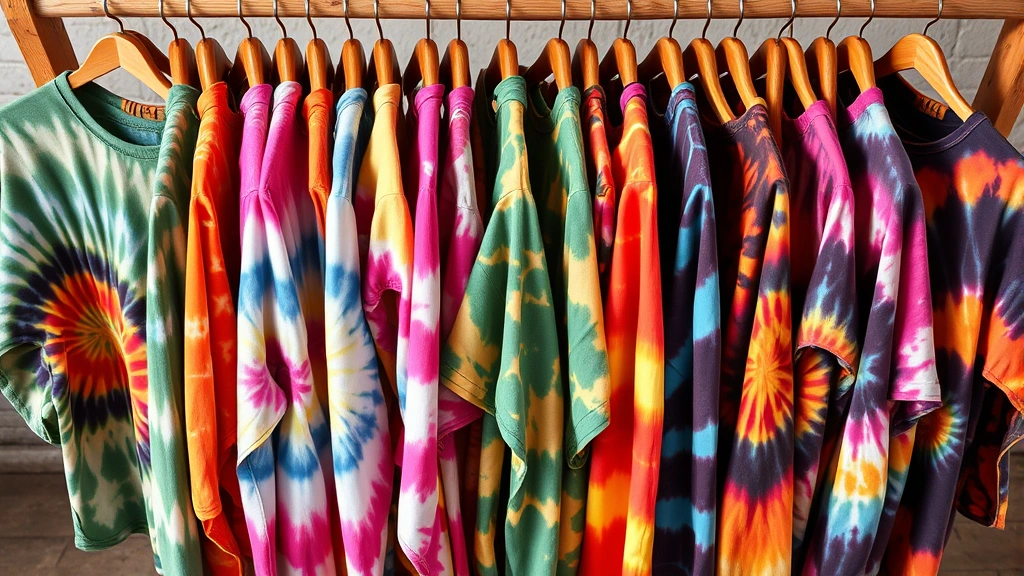
The visual language of 1960s hippie fashion was inseparable from its revolutionary color theory and mesmerizing patterns. Tie-dye emerged as the quintessential DIY technique, transforming plain white garments into swirling masterpieces of color and pattern. The process itself—binding fabric and applying natural dyes—embodied the movement’s emphasis on handcrafted authenticity and environmental harmony. Psychedelic patterns, influenced by the visual experiences associated with consciousness-expanding substances, featured bold geometric shapes, spirals, and optical illusions that challenged viewers’ perceptions.
Beyond tie-dye, paisley prints dominated the era, drawing inspiration from Indian and Persian textiles that represented the movement’s spiritual interest in Eastern cultures. Earth tones—rust, ochre, mustard, olive green, and burnt orange—formed the foundation of many hippie palettes, reflecting an idealized connection to nature. Simultaneously, acid-bright colors and neon hues represented the psychedelic and futuristic aspects of the movement, creating a fascinating tension between natural and artificial aesthetics.
Contemporary fashion designers increasingly reference these color combinations, understanding their psychological impact and visual magnetism. According to Vogue, the resurgence of these patterns in recent collections demonstrates how color psychology and pattern innovation from the 1960s continue to captivate modern audiences. When building a hippie-inspired wardrobe, consider:
- Creating a base of earth tones in neutral pieces
- Investing in key patterned pieces (paisley, geometric, floral)
- Experimenting with tie-dye in unexpected ways
- Mixing patterns confidently—the era celebrated bold combinations
- Using color to express mood and personality authentically
Accessories: The Soul of Hippie Style
While clothing provided the canvas, accessories delivered the soul of authentic hippie fashion. Jewelry was particularly significant, with handmade beaded necklaces, macramé chokers, and peace symbol pendants serving as both decorative elements and ideological statements. Long strands of beads layered generously around the neck became a signature look, while rings—often stacked multiple per finger—demonstrated individual creativity and spiritual connection.
Headwear played an equally crucial role in the aesthetic. Headbands, often adorned with flowers, gems, or embroidery, graced foreheads as symbols of cosmic consciousness and spiritual awakening. Wide-brimmed hats, flower crowns, and bandanas tied across the hair offered both practical sun protection and visual flair. Sunglasses evolved from simple accessories to iconic fashion statements, with oversized round frames and colored lenses becoming synonymous with the era.
Footwear reflected the movement’s practical needs and aesthetic values. Moccasins, sandals, and leather boots—often embellished with fringe or beading—were preferred over manufactured shoes. Many hippies went barefoot, viewing it as a rejection of consumer culture and a reconnection with earth and nature. When footwear was necessary, it was chosen for comfort and durability rather than status or trend.
Bags and pouches, often handwoven or crafted from natural materials, served practical purposes while maintaining the aesthetic. Fringe bags, beaded pouches, and woven shoulder bags allowed individuals to carry belongings while expressing their artistic sensibility. These accessories weren’t afterthoughts but integral components of the overall look, carefully curated to tell a personal story.
Modern Interpretations and Contemporary Revival
The cyclical nature of fashion has brought 1960s hippie aesthetics roaring back into contemporary style consciousness. However, modern interpretations differ significantly from historical authenticity, and understanding these distinctions helps you make intentional styling choices. Today’s hippie revival often emphasizes sustainability and ethical consumption—values the original movement championed but contemporary fashion had largely abandoned until recently.
Current fashion designers are reimagining hippie silhouettes with modern fabrications, creating pieces that honor the era while meeting contemporary expectations for quality and durability. High-end fashion houses have incorporated tie-dye, paisley, and bohemian elements into runway collections, elevating these once-countercultural aesthetics to luxury status. This commercialization presents both opportunities and challenges for those seeking authentic expression through hippie-inspired fashion.
The revival also reflects broader cultural movements toward mindfulness, wellness, and environmental consciousness. Like the original hippies, contemporary consumers increasingly question fast fashion’s environmental impact and seek alternatives that align with their values. Exploring how to find your personal style within a hippie framework means considering not just aesthetics but ethics—choosing secondhand pieces, supporting artisans, and investing in quality items that transcend seasonal trends.
Fashion experts note that the current hippie revival differs from previous cycles by emphasizing inclusivity and cultural respect. Rather than appropriating without acknowledgment, contemporary interpretations often celebrate the diverse cultural influences that enriched the original movement’s aesthetic—Indian textiles, African prints, Latin American craftsmanship, and Asian spirituality—while working to credit and compensate these sources appropriately.
Building Your Hippie-Inspired Wardrobe
Creating a cohesive hippie-inspired wardrobe requires intentional curation and understanding how different pieces work together. Begin by establishing a foundation of neutral basics—cream, white, black, and earth-tone pieces that serve as anchors for more adventurous pieces. High-waisted jeans, simple white t-shirts, and neutral dresses provide versatile bases that allow patterned and colorful pieces to shine without overwhelming your overall aesthetic.
Next, invest in signature hippie pieces that resonate with your personal style. Rather than acquiring everything simultaneously, thoughtfully select items that genuinely excite you and align with your lifestyle. A quality fringe vest, a paisley maxi dress, or vintage bell-bottom jeans can become wardrobe staples that anchor countless outfits. The goal isn’t to recreate a museum-quality 1960s costume but to integrate authentic elements into your contemporary life.
Consider exploring 90s fashion influences as well, since that decade drew heavily from 1960s aesthetics and created a hybrid bohemian-grunge style that translates beautifully to modern wardrobes. This cross-era approach allows you to layer different vintage influences while maintaining contemporary relevance.
Shopping strategies matter significantly when building this wardrobe authentically. Thrift stores, vintage boutiques, and online secondhand platforms offer genuine pieces from the era or quality reproductions that honor the movement’s sustainability ethos. Supporting independent artisans who create handmade jewelry, woven bags, and embroidered pieces aligns with the original movement’s values while ensuring your wardrobe tells a unique story.
When incorporating new pieces, ask yourself: Does this reflect my authentic values? Will I wear this regularly? Does it align with my personal aesthetic? These questions help distinguish between genuine style choices and trend-chasing, a critical distinction in hippie philosophy where authenticity trumps conformity.
Expert Tips for Authentic Styling
Fashion stylists and cultural historians offer valuable insights for anyone seeking to authentically interpret 1960s hippie fashion. The first principle: confidence and intentionality matter more than perfect historical accuracy. The original hippies weren’t following a rulebook; they were expressing their individual values through clothing. Modern interpretations should honor this spirit of personal expression while engaging thoughtfully with the era’s aesthetic vocabulary.
Layering emerges as a crucial styling technique in authentic hippie fashion. Combining a fitted tank top with a flowing shirt, adding a fringe vest, and topping with a denim jacket creates visual interest and dimension while allowing you to adjust to temperature changes. This approach also reflects the movement’s practical philosophy—pieces should serve multiple purposes and adapt to various situations.
Color coordination in hippie style embraces boldness while maintaining visual harmony. Rather than adhering to traditional color theory rules, experiment with unexpected combinations that appeal to you emotionally. However, balance is essential—if wearing a boldly patterned paisley shirt, pair it with solid-colored bottoms to avoid visual chaos. Conversely, a neutral top can support patterned pants or skirts without overwhelming the ensemble.
Accessorizing requires particular attention in hippie styling. The era celebrated abundance and maximalism, but contemporary aesthetics often prefer restraint. Finding your personal balance means experimenting with layered necklaces and stacked rings while observing how many pieces feel authentically “you” rather than costume-like. Some individuals thrive in full bohemian maximalism; others prefer minimal hippie elements integrated into largely contemporary wardrobes.
According to style experts at These Foundation Styles, authenticity in vintage-inspired dressing stems from understanding the underlying philosophy rather than mimicking surface aesthetics. The original hippies chose clothing based on personal values, comfort, and creative expression—not trend forecasts or designer labels. Modern hippie styling honors this legacy by prioritizing these same factors in your choices.
Fabric choice significantly impacts how hippie pieces read in contemporary contexts. Natural fibers—cotton, linen, hemp, wool—were preferred during the original era and continue to offer advantages: breathability, durability, and environmental sustainability. When shopping for pieces, prioritize natural materials when possible, as they drape differently and feel authentically bohemian compared to synthetic alternatives.
Finally, consider your lifestyle and climate when building this wardrobe. A hippie-inspired aesthetic works beautifully in warm, creative environments but may require adaptation for corporate settings or cold climates. Rather than abandoning the style entirely, find ways to incorporate elements that work within your reality—a paisley scarf instead of a full dress, vintage jewelry with contemporary professional pieces, or a fringe bag paired with modern tailoring.
FAQ
What are the most essential 1960s hippie fashion pieces for beginners?
Start with bell-bottom or flared jeans, a flowing maxi dress or skirt, a peasant blouse, and a denim or suede vest. These foundational pieces can be mixed with contemporary basics to create authentically inspired outfits without requiring a complete wardrobe overhaul. Add beaded necklaces and simple jewelry to complete the aesthetic.
How can I incorporate hippie fashion into a professional work environment?
Integrate subtle elements through accessories: wear a vintage brooch, carry a woven bag, or choose earth-tone clothing in professional silhouettes. A paisley scarf, beaded jewelry, or bohemian-inspired blazer can add personality while maintaining workplace appropriateness. The key is balance—let one statement piece carry the hippie aesthetic while keeping other elements professional.
Where can I find authentic vintage 1960s hippie clothing?
Thrift stores, estate sales, and vintage boutiques offer genuine pieces from the era. Online platforms like Etsy, Depop, and Vestiaire Collective connect buyers with vintage sellers worldwide. For reproductions created with authentic materials and construction methods, support independent artisans and ethical fashion brands specializing in bohemian style.
Is it appropriate to wear hippie fashion if I don’t share the movement’s political beliefs?
Fashion and ideology aren’t inseparable—many people appreciate the aesthetic without embracing all aspects of 1960s counterculture. What matters is respectful engagement with the style’s origins and thoughtfulness about cultural appropriation. Understanding the movement’s history and values enriches your relationship with the aesthetic, even if you don’t adopt all its philosophy.
How do I avoid looking like I’m wearing a costume when styling hippie fashion?
The distinction lies in intentionality and integration. Costume-like looks typically combine many extreme elements simultaneously; authentic styling mixes hippie pieces with contemporary basics and wears them confidently in everyday contexts. Choose pieces you genuinely love and would wear regularly, style them with modern accessories, and let your personal confidence make the look feel natural rather than theatrical.
Can men wear 1960s hippie fashion authentically?
Absolutely. The original movement included male hippies who wore bell-bottoms, embroidered shirts, fringe jackets, and long hair. Contemporary men can embrace this aesthetic through similar pieces: flared jeans, patterned shirts, leather vests, and bohemian accessories. The principles of personal expression and authentic style transcend gender, and men’s hippie fashion offers equally rich possibilities for creative interpretation.
What’s the difference between bohemian and hippie fashion?
While related, bohemian fashion is broader and more timeless, drawing inspiration from various artistic and countercultural movements. Hippie fashion specifically references 1960s counterculture with its particular color palettes, silhouettes, and ideological underpinnings. Bohemian style can be inspired by any era or culture; hippie style specifically channels the 1960s aesthetic and philosophy.