
2000s Emo Fashion: Nostalgic Trends to Revive
The 2000s emo fashion movement was more than just a style—it was a cultural rebellion that defined an entire generation’s identity and self-expression. From the moment My Chemical Romance graced magazine covers to the rise of iconic bands like Fall Out Boy and Panic! at the Disco, emo fashion became the visual language of teenage angst, vulnerability, and artistic authenticity. Today, as nostalgia cycles through the fashion industry with renewed vigor, 2000s emo aesthetics are experiencing a remarkable revival, inspiring contemporary designers and fashion enthusiasts to reinterpret these bold, unapologetic looks for modern wardrobes.
What makes 2000s emo fashion so captivating is its inherent contradiction—simultaneously dark and colorful, rebellious yet deeply emotional, niche yet universally relatable. The movement rejected mainstream fashion conventions and instead celebrated individuality through dramatic silhouettes, unconventional color palettes, and accessories that told stories of inner turmoil and passion. Whether you’re a longtime devotee of the scene or a curious newcomer, understanding the key elements of this iconic era can help you authentically incorporate emo-inspired pieces into your contemporary wardrobe. This comprehensive guide explores the essential components of 2000s emo fashion and how to revive these nostalgic trends with modern sensibility.
The Origins and Cultural Significance of Emo Fashion
To truly understand 2000s emo fashion, we must trace its roots back to the emotional hardcore and post-hardcore music scenes of the 1980s and 1990s. Bands like Rites of Spring and Embrace pioneered the “emo” sound—music characterized by expressive, often confessional lyrics paired with dynamic instrumental arrangements. However, the fashion associated with emo didn’t fully crystallize until the early 2000s, when bands like My Chemical Romance, Dashboard Confessional, and Taking Back Sunday brought the genre into mainstream consciousness.
The fashion movement was inherently tied to the music and the emotional authenticity it represented. Unlike the polished, commercialized aesthetics of mainstream pop culture, 2000s emo fashion embraced vulnerability and imperfection. It was a direct response to what young people perceived as superficial beauty standards and corporate homogenization. By wearing band t-shirts, studded belts, and carefully disheveled hair, emo youth created a visible marker of their emotional depth and artistic sensibilities. This wasn’t merely about looking cool; it was about communicating an entire philosophy of authenticity and emotional expression.
According to Vogue’s analysis of emo fashion history, the movement reached its cultural peak between 2003 and 2008, influencing everything from major fashion houses to street style. The aesthetic became so pervasive that it transcended its subcultural origins to influence mainstream fashion retailers and luxury designers. Today, fashion historians recognize 2000s emo as a pivotal moment in fashion history—a time when subcultural expression challenged and reshaped conventional beauty standards.
Signature Silhouettes and Clothing Pieces
The foundation of any 2000s emo fashion look rests on distinctive silhouettes that prioritized dramatic proportions and unconventional proportions. Understanding these key pieces is essential for finding your personal style with an emo-inspired twist.
Skinny Jeans and Tight Pants: Perhaps the most iconic element of 2000s emo fashion was the embrace of impossibly skinny jeans. These weren’t just fitted—they were skin-tight, often in black, dark blue, or occasionally featuring colorful stripes down the legs. The extreme tightness created a stark contrast with the oversized band t-shirts and hoodies worn on top, creating the signature emo silhouette. Contemporary versions of these jeans are available from both vintage sources and modern retailers, though modern interpretations often offer slightly more comfort without sacrificing the aesthetic.
Oversized Band Tees and Graphic Shirts: The band t-shirt was more than just merchandise—it was a statement of musical allegiance and emotional kinship. My Chemical Romance, Fall Out Boy, Paramore, and countless other bands provided the visual foundation for emo fashion through their iconic imagery. These shirts were often oversized, creating volume at the torso that balanced the tight legs. Graphic designs frequently featured dark, intricate artwork, skulls, or abstract imagery that reflected the emotional intensity of the music.
Hoodies and Cardigans: Layering was crucial to 2000s emo aesthetic. Black hoodies, often oversized, provided both comfort and visual drama. Zip-up hoodies became a staple, allowing for easy layering and adjustment. Equally popular were open cardigans worn over graphic tees, creating a preppy-meets-punk aesthetic that defined the era. Different fashion types explored during this period showed how emo successfully blended elements from various style categories to create something entirely unique.
Studded and Striped Vests: Many emo enthusiasts wore studded vests over long-sleeved shirts, combining punk influences with the emotional vulnerability that defined the movement. Horizontal stripes, particularly black and white or black and neon combinations, became another signature pattern. These vests often featured chains, safety pins, or other metallic embellishments that added visual interest and a subtle edge.
Messenger Bags and Satchels: Practical yet stylish, black messenger bags became an essential emo accessory. These bags often featured patches, pins, or embroidery representing favorite bands or personal statements. The worn, slightly distressed aesthetic of these bags perfectly complemented the overall emo aesthetic of intentional imperfection.
Color Palettes and Styling Combinations
While 2000s emo fashion is often remembered as predominantly black, the actual color palette was far more diverse and intentionally contrasting. Understanding the color theory behind emo styling helps modern enthusiasts create authentic yet contemporary looks.
The Black Foundation: Black was undoubtedly the dominant color, representing darkness, mystery, and emotional depth. However, this wasn’t simply about wearing all black. Instead, emo fashion used black as a canvas for other colors to pop against. The philosophy was that black created a neutral, serious backdrop that allowed for more dramatic color combinations elsewhere in the outfit.
Neon and Bright Accents: What distinguished 2000s emo fashion from traditional goth aesthetics was the introduction of neon colors. Hot pink, electric blue, lime green, and bright purple appeared in stripes, dyed hair sections, accessories, and makeup. This juxtaposition of darkness and vibrancy perfectly captured the emotional complexity the movement represented—darkness paired with passionate, vivid emotion. The contrast created visual excitement and prevented the overall look from becoming monotonous.
Deep Jewel Tones: Burgundy, deep purple, forest green, and navy blue also featured prominently in 2000s emo fashion. These colors provided richness and sophistication while maintaining the moody aesthetic. They appeared in band merchandise, dyed sections of hair, and layered clothing pieces.
Strategic Red Accents: Red—particularly crimson or blood red—held special significance in emo fashion. It appeared in band logos, eyeliner, nail polish, and occasionally in hair dye. The color symbolized passion, intensity, and emotional rawness, making it a powerful accent color within primarily black outfits.
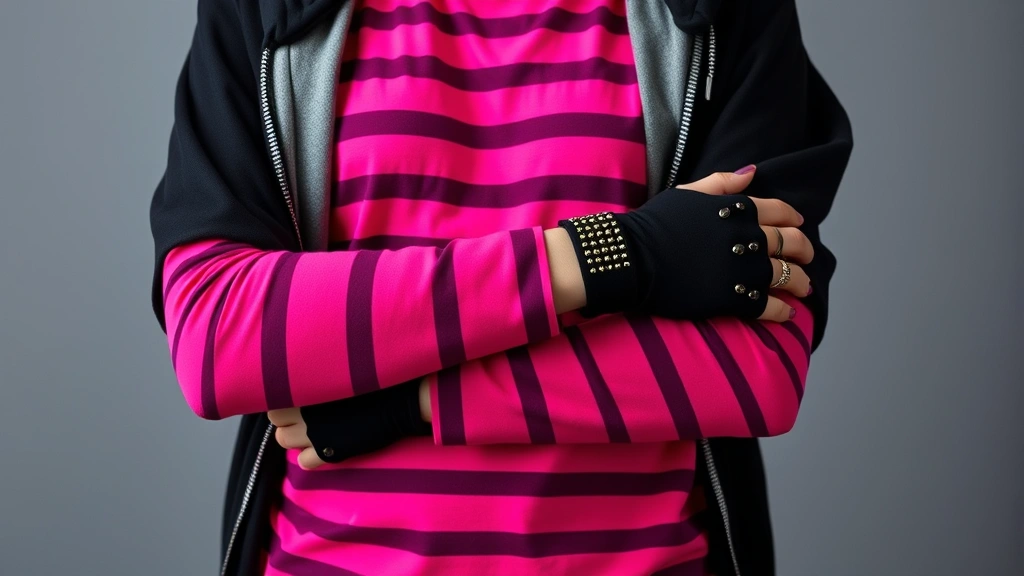
The Striped Pattern Philosophy: Horizontal stripes, particularly in black-and-white or black-and-neon combinations, became a signature pattern. These stripes appeared on long-sleeved shirts worn under graphic tees, on arm warmers, and in hair dye. The pattern’s visual movement added dynamism to outfits and became an instantly recognizable emo marker. Exploring different fashion styles reveals how emo successfully synthesized multiple aesthetic traditions into a coherent whole.
Iconic Accessories and Details
Accessories were never mere afterthoughts in 2000s emo fashion—they were essential components that elevated an outfit from casual to authentically emo. These details communicated identity, taste, and emotional sophistication.
Studded Belts and Chains: The studded belt became an iconic emo accessory, often featuring large metallic studs or spikes that added an aggressive edge to otherwise vulnerable styling. Wide leather belts with substantial hardware became a statement piece. Chains—either worn as belts or draped from belt loops—added movement and visual interest. These accessories borrowed from punk tradition but were worn with emo’s distinctive emotional intensity.
Safety Pins and Brooches: Worn seemingly haphazardly but actually quite deliberately, safety pins became an emo staple. Large safety pins were often worn on clothing, in hair, or on bags. They represented a DIY ethic and the idea that fashion should be personally meaningful rather than commercially dictated. Emo brooches often featured band logos, skulls, or abstract designs that complemented the overall aesthetic.
Arm Warmers and Fingerless Gloves: Borrowed from 1980s aesthetics but reinterpreted through an emo lens, arm warmers in black, striped, or neon colors became essential layering pieces. Fingerless gloves, often in black or with studded detailing, added both visual interest and a practical element for those who wanted to maintain dexterity while staying warm.
Band Patches and Custom Pins: Bags, vests, and jackets were often covered with patches and pins representing favorite bands, personal statements, or niche interests. These customizations made each piece unique and served as a visual autobiography of the wearer’s musical taste and emotional journey. Fashion articles and guides exploring personalization techniques help modern enthusiasts create similarly meaningful emo-inspired pieces.
Chokers and Necklaces: Black chokers, often velvet or studded, became iconic emo neckwear. Longer chains with pendants—sometimes featuring crosses, skulls, or band logos—layered underneath created visual depth. Necklaces were rarely minimal; instead, multiple chains worn simultaneously created an intentionally cluttered, expressive aesthetic.
Wrist Accessories: Multiple bracelets, often in black rubber, studded styles, or featuring band names, were worn in stacked arrangements. Rubber bracelets supporting various causes mixed with more decorative options, creating a personalized wrist statement. Studded leather wrist cuffs added an edge and referenced punk influences.
Makeup and Hairstyles
2000s emo fashion extended far beyond clothing—makeup and hair were equally crucial to achieving an authentic emo aesthetic. These elements communicated emotional depth and artistic sensibility.
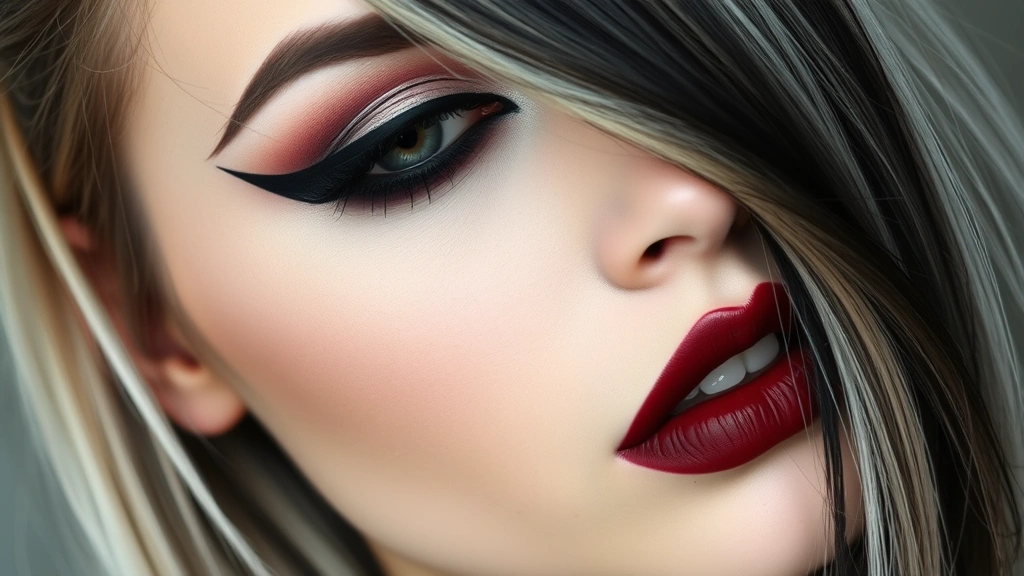
Dramatic Eye Makeup: Heavy black eyeliner applied generously around the entire eye created the signature emo look. The technique involved extending the liner beyond the natural eye shape, creating a somewhat exaggerated, theatrical appearance. This wasn’t subtle makeup—it was deliberately dramatic and emotionally expressive. Red, purple, or dark blue eyeliner was sometimes applied beneath the black liner, creating depth and color. The under-eye area was often emphasized with heavy liner, creating a perpetually tired, emotionally exhausted appearance that paradoxically conveyed artistic sensitivity.
Pale Complexion: Fair, almost ghostly complexions were considered ideal in emo aesthetics. This was achieved through foundation several shades lighter than natural skin tone, creating a stark, ethereal appearance. The extreme paleness contrasted dramatically with the dark eye makeup, creating visual impact and suggesting emotional fragility.
Dark Lips: Black, deep purple, or dark red lipstick completed the dramatic makeup look. These dark lip colors created a cohesive appearance with the heavy eye makeup and conveyed emotional intensity and artistic rebellion.
The Emo Haircut: Perhaps the most iconic emo hairstyle featured long, straight hair with dramatic side-swept bangs covering one eye. This asymmetrical cut became so associated with the movement that it’s instantly recognizable. The hair often incorporated two-toned coloring—typically black with a contrasting color like platinum blonde, hot pink, or electric blue. Some emo enthusiasts dyed their entire hair in bold colors, while others incorporated colored sections or used temporary dyes to experiment.
Layered and Teased Texture: Beyond the basic cut, emo hair often featured layers and strategic teasing to create volume and movement. The hair appeared simultaneously carefully styled and deliberately disheveled, reflecting the aesthetic of intentional imperfection. Straightening irons were used religiously to achieve the sleek, straight appearance that defined the era.
Hair Accessories: Colorful clips, barrettes, and bobby pins were visible accessories rather than hidden. Wearing them intentionally visible became part of the aesthetic. Some emo enthusiasts wore small braids incorporated into their hairstyles or used hair ribbons threaded through sections of hair.
Modern Interpretations and Contemporary Revival
The resurgence of 2000s emo fashion in contemporary style represents more than simple nostalgia—it reflects a broader cultural shift toward authenticity and emotional expression in fashion. Modern interpretations honor the original movement while adapting it for contemporary sensibilities and body diversity.
High Fashion and Designer Reinterpretations: Luxury fashion houses have increasingly drawn inspiration from 2000s emo aesthetics. Vogue has documented how contemporary designers incorporate emo elements into high-fashion collections, from exaggerated silhouettes to dramatic color blocking. Designers recognize that emo fashion’s emphasis on emotional authenticity and individual expression resonates with modern consumers seeking meaning beyond mere aesthetics.
Sustainable and Vintage Approaches: Modern emo fashion enthusiasts increasingly source pieces from vintage markets and thrift stores rather than purchasing new. This approach honors the DIY ethos of the original movement while promoting sustainability. Vintage band tees, original 2000s pieces, and authentic artifacts from the era have become highly sought after, with some pieces commanding premium prices in resale markets.
Inclusivity and Body Diversity: While original 2000s emo fashion often emphasized extreme thinness, contemporary interpretations celebrate diverse body types. Modern emo-inspired pieces are available in extended size ranges, and stylists increasingly reinterpret the silhouettes to flatter various body shapes while maintaining the aesthetic’s integrity. The emphasis has shifted from achieving a specific body type to expressing emotional authenticity through styling choices.
Gender-Neutral and Queer Expressions: Contemporary emo fashion embraces non-binary and queer expressions of style. While the original movement sometimes reinforced traditional gender presentations, modern interpretations celebrate the fluidity and personal expression that the original movement’s philosophy supported. This evolution honors the movement’s original emphasis on authenticity while expanding its inclusivity.
Digital and Social Media Influence: Platforms like TikTok and Instagram have introduced new generations to 2000s emo fashion, creating a vibrant community of contemporary enthusiasts. Digital creators remix original emo aesthetics with modern elements, demonstrating that the movement remains relevant and adaptable. Fashion history timelines increasingly document emo’s influence on contemporary trends and its ongoing evolution.
Building Your Emo-Inspired Wardrobe Today
Creating an authentic 2000s emo-inspired wardrobe doesn’t require recreating the look exactly as it appeared in the early 2000s. Instead, thoughtful curation and personal interpretation allow you to honor the movement’s philosophy while expressing your contemporary style.
Foundation Pieces: Start with essential basics: black skinny jeans or modern slim-fit pants, oversized band t-shirts (either original vintage or contemporary reproductions), and a black hoodie or cardigan for layering. These foundation pieces establish the emo silhouette and serve as canvas for more expressive pieces.
Layering Strategy: Master the art of strategic layering that defines emo aesthetics. Wear striped long-sleeved shirts under graphic tees, add open cardigans or vests, and incorporate arm warmers for visual interest. This layering creates the dimensional, expressive silhouette that characterizes emo fashion while allowing temperature flexibility throughout the day.
Accessory Expression: Rather than purchasing everything simultaneously, gradually build your accessory collection. Invest in a quality studded belt, accumulate band patches and pins that genuinely resonate with you, and layer necklaces and bracelets meaningfully. This approach ensures your accessories tell your personal story rather than simply replicating a predetermined aesthetic.
Hair and Makeup Experimentation: Contemporary emo style allows for varied approaches to hair and makeup. If permanent changes don’t appeal to you, experiment with temporary dyes, clip-in hair extensions, or bold eyeshadow rather than committing to the full dramatic eyeliner look. This flexibility allows you to explore emo aesthetics while maintaining comfort with your appearance.
Color and Pattern Play: Don’t feel obligated to wear exclusively black. Incorporate neon accents, deep jewel tones, and strategic red elements. Experiment with striped patterns and graphic designs that resonate with you. The key is maintaining the emo philosophy of emotional expression through visual choices rather than adhering to a rigid color formula.
Authenticity Over Perfection: The original emo movement valued emotional authenticity above aesthetic perfection. Build your wardrobe around pieces that genuinely excite you and express your personality, rather than attempting to recreate an “perfect” emo look. This approach honors the movement’s original philosophy while ensuring your style feels genuine and personally meaningful.
Vintage and Sustainable Shopping: Explore vintage markets, thrift stores, and online resale platforms for authentic 2000s pieces. Not only does this approach celebrate the original era’s aesthetics, but it also promotes sustainability and supports the circular economy. Vintage band tees, original emo-era clothing, and authentic accessories carry the movement’s spirit more authentically than new reproductions.
Understanding the nuances of fashion style guides helps you navigate contemporary emo revival with confidence and intention. The movement’s enduring appeal demonstrates that fashion rooted in emotional authenticity transcends temporal trends, continuing to resonate with new generations seeking meaningful self-expression.
FAQ
What exactly defined 2000s emo fashion?
2000s emo fashion was characterized by skinny jeans, oversized band t-shirts, heavy black eyeliner, side-swept hair with contrasting colors, and an overall aesthetic emphasizing emotional expression and authenticity. The style combined dark, moody elements with bright neon accents, creating intentional visual contrast that reflected emotional complexity.
Can I wear emo fashion without looking like I’m stuck in the past?
Absolutely. Contemporary interpretations of emo fashion blend classic elements with modern pieces, creating fresh looks that honor the original movement while feeling current. Focus on pieces that genuinely excite you, incorporate contemporary proportions where comfortable, and use modern styling techniques to create emo-inspired outfits that feel authentically yours.
Is emo fashion only for thin people?
No. While original 2000s emo fashion sometimes emphasized extreme thinness, contemporary interpretations celebrate diverse body types. Modern emo-inspired pieces are available in extended sizes, and the movement’s philosophy of emotional authenticity transcends body type. The key is styling pieces in ways that make you feel confident and expressive.
Where can I find authentic 2000s emo fashion pieces?
Vintage markets, thrift stores, and online resale platforms like Depop and Grailed offer authentic 2000s emo pieces. Additionally, contemporary brands create emo-inspired clothing that honors the original aesthetic while incorporating modern design elements. Band merchandise websites often offer reproductions of classic emo-era designs.
Do I need to dye my hair to embrace emo fashion?
No. While dramatic hair was iconic to the original movement, contemporary emo fashion allows for varied approaches. You might experiment with temporary dyes, clip-in extensions, or bold accessories without making permanent changes. The philosophy emphasizes personal expression, so choose approaches that feel comfortable and authentic to you.
How can I make emo fashion feel personal rather than like a costume?
Build your wardrobe around pieces that genuinely resonate with you—band t-shirts from musicians you actually love, accessories that express your personality, colors that make you feel confident. The original emo movement valued authenticity above aesthetic perfection, so prioritize pieces that feel true to your identity rather than attempting to recreate a predetermined look.
Is emo fashion making a comeback?
Yes. 2000s emo fashion has experienced significant revival in recent years, with fashion designers, celebrities, and younger generations embracing the aesthetic. This resurgence reflects broader cultural shifts toward authenticity, emotional expression, and nostalgia-driven fashion. The movement’s emphasis on individual expression and rejection of mainstream homogenization continues to resonate with contemporary audiences.