80s Hip Hop Fashion Trends: Expert Insights into an Iconic Era
The 1980s marked a revolutionary moment in fashion history when hip hop culture exploded from the streets of New York City onto the global stage, fundamentally transforming how people dressed and expressed themselves. What began as a grassroots movement in the Bronx evolved into a powerful cultural force that challenged conventional fashion norms and introduced bold, unapologetic style statements that continue to influence designers and fashion enthusiasts today. The 1980s hip hop fashion movement wasn’t merely about clothing—it was a declaration of identity, creativity, and rebellion against mainstream aesthetics.
During this transformative decade, hip hop artists became unexpected style icons whose influence rivaled that of traditional runway models and celebrity endorsers. From oversized tracksuits to gold chains that draped across chests, from Kangol hats tilted at precise angles to pristine white sneakers laced with meticulous care, every element served a purpose in the visual language of hip hop. This era established aesthetic principles that remain foundational to contemporary streetwear and urban fashion, making it essential to understand the context, key pieces, and cultural significance of these revolutionary trends.
The Origins: From Bronx Streets to Mainstream Recognition
The genesis of 1980s hip hop fashion traces back to the early 1970s in the South Bronx, where young African American and Latino communities created their own cultural expression through music, dance, and fashion. By the 1980s, this underground movement had gained substantial momentum, with hip hop becoming a dominant force in popular culture. The fashion associated with the movement reflected the economic realities, creative aspirations, and cultural pride of these communities.
Hip hop fashion emerged as a direct response to the limited representation of Black and Latino individuals in mainstream fashion magazines and runway shows. Young people in these communities began mixing vintage finds, sportswear, and luxury items in unexpected ways, creating a distinctive aesthetic that was entirely their own. This DIY approach to style emphasized individuality and self-expression, challenging the idea that fashion must follow rigid rules dictated by established fashion houses. The movement democratized style, proving that anyone with creativity and confidence could become a trendsetter.
Understanding different fashion styles helps contextualize how hip hop fashion emerged as a revolutionary force. Unlike the structured, conservative aesthetics that dominated high fashion, hip hop introduced deliberate oversizing, bold color combinations, and streetwear elements that mainstream fashion initially dismissed. However, the authenticity and cultural resonance of these trends eventually forced the fashion industry to take notice and adapt.
Signature Pieces That Defined the Decade
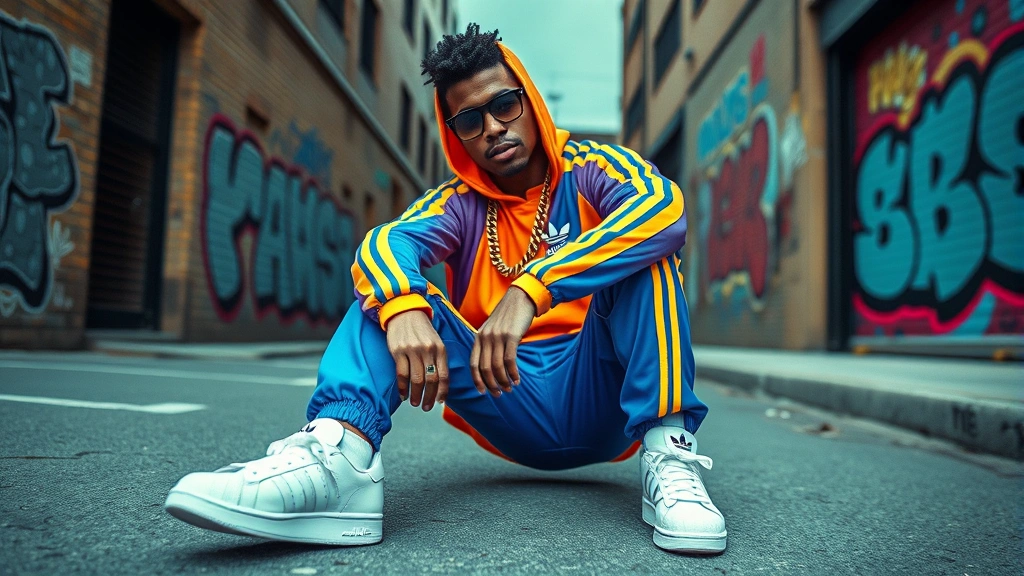
Several key garments became synonymous with 1980s hip hop fashion, each serving specific purposes within the movement’s visual vocabulary. The Adidas tracksuit emerged as perhaps the most iconic piece, with its distinctive three stripes becoming a symbol of hip hop identity. These tracksuits, often in bold colors like red, yellow, or electric blue, were worn with intentional oversizing that challenged conventional fit standards. The tracksuit represented accessibility—Adidas was a sportswear brand available to everyday people, not an exclusive luxury label—while simultaneously making a powerful aesthetic statement.
Oversized clothing became a hallmark of the aesthetic, reflecting a philosophy that rejected the tight, body-conscious silhouettes favored by mainstream 1980s fashion. Baggy jeans, oversized shirts, and voluminous jackets allowed for freedom of movement, which was essential for breakdancing and other hip hop cultural expressions. This silhouette also conveyed confidence—wearing larger sizes suggested that the wearer was secure enough to move away from conventional proportions. The oversizing trend eventually influenced high fashion, with designers like Tommy Hilfiger and Ralph Lauren incorporating more relaxed fits into their collections by the late 1980s and 1990s.
Leather jackets, particularly those in black or bold colors with metallic accents, became another signature piece. These jackets often featured decorative elements like studs, zippers, and bold logos, transforming them from purely functional outerwear into statement pieces. Windbreakers in neon and metallic finishes also gained prominence, offering both style and practicality for urban environments. Exploring types of fashion reveals how hip hop created an entirely new category that blended athletic wear, street culture, and high fashion aspirations.
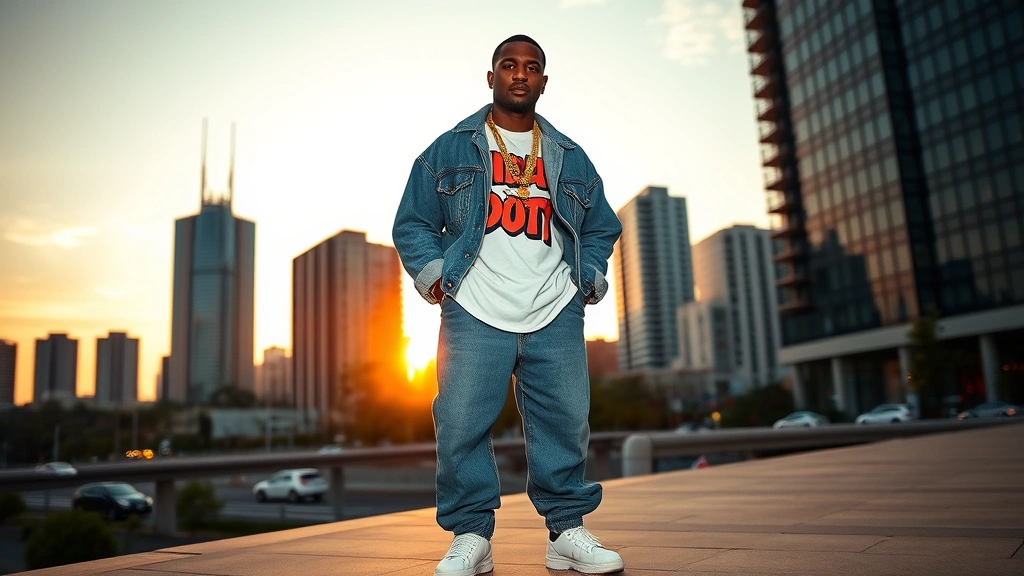
Denim became another crucial element, though hip hop styled it differently than mainstream fashion. Rather than the fitted, stonewashed denim popular in mainstream 1980s fashion, hip hop artists wore denim that was oversized, often acid-washed or in darker indigo shades, paired with crisp white t-shirts or graphic tees. This combination became instantly recognizable and remains a foundational outfit formula in streetwear today.
Color Palettes and Bold Statements
The color choices in 1980s hip hop fashion reflected the movement’s boldness and refusal to conform to subtle, muted aesthetics. While mainstream fashion in the 1980s certainly embraced bright colors, hip hop took this further, creating combinations that were intentionally eye-catching and unapologetic. Neon yellows paired with hot pinks, electric blues mixed with lime greens, and metallic silvers combined with jet blacks created a visual language that was impossible to ignore.
This fearless approach to color served multiple purposes within hip hop culture. Bright, highly visible clothing made performers stand out on stage and in music videos, ensuring they commanded attention and created memorable visual moments. The bold colors also reflected a cultural confidence and pride, rejecting the notion that subtlety equated to sophistication. Hip hop artists were saying through their clothing choices that they deserved to be seen, heard, and celebrated, and their fashion reflected that determination.
Gold and silver accents became crucial components of the color palette, appearing in jewelry, accessories, and even clothing embellishments. The metallic shine conveyed luxury and success, important symbols within hip hop culture where financial achievement was celebrated as a marker of overcoming systemic barriers. The combination of bright primary colors with metallic accents created a distinctive visual signature that became instantly associated with hip hop.
Footwear Revolution in Hip Hop Style
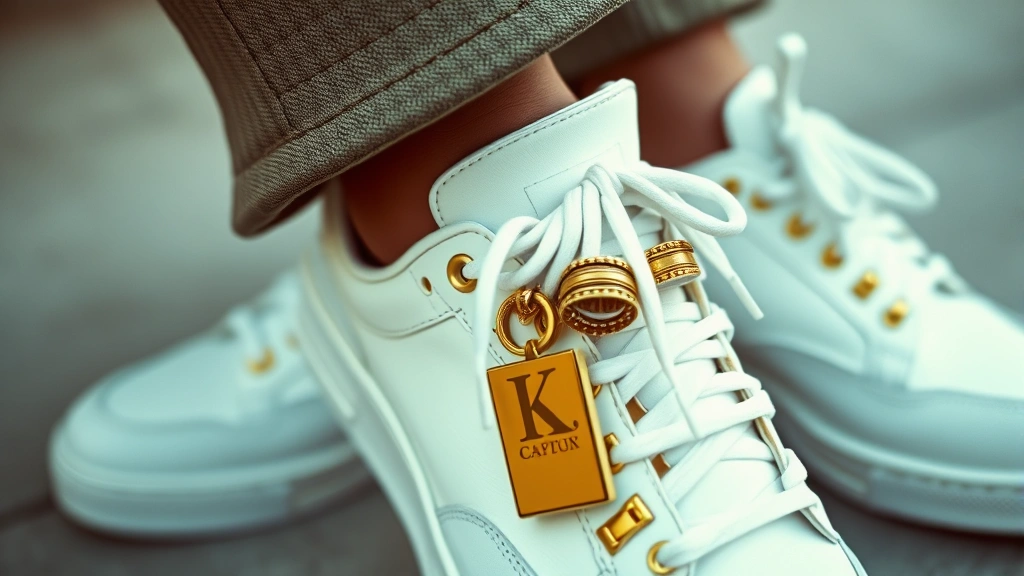
Sneakers transcended their role as mere athletic shoes to become central fashion statements within hip hop culture. While sneakers existed before the 1980s, hip hop elevated them to unprecedented cultural significance. The Adidas Superstar, with its distinctive shell toe, became particularly iconic, worn by Run-DMC and becoming so closely associated with hip hop that the group eventually signed an endorsement deal with Adidas—one of the first major brand partnerships with hip hop artists.
The pristine condition of sneakers became essential to hip hop style. Wearing spotlessly clean, white leather sneakers represented care, pride, and respect for one’s appearance. The contrast between the oversized, casual clothing and the immaculate footwear created an interesting visual tension that became characteristic of the aesthetic. Many hip hop enthusiasts would use specialized cleaning products and techniques to maintain their sneakers in perfect condition, treating them as investments rather than disposable items.
Beyond Adidas, other sneaker brands gained prominence within hip hop culture. Nike’s Air Force Ones, Puma Suedes, and Converse All-Stars all became staples of the look. The specific choice of sneaker often conveyed regional affiliation and personal style preferences, adding another layer of meaning to fashion choices. As fashion style guides have evolved, the importance of quality footwear has remained consistent, with sneakers continuing to be central to contemporary streetwear.
High-top sneakers also gained popularity, offering a different silhouette while maintaining the essential elements of the hip hop aesthetic. The height of the shoe made a visual statement and coordinated well with the oversized silhouettes that characterized the era’s clothing choices. Lacing techniques became another form of self-expression, with different methods of lacing conveying different messages within hip hop communities.
Jewelry and Accessories as Status Symbols
Perhaps no element of 1980s hip hop fashion has been more iconic or influential than the jewelry. Gold chains, rope chains, and nameplate necklaces became symbols of success, wealth, and status within hip hop culture. These weren’t subtle pieces—they were bold, substantial, and intentionally visible. Wearing substantial gold jewelry was a way of demonstrating that one had achieved financial success, a powerful statement for communities that had been historically excluded from mainstream wealth and opportunity.
The Kangol hat became another signature accessory, worn at a precise angle that conveyed style and attitude. These bucket-style hats, often in bold colors or with brand logos prominently displayed, became so associated with hip hop that they remain iconic decades later. The specific way a Kangol was worn—tilted to a particular side, positioned at a certain angle—conveyed belonging to hip hop culture and communicated style sensibility to others within the community.
Rings featuring large stones, often in gold settings, became another important accessory. These rings were worn on multiple fingers and made statements about taste and success. Bracelets, often in gold or featuring distinctive designs, complemented the overall aesthetic. Earrings, particularly large gold hoops or statement pieces, became standard accessories for both male and female hip hop artists.
Bucket bags and other practical accessories were styled in ways that emphasized their visual impact. Messenger bags, often in bright colors or featuring distinctive logos, became fashionable rather than purely functional. This approach to accessories reflected hip hop’s ability to elevate everyday items into fashion statements through confidence and styling choices.
Influential Artists and Their Style Contributions
Several artists became style icons whose fashion choices influenced millions. Run-DMC revolutionized hip hop fashion through their partnership with Adidas, making the brand synonymous with hip hop culture. Their signature look of black Adidas tracksuits, Adidas Superstars, and thick gold chains became instantly recognizable and established templates that countless artists would follow. Their influence extended beyond music into mainstream fashion, forcing athletic brands to recognize the commercial potential of hip hop culture.
Grandmaster Flash and the Furious Five contributed to early hip hop fashion through their incorporation of colorful, eye-catching clothing that prioritized visual impact. Their stage presence was enhanced by deliberately chosen fashion choices that made them memorable performers. The group understood that fashion was part of their artistic presentation and invested in creating distinctive visual identities.
LL Cool J became known for his signature Kangol hats and oversized clothing, creating a look that was simultaneously tough and stylish. His catchphrase “Don’t call it a comeback” could have applied to his fashion influence—he consistently pushed boundaries and created new style combinations that others would adopt. His willingness to experiment with color and silhouette helped establish hip hop as a legitimate fashion force.
Salt-N-Pepa brought female perspectives to hip hop fashion, proving that women could be just as influential in establishing style trends. Their colorful, oversized clothing and bold accessories challenged gender norms in fashion and created space for women in hip hop culture. Their influence helped establish that hip hop fashion could be inclusive and diverse in its expression.
For deeper understanding of how hip hop fits within broader personal style development, consider how these artists used fashion as a tool for self-expression and cultural communication. Each artist brought their own personality and perspective to hip hop fashion, demonstrating that the aesthetic was flexible enough to accommodate individual creativity while maintaining core identifying elements.
The Impact on Contemporary Fashion
The influence of 1980s hip hop fashion on contemporary style cannot be overstated. Luxury fashion houses that initially dismissed hip hop culture eventually recognized its power and began incorporating hip hop-inspired elements into their collections. Designers studied the oversizing, bold colors, and streetwear aesthetics that hip hop had pioneered and translated these elements into high-fashion contexts.
The concept of streetwear as a legitimate fashion category owes enormous debt to 1980s hip hop. Modern streetwear brands continue to use design principles established during this era—oversizing, bold graphics, athletic wear influences, and an emphasis on visible branding. The idea that fashion can be simultaneously casual and impactful, that comfort and style aren’t mutually exclusive, became normalized through hip hop’s influence.
Contemporary sneaker culture remains directly descended from 1980s hip hop fashion. The obsession with limited releases, specific colorways, and maintaining pristine condition all trace back to how hip hop artists treated sneakers as important fashion investments. Sneaker drops generate massive cultural moments, with people waiting in lines and refreshing websites to secure new releases—a phenomenon that has its roots in how hip hop treated sneaker acquisition.
The normalization of visible logos and branding in fashion also owes much to hip hop’s influence. While logomania certainly existed before hip hop, the movement’s celebration of brand names and logos as integral design elements helped make this aesthetic dominant in contemporary fashion. The idea that wearing a visible brand logo is a style statement rather than tacky commercialism became accepted through hip hop’s influence.
Gender-neutral and oversized silhouettes that dominate contemporary fashion can be traced back to hip hop’s rejection of conventional fit standards. The idea that clothing should prioritize comfort and personal expression over conforming to standardized body ideals became more mainstream through hip hop’s influence on fashion discourse.
How to Incorporate 80s Hip Hop Elements Today
For those interested in incorporating 1980s hip hop fashion elements into their contemporary wardrobe, several approaches can work effectively. Starting with foundational pieces like oversized tracksuits or vintage Adidas three-stripe items creates an immediate connection to the era while maintaining modern wearability. Pairing these pieces with contemporary items like modern sneakers or current accessories allows for a blend of nostalgia and current relevance.
Color boldness represents another key element to embrace. Rather than defaulting to neutral palettes, incorporating bright, unexpected color combinations into outfits captures the fearless attitude of 1980s hip hop fashion. This might mean pairing a neon windbreaker with darker denim, or combining unexpected colors in accessories and layering pieces.
Sneaker selection becomes crucial when drawing from hip hop fashion inspiration. Investing in quality, classic sneaker styles—whether Adidas Superstars, Nike Air Force Ones, or other iconic styles—grounds an outfit in hip hop aesthetic traditions. Maintaining these sneakers in excellent condition honors the care and respect that hip hop culture demonstrated toward footwear.
Accessories offer another avenue for incorporating hip hop influence. Bold jewelry, statement bags, and iconic hat styles can be integrated into contemporary outfits to add hip hop-inspired elements without requiring a complete wardrobe overhaul. A single statement necklace or a vintage Kangol hat can reference the era while fitting into modern styling.
Exploring the historical context of men’s fashion and other fashion eras helps contextualize how 1980s hip hop fashion represents a pivotal moment in style evolution. By understanding how fashion movements emerge and spread, contemporary style enthusiasts can better appreciate and authentically incorporate hip hop elements into their personal style.
Graphic t-shirts featuring vintage hip hop imagery or contemporary designs inspired by 1980s aesthetics offer another accessible entry point. These can be styled with oversized jackets or layered with other pieces to create outfits that nod to the era while remaining distinctly contemporary.
For those interested in deeper exploration, visiting StyleLoom Daily Blog provides ongoing insights into fashion history and contemporary style trends that build on foundational movements like 1980s hip hop fashion.
FAQ
What were the most iconic brands in 1980s hip hop fashion?
Adidas dominated hip hop fashion during the 1980s, particularly after Run-DMC’s partnership with the brand. However, other athletic and sportswear brands like Nike, Puma, and Converse also gained prominence. Kangol hats became synonymous with the era, and various fashion brands eventually capitalized on hip hop’s mainstream success by creating products specifically marketed to hip hop audiences.
How did 1980s hip hop fashion influence luxury brands?
Luxury fashion houses initially overlooked hip hop culture, but by the late 1980s and into the 1990s, designers recognized the movement’s cultural power and commercial potential. Brands began incorporating oversizing, bold colors, and streetwear elements into their collections. The collaboration between hip hop artists and luxury brands became increasingly common, with designers creating special collections and artists becoming brand ambassadors.
Why was gold jewelry so important in hip hop fashion?
Gold jewelry represented success, wealth, and achievement within hip hop culture. For communities historically excluded from mainstream economic opportunities, wearing substantial gold chains and jewelry was a visible assertion of financial success and cultural pride. The boldness of the jewelry reflected the movement’s refusal to adopt subtle, understated aesthetics.
Can 1980s hip hop fashion elements work in modern professional settings?
While full 1980s hip hop looks may not suit traditional corporate environments, individual elements can be incorporated thoughtfully. Oversized tailoring, quality sneakers with professional clothing, and bold accessories can bring hip hop-inspired style sensibility to professional contexts. The key is balancing reference to the era with appropriateness for specific settings.
What’s the difference between 1980s hip hop fashion and contemporary streetwear?
While contemporary streetwear owes enormous debt to 1980s hip hop fashion, modern streetwear tends to be more refined and has been absorbed into mainstream fashion industry structures. 1980s hip hop fashion was more grassroots and emerged from communities creating their own aesthetic outside mainstream fashion systems. Contemporary streetwear often features higher price points and has been commercialized by major fashion brands, whereas 1980s hip hop fashion emphasized accessibility and authenticity.
Which female artists influenced 1980s hip hop fashion?
Salt-N-Pepa became iconic for their colorful, oversized clothing and bold style choices. Roxanne Shanté and other female hip hop pioneers also contributed to establishing that hip hop fashion could be diverse and inclusive. These artists proved that women could be just as influential in setting fashion trends within hip hop culture and challenged gender norms in both music and fashion.
How can I find authentic 1980s hip hop fashion pieces today?
Vintage clothing stores, online platforms specializing in vintage fashion, and even mainstream retailers offering retro collections provide access to 1980s-inspired pieces. Many contemporary brands also create new items inspired by 1980s hip hop aesthetics. For authentic vintage pieces, specialized vintage dealers and platforms dedicated to hip hop culture memorabilia offer genuine articles from the era.