Revive 1940s Fashion? Expert Insights on Women’s 1940s Style
The 1940s remain one of fashion’s most captivating eras, a period when elegance met necessity and women’s style evolved dramatically. During this transformative decade, silhouettes shifted, fabrics became precious, and fashion became a form of personal rebellion and self-expression. Today, designers and style enthusiasts are increasingly looking back to this golden age, extracting timeless elements that feel surprisingly contemporary. But what makes 1940s fashion so enduring, and how can modern women authentically incorporate these classic elements into their wardrobes?
Fashion historians and contemporary designers agree that the 1940s represent a unique intersection of constraint and creativity. Wartime rationing forced designers to innovate with limited materials, resulting in structured silhouettes, strategic draping, and ingenious construction techniques that prioritized quality over quantity. The result was a distinctly powerful aesthetic—broad shoulders, nipped waists, and elegant lines that conveyed strength and sophistication. Understanding this context helps us appreciate why these styles remain relevant and how we can thoughtfully revive them today.
This comprehensive guide explores expert insights on bringing 1940s fashion back into contemporary style, examining the signature elements that define the era and offering practical guidance for modern fashion enthusiasts seeking to embrace this timeless aesthetic.
Signature Silhouettes of the 1940s
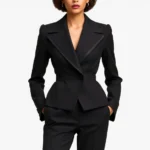
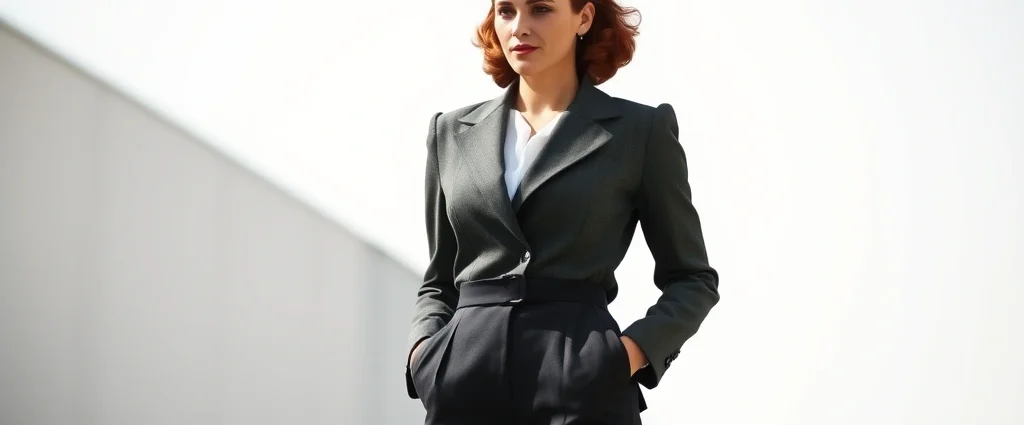
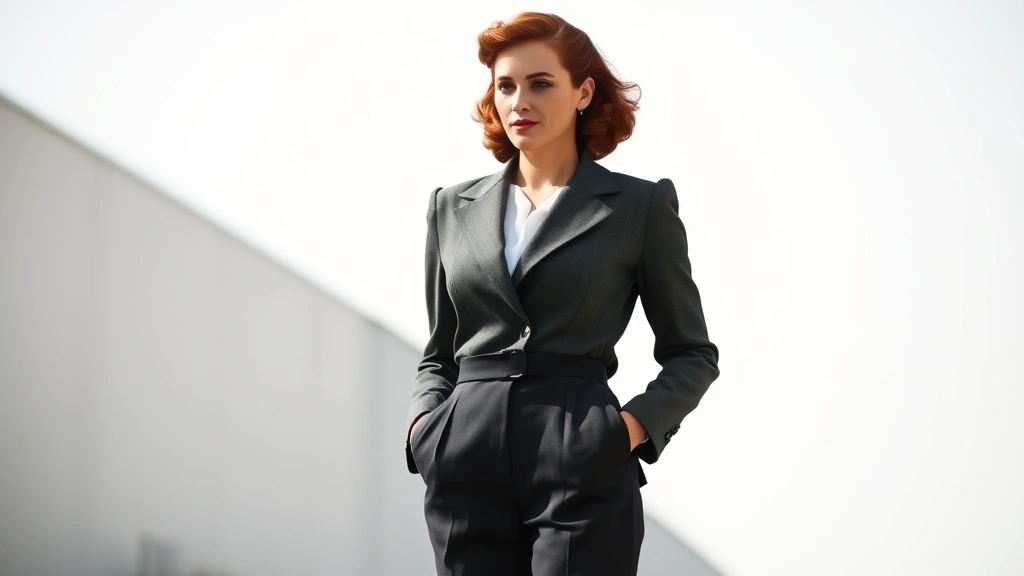
The most recognizable characteristic of 1940s fashion women embraced was the structured shoulder silhouette. Broad, pronounced shoulders created a powerful V-line that flattered the female form while conveying confidence and authority. This wasn’t merely aesthetic—shoulder padding served practical purposes during wartime, creating illusions of strength and stability during uncertain times. Modern interpretations of this silhouette appear regularly in high fashion, from tailored blazers to structured dresses that echo this iconic shape.
The hourglass waist was meticulously emphasized through strategic construction. Designers used darts, seams, and careful fabric manipulation to create dramatic nips at the waist, often with peplum details or gathered skirts that accentuated curves. This silhouette celebrated femininity while maintaining an air of professional sophistication. Unlike the boyish flapper aesthetic of the preceding decade, 1940s fashion celebrated womanly proportions with architectural precision.
Skirt lengths during this period typically fell to the knee or slightly below, creating an elegant line that balanced the broader shoulders. Pencil skirts offered sleek sophistication for office wear, while fuller skirts with subtle pleats or gathers provided movement and practicality. Examining the 1940s fashion trends reveals how these silhouettes evolved throughout the decade, influenced by both fashion houses and practical wartime considerations.
The wrap dress emerged as a revolutionary garment during this era, offering versatility and flattery while requiring minimal fabric. This practical yet elegant style became a staple that continues to influence contemporary fashion design. The wrap silhouette’s ability to adapt to different body types made it democratically appealing while maintaining sophistication.
Trousers gained unprecedented acceptance for women during the 1940s, particularly in professional and factory settings. High-waisted, tailored women’s trousers represented a significant shift in fashion acceptability and female autonomy. These weren’t casual pants but carefully constructed pieces with sharp creases and impeccable tailoring that conveyed professionalism and capability.
Fabrics, Colors, and Textures
Understanding the material choices of the 1940s provides crucial context for reviving this aesthetic authentically. Wool dominated the decade, prized for its durability, structure, and ability to hold silhouettes. Heavy wool crepe, wool gabardine, and wool jersey created the structured lines that defined the era. These natural fibers possessed inherent qualities that made construction techniques more effective, contributing to the distinctive look we recognize today.
During wartime, rayon became increasingly important as a silk substitute. This luxurious-feeling fabric draped beautifully and offered a sheen that suggested elegance despite rationing constraints. Rayon’s ability to be woven in various weights made it incredibly versatile, appearing in everything from evening wear to everyday dresses. The tactile quality of rayon contributed significantly to the luxurious feel of 1940s fashion.
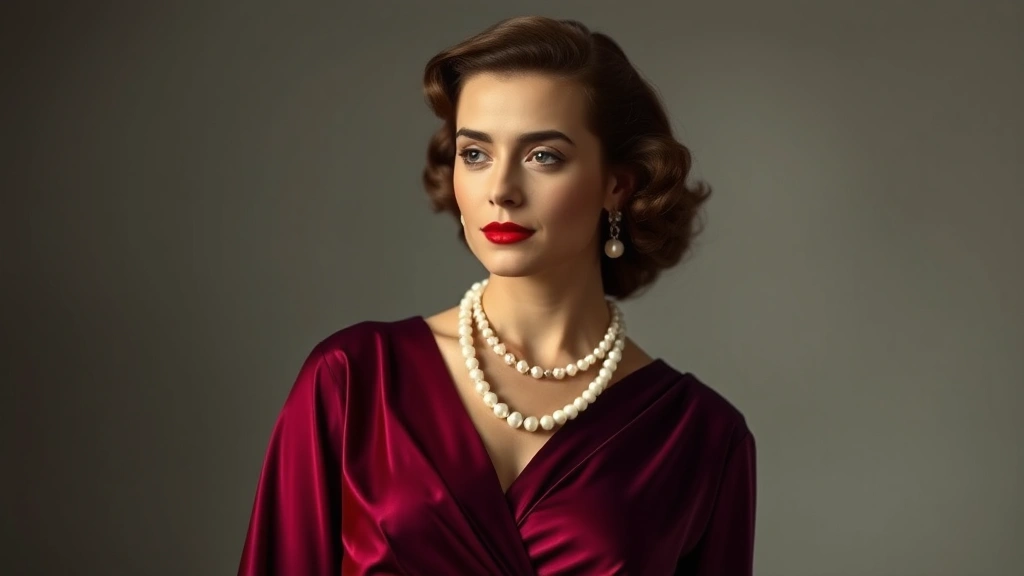
The color palette of the 1940s reflected both the era’s mood and practical considerations. Deep jewel tones—emerald, sapphire, ruby red, and burgundy—dominated formal wear and special occasion dressing. These rich colors conveyed luxury and sophistication while working beautifully with the era’s construction techniques. Navy, black, and charcoal provided professional neutrals for daywear, while cream, ivory, and pale pastels appeared in afternoon and evening wear.
Red held particular significance in 1940s fashion, symbolizing both femininity and subtle rebellion. Lipstick-red dresses, coats, and accessories became iconic expressions of style confidence. This bold color choice represented a departure from the more subdued palettes of earlier decades and suggested optimism despite wartime challenges.
Texture played a crucial role in adding visual interest within the constraints of rationing. Pleats, tucks, and strategic ruching created dimension without requiring excessive fabric. Bias cutting, a technique perfected in the 1930s and refined throughout the 1940s, created elegant drape and movement. Patterned fabrics—small-scale florals, geometric prints, and polka dots—offered personality while maintaining sophistication.
Leather and suede appeared frequently in accessories and occasionally in garment construction, contributing to the era’s structured aesthetic. These durable materials reflected the practical mindset of the period while adding luxurious texture to finished pieces.
Accessories and Design Details
Accessories in the 1940s served as crucial style statements, allowing women to express individuality within the framework of structured silhouettes. Hats were absolutely essential—not optional but fundamental to any complete outfit. Styles ranged from small, intricately detailed fascinators to structured fedoras and elegant pillbox hats adorned with feathers, veils, or ribbon details. The hat established the overall tone of an ensemble and demonstrated fashion sophistication.
Gloves represented another non-negotiable accessory, typically extending to the wrist or mid-forearm. Leather gloves in black, white, or jewel tones added polish and formality. Long evening gloves, often opera-length, appeared with formal wear and conveyed elegance and refinement. The quality and fit of gloves were scrutinized as indicators of overall style competence.
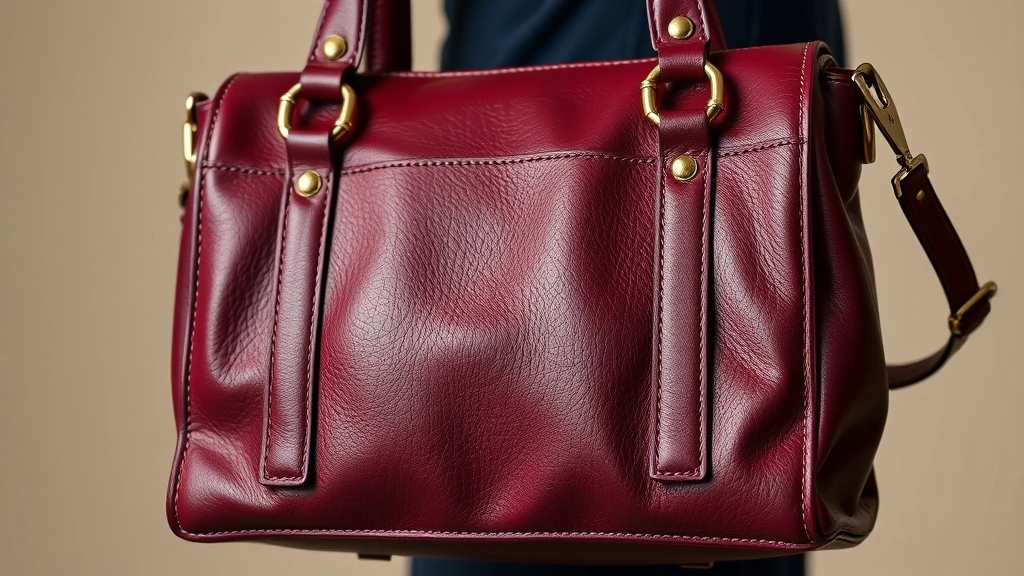
Handbags evolved significantly during this period. Structured leather bags with geometric shapes—boxy frames, rounded frames, and architectural handles—complemented the era’s silhouettes. Many featured metal hardware, decorative clasps, and internal organization. Smaller evening bags, often beaded or constructed from luxurious materials, offered glamorous alternatives for formal occasions.
Jewelry took on increased importance as a way to personalize outfits. Costume jewelry flourished, making stylish accessories accessible to wider audiences. Brooches, particularly ornate designs featuring rhinestones or enamel work, anchored necklines and added focal points to garments. Long strands of pearls, whether genuine or costume, draped elegantly across the torso. Clip earrings, the predominant style before piercing became common, featured bold geometric designs or elaborate ornamental details.
Shoes reflected the practical yet elegant aesthetic of the era. Peep-toe heels, Mary Jane pumps, and T-strap shoes dominated, typically featuring 2-3 inch heels that provided height while remaining practical for daily wear. Ankle boots appeared in various styles, from utilitarian lace-up designs to more decorative buttoned versions. Shoe quality mattered tremendously, with well-maintained leather and careful construction indicating fashion consciousness.
Hair accessories deserve particular mention, as elaborate styles required pins, clips, and decorative combs. Victory rolls, finger waves, and other intricate hairstyles showcased both the period’s aesthetic sensibilities and women’s creativity in self-presentation. Decorative hair nets, often embellished with beads or metallic thread, added glamorous finishing touches.
Adapting 1940s Style for Today
Reviving 1940s fashion doesn’t mean adopting every element wholesale, but rather understanding the core principles and translating them into contemporary contexts. The silhouette principle remains most important—the emphasis on defined shoulders, nipped waists, and structured lines creates an immediately recognizable 1940s aesthetic without requiring period-accurate fabrics or construction methods.
Modern tailoring techniques can achieve similar visual effects using contemporary materials. A well-fitted blazer with structured shoulders immediately evokes the era, whether paired with jeans or period-inspired skirts. High-waisted trousers with sharp creases offer sophisticated versatility that works in professional and casual settings. The key is understanding that complete fashion history teaches us that timeless style transcends specific periods through adherence to flattering proportions and quality construction.
Contemporary color choices can honor the era’s palette while reflecting modern preferences. Deep jewel tones remain perpetually elegant, while modern neutrals—including grays and taupes alongside traditional navy and black—offer versatility. Incorporating one signature 1940s color piece, such as a red dress or emerald blazer, creates immediate period reference without overwhelming modern sensibilities.
Fabric choices should prioritize quality and drape over strict historical accuracy. Modern wool blends offer the structure of vintage materials with improved comfort. High-quality cotton, linen, and contemporary blends can replicate the aesthetic while providing practical benefits for modern lifestyles. Sustainable and ethical fabric choices align 1940s fashion revival with contemporary values.
Accessories require selective updating. Hats and gloves, while charming, may feel costume-like in purely contemporary contexts unless worn with genuine style confidence. However, incorporating one or two statement accessories—perhaps a structured handbag or vintage-inspired brooch—adds authentic flavor without appearing theatrical. Modern interpretations of 1940s accessory aesthetics, created by contemporary designers, bridge historical and current sensibilities.
The 1930s women’s fashion provides useful context for understanding how style evolution works, showing that fashion periods blend and transition rather than existing in isolation. Similarly, contemporary 1940s revival benefits from understanding adjacent eras and how silhouettes, colors, and construction techniques relate across decades.
Expert Recommendations and Styling Tips
Leading fashion historians and contemporary designers offer valuable guidance for authentically incorporating 1940s elements into modern wardrobes. Vogue regularly features articles exploring vintage fashion revival, emphasizing that successful integration requires understanding the original context and respecting the aesthetic’s integrity.
Start with silhouette basics. Before investing in specific pieces, develop a mental framework of 1940s proportions. This means recognizing how shoulders relate to hips, understanding waist emphasis, and appreciating the architectural quality of the era’s construction. When evaluating contemporary pieces, ask whether they echo these fundamental principles.
Invest in quality basics. A well-tailored blazer with structured shoulders serves as the foundation for numerous outfits. Pair it with contemporary pieces or period-inspired skirts to create cohesive looks. High-waisted trousers in neutral colors offer sophisticated versatility. These foundational pieces justify investment in superior construction and materials.
Incorporate one statement piece. Rather than attempting a complete 1940s aesthetic, select a single standout item—perhaps a red dress, a vintage-inspired skirt with interesting pleating, or a structured coat. This approach creates visual interest while remaining grounded in contemporary style.
Balance structured and fluid elements. Pair tailored pieces with contemporary casual items to avoid appearing costume-like. A 1940s-inspired blouse looks current when worn with modern jeans or contemporary skirts. This juxtaposition honors the era while remaining authentically contemporary.
Consider proportion and fit carefully. 1940s silhouettes flattered specific body proportions. Ensure that pieces you select genuinely flatter your individual shape rather than forcing a silhouette that doesn’t suit you. Modern tailoring can adjust historical silhouettes to work with contemporary bodies and proportions.
Fashion experts emphasize that successful vintage revival requires genuine appreciation for the original era rather than superficial adoption of surface elements. Understanding why 1940s fashion developed as it did—the historical context, technological constraints, and social circumstances—enables more thoughtful and authentic integration into contemporary style.
Complete Styling Guide
Professional Office Look: Pair a structured blazer with high-waisted trousers and a fitted blouse. Add a leather handbag and simple jewelry. This ensemble directly references 1940s professional style while remaining entirely contemporary. The key is ensuring impeccable fit and quality fabrics.
Casual Daywear: Combine a fitted sweater with a high-waisted skirt and comfortable shoes. Add a light cardigan or jacket for layering. This approach captures the era’s elegance while maintaining practical comfort. A small brooch or vintage-inspired jewelry adds personality.
Evening Elegance: Select a dress featuring a nipped waist, either in a jewel tone or classic black. Structured shoulders, whether inherent to the design or created through tailoring, establish the 1940s reference. Pair with heels, a structured handbag, and statement jewelry. Consider a vintage-inspired wrap or shawl for added glamour.
Weekend Style: High-waisted jeans, a fitted turtleneck or sweater, and a structured blazer create effortless sophistication. Add loafers or heeled boots for polish. This combination honors 1940s proportions while embracing contemporary casual wear.
Transitional Pieces: A well-constructed coat with structured shoulders and a fitted waist works across seasons and occasions. Pair with various outfits to create cohesive, 1940s-inspired looks. Quality outerwear represents one of the best investments for vintage-inspired wardrobes.
The StyleLoom Daily Blog offers additional styling inspiration and contemporary fashion analysis that helps contextualize vintage revival within modern fashion conversations.
FAQ
How can I wear 1940s fashion without looking like I’m in costume?
Focus on silhouette rather than complete period accuracy. A structured blazer with contemporary pieces, or high-waisted trousers with modern tops, creates 1940s reference without theatrical appearance. Limit accessories to one or two statement pieces rather than attempting full-period styling.
Are 1940s silhouettes flattering for all body types?
The era’s emphasis on defined waists and structured shoulders works beautifully for many body types, but not universally. Modern tailoring can adjust historical silhouettes to complement individual proportions. Work with skilled tailors who understand how to adapt vintage-inspired pieces for your specific shape.
Where can I find authentic 1940s-inspired pieces today?
Contemporary designers regularly create collections referencing vintage periods. Vintage and secondhand retailers offer authentic pieces, though these require careful evaluation for quality and wearability. Modern high street and luxury brands increasingly offer 1940s-inspired options that balance historical accuracy with contemporary practicality.
What fabrics best replicate 1940s aesthetics in modern construction?
Quality wool blends, linen, cotton, and contemporary crepe fabrics effectively achieve 1940s visual effects. Prioritize natural fibers and quality construction over strict historical accuracy. Modern sustainable fabrics can replicate vintage aesthetics while aligning with contemporary values.
How important are accessories to 1940s-inspired styling?
While accessories historically completed 1940s outfits, contemporary styling benefits from selective accessorizing. One or two statement pieces—perhaps a structured handbag or brooch—add authentic flavor without overwhelming modern sensibilities. Hats and gloves work beautifully for special occasions but may feel costume-like in everyday contexts.
Can men incorporate 1940s fashion elements?
Yes, though the era’s menswear differs significantly from women’s fashion. Exploring Victorian men’s fashion and other historical periods provides context for understanding how vintage elements work across genders. Men’s 1940s style emphasizes tailored suits, structured shoulders, and quality construction.
How does 1940s fashion relate to fashion design education today?
Understanding historical periods, including the 1940s, forms a crucial foundation for fashion design. Studying fashion design degree programs incorporates extensive fashion history, enabling designers to create contemporary work informed by historical knowledge and context.
Is reviving 1940s fashion environmentally sustainable?
Vintage and secondhand 1940s pieces represent sustainable fashion choices. Contemporary pieces inspired by the era can be sustainable when constructed from ethical, high-quality materials. The era’s emphasis on quality, durability, and longevity aligns with modern sustainability values.