1940s Fashion Revival: Expert Insights into Timeless Elegance
The 1940s represent one of fashion’s most transformative decades, a period when necessity became the mother of style innovation. As World War II reshaped society, it simultaneously revolutionized how people dressed, introducing silhouettes and aesthetics that continue to captivate fashion enthusiasts today. The decade’s influence extends far beyond vintage enthusiasts—contemporary designers consistently draw inspiration from 1940s elements, proving that this era’s design principles remain eternally relevant.
What makes 1940s fashion particularly fascinating is its duality: the early war years brought austerity and rationing, yet designers responded with remarkable creativity and elegance. Women’s fashion became more structured and powerful, while men’s tailoring reached unprecedented sophistication. Today’s fashion revival movements are rediscovering these timeless qualities, blending historical authenticity with modern sensibilities. Understanding the nuances of 1940s style allows contemporary fashion enthusiasts to incorporate these elements authentically into their wardrobes.
This comprehensive guide explores the key elements of 1940s fashion, expert perspectives on its current revival, and practical ways to embrace this iconic aesthetic in your personal style journey. Whether you’re interested in finding your personal style through historical references or simply appreciate the elegance of mid-century fashion, this exploration offers valuable insights into one of fashion’s most enduring influences.
Women’s Silhouettes and Tailoring
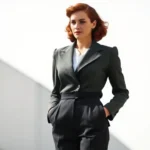
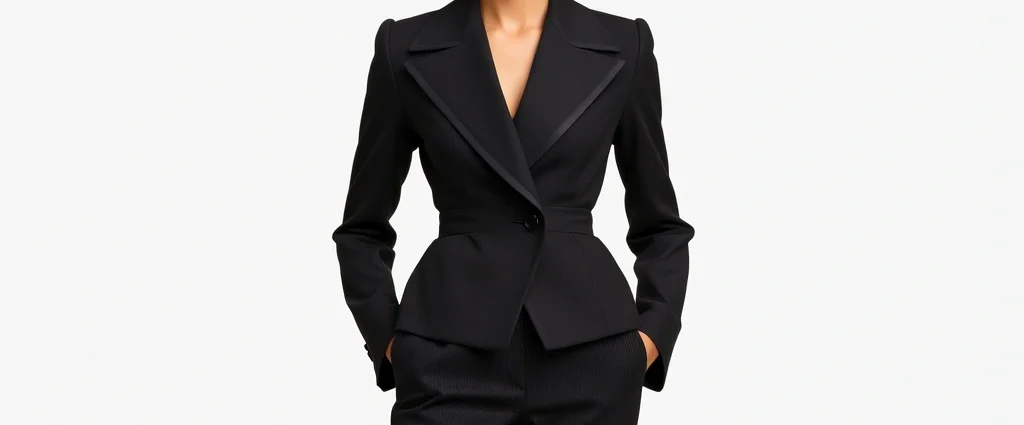
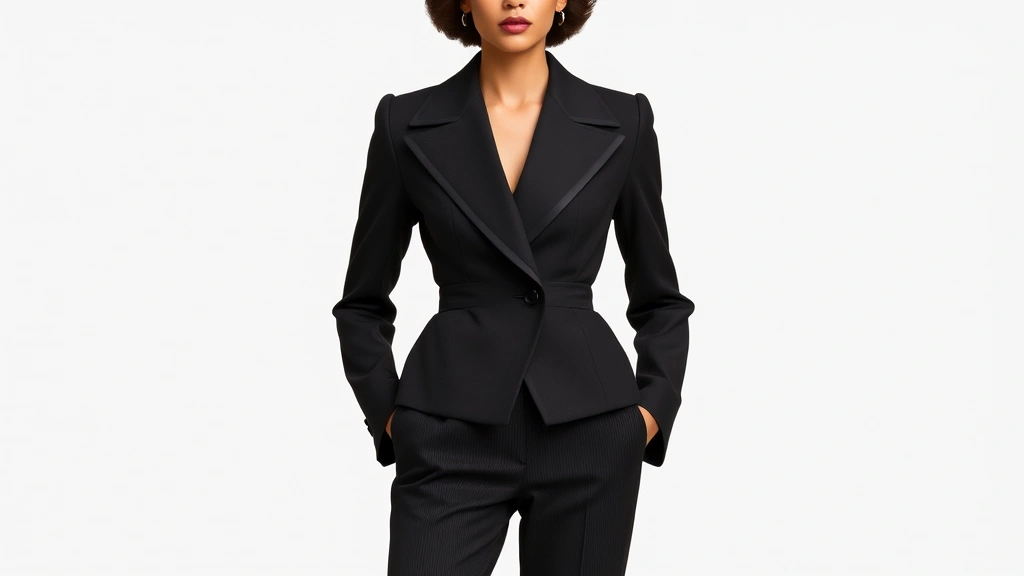
The women’s silhouette of the 1940s emerged from wartime necessity and became an icon of empowerment and elegance. The decade’s most distinctive feature was the broad-shouldered, nipped-waist silhouette that dominated fashion magazines and red carpets. This powerful shape reflected women’s increasing roles in the workforce during wartime, as many took on industrial and administrative positions previously reserved for men. Fashion designers like Vogue documented how tailors adapted suit jackets to emphasize shoulders through strategic padding and construction techniques.
The wartime silhouette featured several key characteristics that defined the era’s aesthetic. Shoulders were dramatically padded, sometimes extending an inch or two beyond the natural shoulder line, creating a commanding presence. The waistline sat at the natural waist and was cinched tightly, emphasizing the hourglass figure through contrast. Skirts during the early 1940s remained relatively full due to fabric availability before rationing, but later in the decade, pencil skirts became increasingly popular as materials grew scarce. The hemline typically fell just below the knee, creating an elegant proportion that remains flattering today.
Understanding the complete fashion history timeline reveals how the 1940s silhouette evolved from the 1930s aesthetic. Where the 1930s emphasized fluid, bias-cut gowns and softer lines, the 1940s introduced structure and definition. This transition reflected broader cultural shifts, as women’s roles expanded and fashion responded by creating clothing that conveyed strength alongside femininity. Designers experimented with clever tailoring techniques to achieve these silhouettes without excessive fabric, using darts, seaming, and strategic construction to create shape and definition.
The day dress represented the quintessential 1940s garment, combining practicality with undeniable style. These dresses featured simple lines, practical details like patch pockets and button-front closures, and could be dressed up or down depending on accessories and styling. The shirt dress emerged as a particularly popular style, offering comfort and versatility while maintaining the structured silhouette that defined the decade. Many of these dresses featured interesting details like contrast trim, decorative buttons, and clever seaming that demonstrated designers’ ingenuity during material shortages.
Men’s Fashion and Tailoring Excellence
While women’s fashion captured much of the decade’s dramatic transformation, men’s tailoring during the 1940s reached new heights of sophistication and refinement. The decade represented the zenith of bespoke tailoring, with menswear emphasizing precision construction, quality fabrics, and timeless proportions. Understanding 1940s men’s fashion provides insights into how contemporary tailoring traditions developed, as many modern suiting principles trace directly to this era’s innovations.
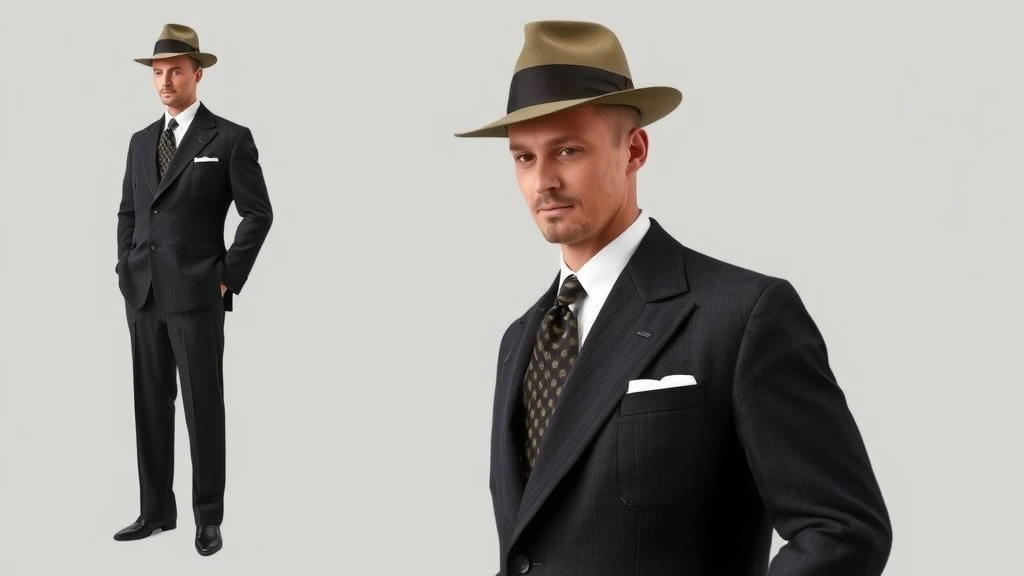
The 1940s suit established proportions that remain relevant today: slightly broader shoulders than the natural shoulder line, a gently tapered torso, and trousers with a higher rise and fuller thigh that tapered toward the ankle. The jacket featured a longer length, typically covering the seat entirely, with a two-button configuration becoming increasingly standard. Lapels were notched and of medium width, creating a balanced proportion that worked across different body types. The construction techniques employed—including canvas interfacing in the chest, functional button holes, and hand-stitched details—represented the gold standard of tailoring craftsmanship.
Casual menswear during the 1940s also evolved significantly, particularly in America where the zoot suit gained prominence in certain communities before wartime restrictions limited fabric availability. The standard casual look for men included well-fitted trousers, simple button-up shirts in solid colors or subtle patterns, and pullover sweaters or cardigans. Accessories played crucial roles: fedoras and trilby hats were essential, ties featured bold patterns and rich colors, and leather shoes in oxfords or loafers completed the look. The emphasis throughout was on quality construction and refined simplicity—a philosophy that modern menswear enthusiasts continue to embrace.
Comparing the Victorian men’s fashion traditions with 1940s menswear reveals interesting evolution in tailoring aesthetics. While Victorian tailoring emphasized formality and ornamentation, 1940s menswear stripped away excessive detail to focus on proportion, fit, and quality construction. This shift toward refined minimalism influenced subsequent decades and established principles that contemporary tailors still reference when creating garments intended to transcend seasonal trends.
Fabrics, Colors, and Materials
The material constraints of the 1940s paradoxically led to innovations in fabric development and color applications that enriched fashion aesthetics. Wartime rationing limited access to natural fibers like silk and wool, prompting designers and manufacturers to experiment with synthetic alternatives and develop new weaving techniques. These constraints ultimately expanded the palette of available fabrics and demonstrated that limitation could inspire creativity rather than restrict it.
Wool dominated menswear throughout the decade, with gabardine, serge, and twill weaves providing durable, versatile options for suits and trousers. For women, wool was equally important, appearing in day dresses, suits, and coats. Cotton gained prominence due to its availability and affordability, particularly in printed day dresses and casual garments. Rayon, a semi-synthetic fiber, became increasingly common as silk supplies diminished, offering a lustrous appearance suitable for evening wear and special occasion garments. Linen appeared in summer garments, while felt and wool felt dominated coat and hat construction.
The color palette of 1940s fashion reflected both wartime austerity and the era’s sophisticated taste. Neutral tones dominated practical daywear: blacks, grays, taupes, navy, and browns appeared frequently in professional and casual clothing. These colors provided versatility and allowed accessories to create visual interest. However, the 1940s also embraced rich jewel tones—deep emerald greens, sapphire blues, burgundies, and wine shades—particularly in evening wear and special occasion garments. Prints featured geometric patterns, florals, and novelty designs, with smaller-scale patterns preferred for day wear and larger designs reserved for special occasions.
Exploring the 1930s fashion for women reveals how color preferences shifted between decades. The 1930s featured softer, more muted palettes reflecting the Great Depression’s somber mood, while the 1940s introduced more assertive colors and greater contrast as morale improved despite wartime challenges. This evolution in color psychology demonstrates how external circumstances influence fashion’s emotional language and aesthetic direction.
Accessories and Design Details
Accessories during the 1940s transcended mere embellishment—they represented essential tools for creating complete, polished looks while working within material constraints. A well-chosen accessory could transform a simple dress or suit into an elegant ensemble, making accessories particularly important during rationing periods when acquiring new garments proved difficult.
Hats represented perhaps the most important accessory for both men and women throughout the 1940s. Men’s fedoras, trilbies, and homburgs were essential to complete looks, with quality felt construction and precise blocking creating distinctive silhouettes. Women’s hats ranged from practical close-fitting styles like pillboxes and turbans to more elaborate creations featuring feathers, netting, and decorative elements. The hat’s position on the head and its relationship to the hairstyle created important design elements that contributed to overall proportion and elegance.
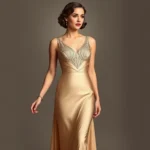
Shoes gained prominence as fashion statements, with leather quality and construction becoming increasingly important as other material supplies diminished. Women’s shoes featured moderate heels—typically 1.5 to 2.5 inches—with practical styles like pumps, oxfords, and Mary Janes dominating daywear. Evening shoes incorporated more decorative elements, though wartime restrictions limited ornamentation. Men’s shoes emphasized quality leather and classic styles: oxfords remained standard for formal wear, while loafers and casual leather shoes provided options for relaxed settings.
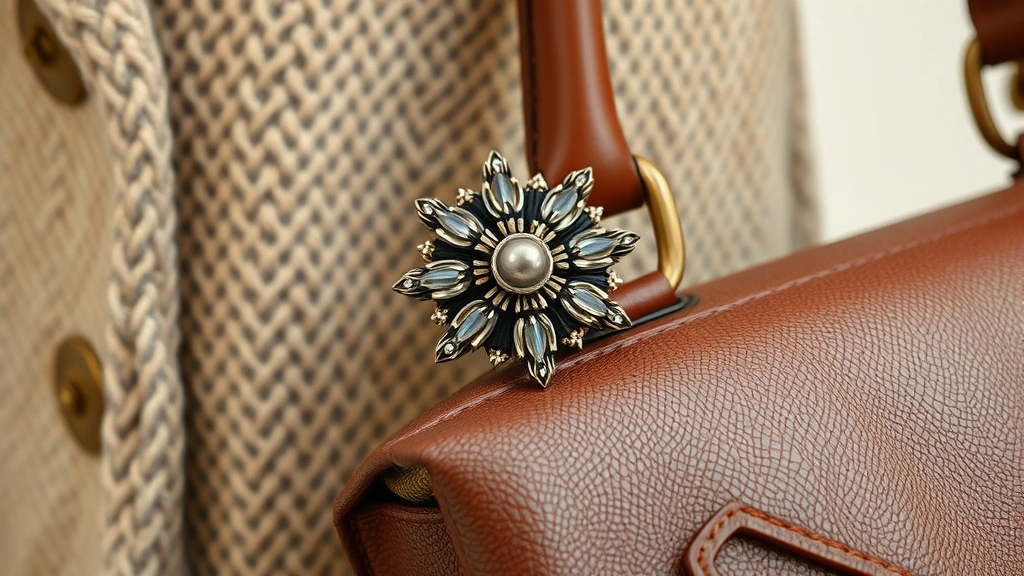
Jewelry and smaller accessories completed 1940s ensembles with distinctive flair. Costume jewelry became increasingly acceptable and popular, allowing people to achieve fashionable looks without precious metals or gemstones. Brooches, clip earrings, and decorative pins served both functional and aesthetic purposes, securing fabrics while adding visual interest. Scarves, belts, and gloves provided opportunities for color and pattern introduction, allowing subtle style expression within conservative overall silhouettes. Handbags evolved toward structured shapes with top handles, appearing in leather or fabric with practical interiors designed for professional women’s needs.
Integrating 1940s Style into Contemporary Wardrobes
Modern fashion enthusiasts can authentically incorporate 1940s elements into contemporary wardrobes through strategic garment selection and styling approaches that respect the era’s aesthetic while maintaining current relevance. The key lies in understanding which elements transcend their historical context and which require careful adaptation for contemporary settings.
Building a 1940s-inspired capsule wardrobe begins with foundational pieces featuring the era’s signature silhouettes. Well-tailored blazers with structured shoulders and nipped waists serve as versatile bases for numerous outfits, working equally well with contemporary trousers or skirts. High-waisted trousers with a tapered ankle create flattering proportions that complement modern styling approaches while honoring the decade’s aesthetic. A-line or pencil skirts in neutral colors provide versatile bottoms that pair effectively with both vintage and contemporary tops.
Dresses represent particularly effective vehicles for 1940s style integration, as vintage-inspired day dresses with structured silhouettes translate seamlessly into modern wardrobes. Shirt dresses with patch pockets and button-front closures offer practical elegance suitable for professional environments, while fit-and-flare styles create flattering proportions for casual occasions. Pairing these dresses with modern accessories—contemporary jewelry, updated shoe styles, and current hairstyles—creates looks that honor historical inspiration while appearing thoroughly contemporary.
For men seeking to incorporate 1940s tailoring principles, investing in well-constructed suits featuring slightly broader shoulders and higher-rise trousers creates silhouettes that feel both vintage-inspired and current. Pairing these pieces with modern accessories—contemporary ties, updated shoe styles, and simplified hat choices—maintains the era’s refined aesthetic while avoiding costume-like appearance. The emphasis should remain on quality construction and timeless proportions rather than exact historical reproduction.
The StyleLoom Daily Blog offers additional resources for exploring how historical fashion influences contemporary style choices. Understanding the broader context of fashion history enables more intentional style decisions that feel authentic rather than forced or costume-like.
Contemporary Designer Perspectives on 1940s Revival
Leading fashion designers and industry experts continue to draw inspiration from 1940s aesthetics, recognizing the decade’s enduring relevance to contemporary design challenges and aesthetic preferences. Fashion industry publications regularly feature retrospectives examining how contemporary collections reference 1940s silhouettes, proportions, and construction techniques. This ongoing dialogue between historical inspiration and modern design demonstrates that the 1940s represent not merely nostalgic reference but rather a continuing source of design innovation.
Contemporary designers appreciate the 1940s for several specific reasons. The era’s emphasis on proportion and fit over excessive ornamentation aligns with modern minimalism and sustainability movements—garments designed with classic proportions transcend seasonal trends and remain wearable for extended periods. The decade’s sophisticated color palettes and fabric choices continue to influence contemporary collections, as designers recognize that restraint often communicates greater luxury than elaborate embellishment. The construction techniques developed during the 1940s—strategic seaming, careful dart placement, and quality interfacing—remain the foundation of high-quality garment construction today.
The silhouette revival appearing in contemporary runway collections frequently references 1940s aesthetics, with designers experimenting with structured shoulders, nipped waists, and tailored proportions. However, modern interpretations typically update these elements through contemporary fabrications, unconventional color combinations, and innovative seaming techniques. This approach honors historical inspiration while creating distinctly contemporary garments that feel neither costume-like nor anachronistic. The balance between historical reference and modern innovation represents the most successful approach to 1940s-inspired design.
Fashion historians and trend forecasters consistently identify 1940s aesthetics as cyclically relevant, appearing prominently in collections during specific cultural moments when society values stability, quality, and refined elegance. Understanding these cycles enables fashion enthusiasts to recognize when 1940s-inspired pieces will feel particularly timely and integrated within broader fashion conversations. The decade’s enduring influence suggests that its design principles address fundamental human desires for proportion, quality, and understated elegance that transcend specific historical moments.
FAQ
What are the key characteristics of 1940s women’s fashion?
The defining features of 1940s women’s fashion include broad shoulders achieved through padding, a tightly cinched waist, and structured silhouettes emphasizing an hourglass figure. Day dresses were practical yet elegant, often featuring simple lines, patch pockets, and button-front closures. The hemline typically fell just below the knee, and overall silhouettes conveyed both femininity and strength. This aesthetic reflected women’s expanding roles during wartime while maintaining sophisticated elegance.
How can I authentically incorporate 1940s style without looking costume-like?
Authentically integrating 1940s style requires focusing on silhouette and proportion rather than exact historical reproduction. Choose well-tailored pieces featuring the era’s signature structured shoulders and nipped waists, then pair them with contemporary accessories, modern hairstyles, and updated shoe styles. Selecting neutral color bases with contemporary accent pieces creates looks that feel inspired by the era rather than costume-like. Quality construction and careful fit matter more than historical accuracy in achieving a wearable, modern aesthetic.
What fabrics were most common in 1940s fashion?
Wool dominated both menswear and womenswear throughout the 1940s, appearing in gabardine, serge, and twill weaves. Cotton became increasingly important due to availability, particularly in printed day dresses. Rayon gained prominence as silk supplies diminished, offering lustrous qualities suitable for evening wear. Linen appeared in summer garments, while felt dominated hat and coat construction. These natural and semi-synthetic fibers provided durability and versatility within wartime material constraints.
Why does 1940s fashion remain relevant today?
1940s fashion endures because it addresses fundamental design principles: proportion, quality construction, and refined simplicity that transcend specific historical moments. The decade’s emphasis on fit over ornamentation aligns with modern sustainability and minimalism movements. The silhouettes and proportions developed during the 1940s remain flattering across diverse body types, and the construction techniques established then remain the foundation of quality garment making. Contemporary designers continue referencing 1940s aesthetics because they represent proven solutions to design challenges.
What accessories were essential to complete 1940s looks?
Hats represented the most important accessory for both men and women, with fedoras and tailored hat styles essential to complete ensembles. Quality leather shoes in classic styles like oxfords and pumps grounded outfits. Jewelry, particularly costume pieces like brooches and clip earrings, added visual interest without requiring precious materials. Scarves, gloves, and structured handbags with top handles provided additional opportunities for style expression. Belts emphasized the waistline and served both functional and aesthetic purposes.
How did wartime rationing influence 1940s fashion design?
Material rationing paradoxically inspired creativity, prompting designers to develop innovative construction techniques and experiment with synthetic alternatives. Designers became ingenious at creating shape and visual interest through strategic seaming, dart placement, and careful tailoring rather than excessive fabric or ornamentation. This constraint-driven innovation ultimately enriched fashion aesthetics and established principles of efficient, elegant design that continue influencing contemporary fashion. The decade demonstrates how limitations can inspire creativity rather than restrict it.