Embrace 1930s Fashion? Designer Insights into the Golden Age of Style
The 1930s remains one of fashion’s most captivating eras, a decade when elegance met economic uncertainty and women’s style became a powerful form of self-expression. During the Great Depression, paradoxically, fashion flourished as a beacon of hope and sophistication. Designers crafted garments that celebrated the female form with unprecedented grace, introducing silhouettes that continue to influence contemporary fashion today. Understanding 1930s fashion women’s wear opens a window into a transformative period where luxury and accessibility coexisted, creating timeless pieces that modern fashion enthusiasts still cherish and recreate.
Today’s designers frequently draw inspiration from this golden age of Hollywood glamour and refined elegance. The decade’s aesthetic—characterized by bias-cut gowns, art deco details, and luxurious fabrics—represents a masterclass in sophisticated design. Whether you’re interested in vintage fashion or seeking to incorporate 1930s elements into your modern wardrobe, understanding the designer insights behind this iconic era will elevate your style knowledge and appreciation for fashion history.
The Silhouette Revolution of the 1930s
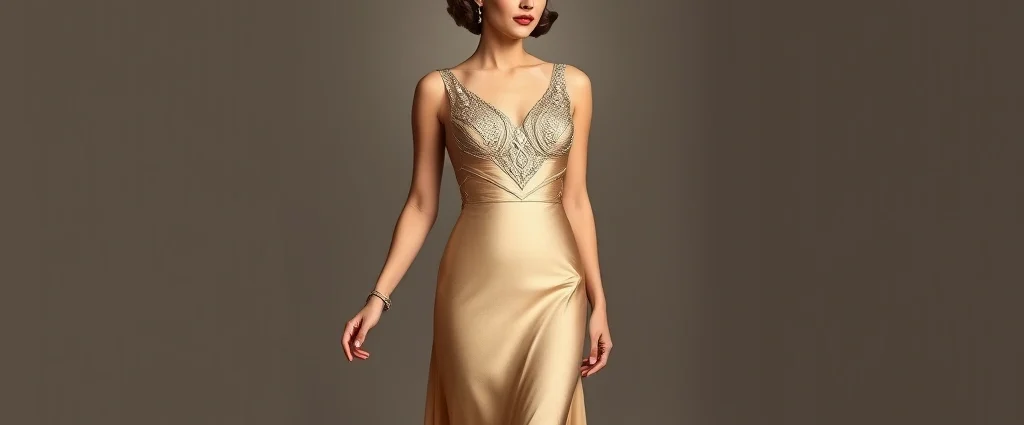
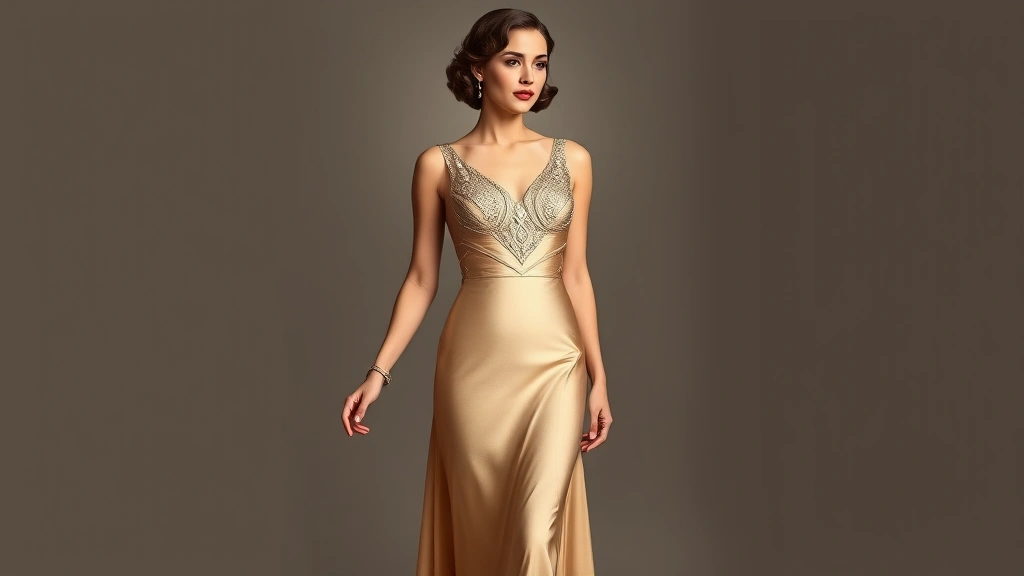
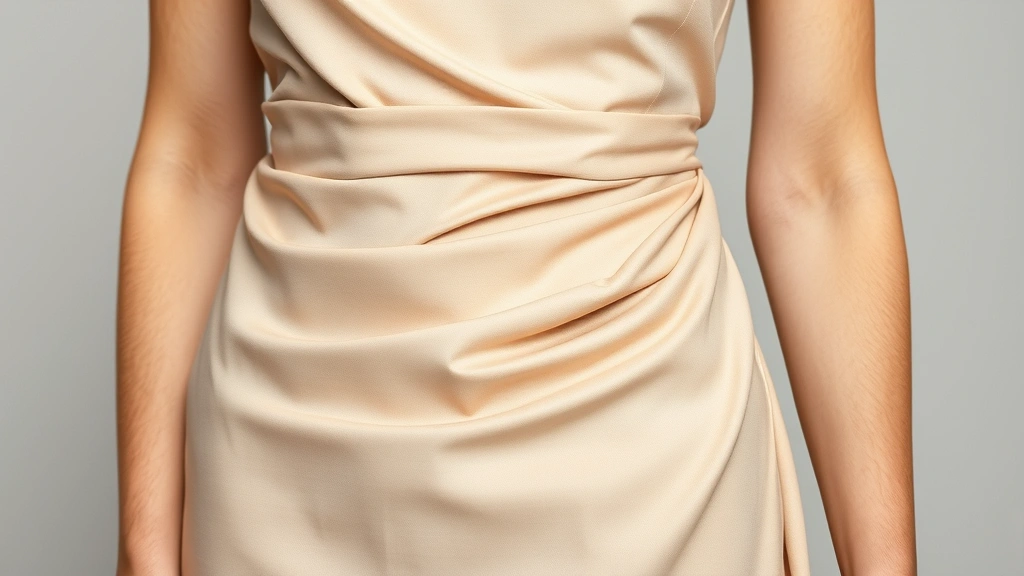
The 1930s introduced one of fashion’s most transformative silhouettes: the bias-cut gown. Designer Madeleine Vionnet revolutionized garment construction by cutting fabric on the diagonal grain, creating a revolutionary technique that allowed clothing to cling elegantly to the body while maintaining freedom of movement. This innovation shifted away from the dropped waistlines of the 1920s flapper era, reintroducing curves and femininity as fashion’s primary aesthetic. The bias cut became the decade’s defining feature, celebrated by elite clientele and later democratized for broader audiences.
The typical 1930s silhouette featured a fitted bodice, a defined waistline, and a gradually flared skirt that fell to mid-calf or ankle length. Shoulders remained relatively narrow and natural, contrasting sharply with the exaggerated shoulders that would dominate the 1940s. Designers emphasized vertical lines and elongated proportions, creating an overall impression of sophistication and grace. This focus on the female form—without the restrictive corseting of previous centuries—represented a significant evolution in women’s fashion philosophy.
Evening wear took on particularly glamorous proportions during this decade. Backless gowns, plunging necklines, and strategically placed cutouts became hallmarks of formal wear, worn by Hollywood starlets and society women alike. The fluidity of these garments, achieved through expert tailoring and quality fabrics, made movement appear effortless and elegant. When exploring the complete fashion history timeline, the 1930s silhouette stands as a pivotal moment when technology and artistry merged to create lasting design principles.
Iconic Fabrics and Materials
Luxury fabrics defined 1930s fashion women’s collections, with silk reigning supreme among designers and discerning clientele. Silk charmeuse, with its lustrous finish and fluid drape, became the fabric of choice for evening wear and day dresses. This material’s natural sheen complemented the era’s emphasis on elegance and sophistication, catching light beautifully and enhancing the bias-cut silhouette. Silk crepe provided a more matte alternative, offering similar draping qualities while presenting a different aesthetic suitable for both day and evening occasions.
Beyond silk, designers experimented with innovative synthetic fabrics emerging during this period. Rayon, often called “artificial silk,” allowed middle-class women access to luxurious-looking garments at more affordable prices. This democratization of fashion represented a significant cultural shift, as quality design became less exclusively tied to wealth. Wool remained essential for daytime wear and structured pieces, while cotton and linen served practical purposes for casual and functional clothing.
Lace experienced a renaissance during the 1930s, with intricate patterns adorning evening gowns, slips, and undergarments. Designers incorporated lace strategically—often as panels, overlays, or delicate details—rather than using it to cover entire garments. This restrained approach to ornamentation epitomized the decade’s sophisticated aesthetic. Velvet and taffeta added textural interest to formal wear, while satin provided another luxurious option for special occasions. Understanding these historical fabric choices through style loom daily blog reveals how material selection directly influenced the silhouettes and design possibilities of the era.
Color Palettes and Design Details
The 1930s color palette reflected both the era’s optimism and its underlying melancholy. Jewel tones—emerald, sapphire, and ruby—dominated evening wear, providing dramatic contrast and visual impact. These rich colors conveyed luxury and sophistication, particularly when rendered in high-quality fabrics. Simultaneously, softer pastels including blush pink, pale blue, and champagne offered romantic alternatives for daytime wear and less formal occasions. Black remained perpetually fashionable, worn as an elegant evening choice and as a versatile neutral for day dresses.
White and cream held special significance during this decade, representing purity and elegance in both daytime and evening contexts. Designers frequently combined white with jewel tones or metallic accents to create striking visual compositions. Earth tones including chocolate brown, gold, and bronze complemented the era’s art deco influences and paired beautifully with the period’s jewelry and accessory choices.
Design details of the 1930s showcased geometric precision and artistic sensibility. Art deco motifs—angular patterns, sunburst designs, and stylized florals—appeared as embroidery, beading, and print patterns. These details often concentrated on the bodice or shoulders, drawing attention upward and emphasizing the upper body. Designers incorporated asymmetrical necklines, one-shoulder designs, and strategic cutouts as sophisticated alternatives to conventional construction methods. Pleating, draping, and gathering techniques created visual interest while maintaining the silhouette’s elegant simplicity.
Beading and sequin work reached extraordinary levels of artistry, with hand-sewn embellishments creating shimmering evening gowns that caught and reflected light dramatically. These labor-intensive techniques made beaded gowns expensive and highly coveted, worn primarily by the wealthy elite and Hollywood personalities. The precision required for such work represented the pinnacle of craftsmanship during this era.
Accessory Essentials of the Era
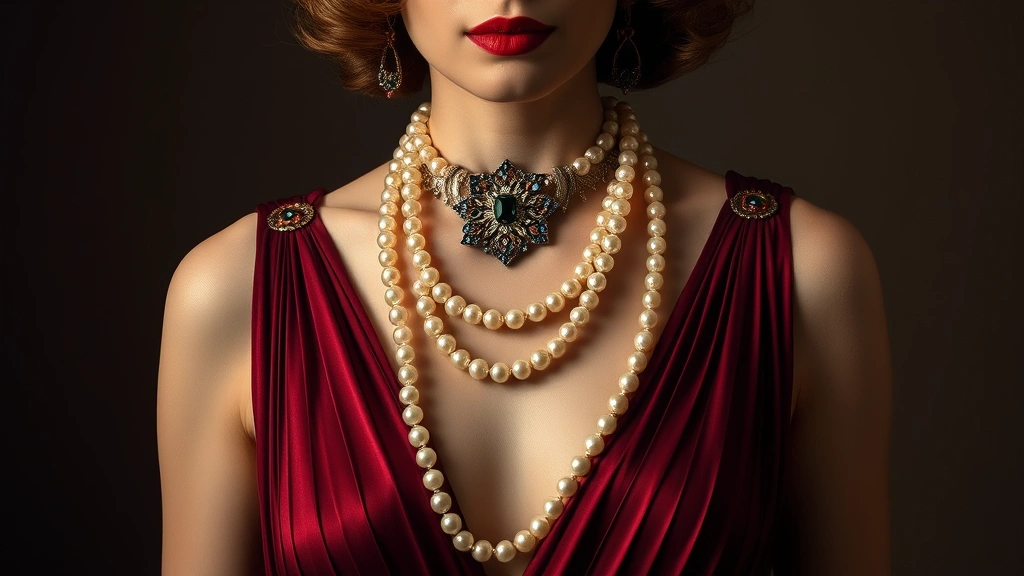
Accessories played crucial roles in completing 1930s fashion ensembles, with jewelry, shoes, and bags coordinating seamlessly with garment choices. Long strands of pearls—often reaching to the waist or beyond—became iconic symbols of the decade, worn draped casually or knotted at the hip. These pearl necklaces appeared in costume and fine jewelry versions, accessible across economic classes. Art deco jewelry featuring geometric designs, precious stones, and platinum or gold settings reflected the era’s design philosophy and complemented the angular details found in fashion silhouettes.
Shoes evolved significantly during the 1930s, with heels reaching new heights—literally and figuratively. T-strap heels, Mary Jane styles, and elegant pumps in coordinating colors completed formal and casual ensembles. Shoe construction prioritized both beauty and wearability, with cushioned soles and refined details. Metallic and two-tone shoes added visual interest, while neutral tones provided versatile options for multiple outfits.
Handbags transformed from purely functional items into fashion statements. Structured bags with metal frames, ornate clasps, and sophisticated fabrics became essential accessories. Beaded evening bags in elaborate patterns and colors coordinated with gowns, while leather day bags offered practical elegance for daytime wear. The decade saw experimentation with various bag shapes—from structured boxes to soft pouches—reflecting the diversity of occasions and outfit types.
Hats remained essential accessories, with designs ranging from close-fitting cloche styles to elaborate wide-brimmed creations adorned with feathers, ribbons, and netting. Gloves extended to the elbow for formal occasions, while shorter versions served daytime needs. Scarves, wraps, and stoles provided both warmth and style, often featuring luxurious fabrics and artistic prints that complemented ensemble color schemes.
How to Incorporate 1930s Fashion into Modern Style
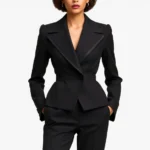
Contemporary fashion enthusiasts can embrace 1930s aesthetics without adopting the entire silhouette wholesale. The key lies in understanding which elements translate effectively to modern contexts and how to balance vintage inspiration with current style sensibilities. Start by incorporating individual pieces—a bias-cut slip dress, a tailored blazer with subtle art deco detailing, or high-waisted trousers that echo the decade’s emphasis on defined waistlines.
Silhouette integration offers an accessible entry point for 1930s fashion exploration. Modern versions of 1930s-inspired dresses appear regularly on contemporary runways and in ready-to-wear collections. These updated interpretations maintain the elegant draping and defined waistlines while incorporating contemporary fabrics and construction methods. Pairing a 1930s-inspired dress with modern accessories and styling creates a balanced look that honors the era while remaining thoroughly current.
Jewelry provides another excellent avenue for incorporating 1930s elements. Art deco pieces—whether vintage originals or contemporary interpretations—coordinate beautifully with modern wardrobes. Long pendant necklaces, geometric brooches, and chandelier earrings reference the decade while working with contemporary silhouettes and styling approaches. Vintage or reproduction jewelry adds authenticity without requiring complete wardrobe overhauls.
Color and pattern offer subtle methods for channeling 1930s aesthetics. Incorporating jewel tones, metallic accents, and geometric patterns through accessories, nail polish, or makeup creates visual connections to the era. Art deco prints on scarves, bags, or even small garment details introduce the decade’s design language into modern outfits. This approach allows for creative expression while maintaining contemporary relevance.
Understanding how fashion evolved from the 1860s through subsequent decades helps contextualize the 1930s within broader fashion narratives. This historical perspective enriches personal style choices and creates more intentional wardrobe decisions. Exploring 1840s fashion and other historical periods provides additional inspiration for vintage-inspired contemporary styling.
Designer Perspectives on 1930s Influence
Contemporary fashion designers frequently acknowledge the 1930s as a primary inspiration source, citing the era’s sophisticated approach to garment construction and silhouette design. Designers working in luxury fashion often reference the decade’s bias-cut innovations and emphasis on elegant draping. The 1930s represents a moment when technical skill merged seamlessly with artistic vision, creating garments that functioned beautifully while maintaining visual sophistication.
According to Vogue, the 1930s continues influencing contemporary fashion through renewed interest in vintage-inspired silhouettes and construction techniques. Fashion historians and designers recognize this era as foundational to modern garment construction principles. The bias cut, in particular, remains relevant because it solves fundamental design challenges—how to create garments that flatter diverse body types while allowing comfortable movement.
Luxury brands regularly incorporate 1930s references into collections, from explicit recreations of iconic silhouettes to subtle nods toward the era’s design philosophy. This ongoing influence demonstrates the timeless quality of well-executed design from this period. Designers appreciate the decade’s restraint—the idea that elegance emerges from proportion, fit, and quality materials rather than excessive ornamentation.
Fashion educators and historians emphasize the 1930s as essential study material for anyone interested in garment construction and design principles. The decade’s approach to draping, seaming, and silhouette creation remains relevant in contemporary design education. Understanding how 1930s designers solved construction challenges provides valuable insights for modern practitioners working across fashion disciplines.
Styling experts frequently recommend exploring 1930s fashion for individuals seeking to develop more sophisticated personal style vocabularies. The decade’s emphasis on elegant simplicity, quality materials, and refined proportions aligns with contemporary minimalism and conscious consumption values. This philosophical alignment makes 1930s fashion particularly appealing to modern audiences interested in sustainable, timeless style choices.
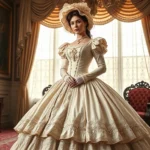
Comparing 1860 fashion trends with 1930s aesthetics reveals how fashion philosophy evolved across decades, showing the progression from restrictive Victorian silhouettes toward the liberated elegance of the 1930s. This evolution reflects broader cultural shifts regarding women’s roles, bodies, and self-expression through fashion.
FAQ
What defines authentic 1930s fashion women’s wear?
Authentic 1930s fashion women’s wear features bias-cut silhouettes, defined waistlines, fitted bodices, and gradually flared skirts. The era emphasized elegant draping, quality fabrics (particularly silk), and refined proportions. Design details included art deco motifs, strategic cutouts, and sophisticated embellishment. The overall aesthetic prioritized elegance and femininity without excessive ornamentation, representing a significant departure from 1920s flapper fashion.
How can I find quality 1930s-inspired pieces today?
Contemporary fashion retailers, vintage boutiques, and online marketplaces offer both authentic vintage 1930s garments and modern interpretations. Luxury brands frequently create 1930s-inspired collections, while vintage specialists source original pieces from the era. When shopping for 1930s fashion, prioritize quality fabrics, attention to construction details, and silhouettes that echo the decade’s design principles. Mixing authentic vintage pieces with contemporary styling creates balanced, wearable outfits.
Was 1930s fashion accessible to average women?
While luxury versions of 1930s fashion remained expensive, the decade saw increasing democratization through ready-to-wear production and synthetic fabrics like rayon. Department stores offered more affordable interpretations of high-fashion silhouettes, making fashionable clothing accessible to middle-class women. This accessibility distinguished the 1930s from earlier eras when fashion quality correlated more directly with wealth.
How do 1930s silhouettes compare to other vintage eras?
The 1930s silhouette differs significantly from the restrictive Victorian shapes of earlier decades and the looser 1920s flapper aesthetic. Unlike the exaggerated shoulders of the 1940s, 1930s fashion emphasized natural shoulder lines and defined waistlines. The bias-cut innovation allowed unprecedented freedom of movement while maintaining elegant, form-flattering proportions—a balance not achieved in earlier fashion periods.
Can men wear 1930s-inspired fashion today?
Absolutely. 1930s menswear featured tailored suits, structured silhouettes, and refined details that translate beautifully to contemporary styling. High-waisted trousers, suspenders, and fedoras reference the era while working with modern fashion sensibilities. Understanding Victorian men’s fashion provides additional context for how menswear evolved toward the 1930s aesthetic.
What’s the best way to style a 1930s-inspired dress today?
Style 1930s-inspired dresses with contemporary accessories and footwear to create balanced, modern looks. Pair with current shoe styles, minimal jewelry (unless channeling full vintage aesthetic), and modern makeup approaches. Consider layering with contemporary blazers or cardigans, or wear standalone with simple accessories that highlight the dress’s silhouette rather than competing with it. This approach honors the garment’s vintage inspiration while maintaining current relevance.