1930s Fashion Trends Resurgence: Expert Insights
The 1930s represent one of fashion’s most captivating eras—a decade where elegance emerged from economic hardship, and style became a form of artistic rebellion. Today, designers and fashion enthusiasts are rediscovering the sophisticated silhouettes, luxurious fabrics, and timeless aesthetics that defined this golden age of glamour. From the bias-cut gowns of Madeleine Vionnet to the streamlined silhouettes that dominated runways, 1930s fashion trends are experiencing a remarkable resurgence in contemporary style.
This revival isn’t merely nostalgic; it represents a deeper cultural moment where modern fashion seeks authenticity, craftsmanship, and enduring elegance. As we navigate an era of fast fashion fatigue, the 1930s offer valuable lessons in quality, intentionality, and timeless design principles. Whether you’re a fashion historian, style enthusiast, or simply curious about how vintage aesthetics influence today’s trends, understanding this resurgence provides insight into where contemporary fashion is heading.
The Golden Age: Understanding 1930s Fashion Context
The 1930s emerged from the exuberance of the Jazz Age into an era defined by economic uncertainty, yet paradoxically produced some of fashion’s most refined and sophisticated designs. This contradiction created a unique aesthetic: designers channeled the decade’s complexities into garments that celebrated femininity, elegance, and artistic expression. The period witnessed Hollywood’s golden age, which profoundly influenced fashion globally, with film stars like Greta Garbo, Marlene Dietrich, and Joan Crawford setting trends that millions emulated.
Understanding the complete fashion history timeline reveals how the 1930s represented a pivotal transition between the loose, androgynous silhouettes of the 1920s and the structured femininity that would dominate the 1940s. This decade prioritized drape, movement, and body-conscious design—a revolutionary approach for the time. The bias cut, invented by Vionnet, became the decade’s defining innovation, allowing fabric to cling elegantly to the body’s natural curves.
Fashion historians note that the 1930s reflected broader cultural shifts toward modernism and sophistication. Art Deco influences permeated design, while the rise of ready-to-wear fashion democratized style, making sophisticated trends accessible beyond the wealthy elite. This democratization proved crucial to understanding why 1930s aesthetics resonate today: the era proved that exceptional style doesn’t require exclusivity.
Iconic Silhouettes and Design Elements
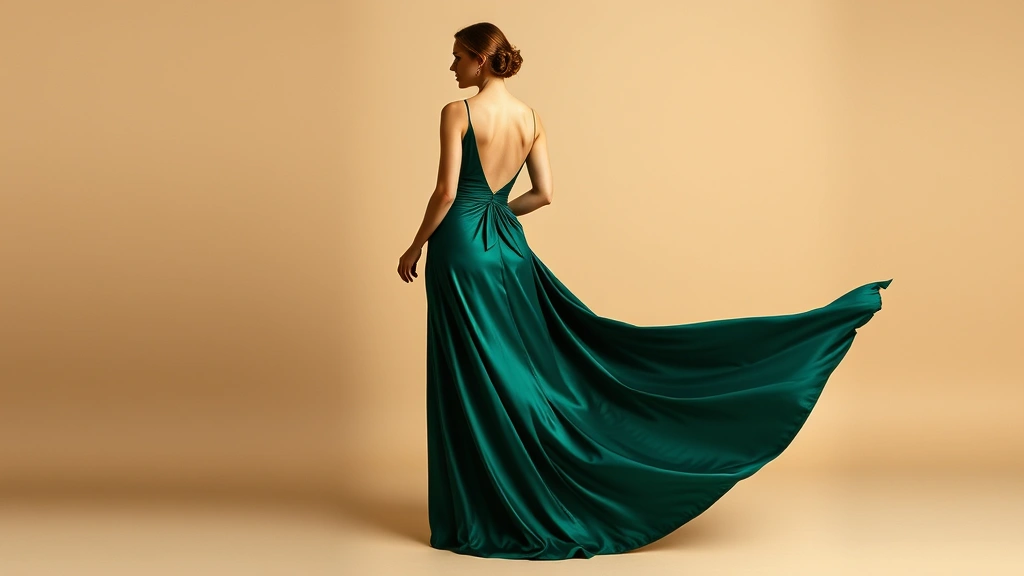
The silhouettes defining 1930s fashion trends established design principles still recognized as quintessentially elegant. The bias-cut gown represents the era’s most iconic creation—a floor-length design that skimmed the body’s curves with unprecedented grace. These gowns, typically featuring deep V-necklines, open backs, and dramatic draping, embodied a sophisticated sensuality that remains unmatched in fashion history.
Key silhouette features included:
- Bias-cut evening gowns: Creating fluid, body-hugging designs that moved gracefully with the wearer
- Slip dresses: Minimalist slips worn as standalone garments, pioneering modern slip-dress aesthetics
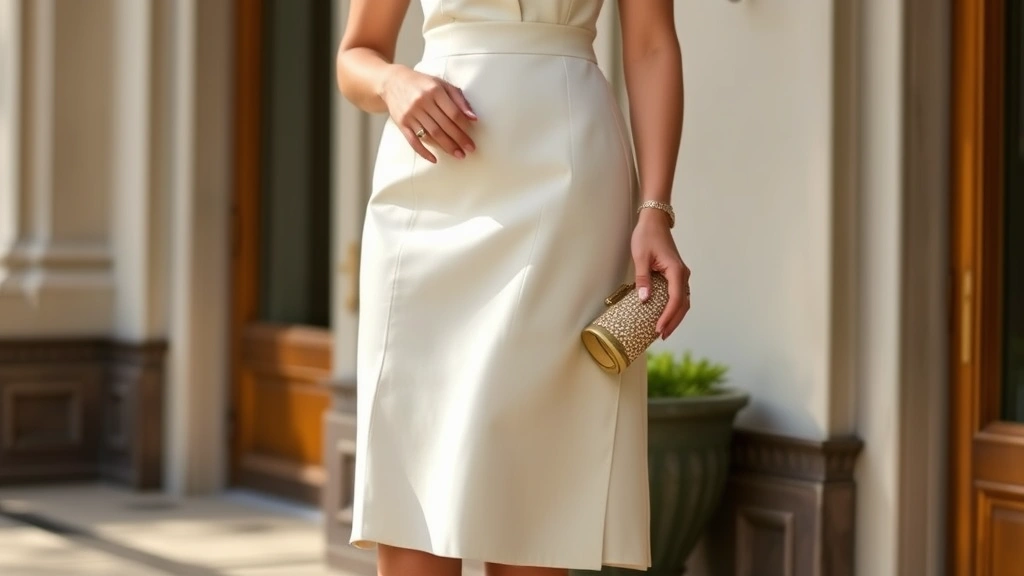
- Tailored day dresses: Structured, knee-length dresses with defined waistlines and refined proportions
- Wide-leg trousers: High-waisted pants that created elegant, elongated silhouettes
- Structured jackets: Shoulder-enhancing blazers that introduced architectural elements to womenswear
The decade also popularized the dropped waistline positioned at the natural hip, creating a longer torso line that became synonymous with 1930s elegance. Necklines varied dramatically—from conservative high collars for daywear to daring backless and plunging designs for evening occasions. Sleeves ranged from short and fitted to dramatic batwing cuts that added movement and visual interest.
Exploring various fashion types reveals how 1930s silhouettes influenced contemporary design across multiple categories. From haute couture to ready-to-wear, designers consistently reference the decade’s proportional sophistication and refined construction techniques.
Fabric Innovation and Textile Excellence
The 1930s witnessed revolutionary developments in textile technology that transformed fashion design possibilities. The invention of rayon, marketed as “artificial silk,” democratized luxury by providing an affordable alternative to genuine silk while maintaining elegant drape and lustrous appearance. This innovation proved transformative, allowing middle-class consumers to access fabrics previously reserved for the wealthy.
Premium fabrics dominating 1930s fashion included:
- Silk charmeuse: A lustrous, fluid fabric perfect for bias-cut evening gowns
- Crepe: A textured fabric with subtle movement, ideal for sophisticated daywear
- Satin: Dense, glossy fabric used for evening wear and luxurious garment linings
- Wool jersey: A soft, stretchy knit providing comfort while maintaining structure
- Lace: Delicate lace overlays and insertions added romantic, feminine details
- Lamé: Metallic-threaded fabric creating glamorous evening wear
Contemporary designers recognize that 1930s textile choices reflected both innovation and craftsmanship. Modern luxury brands now reproduce period-appropriate fabrics, understanding that material quality significantly impacts how vintage-inspired designs perform and age. The resurgence of 1930s fashion trends directly correlates with renewed appreciation for natural fibers, sustainable textiles, and garment longevity—values the 1930s exemplified through construction quality and material investment.
Color Palettes and Aesthetic Influences
The 1930s color palette ranged from sophisticated neutrals to jewel tones, reflecting both economic realities and aesthetic preferences. Daywear typically featured neutral, practical colors—blacks, grays, taupes, and creams—that provided versatility and professional appearance. Evening wear, conversely, embraced dramatic jewel tones: emerald green, sapphire blue, ruby red, and rich burgundy.
Signature 1930s colors included:
- Black: The quintessential sophisticated color, used for elegant day dresses and evening gowns
- Ivory and cream: Romantic, feminine alternatives to stark white
- Deep jewel tones: Emerald, sapphire, and amethyst dominated evening wear
- Gold and silver: Metallic tones featured prominently in lamé fabrics and decorative elements
- Burgundy: A rich, sophisticated wine tone appearing frequently in quality daywear
- Navy: A practical, elegant choice for tailored suits and day dresses
The decade also embraced color blocking and contrasting trim details, where solid-colored garments featured contrasting piping, buttons, or insert panels. This design approach added visual interest while maintaining sophisticated simplicity. Understanding different fashion styles demonstrates how color psychology evolved throughout fashion history, with the 1930s representing a pivotal moment where color choices communicated social status, occasion appropriateness, and personal sophistication.
Modern Designers Embracing 1930s Aesthetics
Contemporary fashion’s 1930s resurgence reflects deliberate creative choices by renowned designers seeking authenticity and timeless elegance. Vogue regularly features collections inspired by 1930s silhouettes, documenting how modern designers reinterpret vintage aesthetics for contemporary audiences. Luxury houses including Gucci, Valentino, and Ralph Lauren have explicitly referenced 1930s design principles in recent collections.
Key designers influencing the 1930s resurgence include:
- Contemporary couture houses: Replicating bias-cut construction and Art Deco details
- Sustainable fashion brands: Using 1930s as inspiration for timeless, investment-worthy pieces
- Independent designers: Creating bespoke 1930s-inspired garments for style-conscious consumers
- Vintage-focused retailers: Offering authentic period pieces and quality reproductions
The resurgence reflects broader industry recognition that 1930s design principles address contemporary fashion challenges. As consumers increasingly reject fast fashion, the decade’s emphasis on quality construction, flattering silhouettes, and enduring elegance offers solutions. Modern designers understand that 1930s garments, when properly constructed, remain relevant across decades—a stark contrast to trend-driven contemporary fashion.
Fashion theorists and trend forecasters emphasize that the 1930s resurgence represents more than nostalgia; it reflects cultural values prioritizing authenticity, craftsmanship, and sustainable consumption. By embracing 1930s aesthetics, contemporary designers communicate commitment to these principles.
Styling 1930s Trends for Contemporary Wardrobes
Successfully integrating 1930s fashion trends into modern wardrobes requires understanding how vintage aesthetics translate to contemporary contexts. The key lies in balancing period authenticity with current sensibilities, creating cohesive looks that feel both timeless and present-day.
Essential styling approaches include:
- Mix vintage with modern: Pair a 1930s-inspired slip dress with contemporary sneakers or modern jewelry
- Adapt silhouettes: Incorporate bias-cut elements into knee-length dresses rather than exclusively floor-length gowns
- Accessorize deliberately: Use period-appropriate accessories to enhance vintage-inspired pieces
- Layer strategically: Add contemporary cardigans or blazers over vintage-inspired dresses
- Consider occasion: Reserve full 1930s aesthetics for formal events while incorporating elements into casual wear
Learning how to find your personal style proves invaluable when incorporating 1930s trends. The decade’s emphasis on individual expression through refined elegance aligns perfectly with contemporary personal style development. Rather than following trends blindly, the 1930s approach encourages selecting pieces that flatter your body and reflect your aesthetic preferences.
For daywear, consider tailored day dresses in neutral colors, paired with modern accessories and footwear. Evening wear offers greater opportunity for full 1930s immersion—bias-cut slips, dramatic necklines, and jewel-tone fabrics create authentic period looks appropriate for formal occasions. The key is confidence; 1930s aesthetics exude sophistication when worn with conviction.
Accessories and Finishing Touches
Accessories played crucial roles in completing 1930s ensembles, transforming garments from simple to sophisticated. Understanding period-appropriate accessories enhances authenticity when styling 1930s-inspired outfits.
Essential 1930s accessories included:
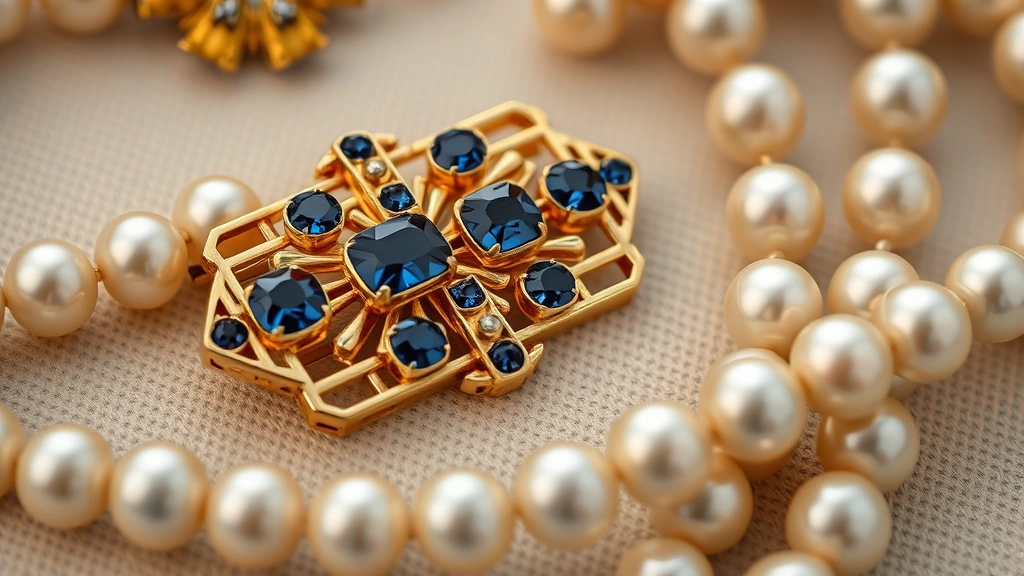
- Long strands of pearls: Multiple pearl necklaces worn at varying lengths created elegant, sophisticated looks
- Art Deco jewelry: Geometric, streamlined designs featuring precious stones and metals
- Gloves: Long kid leather or silk gloves extended arm lines elegantly
- Headpieces: Beaded headbands, small fascinators, and decorative combs adorned hair
- Clutch purses: Small, structured bags in leather, beaded fabric, or metal frames
- T-strap shoes: Elegant heels with distinctive T-shaped straps across the instep
- Fur stoles: Luxurious fur wraps added glamour to evening wear
Modern styling incorporating 1930s accessories requires thoughtfulness. Rather than recreating entire period looks, contemporary fashion strategically selects key accessories—perhaps long pearl necklaces or Art Deco jewelry—to accent modern outfits. This approach honors the decade’s aesthetic while maintaining current relevance.
Hair and makeup also completed 1930s looks. Sleek, finger-waved hair styles, dramatic eye makeup with defined brows, and deep red lip colors defined the era’s beauty standards. Contemporary interpretations adapt these elements: modern waves rather than strict finger waves, subtle eye makeup rather than heavily defined eyes.
Sustainability and Vintage Collecting
The 1930s fashion resurgence intersects meaningfully with sustainability concerns, as vintage and vintage-inspired pieces represent alternatives to disposable fast fashion. Original 1930s garments, when properly preserved, demonstrate remarkable longevity—many pieces remain wearable nearly a century after creation, testament to superior construction and quality materials.
Collecting authentic 1930s pieces requires knowledge and discernment:
- Authenticate garments: Examine construction techniques, fabric content, and labels to verify authenticity
- Assess condition: Evaluate wear, stains, repairs, and structural integrity
- Understand sizing: 1930s sizing differs significantly from contemporary measurements
- Invest in quality: Focus on well-made pieces likely to withstand wearing and cleaning
- Preserve properly: Store garments in appropriate conditions to prevent deterioration
Visiting StyleLoom Daily Blog provides ongoing insights into vintage fashion trends and sustainable style practices. The blog explores how historical fashion informs contemporary choices, helping readers make intentional wardrobe decisions.
Fashion institutes and academic institutions increasingly emphasize vintage fashion’s sustainability implications. Fashion education programs teach students that understanding historical design principles enables creating enduring contemporary pieces. The 1930s exemplify this principle—garments designed with quality, proportion, and timelessness in mind transcend decades of fashion evolution.
Exploring comprehensive fashion style guides reveals how vintage aesthetics integrate into contemporary wardrobes sustainably. Rather than purchasing new pieces constantly, incorporating vintage-inspired or authentic vintage items creates distinctive, environmentally conscious style.
FAQ
What makes 1930s fashion trends relevant today?
1930s fashion emphasizes timeless silhouettes, quality construction, and refined elegance—principles directly addressing contemporary fashion’s sustainability challenges. The decade’s design philosophy prioritizes garments that flatter diverse body types and remain relevant across years, making it exceptionally applicable to modern wardrobes seeking longevity over trend-driven consumption.
How can I incorporate 1930s trends without looking costumey?
Balance period elements with contemporary pieces. Pair a bias-cut slip dress with modern sneakers, or add Art Deco jewelry to a current outfit. The key is selective integration rather than full period recreation. Modern styling sensibilities prevent 1930s-inspired pieces from appearing theatrical or historically inaccurate.
Where can I find authentic 1930s garments?
Reputable vintage retailers, estate sales, and specialized online platforms offer authenticated 1930s pieces. Verify authenticity through construction examination, label research, and condition assessment. Investment in quality vintage pieces provides enduring style and sustainability benefits.
What body types does 1930s fashion flatter?
1930s silhouettes, particularly bias-cut designs, complement numerous body types by following natural curves rather than imposing rigid shapes. The decade’s emphasis on individual proportions rather than one-size-fits-all standards makes 1930s aesthetics accessible and flattering across diverse figures.
How do I care for vintage 1930s garments?
Store pieces in acid-free tissue, avoid direct sunlight, and maintain appropriate humidity levels. Clean garments professionally, using gentle methods appropriate to delicate fabrics. Proper preservation ensures vintage pieces remain wearable and maintain value for decades.
Are there sustainable alternatives to authentic vintage 1930s pieces?
Contemporary designers increasingly produce high-quality 1930s-inspired pieces using modern sustainable fabrics and ethical production practices. These pieces capture the decade’s aesthetic while offering new construction and sizing advantages, providing excellent alternatives for those unable to source or afford authentic vintage items.