1930s Fashion Guide: Vintage Expert Insights
The 1930s represent one of fashion’s most transformative decades, a period when elegance met economic reality and silhouettes evolved dramatically from the previous era. As the Great Depression reshaped society, fashion became both an escape and a statement—designers crafted garments that offered sophistication without ostentation, proving that style transcends financial circumstances. This golden age of Hollywood glamour, art deco influence, and refined tailoring continues to inspire contemporary designers and fashion enthusiasts who seek timeless elegance.
Whether you’re a vintage collector, a fashion historian, or someone looking to incorporate 1930s elements into your modern wardrobe, understanding this era’s distinctive characteristics is essential. The 1930s fashion movement introduced silhouettes that prioritized fluidity, bias-cut dresses, and streamlined designs that contrasted sharply with the dropped waistlines of the 1920s. From the silver screen to the streets, 1930s fashion embodied a philosophy that less could indeed be more, creating an aesthetic that remains remarkably relevant today.
This comprehensive guide explores the defining elements of 1930s fashion, from women’s wear to men’s clothing, accessories, and the cultural influences that shaped this remarkable period. Whether you’re interested in learning about 1920s men’s fashion evolution or discovering how to find your personal style through vintage inspiration, this exploration will deepen your appreciation for this elegant decade.
Women’s Silhouettes and Dresses
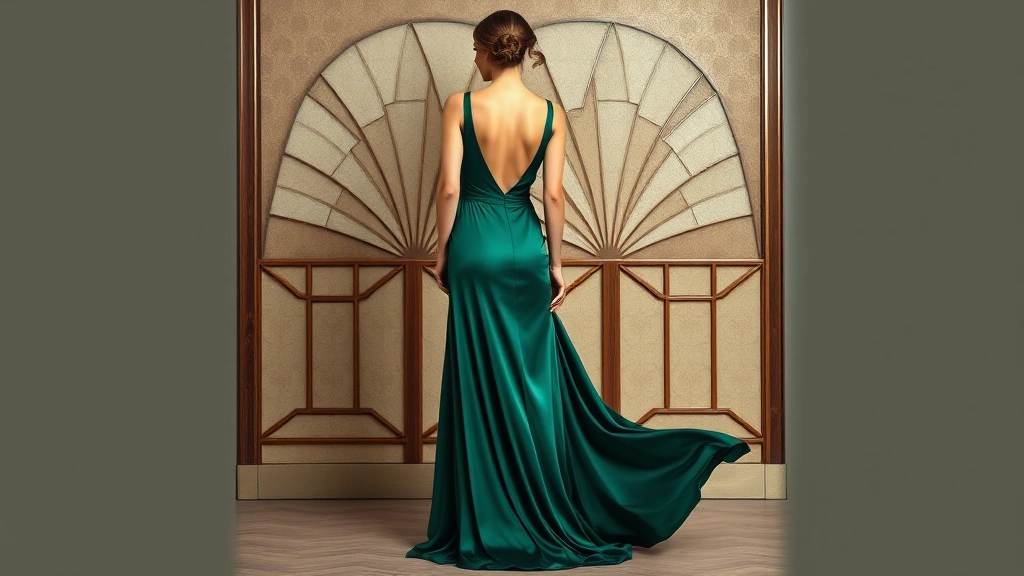
The 1930s witnessed a revolutionary shift in women’s fashion silhouettes that moved away from the boyish, androgynous look of the 1920s. The decade introduced a return to femininity, but with a modern twist—designers celebrated curves while maintaining an elongated, streamlined appearance. The most iconic innovation was the bias-cut dress, pioneered by the legendary Vogue-featured designer Madeleine Vionnet, which created a sensual drape that hugged the body’s natural contours without restricting movement.
Evening gowns became the epitome of 1930s elegance, featuring floor-length designs with sophisticated back details, including plunging necklines and strategically placed cutouts. These gowns often incorporated luxurious fabrics that allowed for graceful movement, making them perfect for the era’s glamorous social events. Daytime dresses, meanwhile, featured modest hemlines that fell just below the knee and typically included simple, elegant construction that emphasized quality over ornamentation.
The slip dress emerged as a staple during this period, offering a minimalist approach to fashion that proved both practical and chic. These sleek, often bias-cut garments could be worn alone or layered with jackets and wraps, demonstrating the versatility that 1930s fashion valued. The silhouette prioritized a natural waistline, returning to a more defined shape after the shapeless styles of the previous decade. This transition marked a significant moment in fashion history when designers began recognizing that femininity could coexist with modernity.
Day dresses in the 1930s often featured functional elements like puffed sleeves, decorative buttons, and subtle pleating that added visual interest without compromising the streamlined aesthetic. Many incorporated white collar and cuff details, drawing inspiration from menswear tailoring. For those interested in exploring how different fashion styles have evolved, the 1930s provides an excellent case study in how social circumstances influence design choices.
Materials and Fabrics
The fabric choices of the 1930s reflected both technological advancement and economic pragmatism. Silk remained the fabric of choice for evening wear and special occasions, particularly for bias-cut dresses that required material with inherent fluidity. The sheen and drape of silk made it ideal for creating the sophisticated silhouettes that defined the era. Designers also extensively used satin, which offered similar qualities and often featured a lustrous finish that caught light beautifully.
For everyday wear, cotton and linen became increasingly popular, particularly for daytime dresses and casual garments. These natural fibers were affordable, breathable, and practical—qualities that resonated with consumers navigating the economic challenges of the Great Depression. Rayon, a semi-synthetic fiber developed earlier but perfected during the 1930s, provided an accessible alternative to silk, offering similar drape and sheen at a fraction of the cost.
Wool fabrics played an important role in 1930s fashion, particularly for suits, coats, and tailored pieces that would become essential components of the decade’s aesthetic. The quality of wool during this period allowed for sophisticated draping and structure that contributed to the polished appearance characteristic of 1930s style. Jersey fabric also gained popularity, particularly for knit dresses and sportswear, reflecting the era’s growing emphasis on comfort alongside elegance.
Luxury fabrics like chiffon, crepe, and taffeta appeared frequently in evening wear, each contributing unique qualities to the silhouettes designers created. Chiffon’s ethereal nature made it perfect for layered evening gowns, while crepe’s subtle texture added sophistication to simpler designs. The careful selection of materials demonstrated that 1930s fashion designers understood how fabric choice directly impacted the overall aesthetic and wearability of their creations.
Men’s Fashion in the 1930s
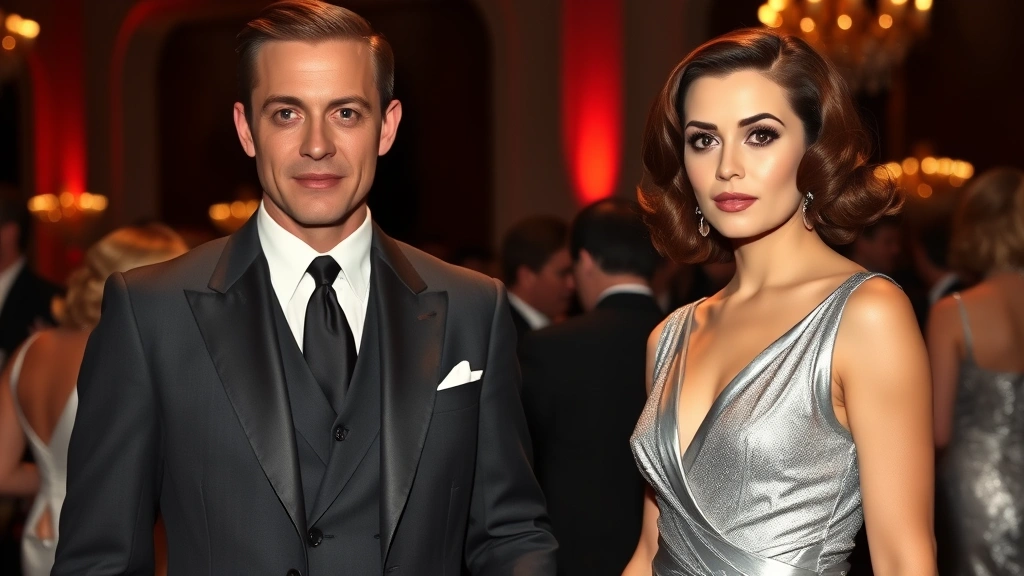
Men’s fashion during the 1930s evolved with greater subtlety than women’s wear, but the changes were nonetheless significant. The decade saw a refinement of the three-piece suit, which remained the cornerstone of men’s formal and business wardrobes. These suits featured broader shoulders, longer jackets, and fuller trousers compared to the previous decade, creating a more substantial silhouette that projected authority and stability during uncertain economic times.
The transition from 1920s men’s fashion to 1930s style involved moving away from the excessively wide trousers and high waistbands of the earlier period. 1930s trousers featured more moderate widths and lower rises, creating a sleeker line that emphasized the lengthened silhouette designers favored. Pleats at the waistband became standard, providing comfort and allowing for more relaxed tailoring while maintaining a polished appearance.
Casual wear for men expanded considerably during the 1930s, reflecting changing social attitudes and lifestyle patterns. Sports jackets and blazers became acceptable for informal occasions, offering an alternative to full suits. These jackets often featured patch pockets and notched lapels, contributing to a more relaxed yet still refined aesthetic. The evolution of men’s fashion casual wear has roots firmly planted in this 1930s innovation.
Shirts during this era typically featured pointed collars or spread collars and came in various patterns including stripes, checks, and solids. Neckties became narrower compared to the 1920s, often featuring geometric patterns or subtle designs. Accessories like pocket squares, cufflinks, and suspenders remained important elements of a gentleman’s wardrobe, though they were worn with greater restraint than in previous decades.
Outerwear for men included overcoats, topcoats, and raincoats that featured streamlined cuts reflecting the era’s overall aesthetic direction. These coats typically extended to just below the knee and featured notched lapels and natural shoulders. The quality of tailoring during this period was exceptional, as skilled craftsmen created garments built to last, reflecting values that resonate with today’s fashion style consciousness about sustainability and quality.
Accessories and Jewelry
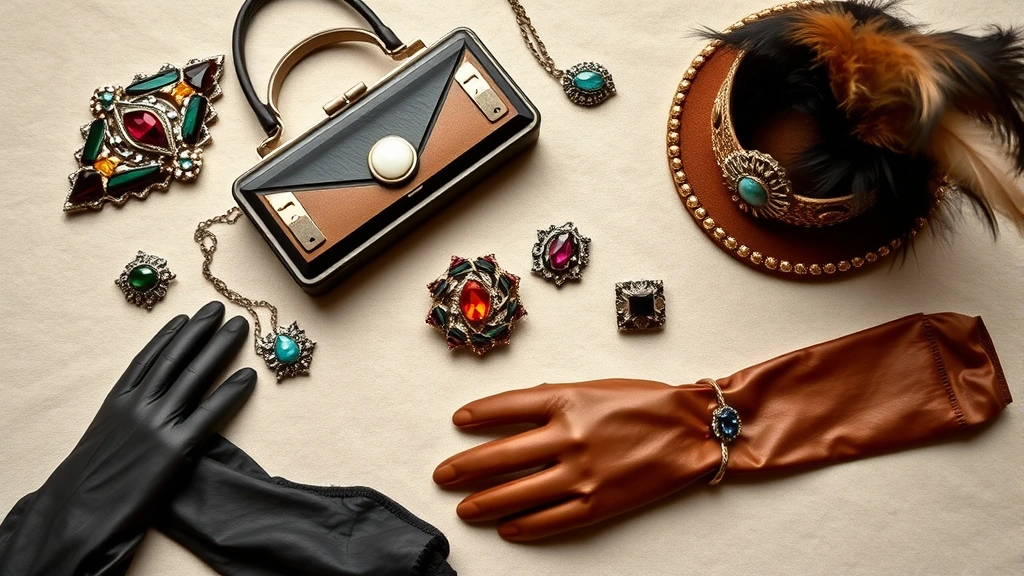
Accessories in the 1930s played a crucial role in completing the era’s sophisticated aesthetic. Hats remained essential for both men and women, with women favoring small, close-fitting styles like cloches, berets, and turbans that complemented the streamlined silhouettes of the period. Wide-brimmed hats also appeared, particularly for daytime wear, often featuring feathers, ribbons, or subtle embellishments.
Jewelry during the 1930s reflected the Art Deco influence that dominated design across all disciplines. Geometric patterns, bold colors, and innovative use of materials characterized jewelry of the era. Brooches, bracelets, and earrings featured streamlined designs, often incorporating materials like chrome, glass, and bakelite alongside traditional precious metals and stones. The Art Deco movement documented by Harper’s Bazaar significantly influenced jewelry aesthetics throughout the decade.
Handbags became more structured and purposeful during the 1930s, with designs featuring clean lines and practical compartments. Materials included leather, suede, and fabric, with many bags featuring metal frames and clasps. Evening bags were often smaller and more ornate, sometimes incorporating beading or embroidery, while day bags emphasized functionality and understated elegance.
Shoes for women featured closed toes and moderate heels, with many styles incorporating ankle straps or T-bar designs. Evening shoes were often more decorative, featuring beading, rhinestones, or metallic finishes. Men’s shoes maintained classic styles including oxfords, loafers, and brogues, typically in leather and available in neutral colors like black, brown, or oxblood.
Gloves remained an important accessory for both genders, with women wearing long gloves for evening events and shorter styles for daytime wear. Scarves added versatility to wardrobes, functioning as both practical and decorative elements. Stockings for women were an essential component of the complete look, typically featuring reinforced seams and available in neutral shades that complemented the era’s color palette.
Makeup and Hairstyles
The 1930s represented a significant evolution in makeup aesthetics compared to the dramatic, heavy makeup of the 1920s. The ideal complexion featured a matte finish achieved through powder and foundation, with emphasis placed on creating a natural, refined appearance. Eyebrows became less severely plucked than in the previous decade, adopting a more natural arch that followed the brow bone’s natural line. Eye makeup featured subtle application of eyeshadow in neutral tones, with mascara applied to create defined lashes.
Lipstick remained a focal point of makeup, but shades shifted from the bright reds and purples of the 1920s toward deeper reds, burgundies, and wine tones that conveyed sophistication. The application emphasized a well-defined lip line, often using a lip liner to create precise edges. Blush was applied subtly to the apples of the cheeks, creating a soft, youthful glow rather than the dramatic color placement of the previous era.
Hairstyles during the 1930s moved away from the severely bobbed cuts of the 1920s toward longer, more feminine styles. The permanent wave, or perm, became increasingly popular, allowing women to achieve voluminous waves and curls that remained in place. Pin curls were another method for creating waves, with women setting their hair before bed to achieve the desired effect. The most iconic hairstyle featured waves that framed the face, often with hair swept away from the forehead and gathered at the nape in a low knot or roll.
Finger waves, created through careful setting and styling, provided another popular option for achieving the era’s preferred aesthetic. These waves typically covered the entire head, creating a sculptural quality that complemented the streamlined silhouettes of 1930s fashion. The Marcel wave, named after the inventor of the original wave-setting tool, remained popular throughout the decade. Men’s hairstyles featured slicked-back styles achieved with pomade or hair oil, creating a polished, controlled appearance.
The overall approach to beauty during the 1930s emphasized refinement and understated elegance, reflecting broader cultural shifts toward sophistication and away from the rebellion-tinged aesthetics of the previous decade. This philosophy of beauty aligned perfectly with the era’s fashion style principles, creating a cohesive visual language that defined the period.
Color Palette and Patterns
The 1930s color palette reflected both the era’s aesthetic preferences and economic circumstances. Neutral tones including black, white, gray, and beige dominated everyday wear, offering versatility and practicality. These neutral foundations allowed for easy mix-and-match coordination, an important consideration during the Great Depression when most people owned fewer garments. Navy blue and burgundy provided classic alternatives to black, appearing frequently in suits, coats, and dresses.
For evening wear and special occasions, designers embraced richer colors including emerald green, sapphire blue, deep purple, and wine red. These jewel tones conveyed luxury and sophistication, making them popular choices for gowns worn to formal events. Metallic colors including silver and gold appeared in evening wear, often achieved through beading, sequins, or lamé fabrics that caught light dramatically.
Pastels including soft pink, pale blue, and cream appeared in daytime wear, particularly for spring and summer garments. These lighter colors offered a refreshing alternative to darker winter tones while maintaining the era’s emphasis on elegance. Pattern work during the 1930s included geometric designs reflecting the Art Deco influence, as well as floral prints that maintained understated sophistication.
Polka dots appeared frequently in 1930s fashion, often in contrasting color combinations that added visual interest without overwhelming the streamlined silhouettes. Stripes in various widths provided another popular pattern option, particularly in casual and sportswear. Plaid and tartan patterns appeared in tailored pieces and sportswear, contributing to the era’s refined aesthetic. The careful use of color and pattern demonstrated the 1930s philosophy that design excellence came from restraint and intentionality rather than excess.
Hollywood’s Influence on 1930s Fashion
Hollywood’s golden age coincided with the 1930s, creating an unprecedented cultural phenomenon that profoundly influenced fashion worldwide. Vogue and other fashion publications regularly featured clothing worn by movie stars, making film a primary source of fashion inspiration for the general public. Actresses like Greta Garbo, Joan Crawford, Katharine Hepburn, and Marlene Dietrich became style icons whose wardrobes were studied and emulated by millions.
Film studios employed costume designers who created elaborate wardrobes for their stars, and these designs often influenced ready-to-wear fashion. Designer collaborations between Hollywood and the fashion industry became increasingly common, with major fashion houses creating pieces inspired by or directly related to film costumes. The glamour associated with cinema elevated fashion to new heights, making style aspirational and creating a direct connection between the silver screen and everyday wardrobes.
The 1930s saw the rise of fashion journalism dedicated to analyzing and promoting Hollywood style. Magazines featured extensive coverage of film premieres, award ceremonies, and behind-the-scenes costume creation, positioning movie stars as the ultimate arbiters of taste. This cultural phenomenon democratized fashion, as designs inspired by expensive couture pieces were quickly adapted for mass production, making 1930s style accessible to broader audiences.
The influence extended beyond individual garments to encompass entire aesthetic philosophies. Hollywood’s emphasis on glamour, sophistication, and refined elegance aligned perfectly with 1930s fashion values. The relationship between cinema and fashion during this period established patterns that continue today, demonstrating how entertainment and style remain inextricably linked. For those interested in understanding how different fashion styles develop and spread, the Hollywood-fashion connection of the 1930s provides essential context.
The studio system’s control over star images meant that costume designers had significant influence over what audiences perceived as fashionable. The Smithsonian Institution’s fashion archives document how specific films introduced silhouettes and styles that became dominant trends. This symbiotic relationship between cinema and fashion created a feedback loop where films influenced fashion, which then influenced subsequent film production, creating a dynamic cycle that shaped the era’s visual culture.
The Style Loom Daily Blog explores how historical fashion movements continue influencing contemporary design, and the 1930s Hollywood-fashion connection remains one of the most significant examples of entertainment’s power to shape style. Understanding this relationship provides valuable insights into how trends develop and spread in our current era of social media and celebrity culture.
FAQ
What were the main differences between 1920s and 1930s fashion?
The 1920s featured a boyish, androgynous silhouette with dropped waistlines and straight, shapeless dresses. The 1930s returned to femininity with bias-cut dresses that hugged natural curves, defined waistlines, and elongated silhouettes. Color and pattern also became more restrained in the 1930s, emphasizing quality and elegance over the decorative excess of the previous decade.
How can I incorporate 1930s fashion into my modern wardrobe?
Start with key pieces like bias-cut slip dresses, tailored trousers, and structured blazers. Add vintage jewelry featuring Art Deco designs, incorporate neutral color palettes with occasional jewel tones, and consider hairstyles with waves or finger waves. Accessories like vintage hats, gloves, and structured handbags complete the look. For guidance on integrating vintage elements, explore how to find your personal style through historical inspiration.
What fabrics were most commonly used in 1930s fashion?
Silk and satin dominated evening wear, while cotton, linen, and wool were popular for everyday garments. Rayon provided an affordable silk alternative, and jersey became increasingly common for sportswear and casual dresses. Luxurious fabrics like chiffon, crepe, and taffeta appeared frequently in evening wear, chosen specifically for their draping properties.
Were hats really worn every day in the 1930s?
Yes, hats were essential accessories for both men and women throughout the 1930s. Women wore close-fitting styles like cloches, berets, and turbans for everyday wear, with more elaborate designs for special occasions. Men typically wore fedoras, homburgs, or trilbies. Hat wearing was not merely fashionable but considered a social necessity for respectability.
How did the Great Depression influence 1930s fashion?
Economic hardship led to an emphasis on quality over quantity, with people investing in well-made pieces designed to last. Designers created versatile garments that could be mixed and matched, and neutral color palettes dominated everyday wear. The focus on elegant simplicity rather than excessive ornamentation reflected both economic necessity and a cultural shift toward refined aesthetics.
What role did bias-cutting play in 1930s fashion?
Bias-cutting revolutionized 1930s fashion by allowing fabric to drape along the body’s natural contours, creating sensual silhouettes without restrictive tailoring. This technique, pioneered by Madeleine Vionnet, required exceptional skill and premium fabrics but produced garments of unparalleled elegance. Bias-cut dresses became synonymous with 1930s luxury and sophistication.
How important were accessories in completing a 1930s outfit?
Accessories were absolutely crucial to achieving an authentic 1930s look. Hats, gloves, jewelry, handbags, and shoes were not optional additions but essential components that completed the overall aesthetic. Art Deco jewelry, structured handbags, and coordinated accessories demonstrated that attention to detail and thoughtful styling were hallmarks of 1930s fashion philosophy.