How to Rock 1920s Suits: Vintage Style Guide
The 1920s represented a transformative era in fashion history, particularly for menswear and those daring enough to challenge gender norms through clothing. The decade’s suits weren’t merely garments—they were statements of rebellion, prosperity, and modernity. Whether you’re drawn to the timeless appeal of vintage aesthetics or seeking to incorporate classic tailoring into your contemporary wardrobe, mastering 1920s suit fashion offers endless possibilities for sophisticated self-expression.
The Jazz Age suit has experienced a remarkable resurgence in recent years, captivating fashion enthusiasts, vintage collectors, and style-conscious individuals worldwide. From high-fashion runways to speakeasy-themed events, the silhouette and construction of 1920s suiting continues to influence modern designers and trendsetters. This comprehensive guide explores how to authentically embrace this iconic era while adapting it to your personal aesthetic and lifestyle.
Understanding the nuances of 1920s suit construction, fabric choices, and styling techniques will empower you to create authentic looks that honor the decade’s spirit while feeling fresh and wearable today. Let’s dive into the elements that made these suits legendary and discover how you can rock this vintage style with confidence.
Understanding 1920s Suit Silhouette and Construction
The 1920s suit emerged from a fascinating intersection of practicality, social change, and artistic innovation. Unlike the heavily structured Victorian suits that preceded them, Jazz Age tailoring embraced a more relaxed, elongated silhouette that reflected the era’s progressive attitudes. The characteristic drop in shoulder seams, the looser fit through the chest, and the slightly higher button stance created a distinctly modern appearance that departed radically from previous decades.
The jacket of a proper 1920s suit featured a notably straight cut with minimal waist suppression. This relaxed construction wasn’t accidental—it represented a democratic shift in fashion, making suits more comfortable and accessible while maintaining impeccable tailoring standards. The lapels were typically notched or peaked, with peak lapels becoming increasingly popular as the decade progressed. Sleeve length reached just to the wrist bone, a standard that remains relevant in contemporary menswear and womenswear tailoring.
One distinguishing characteristic of authentic 1920s suiting involved the jacket length, which typically fell just below the knee, particularly in the early part of the decade. As the twenties progressed, hemlines shortened slightly, reflecting the overall trend toward more streamlined silhouettes. Understanding this evolution helps when developing your personal vintage aesthetic, as you can choose pieces that align with your preferred era within the decade.
The construction techniques employed by 1920s tailors differed significantly from both earlier and later periods. Hand-stitching predominated, creating subtle variations that gave each suit individual character. The lapels were often lightly interfaced, allowing them to fall naturally and create soft, organic lines. Buttons were typically larger than contemporary standards, often fashioned from bone, horn, or mother-of-pearl, serving both functional and aesthetic purposes.
Fabric Selection and Color Palettes
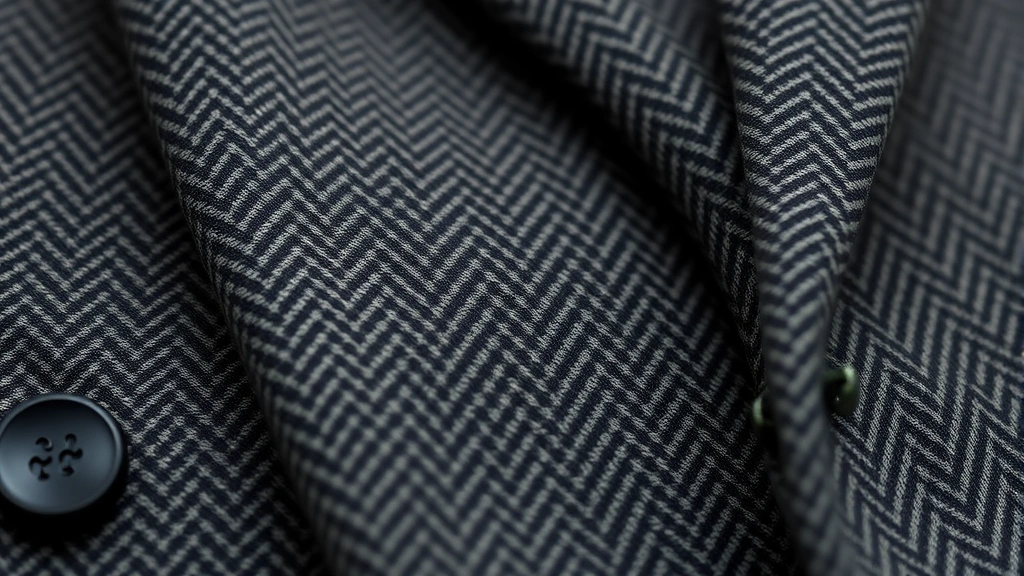
1920s suit fabrics reflected both the prosperity of the era and the technological advances in textile manufacturing. Wool remained the dominant fiber, prized for its durability, drape, and thermal properties. Quality 1920s suiting featured tightly woven wool with excellent weight and substance—typically ranging from 12 to 16 ounces for optimal structure and longevity. The weave construction often included subtle patterns like herringbone, tweed, or glen checks that added visual interest without overwhelming the sophisticated silhouette.
Color palettes during this decade ranged from conservative to boldly experimental depending on the occasion and social context. Business suits typically featured conservative tones: charcoal gray, navy blue, dark brown, and black dominated professional wardrobes. However, the Jazz Age also embraced more adventurous hues, particularly in lighter weights suitable for spring and summer wear. Lighter grays, soft browns, muted greens, and even subtle plaid patterns appeared in social and recreational suiting.
Pattern selection deserves particular attention when sourcing 1920s suits. Solid colors maintained dominance, but subtle patterning through weave construction—rather than printed designs—characterized the era. Small-scale checks, fine herringbones, and understated plaids provided visual texture while maintaining the refined aesthetic the decade celebrated. Avoid heavily printed patterns or modern fabric treatments when seeking authenticity; the 1920s favored quality materials that showcased expert tailoring rather than dramatic visual statements.
The introduction of tropical weight wools and blended fabrics expanded options for year-round suiting. Some suits incorporated linen blends or pure linen for summer wear, offering breathability and a slightly more relaxed appearance than traditional wool suiting. When selecting fabrics for your 1920s inspired wardrobe, prioritize natural fibers and quality construction—these elements directly impact how authentically the suit captures the era’s essence.

Key Components: Jackets, Vests, and Trousers
The three-piece suit represented the gold standard of 1920s formal dressing, with the vest playing an essential role in the overall aesthetic. The vest, or waistcoat, featured a deeper cut than modern versions, often extending lower on the torso and providing substantial coverage over the shirt front. Vests frequently displayed pattern or color variation, offering an opportunity for personality within formal dressing codes. Brocade, jacquard, and patterned fabrics in complementary or contrasting colors were common choices, particularly for evening wear.
Trouser construction in the 1920s differed notably from contemporary standards. The high waistband, typically positioned at or above the natural waist, created the characteristic silhouette of the era. Trousers featured a straight cut through the leg with minimal taper, culminating in a break at the shoe that ranged from slight to pronounced depending on personal preference and regional variations. Cuffs became increasingly popular as the decade progressed, with two-inch cuffs becoming standard on quality suiting by the late 1920s.
The rise of the trouser—the distance from the crotch to the waistband—was considerably higher in 1920s suiting than modern standards. This high rise created elegant proportions and influenced the overall silhouette, contributing to the streamlined appearance that defined the era. The seat of the trousers was cut fuller than contemporary tailoring, providing comfort while maintaining a refined appearance. Understanding these proportional differences proves crucial when adapting vintage pieces to modern wardrobes.
Jacket pockets in 1920s suits typically featured flapped designs, with the flaps providing visual interest and functional protection. Patch pockets appeared less frequently than flapped versions, though some casual suiting incorporated them. The number of buttons varied—three-button jackets became increasingly common during the twenties, though two-button and four-button versions existed depending on the suit’s formality level and intended purpose.
The shoulder construction deserves special mention, as it fundamentally shaped the 1920s silhouette. Natural shoulders with minimal padding created a softer, more relaxed line compared to the heavily structured shoulders that would emerge in subsequent decades. This construction required exceptional skill to achieve proper drape and structure, demonstrating the high caliber of tailoring the era demanded. When evaluating vintage pieces or modern reproductions, examine the shoulder line carefully—authentic 1920s construction exhibits subtle, refined proportions.
Accessorizing Your 1920s Suit
Completing a 1920s suit ensemble requires thoughtful accessory selection that respects the era’s aesthetic while reflecting your personal style. The necktie became increasingly important during this period, serving as a primary vehicle for color and pattern expression within formal dressing codes. Silk ties in solid colors, subtle patterns, and artistic designs complemented suits beautifully. Wide ties—measuring approximately 3.5 to 4 inches at the widest point—were standard, with knots tied to sit snugly against the collar without excessive bulk.
Pocket watches and watch chains added functional elegance to 1920s formal wear. A quality pocket watch secured by a chain or fob, often adorned with a decorative clasp, demonstrated sophistication and attention to detail. Modern interpretations might incorporate a vintage pocket watch or vintage-inspired timepiece for authentic flair without requiring actual pocket chain functionality.
Shoes played a crucial role in completing the 1920s look. Oxford shoes in black, brown, or burgundy leather provided the standard choice for formal occasions. Two-tone shoes, featuring contrasting leather panels in black and white or brown and white combinations, represented a distinctly 1920s aesthetic particularly popular for less formal daytime wear. Spats—decorative coverings over the ankle and lower calf—added another layer of sophisticated detail, though they gradually fell out of favor as the decade progressed.
Hats completed the 1920s ensemble with essential style and practicality. Fedoras, homburgs, and trilbies in felt or straw provided appropriate headwear depending on the season and occasion. The hat brim’s angle, crown height, and band details offered opportunities for personal expression while maintaining the refined aesthetic the era celebrated. A quality vintage or reproduction hat significantly enhances the authenticity of your 1920s suit styling.
Cufflinks and shirt studs added subtle luxury to formal occasions. Mother-of-pearl, silver, and gold-plated versions in geometric or artistic designs reflected the Art Deco influences that permeated 1920s design. These small details demonstrate commitment to authentic dressing and complete the polished appearance that defined well-dressed individuals of the era.
Finding and Sourcing Authentic Vintage Pieces
Locating genuine 1920s suits requires patience, knowledge, and strategic searching across multiple channels. Specialized vintage retailers, particularly those focusing on menswear or era-specific clothing, offer curated selections with detailed provenance information. These dealers typically authenticate pieces carefully and provide accurate dating and sizing information—valuable resources when exploring vintage fashion investments.
Online platforms dedicated to vintage fashion, including specialized auction sites and marketplace communities, provide access to pieces from collectors and dealers worldwide. When evaluating online listings, examine photographs carefully for construction details, fabric condition, and wear patterns. Request additional images showing seams, linings, and labels to verify authenticity and assess condition accurately.
Estate sales and auctions represent treasure troves for serious vintage suit collectors. These venues often feature multiple pieces from single collections, sometimes including original documentation or provenance information. Arriving early to examine pieces in person allows you to assess fit, condition, and authenticity directly—particularly important when making significant investments in quality vintage suiting.
Local vintage and consignment shops offer opportunities to discover unexpected gems while supporting community businesses. Regular visits to established shops create relationships with proprietors who may alert you to new acquisitions matching your preferences. The advantage of local shopping includes immediate fitting opportunities and the ability to inspect pieces thoroughly before purchasing.
Understanding sizing differences between vintage and contemporary standards proves essential for successful sourcing. 1920s sizing often runs smaller than modern equivalents, and the high rise, fuller seat, and different shoulder proportions create fit challenges for contemporary wearers. Accurate measurements—jacket length, sleeve length, chest circumference, trouser rise, and inseam—facilitate better purchasing decisions than relying on labeled sizes.
Modern Styling Approaches to Vintage Suiting
Authentically incorporating 1920s suits into contemporary wardrobes requires balancing historical accuracy with modern practicality and personal aesthetic. The most successful approaches blend vintage tailoring with contemporary styling elements, creating looks that honor the era while feeling current and wearable. Consider pairing a 1920s suit jacket with modern trousers in coordinating colors and fabrics, creating a bridge between vintage inspiration and contemporary silhouettes.
Theme events, vintage-inspired celebrations, and formal occasions provide ideal opportunities for full 1920s ensemble styling. Speakeasy-themed parties, vintage weddings, and retro social events welcome authentic or inspired 1920s suiting enthusiasts. These contexts allow you to fully embrace the era’s aesthetic without concern about standing out in everyday settings.
Casual interpretations of 1920s styling incorporate individual suit components into relaxed modern outfits. A 1920s suit vest layered over a contemporary t-shirt or casual shirt creates vintage-inspired visual interest while maintaining modern comfort and accessibility. A well-tailored 1920s suit jacket worn as a blazer with jeans or contemporary trousers updates the look for modern contexts while showcasing the jacket’s superior construction and elegant proportions.
The rise of vintage and retro fashion movements has normalized 1920s styling in mainstream fashion contexts. Fashion-forward individuals increasingly embrace vintage suiting for creative personal style expression, particularly in urban environments with strong vintage fashion communities. Modern designers frequently draw inspiration from 1920s tailoring, creating contemporary pieces that capture the era’s essence through silhouette and construction details.
Mixing vintage 1920s suiting with contemporary accessories creates interesting contrasts that feel fresh and intentional. Pairing a vintage suit jacket with modern sneakers, contemporary eyewear, or current accessory trends creates deliberately anachronistic looks that celebrate the timeless appeal of quality tailoring. This approach requires confidence and fashion awareness but offers exciting possibilities for creative self-expression.
Care and Maintenance of Vintage Suits
Preserving vintage 1920s suits requires specialized knowledge and careful attention to their age, materials, and construction. Professional dry cleaning remains essential for maintaining quality vintage suiting, but selecting a cleaner experienced with vintage and delicate garments proves crucial. Communication with your cleaner about the suit’s age and construction helps ensure appropriate care protocols that won’t damage fragile fabrics or compromise original construction details.
Storage conditions significantly impact vintage suit longevity. Cool, dry environments with stable humidity levels prevent mold, mildew, and deterioration. Acid-free tissue paper inserted into folds and wrapped around the garment provides protection during storage. Wooden hangers with adequate width support the jacket’s shoulders properly, preventing stress on seams and shoulder construction. Cedar blocks or lavender sachets provide natural moth deterrents without the harsh chemical odors of traditional mothballs.
Regular inspection for signs of wear, insect damage, or deterioration allows for prompt intervention before problems escalate. Small repairs—reinforcing loose seams, replacing worn buttons, or addressing minor tears—preserve functionality and appearance. Building relationships with experienced tailors who understand vintage construction techniques ensures appropriate repairs that maintain the suit’s integrity and value.
Spot cleaning between professional cleanings extends the time between full cleanings and reduces overall wear. Gentle brushing with a soft-bristled garment brush removes surface dust and debris. For minor stains, testing cleaning solutions on inconspicuous areas before applying to visible fabric prevents accidental damage. Patience and conservative approaches to vintage garment care typically yield better long-term results than aggressive intervention.
Understanding the specific construction and materials of your vintage suit informs appropriate care decisions. Suits with delicate linings, antique buttons, or fragile fabrics require extra caution and specialized handling. Documentation of any repairs, professional cleaning, or preservation efforts creates a care history valuable for future owners if the suit eventually passes to a new collector.

FAQ
What are the defining characteristics of an authentic 1920s suit?
Authentic 1920s suits feature a straight-cut jacket with minimal waist suppression, high-waisted trousers with a pronounced rise, natural shoulders with minimal padding, and notched or peaked lapels. The jacket typically reaches just below the knee in early 1920s versions, shortening slightly as the decade progresses. Construction emphasizes hand-stitching, quality wool fabrics, and refined tailoring techniques. The overall silhouette appears relaxed yet sophisticated, reflecting the era’s modern aesthetic.
Can I wear a 1920s suit to contemporary formal events?
Absolutely! A well-maintained 1920s suit works beautifully for formal events, though it will appear noticeably different from contemporary formal wear. The vintage silhouette creates distinctive visual interest at weddings, galas, and formal celebrations. Many fashion-forward individuals appreciate the authentic tailoring and unique aesthetic vintage suiting offers. Ensure the suit fits properly and is well-maintained to project confidence and intentionality in your styling choice.
How do I determine if a suit is genuinely from the 1920s?
Examine construction details carefully: hand-stitching patterns, label design and placement, fabric composition, button materials, and lining construction all provide dating clues. The suit’s silhouette—particularly shoulder line, jacket length, and trouser rise—offers strong indicators of era authenticity. Labels from established tailors or department stores from the period add credibility. Consulting with experienced vintage dealers or fashion historians provides expert authentication when you’re uncertain about a piece’s age and provenance.
What’s the appropriate way to style a 1920s suit for modern settings?
Balance authentic vintage elements with contemporary pieces for wearable modern styling. Pair a 1920s suit jacket with current-season trousers, layer a vintage vest over modern clothing, or incorporate contemporary accessories with a full vintage ensemble. Theme events and formal occasions provide ideal contexts for complete 1920s styling. In casual settings, mixing vintage and modern creates intentionally anachronistic looks that celebrate quality tailoring and creative fashion expression.
Where can I find quality 1920s suits for purchase?
Specialized vintage retailers, online platforms dedicated to vintage fashion, estate sales, auctions, and local consignment shops all offer sources for authentic 1920s suiting. Building relationships with knowledgeable dealers provides access to curated selections and expert authentication. Research sellers carefully, request detailed photographs and measurements, and prioritize pieces with documented provenance. Consider hiring a professional stylist or consultant experienced with vintage fashion to guide significant purchases.
How should I care for a vintage 1920s suit long-term?
Store suits in cool, dry environments with stable humidity using acid-free tissue paper and wooden hangers. Professional dry cleaning by experienced cleaners familiar with vintage garments maintains quality while preventing damage. Regular inspection catches deterioration early, enabling prompt repairs by tailors skilled in vintage construction. Spot cleaning between professional cleanings reduces wear, and proper documentation of all care and repairs preserves the suit’s value and history for future owners.