1870s Fashion Trends: A Historian’s Insight
The 1870s represent one of the most transformative decades in fashion history, marked by radical silhouettes, innovative textiles, and a cultural shift that would reshape how people dressed for generations to come. This era witnessed the rise of the bustier, the decline of the crinoline, and an explosion of ornamental details that celebrated both industrial progress and romantic sensibilities. Understanding 1870s fashion provides crucial insight into Victorian aesthetics and the societal values embedded within garment construction and styling choices.
Fashion historians consistently identify the 1870s as a pivotal moment when women’s silhouettes underwent dramatic transformation, driven by advances in fabric production, changing social dynamics, and the influence of prominent fashion tastemakers. The decade’s aesthetic preferences tell stories of ambition, propriety, and the complex relationship between constraint and liberation that defined the late Victorian period. Whether you’re interested in fashion history or seeking inspiration from historical silhouettes, the 1870s offer invaluable lessons in style evolution.
The Silhouette Revolution: From Crinolines to Bustles
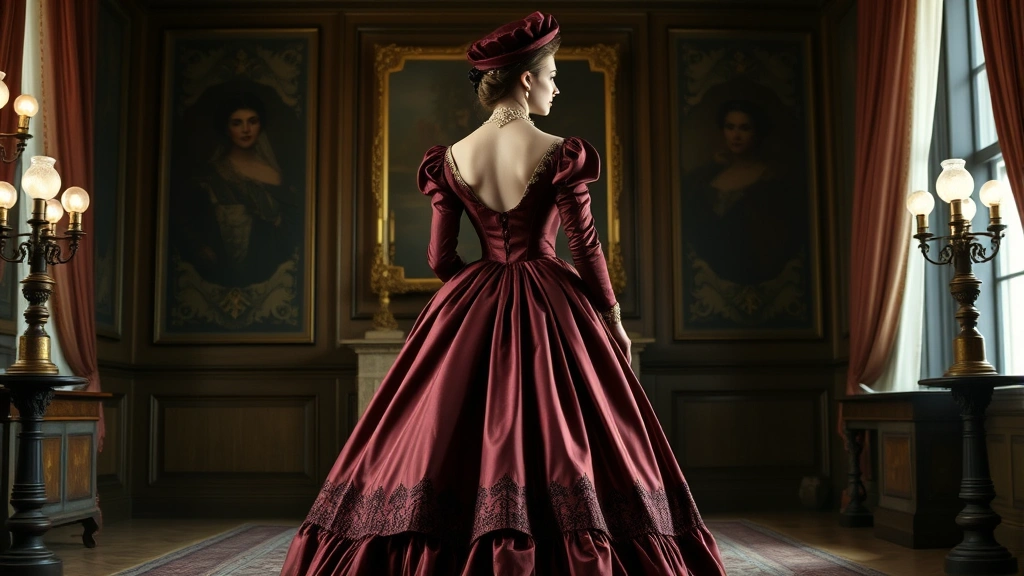
The most dramatic transformation in 1870s fashion involved the evolution of the female silhouette. Early in the decade, the full crinoline skirts that had dominated the 1860s gradually diminished, replaced by a more streamlined front with pronounced projection at the rear. This shift wasn’t merely aesthetic—it represented a fundamental reimagining of how women’s bodies were presented in public spaces. The bustle silhouette emerged as the defining feature of the era, creating dramatic shelf-like projections that extended from the lower back.
The early 1870s featured what historians call the “first bustle period” (approximately 1869-1876), characterized by full, rounded projections that extended horizontally from the waist. These structures were achieved through multiple layers of fabric, horsehair, crinoline, and specialized framework. Unlike the relatively stable crinoline, the bustle required constant adjustment and created silhouettes that seemed to defy the laws of physics. Women navigated doorways sideways, sat precariously on specially designed chairs, and experienced restricted movement that would seem unbearable to modern sensibilities.
By mid-decade, the bustle had become even more exaggerated. The Empress Eugénie and other fashion influencers of the period wore increasingly dramatic versions, encouraging manufacturers and dressmakers to push structural boundaries. Skirts were gathered and pleated extensively, with some examples featuring as many as thirty or forty pleats radiating from the waistband. The types of fashion during this period reveal society’s fascination with silhouette manipulation and the technological achievements possible through textile engineering.
The construction of these garments required extraordinary skill. Dressmakers needed to understand geometry, weight distribution, and fabric behavior. The front of dresses remained relatively smooth and narrow, emphasizing the elongated torso and creating an S-bend profile when viewed from the side. This silhouette would intensify even further in the 1880s, but the 1870s established the foundational principles that governed women’s fashion for the next two decades.
Fabrics, Colors, and Textile Innovation
The 1870s coincided with unprecedented advances in textile manufacturing and dyeing technologies. The Industrial Revolution had transformed fabric production, making previously expensive materials more accessible to middle-class consumers. Silk taffeta became particularly fashionable for its crisp texture and ability to hold the elaborate shapes required by bustle construction. The fabric’s subtle rustling sound became an auditory marker of fashionable status, and wealthy women prided themselves on the quality and volume of their silk skirts.
Color palettes during the 1870s reflected both Victorian propriety and emerging industrial capabilities. Deep jewel tones—including rich burgundies, forest greens, and sapphire blues—dominated formal wear. However, the invention of synthetic aniline dyes introduced brighter, more saturated colors that would have been impossible to achieve naturally. These vivid hues, while sometimes considered slightly vulgar by conservative fashion arbiters, gained increasing acceptance throughout the decade. Fashion style guides of the period often debated the appropriateness of these modern dyes, with traditionalists favoring natural vegetable dyes while progressives embraced the new possibilities.
Velvet experienced a tremendous surge in popularity, particularly for trim, bodices, and decorative elements. The contrast between matte velvet and lustrous silk created visual interest and demonstrated the wearer’s access to quality materials. Wool fabrics remained essential for day dresses and traveling attire, with fine merino wool and cashmere blends providing both durability and elegance. Linen, though less fashionable than in previous decades, still appeared in summer garments and understructures.
Textile pattern innovations included increasingly elaborate florals, geometric designs, and pictorial motifs. The technology for printing multiple colors onto fabric had advanced significantly, allowing for complex, multi-colored patterns that would have required hand-painting just decades earlier. Stripes, plaids, and checks appeared frequently in combination with solid-colored trims and panels, creating visual complexity that satisfied the era’s aesthetic preferences for ornamental richness.
The StyleLoom Daily Blog regularly explores how textile innovations have shaped fashion history, and the 1870s represent a particularly fascinating case study in how technology democratized luxury and expanded creative possibilities for designers and manufacturers alike.
Accessories and Ornamental Details
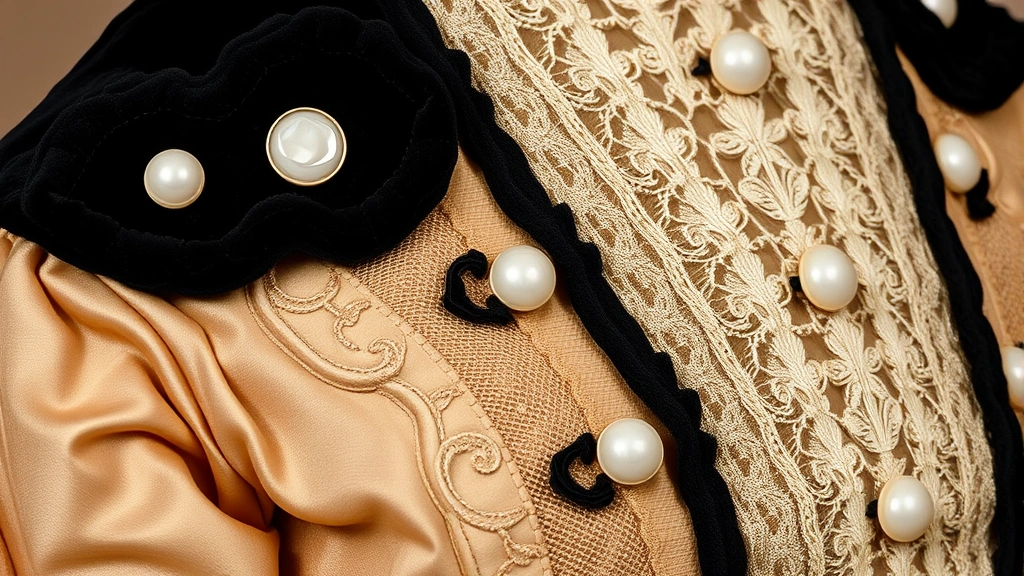
If the silhouette represented the architecture of 1870s fashion, accessories and ornamental details provided the decoration. The decade celebrated abundance and embellishment with almost unrestrained enthusiasm. Trim and braid appeared in profusion—silk fringe, lace insertion, ribbon bands, and decorative braid adorned nearly every garment surface. Bodices featured intricate combinations of contrasting fabrics, with velvet panels, silk appliqués, and elaborate button arrangements creating focal points of visual interest.
Buttons evolved from purely functional fasteners into decorative statements. Manufacturers produced buttons from jet, mother-of-pearl, brass, and porcelain in shapes ranging from simple spheres to elaborate sculptural forms. A single dress might feature dozens of buttons, often arranged in patterns rather than simple linear sequences. These buttons served both structural and aesthetic purposes, contributing to the overall impression of refinement and expense.
Bonnets and hats underwent significant changes during the 1870s. Early in the decade, bonnets remained relatively modest, framing the face with projecting brims and modest ornamentation. However, as the decade progressed, hat styles became increasingly elaborate. Ostrich feathers, aigrettes (egret plumes), and artificial flowers adorned crown and brims. The Merry Widow hat, though more associated with the 1900s, had its antecedents in the large, dramatically trimmed hats that became fashionable in the 1870s.
Jewelry preferences reflected Victorian sensibilities regarding mourning and memorial wear. Black jet jewelry, particularly brooches, bracelets, and earrings, remained perpetually fashionable. Cameos—both genuine and imitation—adorned bodices and served as brooch centers. Lockets containing miniature portraits or locks of hair represented sentimental jewelry traditions. Gold jewelry, particularly in the form of chains, watch fobs, and bangles, demonstrated wealth and status.
Footwear evolved considerably during the 1870s. Women’s shoes featured increasingly pointed toes and higher heels, reflecting fashion’s progression toward more exaggerated silhouettes. Boots, which had been fashionable in the 1860s, gradually gave way to shoes paired with stockings. Decorative garters and stocking tops became important elements of fashionable dress, visible when women sat or climbed stairs. The care and display of these undergarments represented an important aspect of overall fashion presentation.
Men’s Fashion in the 1870s
While women’s fashion underwent dramatic transformations, men’s clothing followed more conservative trajectories. The 1870s represented a period of increasing standardization and simplification in menswear, establishing silhouettes that would remain relatively stable through the early twentieth century. Three-piece suits became the standard for respectable men, consisting of matching jacket, vest, and trousers in coordinating fabrics.
Jacket styles evolved toward longer lengths and more fitted silhouettes. The morning coat, with its characteristic tail extending to the knees, became standard for formal daytime wear. Evening wear featured the tailcoat, a garment that had evolved from eighteenth-century styles but achieved its modern form during this period. The relationship between formality, time of day, and appropriate garment choices became increasingly codified in men’s fashion, with detailed rules governing what constituted proper dress.
Neckwear achieved remarkable diversity and complexity. Cravats, ties, and bow ties appeared in silk, cotton, and wool fabrics, often featuring elaborate knots and configurations. The four-in-hand knot, which would become the standard method for tying neckties, emerged during this period. Collar styles proliferated, with standing collars, turned-down collars, and wing collars all serving different purposes and occasions.
Color in men’s fashion remained primarily neutral—blacks, grays, browns, and dark blues dominated. However, subtle pattern variations, including checks, plaids, and thin stripes, provided visual interest without transgressing boundaries of masculine propriety. Vests, worn under jackets, offered opportunities for slightly bolder colors and patterns, as they were partially hidden from view.
Accessories for men included walking sticks, pocket watches with chains, rings, and cufflinks. Hats remained essential, with top hats for formal occasions, bowlers for business and everyday wear, and soft felt hats for country activities. Gloves, typically in light gray or tan leather, completed fashionable ensembles. The process of finding personal style for men during the 1870s involved selecting within a narrow range of acceptable options rather than expressing individual creativity.
The Role of Fashion Publications and Designers
The 1870s witnessed the expansion of fashion journalism and the rise of influential fashion publications. Harper’s Bazaar, founded in 1867, and Vogue, established in 1892 (though some fashion journalism under this name appeared earlier), began shaping fashion preferences through illustrated plates and written commentary. These publications democratized fashion information, allowing women beyond aristocratic circles to understand and emulate fashionable styles.
Fashion illustrators became important cultural figures, translating garments into idealized images that influenced both manufacturers and consumers. The quality of illustration varied considerably, but the best fashion plates captured the essence of contemporary styles while enhancing proportions and presenting garments in the most flattering possible light. These images, reproduced in newspapers and magazines, shaped expectations and desires across social classes.
Professional designers began establishing themselves as creative authorities during the 1870s. Vogue magazine would later become the arbiter of fashion taste, but during the 1870s, design authority remained distributed among dressmakers, manufacturers, and fashion journalists. The concept of the “designer” as creative genius, rather than merely skilled craftsperson, was still emerging.
Parisian fashion remained the undisputed center of fashion authority. American and British manufacturers closely observed Parisian fashions, copying designs and adapting them for their markets. The Metropolitan Museum of Art’s costume collections preserve numerous examples of 1870s garments, many of which document the transmission of Parisian styles to American consumers through commercial copying and adaptation.
Everyday Wear Versus Evening Attire
The 1870s maintained strict distinctions between garments appropriate for different occasions and times of day. Morning dress featured simpler construction, less elaborate ornamentation, and more practical fabrics than evening wear. Day dresses typically featured fitted bodices, long sleeves, and modest necklines. Skirts, though still featuring bustles, were constructed from less luxurious materials and featured less elaborate trim than evening garments.
Afternoon dresses represented an intermediate category, suitable for calling, shopping, and social visits. These garments featured more ornamentation than morning dresses but less formality than evening wear. The bodice might feature decorative panels, lace insertion, or elaborate button arrangements, while the skirt incorporated more pronounced bustles and richer fabrics than morning versions.
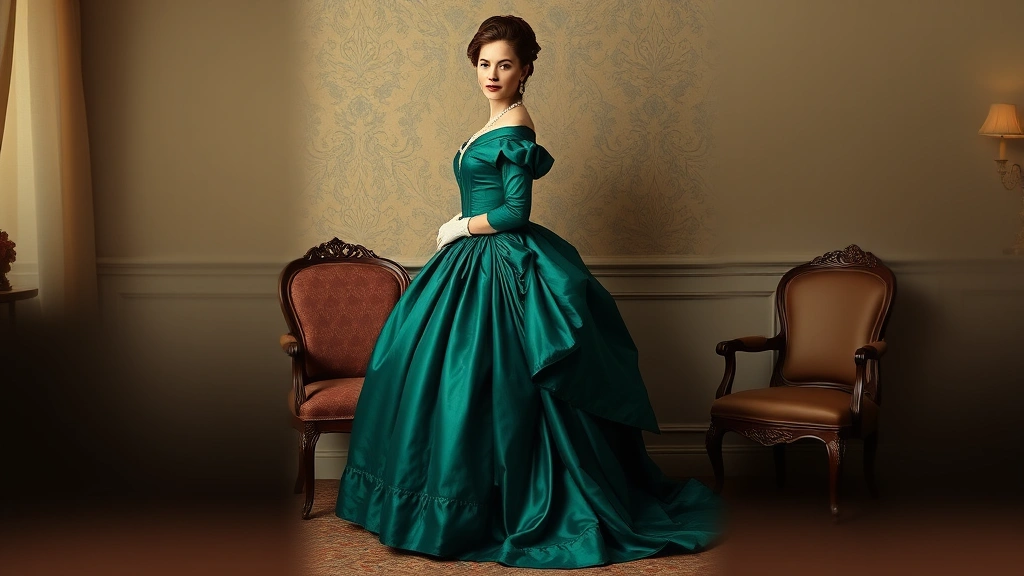
Evening dress represented the pinnacle of fashionable display. These garments featured low necklines (by Victorian standards), short sleeves or sleeveless designs, and maximum ornamentation. The bustle achieved its most exaggerated proportions in evening wear, and fabrics featured the richest colors and most elaborate patterns available. Ball gowns, designed for formal evening events, represented the ultimate expression of fashion creativity and conspicuous consumption.
The distinction between formal and informal dress extended beyond garment construction to encompass appropriate accessories, hairstyles, and jewelry. A woman’s wardrobe required multiple complete ensembles, each appropriate to specific occasions. This complexity meant that fashionable dress represented significant financial investment, creating clear distinctions between those who could afford extensive wardrobes and those who could not.
Cultural and Social Influences
The 1870s fashion reflected broader cultural currents including industrialization, colonialism, and evolving gender roles. The Aesthetic Movement, which emphasized beauty and artistic expression over moral instruction, influenced some fashion choices, though mainstream fashion remained conservative and morally conscious. Artists and intellectuals sometimes rejected fashionable dress as artificial and oppressive, creating countercultural style alternatives that attracted followers among progressive circles.
Colonial influences appeared in fabrics, patterns, and decorative motifs. Paisley patterns, inspired by Indian textiles, remained popular. Japanese influences, following Japan’s opening to Western trade, appeared in asymmetrical designs and floral patterns. These cross-cultural borrowings reflected Western imperial expansion and the complex aesthetic relationships created through colonialism.
Changing social structures influenced fashion in subtle but significant ways. The growth of the middle class created demand for fashionable clothing among populations previously excluded from fashion participation. Department stores, which proliferated during the 1870s, made fashionable garments and fabrics more accessible. The evolution of fashion across different life stages became increasingly standardized, with specific styles considered appropriate for unmarried women, married women, widows, and elderly women.
The women’s rights movement, though not directly shaping mainstream fashion, created awareness of how garments constrained women’s bodies and limited their activities. Some progressive women adopted reformed dress—simplified silhouettes, shortened skirts, and reduced ornamentation—as statements of feminist principle. However, these alternatives remained marginal, and mainstream fashion continued celebrating constraint and ornamentation throughout the 1870s.
Religious influences remained significant, with Christian morality shaping what constituted appropriate exposure of the body. The bustle, paradoxically, actually increased the apparent projection of the buttocks, creating silhouettes that some moralists found objectionable despite the complete coverage of flesh. Fashion critics debated constantly whether contemporary styles reflected Christian virtue or pagan excess.
FAQ
What was the most distinctive feature of 1870s fashion?
The bustle represented the most distinctive feature of 1870s fashion. This dramatic projection at the rear of women’s skirts created the characteristic silhouette of the era and required innovative construction techniques to achieve its exaggerated proportions.
How did 1870s fashion differ from the 1860s?
The 1860s featured full crinoline skirts projecting uniformly in all directions, while the 1870s saw the elimination of front projection and the concentration of fullness at the rear through bustle construction. This represented a fundamental shift in how women’s bodies were presented and silhouetted.
What fabrics were most popular during the 1870s?
Silk taffeta, velvet, wool, and fine cotton dominated 1870s fashion. The development of synthetic aniline dyes enabled brighter, more saturated colors than had been possible with natural dyes, making these fabrics even more visually striking.
How did men’s fashion change during the 1870s?
Men’s fashion became increasingly standardized during the 1870s, with the three-piece suit establishing itself as the standard for respectable dress. The decade saw the codification of rules governing appropriate garments for different occasions and times of day.
Were there any fashion alternatives to mainstream styles?
Yes, the Aesthetic Movement and early feminist movements created alternative fashion choices that rejected mainstream ornamentation and constraint. However, these alternatives remained marginal, and conventional fashion continued dominating among respectable society.
How did industrialization influence 1870s fashion?
Industrialization made previously expensive fabrics and dyes more accessible to middle-class consumers. Advances in textile printing and dyeing enabled more complex patterns and brighter colors, while the expansion of department stores democratized fashion access.
What role did Paris play in 1870s fashion?
Paris remained the undisputed center of fashion authority. Designers, manufacturers, and fashion journalists across Europe and America looked to Paris for inspiration, copying Parisian styles and adapting them for their local markets. This established a hierarchy of fashion authority that persists in modified form today.