Y3K Fashion Trends: Expert Predictions for the Future of Style
As we navigate the complexities of contemporary fashion, a fascinating conversation is emerging among industry experts, designers, and trend forecasters about what Y3K fashion might look like. Y3K represents a conceptual evolution beyond Y2K nostalgia—a sophisticated, forward-thinking aesthetic that blends futuristic elements with nostalgic callbacks, creating something entirely unprecedented in the fashion landscape. This isn’t merely about cyclical trends; it’s about understanding how technology, sustainability, and cultural shifts will reshape the way we dress in the coming years.
The fashion industry stands at a pivotal moment where predictive analytics, artificial intelligence, and consumer consciousness converge to create new possibilities. Fashion experts and trend analysts are increasingly looking beyond traditional seasonal collections to understand what Y3K fashion culture will prioritize. Will it be hyper-personalization through digital fashion? Will sustainability become non-negotiable? Or will we witness a complete reimagining of how we conceptualize clothing itself? These questions drive the conversation among leading voices in the industry.
What makes Y3K fashion particularly intriguing is its potential to break free from the repetitive cycle of trend resurrection. While 90s fashion nostalgia dominated the 2010s and early 2020s, Y3K suggests something more intentional—a curated blend of past, present, and speculative future aesthetics that reflects our evolving values and technological capabilities.
Defining Y3K Fashion: Beyond Nostalgia
Understanding Y3K fashion requires stepping back from the Y2K revival that saturated fashion during the past decade. While Y2K fashion celebrated early 2000s aesthetics—low-rise jeans, butterfly motifs, and playful minimalism—Y3K fashion represents a more sophisticated, intentional evolution. According to Vogue’s trend forecasting team, Y3K isn’t about recreating a specific era but rather synthesizing multiple temporal references into a cohesive vision of future fashion.
Y3K fashion embodies several core characteristics that distinguish it from previous trend cycles. First, it prioritizes functionality without sacrificing aesthetics. Second, it embraces technology as an integral component rather than an afterthought. Third, it reflects a growing consciousness around environmental and social responsibility. Finally, it celebrates individuality and customization over mass-produced uniformity.
The term “Y3K” itself suggests moving beyond the millennium anxiety that defined Y2K culture. Instead, it looks toward a third millennium perspective—one informed by artificial intelligence, climate consciousness, and digital-native generations who view fashion as a form of identity expression in both physical and virtual spaces. Contemporary fashion style is increasingly shaped by these considerations, making Y3K an inevitably relevant framework for understanding future directions.
Digital Integration and Virtual Fashion
Perhaps the most transformative aspect of Y3K fashion is its seamless integration of digital and physical wardrobe experiences. The rise of metaverse platforms, virtual fashion shows, and digital-only clothing collections represents a fundamental shift in how we conceptualize fashion consumption. Luxury brands and emerging designers are increasingly creating pieces that exist primarily in digital space, accessible through augmented reality and virtual fitting technologies.
This digital dimension doesn’t diminish the importance of physical garments; rather, it expands the possibilities. Imagine owning a digital couture piece that you wear in virtual spaces while simultaneously owning a physical companion piece that echoes its design philosophy. This hybrid approach defines Y3K fashion thinking. Digital fashion eliminates many traditional constraints—fabric limitations, manufacturing costs, and geographical boundaries—allowing for unprecedented creative expression.
Leading fashion institutions and design schools are already incorporating digital fashion into their curricula. The Parsons School of Design and other prestigious institutions recognize that future fashion professionals must understand both traditional garment construction and digital design protocols. Y3K fashion professionals will need fluency in 3D modeling software, virtual clothing platforms, and digital styling applications.
The environmental implications of digital fashion are equally significant. By allowing consumers to experiment with virtual pieces before purchasing physical garments, digital fashion can reduce impulse buying and minimize waste. This aligns perfectly with Y3K fashion’s sustainability ethos, creating a more conscious consumer experience that benefits both individuals and the planet.
Sustainability as Core Philosophy
Y3K fashion cannot be discussed without centering sustainability as a fundamental principle rather than a marketing afterthought. Unlike previous decades where sustainability was positioned as a niche concern, Y3K fashion treats environmental and social responsibility as non-negotiable baseline requirements. This represents a seismic shift in industry priorities and consumer expectations.
Expert predictions suggest that Y3K fashion will be characterized by several sustainability-focused initiatives. First, circular economy models will dominate, with brands designing for longevity, repairability, and eventual recycling or composting. Second, transparent supply chains will become standard, allowing consumers to trace garment origins and understand labor conditions. Third, alternative materials—from lab-grown leather to mycelium-based fabrics—will replace conventional textiles that carry significant environmental burdens.
The fashion industry’s carbon footprint has become impossible to ignore. The Ellen MacArthur Foundation and similar organizations are pushing for systemic change within fashion systems. Y3K fashion embraces this imperative, recognizing that future generations will judge current choices through an environmental lens. Designers who ignore sustainability will find themselves increasingly irrelevant in Y3K culture.
Luxury fashion is particularly important in this transition. When prestigious brands commit to sustainable practices, it signals legitimacy to broader markets. Y3K luxury fashion is defined not by exclusivity through scarcity but by exclusivity through quality, craftsmanship, and ethical production. This philosophical shift transforms how we value clothing and what we’re willing to pay for garments that align with our values.
Silhouettes, Colors, and Textures: The Y3K Aesthetic
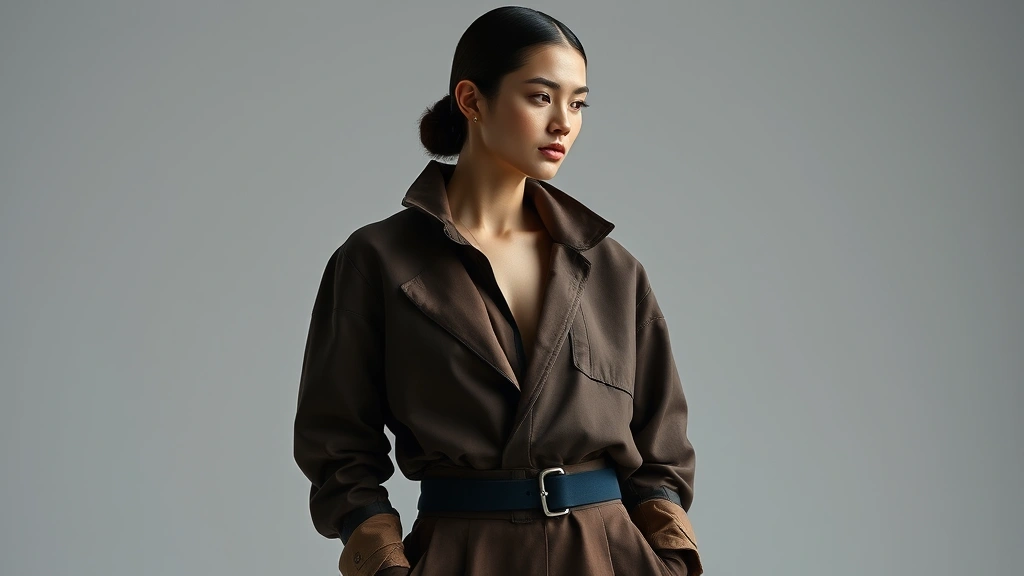
Visually, Y3K fashion embraces a distinctive aesthetic that synthesizes multiple influences into something cohesive yet innovative. Silhouettes tend toward a balanced middle ground—neither aggressively oversized nor restrictively fitted. Instead, Y3K fashion celebrates ergonomic design that prioritizes movement, comfort, and adaptability. This reflects our increasingly active lifestyles and the blurring boundaries between activewear and everyday fashion.
Color palettes in Y3K fashion are notably sophisticated. While previous trends cycles swung between maximalism and minimalism, Y3K fashion employs what design experts call “considered color»—intentional, purposeful selections that create visual impact without appearing chaotic. Expect to see rich jewel tones alongside soft, natural hues; monochromatic looks with subtle tonal variations; and unexpected color combinations grounded in artistic principles rather than arbitrary trends.
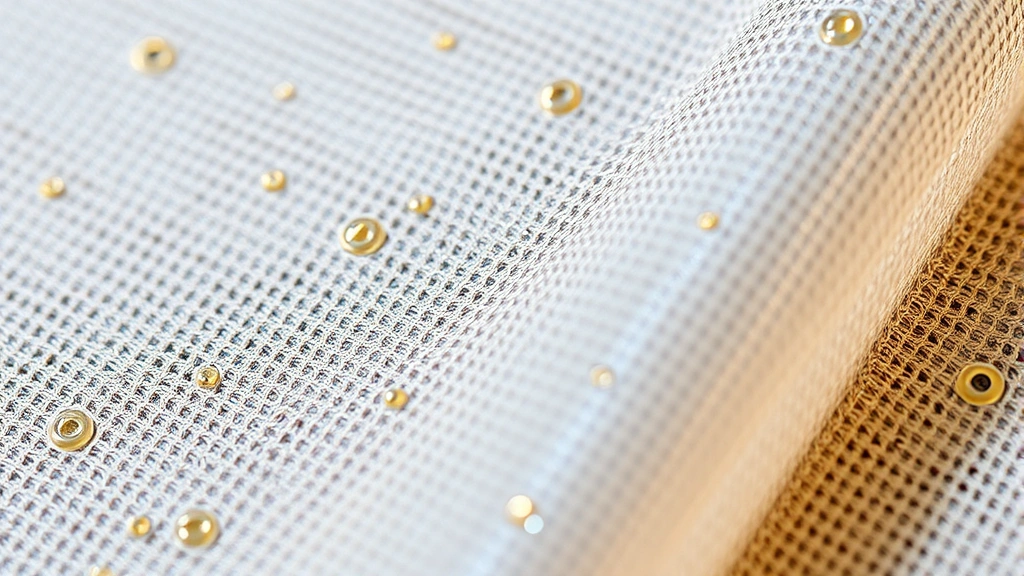
Textures play an equally important role in Y3K fashion aesthetics. The movement toward tactile, sensory fashion reflects a desire for genuine connection in increasingly digital lives. Mixed textures—combining smooth technical fabrics with organic materials like linen or wool—create visual interest and functional versatility. This textural approach also supports sustainability goals by encouraging quality pieces that remain visually engaging across multiple seasons.
Layering becomes an art form in Y3K fashion, allowing for personalization and seasonal adaptation without requiring excessive purchases. A single base piece can be styled infinitely through strategic layering, supporting both sustainability and individual expression. This approach democratizes fashion by making it accessible to diverse body types and personal style preferences.
Technology and Smart Wearables Integration
Y3K fashion represents the convergence of clothing and technology in ways previous generations could barely imagine. Smart fabrics embedded with sensors, temperature-regulating materials, and responsive textiles are transitioning from concept to consumer reality. These aren’t futuristic fantasies—they’re emerging technologies that will define practical fashion in coming years.
Biometric-integrated garments that monitor health metrics, adaptive clothing that responds to environmental conditions, and garments with built-in connectivity are no longer science fiction. Fashion brands are partnering with technology companies to create pieces that serve functional purposes beyond aesthetic appeal. A jacket that adjusts insulation based on body temperature, shoes that track movement patterns, or accessories that facilitate seamless device connectivity represent the practical face of Y3K fashion.
This technological integration must remain invisible to the user experience—the technology serves the garment, not the reverse. Y3K fashion technology is elegant, seamless, and intuitive. Consumers shouldn’t need instruction manuals to wear smart clothing; functionality should feel as natural as traditional garments while offering enhanced capabilities.
The ethical dimensions of wearable technology in Y3K fashion deserve consideration. Data privacy, security, and consent become crucial conversations as garments collect information about wearers. Y3K fashion brands must prioritize transparency about data collection and usage, establishing trust with consumers who increasingly question how their information is utilized.
Personalization and Individual Expression
Perhaps the most democratizing aspect of Y3K fashion is its emphasis on personalization and customization. Mass production gave way to fast fashion, which is now giving way to individualized fashion. Technology enables brands to offer unprecedented customization—from made-to-measure garments created through body scanning to AI-generated designs based on individual preferences and body measurements.
Finding your personal style becomes increasingly important in Y3K fashion culture, where differentiation matters more than conformity. Rather than following seasonal trends dictated by fashion houses, Y3K fashion encourages individuals to curate distinctive personal aesthetics that reflect values, preferences, and identity.
This personalization extends beyond physical garments. Virtual styling applications powered by artificial intelligence can analyze individual preferences, body proportions, lifestyle patterns, and values to suggest customized fashion solutions. These digital assistants become personal style advisors, helping individuals navigate fashion choices with greater intentionality and confidence.
The rise of personal fashion brands—individuals creating limited-edition pieces through print-on-demand and small-batch production—democratizes fashion creation. Y3K fashion culture celebrates diverse aesthetic perspectives, recognizing that beauty and style exist across infinite expressions rather than narrowly defined trends. This inclusivity strengthens fashion’s cultural relevance and accessibility.
Cultural Influences and Global Perspectives
Y3K fashion reflects our increasingly interconnected global culture. Rather than Western fashion capitals dictating trends to the world, Y3K fashion celebrates multiple simultaneous aesthetic movements emerging from diverse cultural contexts. Fashion from Africa, Asia, South America, and other regions gains prominence alongside traditional European and American influences.
This globalized approach to fashion reflects changing demographics and power structures. Younger generations, particularly Gen Z and Gen Alpha, view fashion through a multicultural lens. They’re equally inspired by Japanese streetwear, Nigerian designers, Brazilian innovation, and Korean fashion movements as they are by traditional European luxury houses. Y3K fashion thrives in this rich, diverse aesthetic ecosystem.
Business of Fashion increasingly reports on emerging design talent from underrepresented regions, reflecting industry recognition that fashion’s future is genuinely global. Y3K fashion celebrates this diversity not as tokenism but as authentic creative expression from communities with rich fashion histories and innovative perspectives.
Cultural appropriation concerns that plagued previous fashion cycles are addressed more thoughtfully in Y3K fashion. Designers increasingly collaborate with and credit cultural communities rather than simply extracting aesthetic elements. This respectful approach strengthens fashion’s cultural legitimacy and creates more authentic, meaningful creative outcomes.
Understanding different fashion styles across cultures enriches our appreciation for global creative expression. Y3K fashion celebrates this diversity as a core value, recognizing that fashion’s future depends on honoring the contributions and perspectives of creators from all backgrounds.
Fashion for Evolving Demographics
Y3K fashion explicitly addresses demographic shifts that previous trend cycles largely ignored. As populations age globally, fashion trends for women over 50 and older demographics gain significant market importance. Y3K fashion rejects ageist assumptions about what older individuals should wear, instead celebrating style at every life stage.
This inclusive approach expands fashion’s creative possibilities. Designers working across age demographics develop more innovative solutions that serve diverse body types, mobility considerations, and lifestyle needs. A garment designed for accessibility benefits everyone—this universal design philosophy defines Y3K fashion thinking.
The fashion industry is increasingly recognizing that style transcends age. Older consumers have disposable income, refined taste, and clear aesthetic preferences. Y3K fashion brands that ignore this demographic miss significant opportunities while reinforcing outdated cultural assumptions. Forward-thinking designers celebrate style diversity across all age groups.
FAQ
What exactly is Y3K fashion?
Y3K fashion represents a forward-thinking aesthetic that blends futuristic elements with nostalgic references, prioritizing sustainability, technology integration, personalization, and individual expression. Unlike Y2K fashion nostalgia, Y3K looks toward future possibilities rather than recreating past eras.
How does Y3K fashion differ from current fashion trends?
Y3K fashion prioritizes sustainability as non-negotiable, integrates technology seamlessly, celebrates individual customization over mass production, and embraces global cultural influences equally. It represents a philosophical shift toward conscious, intentional fashion consumption.
Will digital fashion replace physical clothing?
No. Y3K fashion embraces hybrid approaches where digital and physical garments coexist. Digital fashion reduces waste through virtual experimentation, while physical garments remain essential for tactile, embodied experiences.
How can I adopt Y3K fashion principles now?
Start by considering sustainability in purchasing decisions, investing in quality pieces you genuinely love, experimenting with personal style expression, and remaining open to technological innovations in fashion. Focus on intentional consumption over trend-chasing.
What role will artificial intelligence play in Y3K fashion?
AI will enable personalized styling recommendations, custom garment design, virtual fitting technologies, supply chain optimization, and predictive analytics. AI serves as a tool for enhanced creativity and more conscious consumption rather than replacing human creativity.
Is Y3K fashion accessible to average consumers?
Yes. While some Y3K innovations emerge in luxury markets first, democratization typically follows. Digital fashion tools, sustainable materials, and customization technologies will increasingly become accessible across price points as adoption grows.