Tyler the Creator Style Guide: Expert Insights
Tyler, the Creator has established himself as one of hip-hop’s most distinctive style icons, transcending music to become a legitimate fashion force in contemporary culture. His approach to Tyler the Creator fashion represents a masterclass in artistic expression through clothing, blending nostalgia, avant-garde sensibilities, and deliberate rule-breaking that has influenced an entire generation of style enthusiasts. From his early days in Odd Future to his current status as a designer and tastemaker, Tyler’s evolution showcases how personal style can become a powerful form of storytelling and identity.
What makes Tyler’s aesthetic particularly compelling is his refusal to be confined by genre expectations or industry standards. He treats fashion with the same creative intensity he applies to his music production and visual direction, creating a cohesive brand identity that extends far beyond clothing. This comprehensive guide explores the essential elements of Tyler’s signature style, offering expert insights into how you can incorporate his fashion philosophy into your own wardrobe while developing authentic personal style.
The Evolution of Tyler’s Fashion Identity
Tyler’s journey through fashion design and personal style represents one of music’s most organic creative evolutions. Beginning with shock-value aesthetics and DIY sensibilities during the Odd Future era, his approach has matured into sophisticated, intentional design choices that reflect both his artistic growth and changing perspectives. The early 2010s saw Tyler embracing graphic-heavy streetwear, oversized silhouettes, and bold colors that challenged conventional masculinity in hip-hop fashion. His willingness to experiment with unconventional pieces—from floral patterns to pastel hues—established him as someone unafraid of fashion risk-taking.
As Tyler matured as an artist, so did his sartorial choices. Albums like Flower Boy and IGOR saw corresponding shifts in his visual presentation, with softer color palettes, more refined tailoring, and increased attention to fabric quality. This evolution wasn’t simply aesthetic; it reflected deeper artistic and personal development. Tyler began studying fashion history, collaborating with established designers, and treating his clothing choices with the same conceptual rigor as his album artwork. His fashion became less about provocation and more about precision, demonstrating that true style maturity involves understanding context, proportion, and intentionality. This trajectory mirrors what Vogue has documented in profiles of artists who transition from shock-value aesthetics to refined personal style.
The relationship between Tyler’s musical output and fashion choices remains remarkably cohesive. Each album cycle arrives with corresponding visual and style statements that reinforce thematic elements in the music. This integrated approach to artistic expression demonstrates a level of vision that extends beyond typical celebrity fashion, positioning Tyler as a true creative director of his own brand and legacy.
Color Palette and Design Philosophy
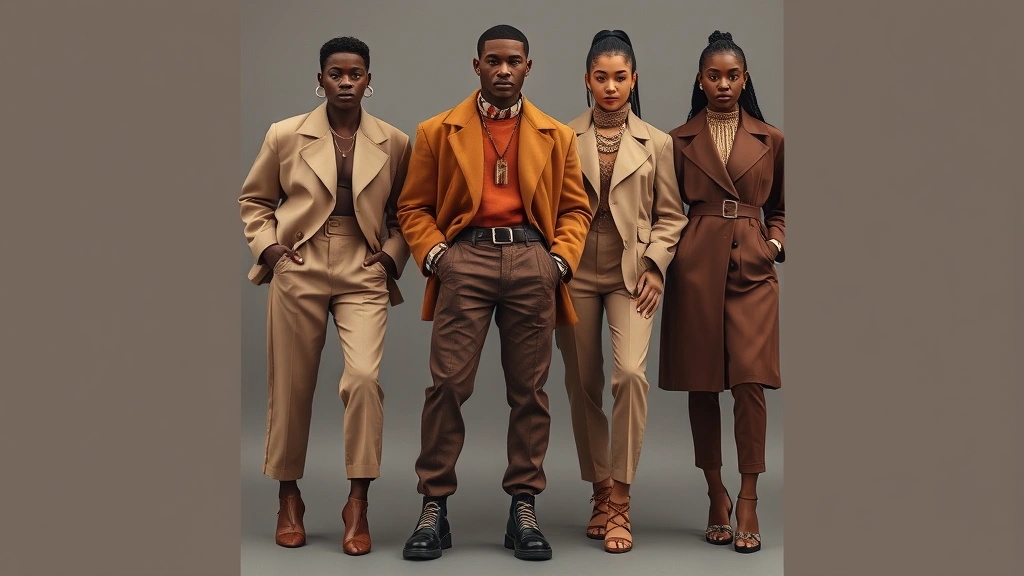
One of the most distinctive aspects of Tyler’s aesthetic involves his sophisticated approach to color theory and palette composition. While early work embraced vibrant, clashing hues and neon tones, his contemporary style gravitates toward more considered color combinations that demonstrate deep understanding of color psychology and visual harmony. Pastels, earth tones, and carefully selected jewel tones now dominate his wardrobe, creating visual sophistication while maintaining the boldness that defines his brand.
Tyler’s color choices often reflect seasonal shifts and thematic concepts aligned with his creative projects. He’ll commit to specific color families for extended periods, creating visual cohesion across public appearances and performances. This intentionality distinguishes his approach from typical celebrity fashion, which often appears random or inconsistent. His philosophy suggests that color selection should serve narrative purposes and communicate emotional information, much like color grading in film or color theory in visual art. When exploring 90s Fashion trends, you’ll notice Tyler frequently draws inspiration from that era’s distinctive color sensibilities while updating them through contemporary design.
The designer’s approach to proportion and silhouette equally reflects sophisticated design thinking. Tyler favors balance between oversized and fitted elements, creating visual interest through strategic contrast. He understands how fabric drape affects the overall impression of an outfit and selects materials that enhance rather than merely cover the body. This knowledge extends to understanding how different textures interact—pairing smooth surfaces with textured elements, matte with subtle sheen—creating depth and visual complexity that rewards close attention.
Key Pieces and Signature Items
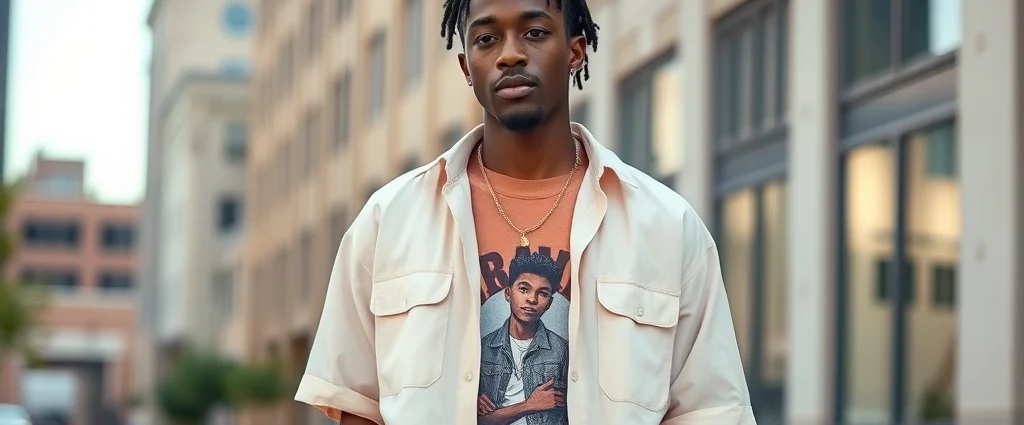
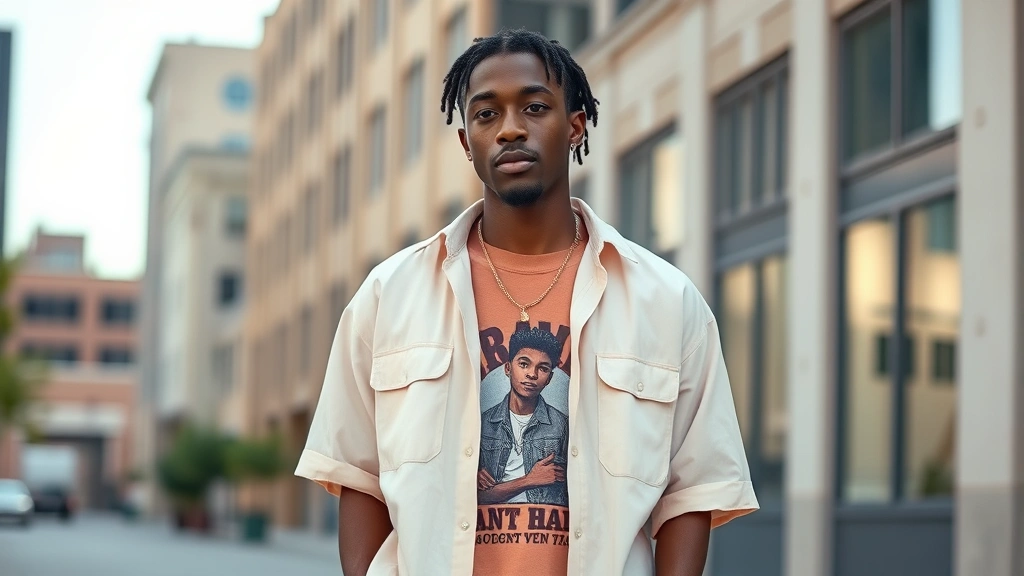
Several clothing categories have become synonymous with Tyler’s personal aesthetic and design output. Understanding these signature elements provides essential insight into building a wardrobe informed by his style philosophy. Oversized button-up shirts in unexpected colors or patterns serve as foundational pieces in his rotation, often worn unbuttoned over graphic tees or worn as standalone statement pieces. These shirts frequently feature custom details—unusual collars, unexpected fabric combinations, or subtle design elements that reward close inspection.
Graphic t-shirts remain central to Tyler’s wardrobe, though his approach has evolved significantly. Rather than loud, aggressive graphics, contemporary pieces feature more subtle, artistically conceived designs often incorporating his own visual language and brand aesthetics. These tees frequently serve as canvases for exploring conceptual ideas, featuring abstract imagery, typography-based designs, or collaborative artwork. Layering these pieces with other garments creates visual richness and allows for constant style reinvention. When developing your own style, consider how finding your personal style involves understanding which signature pieces resonate with your creative vision.
Outerwear occupies a crucial position in Tyler’s fashion vocabulary. He favors pieces that make visual statements—oversized blazers, vintage-inspired jackets, and custom-tailored coats that demonstrate technical skill and design intention. These items often feature unexpected details: unusual button placement, asymmetrical cuts, or innovative fabric combinations that showcase design sophistication. His outerwear choices frequently reference fashion-forward design principles while maintaining wearability and personal comfort.
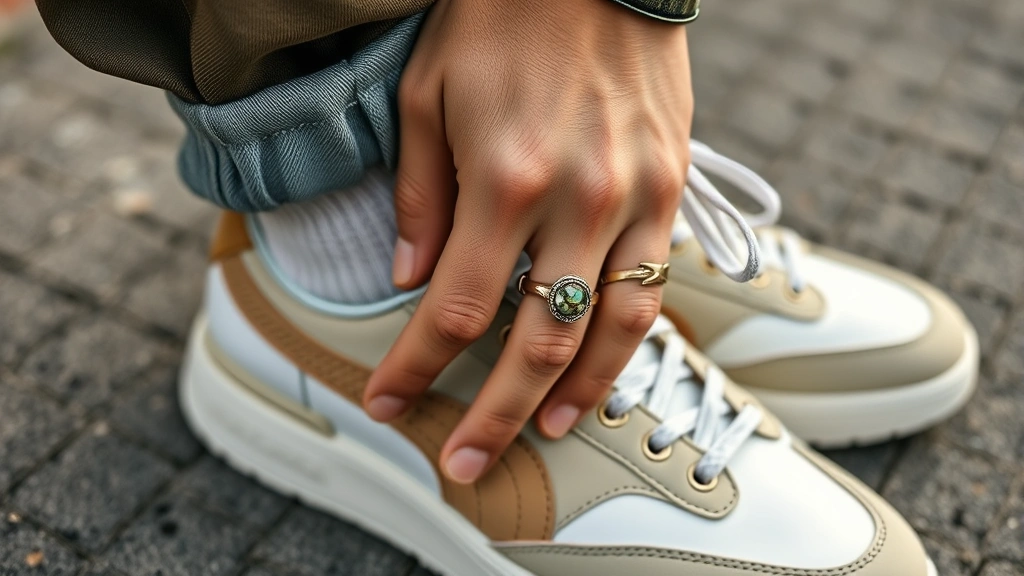
Footwear choices demonstrate Tyler’s attention to detail and understanding of how shoes ground an entire outfit. He gravitates toward distinctive sneaker designs—often from his Golf Wang brand or limited collaborations—that feature innovative silhouettes and unexpected color combinations. Vintage or retro-inspired shoes frequently appear in his rotation, suggesting an appreciation for fashion history and the evolution of design. His shoe choices often become conversation pieces, establishing themselves as key visual anchors within complete outfits.
Accessories and Details
Tyler’s mastery of accessorization reveals his understanding that style exists in details. Jewelry selections tend toward meaningful pieces—vintage finds, custom designs, or items with personal significance—rather than obvious luxury branding. Rings, chains, and watches serve as visual punctuation marks within outfits, adding personality without overwhelming the overall composition. This restraint distinguishes his approach from excess-driven celebrity fashion, suggesting that true style confidence requires knowing when to edit and simplify.
Hats occupy special significance in Tyler’s aesthetic, functioning as both practical elements and bold style statements. From vintage baseball caps to custom-designed headwear, his hat choices demonstrate understanding of how headwear frames the face and completes silhouettes. Bags and carry items similarly reflect design intention, with Tyler favoring pieces that balance functionality with aesthetic interest. His choices suggest that even practical accessories deserve creative consideration and visual sophistication.
Grooming and hair styling form integral components of his overall aesthetic. Tyler treats hair as a design element, frequently experimenting with colors, lengths, and styles that complement his clothing choices and reinforce thematic concepts. This integrated approach to personal presentation—understanding how hair, makeup, clothing, and accessories work together—demonstrates the comprehensive nature of his style philosophy. Such attention to holistic presentation separates intentional style from casual fashion consumption.
Building Your Tyler-Inspired Wardrobe
Developing a personal style informed by Tyler’s approach requires moving beyond simple imitation toward understanding the underlying principles that guide his choices. Begin by identifying which elements of his aesthetic genuinely resonate with your own sensibilities and creative vision. Do you respond to his color palettes, his approach to proportion, his graphic design sensibilities, or his willingness to challenge conventions? Understanding your specific inspirations allows for authentic personal style development rather than costume-like imitation.
Invest in quality basics that serve as foundational pieces for outfit construction. Neutral-colored, well-fitting button-up shirts, solid-colored tees in varied hues, and classic denim form the backbone of a versatile wardrobe. Tyler’s approach demonstrates that even basics deserve quality consideration—natural fibers, thoughtful construction, and pieces that age well and develop character through wear. Building from these fundamentals allows for creative expression through layering and accessorization without requiring constant new purchases.
Explore Fashion Nova collections and other contemporary retailers for pieces that align with your style vision, understanding that inspiration can come from diverse sources. Tyler’s approach involves synthesizing influences from vintage fashion, high design, streetwear, and personal creativity. Developing similar synthesis skills allows you to create original style rather than simply copying existing templates. Visit thrift stores and vintage shops to discover unique pieces that add personality and individuality to your wardrobe—Tyler’s aesthetic frequently incorporates vintage finds that demonstrate personal curation rather than passive consumption of current trends.
Consider developing a color palette that feels authentic to your personality while allowing for creative expression. You need not adopt Tyler’s specific colors, but understanding his color selection methodology—how colors work together, how they communicate emotion, how they create visual coherence—provides valuable framework for your own choices. Experiment with unexpected color combinations, understanding that fashion risk-taking often yields the most interesting personal style outcomes.
The Golf Wang Brand Legacy
Tyler’s Golf Wang brand represents the ultimate expression of his design philosophy and creative vision. Launched as an extension of his artistic practice, Golf Wang demonstrates how personal style can evolve into legitimate fashion enterprise. The brand’s evolution mirrors Tyler’s own artistic development, beginning with bold, provocative graphics and evolving toward more sophisticated, conceptually rigorous design. Golf Wang pieces frequently become collector’s items, valued for their design innovation and cultural significance beyond typical fashion consumption.
The brand’s approach to quality, innovation, and artistic integrity distinguishes it from typical celebrity fashion lines. Tyler treats Golf Wang with the same creative rigor applied to his music and visual art, resulting in pieces that demonstrate genuine design thinking rather than simple celebrity branding. Limited releases, seasonal collections with coherent visual narratives, and collaborative projects with other designers and artists keep the brand creatively vital and culturally relevant. This approach demonstrates how personal style can scale into meaningful creative enterprises when executed with vision and integrity.
Studying Golf Wang’s design philosophy, production choices, and brand positioning provides invaluable insight into how Tyler approaches fashion as serious creative practice. The brand’s success reflects broader cultural shifts toward artist-driven fashion and the increasing legitimacy of musicians as fashion designers. For those interested in deeper exploration of fashion design as creative practice, understanding fashion design degree programs and formal training can provide additional context for how designers develop the skills and knowledge that inform sophisticated fashion creation.
Styling Tips from Industry Experts
Fashion industry professionals and style experts frequently cite Tyler’s approach as exemplary of how personal style creates cultural influence. Highsnobiety and other style authorities consistently feature his outfits as case studies in intentional, innovative fashion. Key takeaways from expert analysis include the importance of understanding proportion and balance, the power of color selection in creating visual impact, and the necessity of authentic personal conviction in style choices.
Experts emphasize that Tyler’s most distinctive style moments emerge from genuine creative exploration rather than trend-chasing. His willingness to wear unexpected combinations, to revive overlooked trends, and to blend high and low fashion demonstrates confidence rooted in clear artistic vision. This approach contrasts sharply with reactive, trend-dependent fashion that quickly feels dated and inauthentic. Building personal style requires similar conviction—understanding what genuinely appeals to you rather than simply following external validation.
The importance of fit and tailoring receives consistent emphasis from style experts analyzing Tyler’s approach. Well-fitted clothing that complements your body and movements creates more sophisticated visual impression than expensive pieces that don’t properly fit. Tyler frequently has pieces tailored to his specifications, understanding that off-the-rack items rarely provide ideal proportions. Investing in tailoring—whether adjusting sleeve length, tapering pants, or modifying silhouettes—elevates entire wardrobes and demonstrates commitment to polished personal presentation.
Experts also highlight the value of developing a cohesive visual aesthetic rather than constantly changing direction. Tyler’s recognizable style—the consistent elements that make his outfits identifiable as his—creates stronger visual impact and clearer personal brand than constant style reinvention. This doesn’t require rigidity or boredom; rather, it involves exploring infinite variations within a coherent framework. Understanding your aesthetic parameters allows for creative freedom within defined boundaries, much like how musical genres provide structure that enables artistic innovation.
Exploring StyleLoom Daily Blog for additional fashion articles and style guidance provides complementary perspectives on developing personal aesthetic vision. Learning from diverse style authorities, analyzing what resonates with your creative sensibilities, and synthesizing influences into original personal expression represents the ultimate goal of style development. Tyler’s example demonstrates that such synthesis, executed with conviction and creativity, can achieve cultural significance and lasting influence.
Consider how fashion-forward thinking involves understanding both current trends and timeless style principles. Tyler frequently references fashion history while simultaneously pushing contemporary boundaries, suggesting that the most innovative style emerges from deep knowledge of what came before. Studying fashion history, understanding design principles, and analyzing how established designers approach their work provides essential foundation for developing sophisticated personal style.
FAQ
What are the essential elements of Tyler the Creator’s style?
Tyler’s style combines oversized silhouettes, unexpected color palettes, graphic design elements, and attention to detail. Key elements include layered clothing, statement outerwear, distinctive footwear, and thoughtful accessorization. His approach emphasizes intentionality over trends, quality construction, and cohesive visual narratives that reflect his artistic projects and personal development.
How can I incorporate Tyler’s aesthetic into my own wardrobe?
Begin by identifying which specific elements resonate with you—whether color palettes, silhouettes, design philosophy, or creative risk-taking. Invest in quality basics, explore vintage and contemporary retailers for unique pieces, and develop a personal color palette. Focus on understanding the principles behind his choices rather than simply copying specific outfits, allowing for authentic personal style development.
What is Golf Wang and why does it matter?
Golf Wang is Tyler’s personal fashion brand, representing his creative vision and design philosophy. The brand demonstrates how personal style can evolve into legitimate fashion enterprise when executed with artistic integrity. Golf Wang pieces are valued for design innovation, limited releases, and cultural significance, showcasing how musicians can become legitimate fashion designers.
How has Tyler’s style evolved over time?
Tyler’s aesthetic has matured from shock-value, graphic-heavy streetwear in the early 2010s toward more refined, intentional design choices. His style now features softer color palettes, improved tailoring, and increased attention to fabric quality. This evolution mirrors his artistic growth and demonstrates how personal style develops through experience, experimentation, and deepening creative vision.
Where can I find Tyler the Creator-inspired pieces?
Golf Wang remains the primary source for Tyler-designed pieces. Contemporary retailers, vintage shops, and thrift stores offer pieces that align with his aesthetic sensibilities. Understanding his design philosophy allows you to identify compatible pieces from diverse sources, creating original personal style rather than exact imitation.
What role does color play in Tyler’s fashion choices?
Color represents a central element of Tyler’s design philosophy, with choices reflecting color theory knowledge and emotional communication. His palettes have evolved from vibrant, clashing hues toward more sophisticated combinations of pastels, earth tones, and jewel tones. Color selections frequently align with thematic concepts in his creative projects, demonstrating how color functions as narrative element within personal style.