
How to Rock Tudor Fashion: Historical Insights
The Tudor era, spanning from 1485 to 1603, represents one of the most glamorous and influential periods in fashion history. This remarkable epoch, marked by the reigns of Henry VIII and Elizabeth I, gave birth to some of the most iconic silhouettes, luxurious fabrics, and daring sartorial choices ever witnessed. Tudor fashion wasn’t merely about clothing—it was a powerful statement of wealth, status, and political allegiance. Understanding how to authentically incorporate Tudor-inspired pieces into your modern wardrobe allows you to channel the confidence and opulence of this golden age while maintaining contemporary relevance.
Today’s fashion enthusiasts are increasingly drawn to historical inspiration, seeking depth and narrative in their style choices. Whether you’re attending a themed event, exploring your personal style journey, or simply fascinated by Renaissance aesthetics, understanding Tudor fashion provides invaluable insights into silhouette, color theory, and the psychology of dressing. The beauty of Tudor fashion lies in its dramatic proportions, rich textures, and unapologetic luxury—elements that translate beautifully into contemporary styling when approached thoughtfully.
The Historical Foundation of Tudor Fashion
To truly rock Tudor fashion, one must first understand the historical context that shaped these extraordinary garments. The Tudor period emerged from the Wars of the Roses, a time of political turmoil and uncertainty. When Henry VII established the Tudor dynasty in 1485, he recognized that fashion could serve as a powerful tool for consolidating power and projecting stability. Fashion became intrinsically linked with monarchy, authority, and divine right.
The Renaissance influence cannot be overstated when discussing Tudor fashion. As trade routes expanded and cultural exchange flourished between England and Continental Europe, particularly Italy and France, Tudor fashion absorbed these influences while maintaining its distinctly English character. The court of Henry VIII became legendary for its extravagance, with the king himself setting trends that rippled throughout European nobility. His famous portraits, painted by court artists, immortalized his commanding presence and sartorial supremacy.
Understanding the principles of fashion design helps illuminate why Tudor garments were constructed the way they were. Every element served a purpose: structured bodices provided support and created the desired silhouette, layers of fabric demonstrated wealth and status, and ornamental details showcased the wearer’s access to luxury goods. This wasn’t frivolous dressing—it was sophisticated communication through textile and form.
Key Silhouettes That Defined an Era
The most distinctive feature of Tudor fashion was undoubtedly the silhouette. Both men and women wore dramatically structured garments that created bold, geometric shapes. For women, the Spanish farthingale—a hoop skirt structure—created the iconic bell-shaped skirt that expanded from the waist. This wasn’t merely decorative; it was a symbol of status, as only women of means could afford the fabric and construction required to create such proportions.
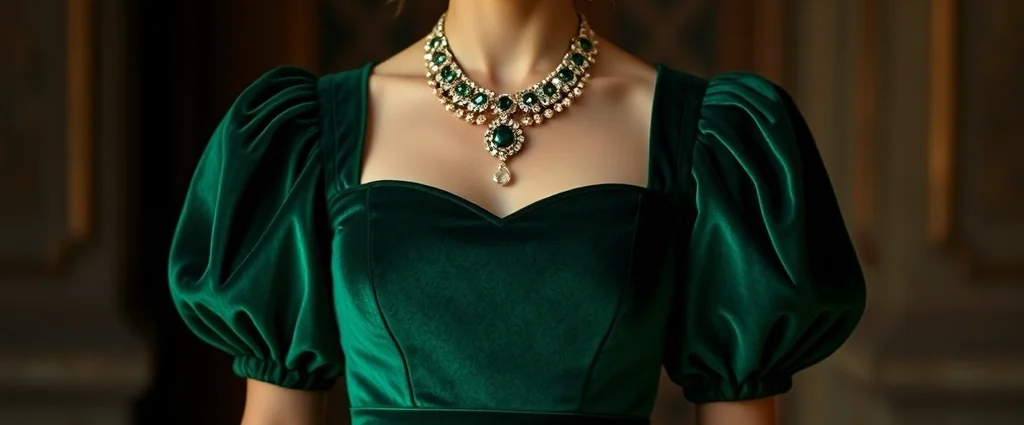
The Tudor gown featured several key components working in harmony. The bodice was stiffened with boning or buckram, creating a smooth, elongated torso. Square or low necklines were fashionable, often filled in with decorative stomacher panels. The waistline sat relatively high, emphasizing the chest and creating an almost architectural silhouette. Sleeves ranged from fitted to dramatically puffed, sometimes slashed to reveal contrasting fabric beneath—a technique called slashing that became synonymous with Tudor and Renaissance fashion.
Men’s fashion during the Tudor period was equally theatrical. Doublets—close-fitting jackets—featured exaggerated shoulders and chest padding that created a powerful silhouette. Hose (tight-fitting leg coverings) emphasized the legs, often in contrasting colors or patterns. The codpiece, a distinctly Tudor element, became increasingly prominent and ornate throughout Henry VIII’s reign, serving as both functional garment and status symbol. Cloaks and kirtles (outer garments) added additional layers and drama to the overall appearance.
When incorporating Tudor silhouettes into modern styling, consider how structured pieces can transform your appearance. A well-fitted corset or structured bodice creates that characteristic Tudor elongation. High-waisted skirts with voluminous fabric echo the farthingale effect without requiring the historical understructure. Puffed sleeves, whether subtle or dramatic, instantly evoke the period while remaining surprisingly wearable in contemporary contexts.
Colors, Fabrics, and Luxurious Textures
Tudor fashion was unapologetically luxurious in its material choices. Silk, velvet, damask, and brocade were the fabrics of choice for the wealthy, with wool and linen serving those of lower status. The ability to afford imported silks and velvets was a direct indicator of wealth and power. Colors were equally important—deep jewel tones like emerald, sapphire, ruby, and gold dominated the Tudor palette, along with rich purples that were extraordinarily expensive due to the rarity of the dyes required.
Interestingly, the sumptuary laws of the Tudor period regulated who could wear which colors and fabrics. Purple was reserved for royalty, scarlet for nobility, and certain luxury fabrics could only be worn by those of specific ranks. These laws reinforced the social hierarchy and made fashion a literal manifestation of one’s place in society. Understanding this context helps explain the boldness of Tudor fashion—every garment was a statement of legal status and privilege.
The textures in Tudor fashion were deliberately rich and varied. Velvet created luxury through its soft pile, while brocade and damask featured raised patterns that caught light and movement. Embroidery was extensive and expensive, with gold and silver thread creating elaborate designs that took months to complete. Fur trim, particularly ermine, indicated royal status. These textural elements weren’t merely decorative—they served as visual shorthand for wealth and sophistication.
For contemporary Tudor-inspired styling, embrace rich fabrics and jewel tones. Velvet blazers, silk dresses, brocade details, and emerald or sapphire pieces immediately evoke the Tudor aesthetic. Layer textures intentionally—combine smooth silk with textured velvet, or pair matte fabrics with lustrous ones. This approach to texture creates visual interest and sophistication reminiscent of historical pieces while feeling entirely modern.
Accessories: The Crown Jewels of Tudor Style
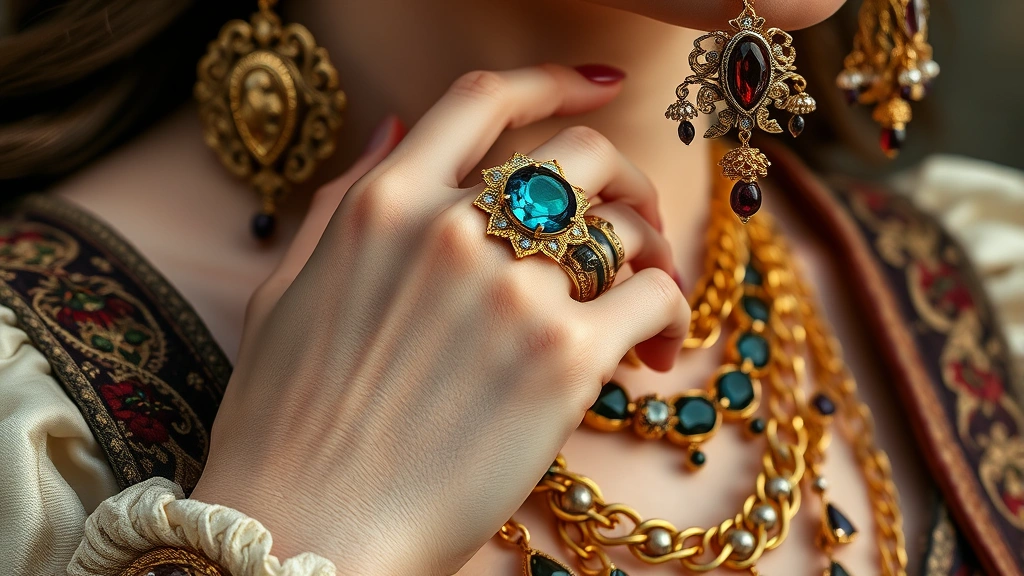
If Tudor garments provided the foundation, accessories were the masterpiece. Jewelry was essential to Tudor fashion, with rings, brooches, necklaces, and elaborate headdresses completing the look. Gemstones—diamonds, rubies, emeralds, and pearls—adorned every possible surface. The famous portrait of Elizabeth I shows her literally encrusted with jewels, each one a statement of power and wealth.
Headdresses were particularly significant in Tudor fashion. Women wore elaborate constructions that varied throughout the period. The gable hood, with its distinctive angular shape, was popular during Henry VIII’s reign. The French hood, with its horseshoe shape, became fashionable later in the period. These weren’t simple accessories—they were architectural marvels, often made with wire frames, jewels, and precious fabrics. Men wore feathered hats, bonnets, and caps that added height and drama to their silhouettes.
Footwear in the Tudor era featured pointed toes and often elaborate decoration. Shoes were made from soft leather, frequently embroidered or jeweled. Pattens (overshoes with elevated soles) were worn to protect precious footwear and add height. Gloves were essential accessories, often made from soft kid leather and embroidered with gold thread. Fans, particularly ornate feathered or jeweled fans, became fashionable accessories that served both practical and aesthetic purposes.
Incorporating Tudor-inspired accessories into your wardrobe is perhaps the easiest entry point to the aesthetic. Statement jewelry with gemstone details, ornate hairpieces, and elaborate belts instantly evoke the period. A jeweled brooch, a chandelier earring, or a richly decorated headpiece can transform a simple modern outfit into something with Tudor grandeur. Consider investing in pieces that feel substantial and ornamental rather than minimal and delicate.
Modern Interpretations and Contemporary Styling
The challenge of rocking Tudor fashion in the modern era lies in balancing historical authenticity with contemporary wearability. Complete Tudor costume is impractical for daily life, but thoughtful incorporation of Tudor elements creates a sophisticated, distinctive aesthetic. The key is understanding which elements translate successfully and how to adapt them for modern contexts.
Many contemporary designers draw inspiration from Tudor fashion, recognizing its theatrical appeal and timeless elegance. Vogue frequently features Tudor-inspired collections on runways, demonstrating that historical fashion remains relevant to modern design conversations. Designers like Alexander McQueen have explicitly referenced Tudor silhouettes, creating dramatic structured pieces that honor historical traditions while feeling entirely contemporary.
For everyday wear, subtle Tudor references work beautifully. A structured bodice paired with high-waisted trousers creates the elongated silhouette without requiring full historical costume. A velvet blazer with jeweled buttons evokes Tudor luxury. A statement necklace with gemstone details adds that characteristic opulence. The approach is to extract the essence of Tudor fashion—the drama, the luxury, the structured silhouettes—and integrate it into your personal style.
For special occasions, themed events, or costume contexts, you can embrace Tudor fashion more fully. A gown featuring a structured bodice, high waistline, and jeweled details creates an authentic yet wearable interpretation. Pair it with appropriate accessories—a jeweled headpiece, dramatic jewelry, and period-appropriate footwear—and you’ve created a compelling Tudor look. The beauty of this approach is that pieces work beautifully in professional costume contexts while remaining elegant enough for formal events.
Building Your Tudor-Inspired Wardrobe
Creating a Tudor-inspired wardrobe begins with understanding your personal style and how historical elements can enhance it. Start with foundational pieces that feature Tudor characteristics: structured bodices, high waistlines, rich fabrics, and jewel tones. These pieces should integrate seamlessly with your existing wardrobe while providing that distinctive historical flavor.
Begin with a jewel-toned velvet blazer as your foundational piece. Pair it with high-waisted trousers, a structured dress, or even jeans for a look that feels both historical and contemporary. Add a statement brooch or jeweled buttons to increase the Tudor reference. This single piece can transform numerous outfits throughout your wardrobe.
Next, consider adding a structured dress featuring a high waistline and rich fabric. This dress becomes your statement piece, appropriate for special occasions, themed events, or whenever you want to emphasize your Tudor-inspired aesthetic. Look for dresses with interesting details like slashed sleeves, brocade patterns, or embellished bodices. These details reference historical construction while feeling modern through contemporary tailoring.
Accessories become your secret weapon for Tudor styling. Invest in statement jewelry featuring gemstones—chunky rings, chandelier earrings, ornate necklaces, and layered chains all evoke Tudor opulence. A jeweled headpiece or ornate fascinator works beautifully for formal events. Don’t shy away from drama; Tudor fashion celebrated boldness and extravagance.
When exploring different fashion eras and trends, you’ll discover that historical inspiration creates depth in your personal wardrobe. Tudor fashion offers particularly rich material for this exploration, with its emphasis on structure, luxury, and dramatic presentation.
Color selection is crucial. Build your Tudor-inspired wardrobe around jewel tones: emerald, sapphire, ruby, amethyst, and gold. These colors feel regal and luxurious, immediately evoking the period. Pair jewel tones with rich neutrals like burgundy, deep brown, or black for balance. White, cream, and ivory work beautifully as accent colors, particularly for underpinnings and details.
Iconic Figures and Their Fashion Legacy
Understanding Tudor fashion through the lens of its most famous figures provides valuable styling inspiration. Henry VIII remains fashion’s most theatrical monarch, famous for his bold silhouettes, dramatic colors, and jewelry-encrusted garments. His codpieces became increasingly ornate and prominent, his doublets featured exaggerated shoulders, and his portraits served as fashion propaganda. When styling Tudor-inspired looks, channel Henry’s confidence and willingness to wear bold, theatrical pieces that command attention.
Anne Boleyn, despite her tragic fate, left an indelible mark on fashion history. Her portraits show her wearing elegant gowns with French influences, jeweled headdresses, and distinctive jewelry. She championed the French hood and brought Continental fashion sensibilities to the English court. Her style was more refined and elegant than Henry’s bombastic approach, demonstrating that Tudor fashion encompassed a range of aesthetic expressions.
Elizabeth I represents the apotheosis of Tudor fashion. Her iconic portraits depict her as a jeweled icon, literally encrusted with gems, pearls, and gold. Her gowns featured the most elaborate embroidery, her jewelry was legendary, and her headdresses were architectural marvels. Elizabeth understood fashion as political tool and personal expression, using her appearance to project power, immortality, and divine right. Her approach to fashion—bold, unapologetic, and theatrically extravagant—remains the definitive expression of Tudor style.
When channeling these historical figures in your own styling, consider their distinct approaches. Henry’s bold confidence, Anne’s refined elegance, or Elizabeth’s jeweled extravagance each offer different entry points into Tudor fashion. You need not commit to a single approach; instead, draw elements from each that resonate with your personal aesthetic and the occasion.
Fashion historians and costume experts continue to study Tudor fashion, recognizing it as foundational to understanding Western fashion evolution. The Metropolitan Museum of Art houses extensive Tudor fashion collections, and exhibitions exploring the period attract fashion enthusiasts worldwide. These institutions validate the continued relevance and fascination with Tudor aesthetics.
For those interested in deeper exploration, The Victoria and Albert Museum offers comprehensive Tudor fashion collections with detailed historical context. Understanding the historical background enriches your ability to interpret and style Tudor-inspired pieces authentically.
Additionally, consulting authoritative historical sources provides accurate information about Tudor fashion practices, materials, and social contexts. This knowledge transforms your styling from mere costume into informed historical appreciation.
The enduring appeal of Tudor fashion lies in its combination of historical significance, theatrical drama, and timeless elegance. By understanding the historical foundations, key silhouettes, and distinctive elements that defined the era, you can authentically incorporate Tudor inspiration into your contemporary wardrobe. Whether through subtle references or full-scale costume, rocking Tudor fashion means embracing drama, luxury, and the confidence to make bold sartorial statements.
For additional insights into contemporary fashion trends and historical inspiration, explore resources that connect past and present aesthetics. Understanding how designers today reference historical periods enriches your appreciation for fashion’s evolution and cyclical nature.

FAQ
What are the most essential Tudor fashion elements for modern styling?
The most essential Tudor elements are structured silhouettes, jewel tones, luxurious fabrics like velvet and brocade, and statement jewelry. A high-waisted silhouette, rich colors, and ornamental accessories immediately evoke the period while remaining wearable in contemporary contexts.
Can I wear Tudor fashion to modern events?
Absolutely. Subtle Tudor references work beautifully in professional and formal settings. A structured blazer with jeweled details, high-waisted trousers, and statement jewelry creates a sophisticated look inspired by Tudor aesthetics. For costume events or themed occasions, you can embrace the style more fully.
Where can I find Tudor-inspired clothing pieces?
Many contemporary designers reference Tudor fashion. Look for structured bodices, high waistlines, velvet fabrics, and jeweled details at mainstream retailers and specialty boutiques. Vintage and antique shops often carry authentic pieces or period-appropriate garments that inspire modern interpretations.
What colors are most associated with Tudor fashion?
Jewel tones dominate Tudor fashion: emerald green, sapphire blue, ruby red, amethyst purple, and gold. These colors were expensive to produce historically and indicated wealth and status. Deep burgundy, rich brown, and black also feature prominently in Tudor palettes.
How do I style Tudor fashion without looking like a costume?
The key is selecting individual pieces or subtle elements rather than complete costume. A structured dress with high waistline, a velvet blazer with statement jewelry, or a jeweled headpiece with contemporary clothing all reference Tudor fashion without appearing costumey. Focus on integrating elements into your existing style rather than committing to a full historical look.
Are there specific fabrics that best represent Tudor style?
Velvet, brocade, damask, silk, and satin were the fabrics of Tudor fashion. For modern styling, seek contemporary pieces made from these materials, or look for garments featuring these textures in details like trim, panels, or overlays. These fabrics immediately communicate luxury and historical reference.