Dress Like Tony Soprano: The Ultimate Expert Guide to Iconic Mob Boss Fashion
Tony Soprano didn’t just revolutionize television drama—he fundamentally changed how we perceive power dressing in popular culture. The New Jersey mob boss, brought to life by James Gandolfini across six groundbreaking seasons, embodied a distinctive aesthetic that blended casual comfort with subtle luxury. His wardrobe became as iconic as his therapy sessions, representing a unique intersection of working-class sensibility and high-stakes criminal enterprise. Understanding Tony’s sartorial choices offers valuable insights into building a commanding, confident personal style that exudes authority without screaming for attention.
The brilliance of Tony Soprano’s fashion lies in its apparent simplicity masking deliberate sophistication. Unlike flashy Hollywood caricatures of organized crime, Tony’s style reflected authentic New Jersey culture—a world where expensive taste meets practical comfort, where designer labels matter less than the right fit and quality. His wardrobe choices communicated power through restraint, confidence through understatement. Whether you’re interested in mastering your fashion style or simply appreciating television’s most influential male fashion moment, Tony Soprano’s aesthetic remains remarkably relevant and surprisingly wearable.
Signature Pieces That Define Tony’s Look
The foundation of Tony Soprano’s iconic style rests on several cornerstone pieces that appear consistently throughout the series. The tracksuit emerges as perhaps his most recognizable uniform—specifically, the velour or athletic-inspired suit in earth tones, navy, and charcoal. These weren’t gym clothes in the traditional sense; they represented a calculated choice to appear approachable while maintaining undeniable authority. The tracksuit communicated that Tony was comfortable in his own skin, secure enough not to follow conventional dressing rules. This piece alone launched countless cultural references and remains instantly recognizable even to those unfamiliar with the show.
Polo shirts form another critical element of Tony’s wardrobe arsenal. Whether Ralph Lauren, Tommy Hilfiger, or other premium brands, these shirts appeared in nearly every episode, often layered beneath sweaters or worn solo with khakis or jeans. The polo shirt’s versatility allowed Tony to transition seamlessly from casual home life to serious business meetings. The structured collar projected confidence and sophistication, while the relaxed fit maintained the comfort-first philosophy that defined his aesthetic. Unlike formal dress shirts that demand ties and jackets, polos offered Tony a middle ground—professional without being pretentious.
Sweaters and cardigans constitute the third pillar of Tony’s signature style. Oversized crew necks, v-necks, and half-zip pullovers in neutral tones appeared frequently, often paired with collared shirts underneath. These pieces added layers that suggested both comfort and intentionality. The sweater’s casual nature balanced Tony’s inherent menace, humanizing him while the quality fabrics and fit maintained his powerful presence. Exploring 90s fashion trends reveals how these sweater styles dominated the era when The Sopranos aired, making Tony’s choices feel authentically grounded in their historical moment.
Tailored jackets rounded out his essential pieces. Unlike the oversized, flashy blazers sometimes associated with mobster stereotypes, Tony favored structured sport coats and blazers in classic colors. These jackets fit him impeccably, suggesting expensive tailoring and attention to detail. They appeared at family dinners, business meetings, and social events, providing the polish necessary for these occasions while maintaining consistency with his overall aesthetic philosophy.

The Essential Color Palette
Tony Soprano’s color choices reveal a sophisticated understanding of how hues communicate personality and power. His palette centered on earth tones, neutrals, and deep jewel tones—colors that convey stability, authority, and understated luxury. Navy blue dominated his wardrobe, appearing in polo shirts, sweaters, and jackets. This color choice proved brilliant: navy suggests trustworthiness and control while remaining versatile enough to pair with nearly everything in his closet.
Charcoal gray, taupe, and warm beige provided additional foundational tones. These colors appeared in sweaters, trousers, and jackets, creating a cohesive, intentional aesthetic without appearing overly coordinated or fashion-conscious. The genius of these neutral selections lay in their ability to make expensive pieces appear effortless rather than showy. A two-thousand-dollar cashmere sweater in charcoal reads as understated luxury rather than ostentatious display.
Burgundy and deep red tones appeared frequently, particularly in sweaters and dress shirts. These warmer colors added personality to Tony’s look while maintaining sophistication. Red carries psychological weight—it suggests power, confidence, and assertiveness—making it a particularly apt choice for a man in Tony’s position. The deep, muted versions he favored avoided appearing aggressive or garish.
Black appeared more selectively, reserved primarily for formal occasions and evening wear. This restraint proved strategic; by using black sparingly, Tony’s black outfits carried particular weight and significance. When he wore all black, it communicated seriousness and formality rather than appearing to be his default aesthetic.
Casual Elegance: Everyday Outfits
Tony’s casual wear demonstrated that comfort and sophistication need not be mutually exclusive. His everyday uniform typically combined a quality polo shirt or sweater with well-fitted khakis or dark jeans. This seemingly simple formula created an approachable yet authoritative presence. The key to replicating this look lies in choosing premium basics—investing in well-made polo shirts that maintain their shape and color, selecting trousers with proper tailoring rather than off-the-rack fits.
The layering technique Tony employed deserves particular attention. Often, he’d wear a polo shirt beneath a lightweight sweater or cardigan, creating visual interest and depth. This approach served multiple purposes: it suggested thoughtfulness about his appearance, provided practical temperature regulation, and created a more sophisticated silhouette than a single shirt alone. The layers added dimension that made even simple outfits feel intentional and polished.
For home wear, Tony favored comfortable but quality athletic wear. His tracksuits and sweatshirts maintained the same color palette and quality standards as his daywear. This consistency proved crucial—even his most relaxed moments maintained a certain polish. He wasn’t wearing cheap, worn-out sweats; he was wearing premium athletic wear that simply happened to be comfortable. This distinction matters tremendously when attempting to capture his aesthetic.
Footwear in his casual looks typically featured quality leather loafers, Italian leather shoes, or premium sneakers. Tony understood that shoes ground an outfit and communicate wealth and taste. His shoes were always clean, well-maintained, and clearly expensive. This attention to footwear elevated even his most casual ensembles, suggesting that every element of his appearance received consideration.
Dressing for Power: Formal Occasions
When formal occasions demanded it, Tony elevated his style without fundamentally abandoning his aesthetic philosophy. His suits maintained the same color palette and quality standards as his casual wear, but with heightened tailoring precision. Dark charcoal, navy, and black suits appeared at family events, business dinners, and significant social occasions. These weren’t trendy fashion statements; they were classic, well-constructed pieces that would remain appropriate for decades.
His approach to formal dressing emphasized fit above all else. A slightly oversized suit suggested confidence and power—Tony wasn’t trying to appear smaller or more refined. The suits accommodated his frame comfortably while maintaining clean lines and proper proportions. This fit philosophy communicated that Tony was secure enough not to conform to overly slim tailoring trends.
Dress shirts under these suits maintained simplicity: solid colors in white, light blue, or subtle patterns. Tony avoided loud prints or fashion-forward designs. His ties, when worn, selected complementary but understated options—silk ties in coordinating colors rather than statement pieces. This restraint in formal wear demonstrated confidence; a man truly powerful doesn’t need his clothing to announce his status.
The formal occasions also showcased Tony’s understanding of jewelry’s role in completed dressing. A quality watch, subtle rings, and occasionally a chain provided finishing touches without appearing excessive. These accessories suggested wealth and taste without crossing into ostentatious display. Understanding how to find your personal style includes recognizing which accessories genuinely reflect your personality rather than simply following trends.
Accessories and Finishing Details
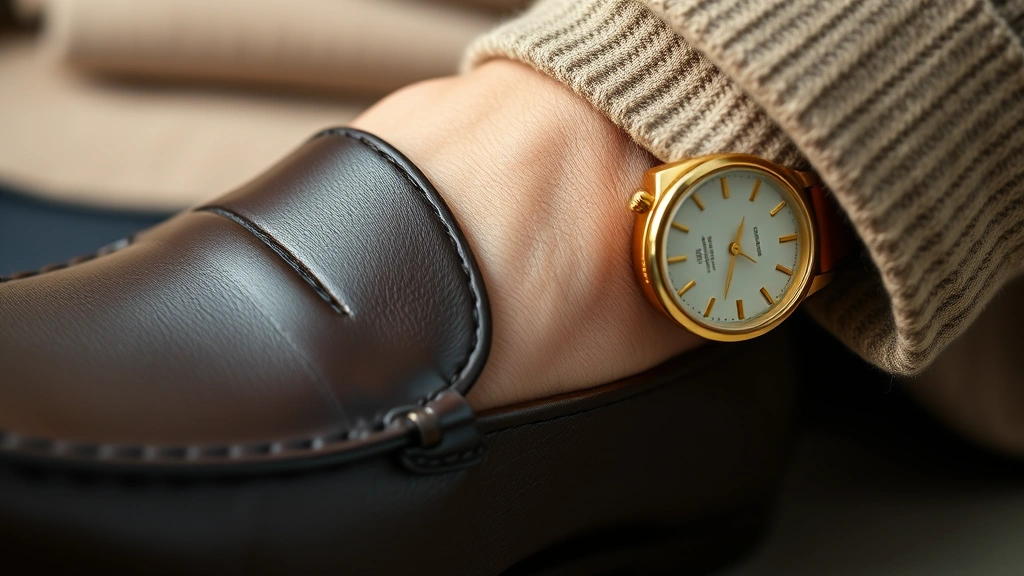
Tony Soprano’s attention to accessories elevated his overall aesthetic from simple to sophisticated. His watch selection deserved particular note—quality timepieces from respected manufacturers appeared regularly, suggesting both wealth and an appreciation for craftsmanship. A good watch serves as jewelry for men, communicating taste and success without demanding attention.
His jewelry choices demonstrated restraint and intentionality. Gold chains appeared occasionally but never excessively. Rings, when worn, selected classic styles rather than trendy designs. This selective approach to jewelry suggested that Tony viewed accessories as finishing touches rather than focal points. The principle here—less is more—remains timeless in men’s fashion.
Belts, while often overlooked, received careful attention in Tony’s wardrobe. Quality leather belts in brown and black coordinated with his trousers and shoes, completing the polished look without drawing attention. The belt buckles remained simple and elegant rather than oversized or ornate.
Sunglasses appeared frequently, particularly during outdoor scenes or when Tony needed to project cool detachment. His selections favored classic styles—aviators and similar timeless designs—rather than trendy frames. The sunglasses served both practical and psychological purposes, adding an air of mystery while protecting his eyes.
His eyeglass choices for reading or formal occasions similarly favored classic frames. Tony selected styles that complemented his face shape without appearing fashionable or trendy. This commitment to timeless accessories over trend-driven choices remains one of his most valuable style lessons.
Building Your Tony Soprano Wardrobe
Creating a wardrobe inspired by Tony Soprano’s aesthetic requires understanding his core philosophy: quality over quantity, comfort without sacrificing sophistication, and timeless style over trends. Begin by investing in foundational pieces in your chosen color palette. Select three to five quality polo shirts from premium brands, ensuring they fit properly and feel comfortable. These pieces should serve as your everyday uniform, appearing effortlessly put-together rather than obviously styled.
Next, acquire several sweaters and cardigans in neutral tones. Prioritize fit and fabric quality—cashmere or high-quality cotton blends provide the comfort and appearance Tony’s wardrobe demands. These pieces should layer well over your polo shirts, creating the dimensional look that characterized his style.
Invest in well-tailored trousers in your neutral palette. Khakis, charcoal, navy, and taupe should form the foundation of your bottom-wear selection. Proper tailoring matters tremendously here; even expensive trousers appear cheap if they don’t fit correctly. Consider having pieces tailored to your specific measurements.
A quality sport coat or blazer in navy or charcoal completes the essentials. This piece elevates casual outfits for slightly dressier occasions while maintaining consistency with your overall aesthetic. Select a classic cut that will remain appropriate for years rather than following current fashion trends.
For footwear, invest in quality leather loafers, Italian leather shoes for formal occasions, and one pair of premium sneakers. These shoes should be impeccably maintained, cleaned regularly, and polished as needed. Your shoes communicate as much about your style as any other element of your outfit.
Finally, select accessories deliberately. A quality watch, leather belt, and subtle jewelry complete your wardrobe. Each piece should feel intentional rather than accumulated randomly. This curated approach to accessorizing reflects Tony’s philosophy that every element of appearance deserves consideration.
Modern Interpretation and Contemporary Style
While The Sopranos aired in the late 1990s and early 2000s, Tony Soprano’s aesthetic translates remarkably well to contemporary fashion. The timeless color palette, emphasis on quality basics, and fit-focused philosophy remain entirely relevant. Modern interpretations can honor his style while incorporating current sensibilities.
Contemporary luxury brands like Brunello Cucinelli, Loro Piana, and Reiss offer the premium basics that form Tony’s wardrobe foundation. These designers understand that sophisticated dressing often means elevated basics rather than statement pieces. Their polo shirts, sweaters, and trousers provide the quality and fit that Tony’s aesthetic demands.
Modern tailoring has also improved dramatically, making it easier to achieve the perfectly fitted look that characterized Tony’s style. Contemporary tailors can create custom pieces that fit your specific frame, ensuring the polished appearance that separates Tony’s look from simple casual wear.
The contemporary fashion world’s return to “quiet luxury”—understated, quality-focused style—directly aligns with Tony Soprano’s approach. The current trend toward investment pieces in neutral colors, premium fabrics, and timeless cuts represents a modern evolution of the philosophy that always guided his wardrobe choices. Exploring the StyleLoom Daily Blog reveals how current fashion trends increasingly embrace the timeless principles that Tony Soprano embodied.
Men today can draw from Tony’s playbook while incorporating modern elements. A contemporary tracksuit in premium fabrics honors his iconic look while feeling current. Oversized sweaters paired with fitted trousers create a modern silhouette while maintaining his aesthetic philosophy. The key remains consistency: selecting pieces that work together, prioritizing quality and fit, and maintaining a cohesive color palette.
Fashion experts increasingly recognize that true style transcends trends. Vogue’s guide to building a capsule wardrobe emphasizes many principles that Tony Soprano intuitively understood—investing in versatile basics, prioritizing fit, and creating a cohesive aesthetic. The Cut’s perspective on dressing well similarly advocates for quality basics and intentional choices over trend-chasing, philosophies that align perfectly with Tony’s approach.
The enduring appeal of Tony Soprano’s style lies in its fundamental soundness. He dressed like a man secure in himself, confident enough not to follow fashion rules or seek constant validation through clothing choices. This quiet confidence remains the most valuable lesson his wardrobe teaches. Even when exploring contemporary fashion options, the principle of dressing for yourself rather than for external validation remains paramount.
FAQ
What brands did Tony Soprano wear?
Tony favored premium brands including Ralph Lauren, Tommy Hilfiger, and Italian luxury labels. While specific brands appeared throughout the series, the emphasis remained on quality and fit rather than logos. Contemporary replications can use modern premium brands that share Tony’s quality standards and aesthetic philosophy.
Can I wear Tony Soprano style in modern times?
Absolutely. His timeless color palette, emphasis on quality basics, and fit-focused approach remain entirely contemporary. In fact, current fashion trends toward quiet luxury and investment pieces directly align with his aesthetic. The key is selecting modern pieces that honor his philosophy rather than attempting to replicate exact items from the show.
How do I achieve the perfect fit like Tony?
Professional tailoring proves essential. Invest in quality basics, then have them tailored to your specific measurements. A good tailor can adjust sleeve length, torso fit, and inseam to create the polished appearance that characterizes Tony’s style. This single investment dramatically improves how your entire wardrobe appears.
What’s the most important piece in Tony Soprano’s wardrobe?
The well-fitted polo shirt serves as his foundational piece. This versatile item appeared in nearly every episode, often layered with sweaters or worn solo. Quality polo shirts in neutral colors form the backbone of an accessible Tony Soprano-inspired wardrobe.
How much should I spend on Tony Soprano-inspired pieces?
Quality matters more than quantity. Invest in fewer, better pieces rather than numerous cheap items. Premium polo shirts, quality sweaters, and well-tailored trousers provide lasting value. Budget for professional tailoring, which often costs as much as the pieces themselves but dramatically improves the final appearance.
Are tracksuits appropriate for adults?
Premium tracksuits in quality fabrics absolutely work for adults, particularly when worn with intention and proper fit. The key distinction lies in selecting high-quality athletic wear rather than cheap gym clothes. Modern luxury brands offer sophisticated tracksuit options that honor Tony’s iconic look while feeling contemporary.