Top Swedish Fashion Brands: Expert Picks & Style Authority
Sweden has quietly established itself as one of Europe’s most influential fashion capitals, producing innovative brands that seamlessly blend minimalist design philosophy with contemporary sophistication. From Stockholm’s bustling design district to the innovative ateliers scattered across the Nordic landscape, Swedish fashion brands represent a unique aesthetic that prioritizes quality, sustainability, and timeless elegance. This curated selection of expert-recommended brands showcases why Swedish designers have become essential to understanding modern luxury and accessible fashion.
The Swedish fashion industry draws inspiration from the country’s natural landscape, cultural values, and commitment to environmental responsibility. Unlike the maximalist trends dominating other fashion capitals, Swedish brands embrace the concept of “lagom”—the Swedish philosophy of “just the right amount.” This approach has revolutionized how we think about personal style and wardrobe construction, making Swedish fashion increasingly relevant to style-conscious consumers worldwide seeking meaningful, sustainable alternatives.
Acne Studios: Contemporary Innovation & Rebellion
Founded in 1996 by Jonny Johansson, Acne Studios represents the rebellious, forward-thinking spirit of modern Swedish fashion. Based in Stockholm, this powerhouse brand has transcended its origins as a denim specialist to become a globally recognized design house that challenges conventional luxury aesthetics. The brand’s name—standing for “Ambition to Create Novel Expression”—perfectly encapsulates its philosophy of continuous innovation and creative boundary-pushing.
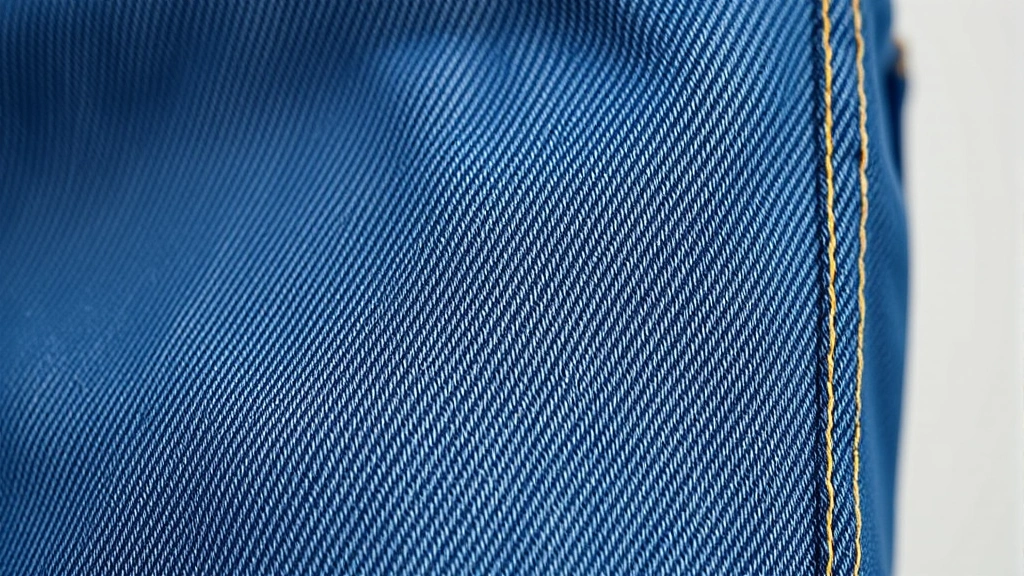
Acne Studios distinguishes itself through meticulous craftsmanship, experimental silhouettes, and an unwavering commitment to quality materials. The brand’s signature denim remains iconic, featuring distinctive stitching patterns and unconventional washes that have influenced countless designers worldwide. What makes Acne Studios particularly compelling is its ability to balance accessibility with exclusivity, offering pieces that feel both contemporary and timeless. Their collections often feature unexpected color palettes, asymmetrical cuts, and texture combinations that reward careful styling.
The brand’s influence extends beyond clothing into footwear, accessories, and collaborations with contemporary artists and designers. Acne Studios frequently partners with Vogue and other prestigious fashion publications to showcase collections that consistently challenge industry norms. For those exploring different types of fashion styles, Acne Studios offers a masterclass in contemporary design philosophy that bridges streetwear sensibilities with high fashion sophistication.
Filippa K: Scandinavian Minimalism Perfected
If Swedish fashion has a minimalist manifesto, Filippa K wrote it. Established in 1993 by Filippa Knutsson, this Stockholm-based brand epitomizes the essence of Scandinavian design: clean lines, impeccable tailoring, and an obsessive focus on fabric quality. Filippa K has become synonymous with the “Swedish style” aesthetic that fashion editors and style influencers worldwide consistently reference when discussing timeless wardrobe essentials.
The brand’s design philosophy centers on creating garments that transcend seasonal trends, emphasizing versatility and longevity. Every piece undergoes rigorous quality control, with particular attention paid to seam construction, fabric weight, and color accuracy. Filippa K’s color palette reflects Scandinavian landscapes—soft grays, warm beiges, deep blacks, and occasional jewel tones that feel both modern and sophisticated. The brand’s commitment to sustainability has evolved over decades, with recent collections increasingly featuring organic cotton, recycled materials, and responsible production practices.
What distinguishes Filippa K from other minimalist brands is its refusal to sacrifice personality for simplicity. While designs appear understated, they contain subtle details—unexpected fabric combinations, thoughtful proportions, and sophisticated construction techniques—that reveal themselves through extended wear and styling exploration. For anyone seeking to find your personal style, Filippa K provides an excellent foundation, offering pieces that work across multiple aesthetic frameworks and life stages.
J. Lindeberg: Golf-Inspired Luxury Heritage
J. Lindeberg presents a fascinating case study in how niche heritage can evolve into global fashion relevance. Founded in 1996 by Johan Lindeberg as a golf apparel company, the brand has transformed into a multifaceted luxury label that extends far beyond its sporting roots. This Stockholm-based company demonstrates how Swedish brands excel at combining functional design principles with contemporary fashion sensibilities.
The brand’s golf heritage remains evident in its meticulous attention to technical fabrication, precision tailoring, and color coordination. However, J. Lindeberg has successfully positioned itself as a lifestyle brand that appeals to fashion-forward consumers who appreciate quality construction without necessarily engaging with golf culture. Their seasonal collections often feature innovative textile treatments, sophisticated color blocking, and silhouettes that feel both accessible and distinctly high-fashion.
J. Lindeberg’s success internationally demonstrates the global appetite for Swedish design principles applied to luxury fashion. The brand collaborates regularly with fashion design experts and maintains a strong presence in premium department stores worldwide. Their commitment to heritage combined with contemporary innovation makes J. Lindeberg essential for understanding how Swedish brands navigate the luxury market while maintaining authentic design perspectives.
Ganni: Sustainability Meets Bold Design
Ganni represents the new generation of Swedish fashion brands that refuse to separate style from sustainability. Founded in 2000 by Ditte and Nicolaj Reedtz, Ganni has evolved from a small Copenhagen-based company into a globally influential brand that challenges the fashion industry’s environmental and social standards. While technically Danish-founded, Ganni’s strong connections to Swedish design philosophy and significant presence in Stockholm’s fashion ecosystem warrant its inclusion among top Nordic brands.
What makes Ganni exceptional is its transparent approach to sustainability. Rather than greenwashing or making vague environmental claims, the brand publishes detailed responsibility reports, acknowledges its supply chain challenges, and actively works toward measurable improvements. Ganni’s design aesthetic balances bold colors, unexpected silhouettes, and contemporary trends with the understanding that sustainability requires designing for longevity and emotional resonance.
The brand’s collections appeal to style-conscious consumers who refuse to compromise between aesthetics and ethics. Ganni pieces often feature vibrant color palettes, innovative fabric treatments, and silhouettes that feel both fashion-forward and wearable. For those interested in fashion-forward choices that align with contemporary values, Ganni demonstrates how Swedish design principles can drive meaningful industry change while maintaining commercial viability and creative excellence.
Baum und Pferdgarten: Quirky Scandinavian Spirit
Baum und Pferdgarten (translating to “tree and horse garden”) captures the whimsical, nature-inspired creativity that characterizes the best Scandinavian design. This Copenhagen-based brand, founded by Rikke Baumgarten and Cecilia Christiansen, brings a distinctly artistic perspective to Swedish-influenced fashion, emphasizing prints, textures, and unexpected color combinations that feel both playful and sophisticated.
The brand’s design language draws from Scandinavian folklore, botanical illustrations, and contemporary art movements. Baum und Pferdgarten pieces often feature distinctive prints, interesting fabric combinations, and silhouettes that reward creative styling. Unlike minimalist Swedish brands, Baum und Pferdgarten embraces pattern and personality while maintaining the quality standards and design sophistication associated with Nordic fashion. The brand has gained significant international recognition through collaborations with retailers and media outlets that appreciate its unique perspective.
For fashion enthusiasts seeking to explore style guides that celebrate individual expression within Scandinavian frameworks, Baum und Pferdgarten offers compelling inspiration. The brand demonstrates that Swedish design philosophy accommodates diverse aesthetic approaches, from minimalism to maximalism, as long as execution remains impeccable and design intentions clear.
Image placement note:
should appear here
Becoming a Swedish Fashion Insider: Essential Knowledge
Understanding Swedish fashion brands requires appreciating the cultural context that shaped their design philosophies. The Swedish concept of “lagom” extends beyond fashion into lifestyle choices, emphasizing balance, sustainability, and thoughtful consumption. This cultural foundation explains why Swedish brands consistently prioritize quality over quantity, timelessness over trends, and responsible production over rapid expansion.
Swedish fashion brands also share a commitment to craftsmanship traditions rooted in Nordic heritage. Many brands employ skilled artisans, maintain production standards that exceed industry expectations, and invest in employee welfare and fair labor practices. This dedication to human-centered production distinguishes Swedish brands in an industry often characterized by exploitation and shortcuts.
The Stockholm fashion scene itself deserves recognition as a crucial incubator for Swedish design talent. The city hosts Stockholmsmässan, a major fashion trade fair that showcases emerging designers alongside established brands. Stockholm Fashion Week provides a platform for Swedish designers to present collections to international media and retailers. For anyone interested in fashion design education and careers, studying the Stockholm fashion ecosystem offers valuable insights into how design communities support emerging talent and maintain industry relevance.
Swedish fashion brands increasingly influence global design conversations about sustainability, diversity, and inclusivity. Brands like Acne Studios and Ganni actively work toward more representative fashion imagery, inclusive sizing, and transparent supply chain practices. This leadership demonstrates that Swedish design philosophy naturally aligns with contemporary values around social responsibility and environmental stewardship.
The international success of Swedish fashion brands reflects growing consumer appetite for quality, sustainability, and design integrity. As fast fashion faces increasing criticism and consumer skepticism, Swedish brands’ emphasis on longevity and thoughtful design becomes increasingly relevant. Investing in Swedish fashion pieces often means acquiring wardrobe staples that transcend seasonal trends while supporting brands committed to responsible production practices.
Image placement note:
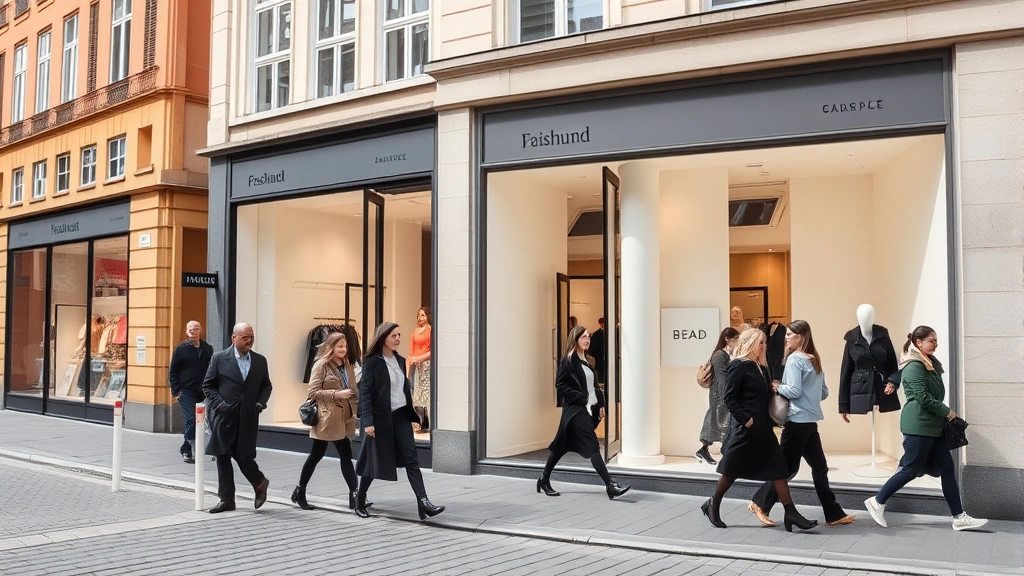
should appear here
FAQ
What makes Swedish fashion brands distinctive?
Swedish fashion brands emphasize minimalism, quality craftsmanship, sustainability, and timeless design. The cultural philosophy of “lagom” (balance and moderation) influences design decisions, encouraging brands to prioritize thoughtful construction and longevity over trend-chasing. Swedish brands typically feature clean aesthetics, sophisticated color palettes, and meticulous attention to fabric and seam quality.
Are Swedish fashion brands expensive?
Price points vary significantly among Swedish brands. Filippa K and J. Lindeberg operate in the luxury segment, while brands like Ganni and Acne Studios offer contemporary luxury pricing. Many Swedish brands justify higher prices through superior craftsmanship, quality materials, and responsible production practices. The investment often translates to longer-lasting pieces that maintain style relevance across multiple seasons.
Where can I purchase Swedish fashion brands?
Swedish fashion brands distribute through their own flagship stores (many located in Stockholm), official websites, and premium department stores worldwide including SSENSE, Farfetch, and Net-a-Porter. Stockholm’s design district offers excellent opportunities to experience brands in person, with many boutiques showcasing multiple Swedish designers.
How do Swedish brands approach sustainability?
Sustainability strategies vary by brand but generally include using organic and recycled materials, implementing transparent supply chain practices, ensuring fair labor standards, and designing for longevity. Brands like Ganni publish detailed responsibility reports, while others focus on specific areas like textile innovation or production efficiency. Many Swedish brands participate in industry initiatives promoting sustainable fashion practices.
What should I know before investing in Swedish fashion?
Swedish fashion pieces are designed for longevity, making them excellent investment purchases. Focus on neutral colors and classic silhouettes that transcend trends. Quality construction means these pieces age beautifully and maintain style relevance across multiple seasons and styling approaches. Consider Swedish brands when building foundational wardrobe pieces rather than seeking trend-driven items.
How do Swedish brands differ from other Scandinavian fashion?
While Swedish, Danish, and Norwegian brands share Nordic design principles, Swedish brands particularly emphasize minimalism and functional design. Swedish fashion tends toward more restrained aesthetics compared to some Danish brands’ bolder color approaches. However, variation exists within Swedish fashion, with brands like Baum und Pferdgarten offering more expressive design perspectives while maintaining quality and sustainability commitments.