Surrealism in Fashion: Designer Insights
Surrealism has transcended the canvas and gallery walls to become one of fashion’s most captivating and thought-provoking movements. This avant-garde approach challenges conventional aesthetics, inviting designers and wearers alike to embrace the illogical, the dreamlike, and the beautifully bizarre. From Salvador Dalí’s iconic lobster dress to contemporary designers pushing boundaries on modern runways, surrealism in fashion represents a rebellion against the mundane—a wearable manifestation of the subconscious mind.
The intersection of surrealism and fashion creates a unique space where art, psychology, and personal expression converge. Designers drawing inspiration from this movement don’t simply create garments; they craft experiences that challenge perception and provoke emotion. Whether through impossible silhouettes, unexpected material combinations, or dreamlike imagery, surrealist fashion invites us to question reality and embrace the extraordinary in our everyday wardrobes.
The Origins of Surrealism in Fashion
Surrealism emerged as an artistic movement in the 1920s, born from the Dada movement and heavily influenced by Freudian psychology. While painters and sculptors were exploring the subconscious through their work, fashion designers recognized the revolutionary potential of applying these principles to clothing. The movement sought to unlock the creative potential of the unconscious mind, celebrating dreams, irrationality, and unexpected juxtapositions as valid sources of artistic expression.
In fashion’s early adoption of surrealism, designers began experimenting with garments that defied logic and challenged the body’s natural proportions. This wasn’t merely about aesthetics; it was a philosophical statement. Surrealist fashion rejected the restrictive ideals of beauty and form that had dominated previous eras. Instead, it championed individuality, imagination, and the liberation of creative thought. The movement attracted designers who viewed clothing as a medium for artistic expression rather than simple functional wear.
The relationship between surrealism and fashion history reveals how transformative this movement has been. By examining different fashion styles, we can see how surrealism influenced subsequent design movements and continues to shape contemporary fashion discourse.
Key Designers Pioneering Surrealist Aesthetics
Salvador Dalí stands as perhaps the most iconic figure in surrealist fashion, though his influence extended far beyond his collaborations with fashion houses. His partnership with fashion designer Elsa Schiaparelli produced some of the most memorable pieces in fashion history. The lobster dress, adorned with a life-sized crustacean, became emblematic of surrealist fashion’s willingness to embrace the absurd and provocative. This collaboration demonstrated that surrealism could translate from fine art into wearable garments that still maintained artistic integrity.
Elsa Schiaparelli herself became a pioneer of surrealist fashion, creating pieces that incorporated unexpected elements like innovative design concepts into haute couture. Her “Desk Suit” featured desk drawers as pockets, while her “Skeleton Dress” used trompe-l’oeil techniques to create optical illusions on the body. These pieces weren’t simply provocative; they were intellectually engaging, forcing viewers to reconsider their assumptions about fashion and function.
Contemporary designers continue this legacy. Alexander McQueen’s theatrical runway presentations frequently incorporated surrealist elements, creating garments that seemed to defy physics and anatomy. Iris van Herpen’s innovative use of 3D printing and unconventional materials creates pieces that appear almost alien, yet impossibly elegant. Rick Owens’ sculptural approach to silhouette and form maintains a surrealist sensibility through abstraction and distortion of the human form.
The work of these designers reminds us that finding your personal style can involve embracing unconventional aesthetics and challenging traditional notions of beauty.
Techniques and Design Elements
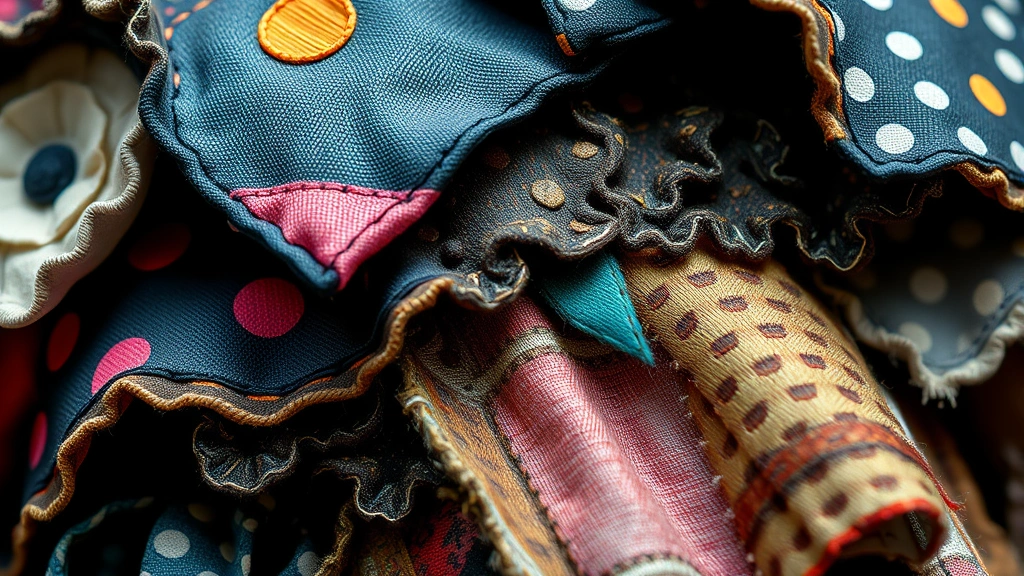
Surrealist fashion employs several distinctive techniques that set it apart from other design movements. Juxtaposition—placing unexpected elements together—creates cognitive dissonance that challenges viewers’ perceptions. A coat with oversized, exaggerated proportions, or a dress featuring seemingly unrelated patterns merged together, forces us to reconsider our relationship with clothing and the body.
Optical illusions represent another crucial technique in surrealist design. Designers use pattern, color, and perspective to create visual tricks that distort the body’s silhouette or create impossible spatial relationships. These pieces engage viewers intellectually, rewarding closer examination with hidden details and layered meanings.
Metamorphosis—the transformation of one object into another—appears frequently in surrealist fashion. A garment might feature elements that suggest multiple identities or functions simultaneously. A dress could appear to be made of stone, or a jacket might incorporate elements that resemble organic forms like mushrooms or coral. This technique taps into the surrealist fascination with transformation and fluidity of identity.
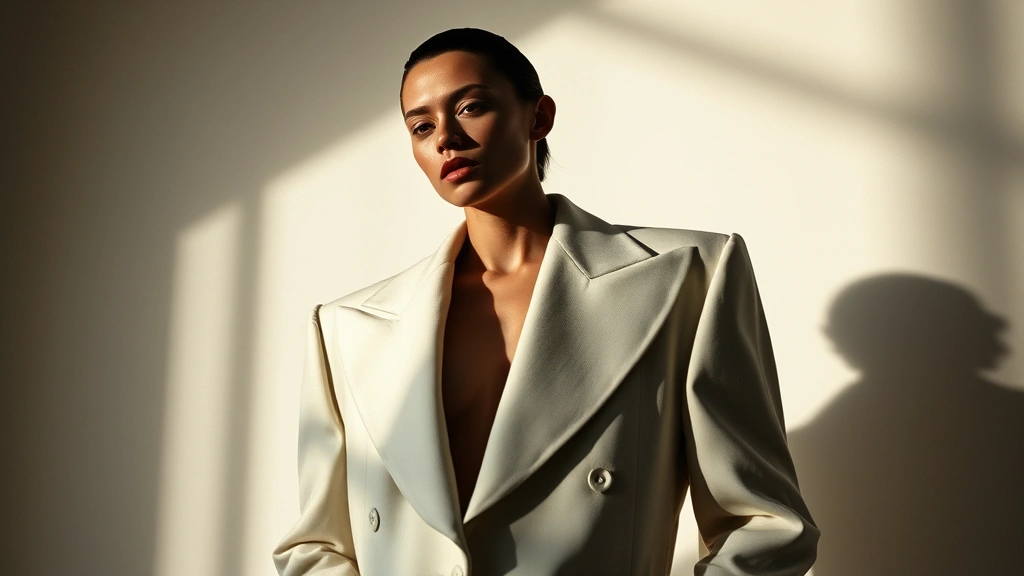
Exaggeration and distortion push proportions to extreme levels. Oversized shoulders, elongated hems, or inflated sections create silhouettes that seem impossible yet somehow maintain an ethereal grace. This approach challenges conventional beauty standards and creates garments that function as wearable art rather than conventional clothing.
Material Innovation and Experimentation
Surrealist designers frequently challenge conventions through their material choices. The movement encourages experimentation with unexpected fabrics and textures, combining materials in ways that seem illogical yet visually striking. A designer might pair rigid architectural materials with flowing silks, creating tension between the structured and the ethereal.
Innovative textile development plays a crucial role in contemporary surrealist fashion. Designers work with textile engineers to create fabrics that behave in unexpected ways—materials that shift color with movement, fabrics with unusual surface qualities, or textiles that incorporate three-dimensional elements. These innovations allow designers to realize their surrealist visions with technical precision.
Unconventional material sourcing adds another dimension to surrealist design. Some designers incorporate found objects, recycled materials, or unexpected elements into their garments. This approach aligns with surrealism’s embrace of the mundane and everyday as sources of artistic inspiration. A coat might feature vintage hardware, a dress could incorporate fragments of photographs, or a jacket might be adorned with sculptural elements that reference industrial materials.
The digital age has expanded possibilities for surrealist fashion. 3D printing technology allows designers to create components that would be impossible to produce through traditional methods. This technology enables the realization of complex, organic forms that enhance the dreamlike quality of surrealist designs.
Surrealism Meets Personal Style
Understanding how to incorporate surrealist elements into your wardrobe requires balancing artistic expression with wearability. Surrealist fashion doesn’t demand that you dress like you’ve stepped out of a Salvador Dalí painting; instead, it invites you to embrace unexpected combinations and challenge your style conventions. When exploring fashion inspiration and quotes, you’ll find that surrealist philosophy encourages creative risk-taking and self-expression through clothing.
Personal style becomes more dynamic when influenced by surrealist principles. Rather than adhering strictly to conventional color palettes or silhouettes, surrealism encourages mixing unexpected patterns, textures, and proportions. A vintage blazer with exaggerated shoulders paired with a flowing, patterned skirt and sculptural jewelry creates a surrealist-inspired look that feels contemporary and individualized.
The key to successfully incorporating surrealism into your personal aesthetic lies in intentionality. Each piece should contribute to an overall narrative or feeling, even if that narrative is dreamlike or illogical. Surrealist fashion celebrates the unconventional, but it does so with purpose and artistic vision. Your wardrobe becomes a canvas for self-expression, where unusual combinations and unexpected juxtapositions create a distinctive visual identity.
Confidence plays an essential role in wearing surrealist-inspired pieces. These garments often demand attention and provoke reactions. Embracing this boldness—refusing to apologize for unconventional choices—allows you to fully embody the surrealist spirit.
Contemporary Surrealist Fashion Trends
Modern surrealist fashion continues to evolve, incorporating contemporary concerns and technologies while maintaining the movement’s core principles. Current trends include an increased focus on sustainability and ethical production, with surrealist designers creating pieces from recycled or upcycled materials. This evolution demonstrates that surrealism remains relevant and adaptable to contemporary values.
Digital design and virtual fashion represent emerging frontiers for surrealist aesthetics. Designers create impossible garments for digital environments, exploring surrealist concepts without the constraints of physical wearability. This digital experimentation often influences physical collections, as designers test ideas in virtual spaces before translating them into tangible garments.
Gender-fluid and genderless surrealist fashion challenges conventional notions of masculine and feminine aesthetics. Contemporary surrealist designers create pieces that celebrate the body in all its diversity, rejecting binary categorizations in favor of fluid, individual expression. These designs often feature unexpected proportions and silhouettes that transcend traditional gender presentations.
Maximalism represents another contemporary surrealist trend, embracing excess, pattern-mixing, and visual abundance. Rather than minimalist restraint, contemporary surrealist fashion celebrates layering, clashing prints, and the accumulation of unexpected elements. This approach reflects a cultural shift toward celebrating individuality and rejecting homogenized aesthetic standards.
The influence of surrealism extends across fashion price points, from haute couture to streetwear. Emerging designers and established houses alike draw inspiration from surrealist principles, democratizing access to surrealist-influenced fashion. This accessibility allows more people to explore and experiment with surrealist aesthetics in their personal style choices.
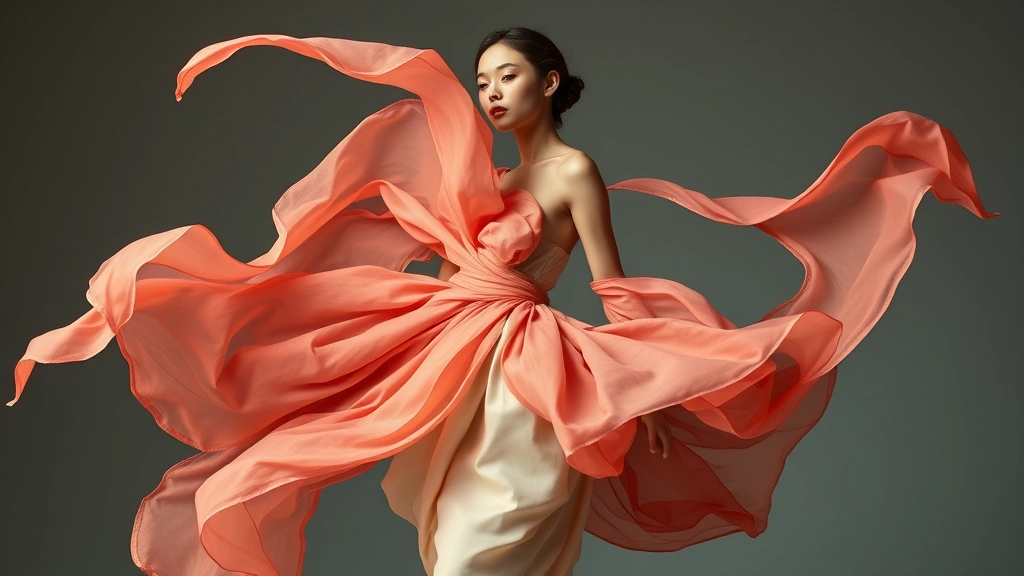
How to Incorporate Surrealism Into Your Wardrobe
Building a surrealist-inspired wardrobe begins with collecting pieces that challenge conventional aesthetics. Look for garments with unexpected silhouettes, unusual proportions, or surprising design details. Vintage and secondhand shopping often yields treasures—pieces with exaggerated shoulders, asymmetrical hemlines, or unusual construction that embodies surrealist principles.
Mixing and matching becomes an art form when incorporating surrealism into your style. Combine unexpected patterns and textures, pair structured pieces with flowing elements, and experiment with color combinations that seem illogical but somehow work together. This approach requires confidence and willingness to take risks, but the results can be incredibly distinctive and personally meaningful.
Accessorizing offers an accessible entry point for surrealist fashion exploration. Statement jewelry with unusual forms, sculptural shoes, or bags featuring unexpected details allow you to incorporate surrealist elements without committing to a full surrealist wardrobe. These pieces add visual interest and demonstrate your engagement with surrealist aesthetics.
Layering creates opportunities for surrealist-inspired styling. By combining multiple pieces with different proportions, textures, and visual weights, you create complex compositions that engage viewers and reward closer examination. This approach allows you to build surrealist looks gradually, incorporating pieces you already own while adding new elements over time.
Photography and styling become essential skills when wearing surrealist-inspired fashion. These pieces often photograph beautifully, creating striking images that capture the dreamlike quality of surrealist design. Consider how you’ll present your surrealist looks through photography, as the visual documentation becomes part of the artistic expression.
Finally, embrace the experimental nature of surrealist fashion. Don’t fear mistakes or unconventional combinations. Surrealism celebrates the unexpected and the illogical. Your willingness to experiment, take risks, and challenge conventional style wisdom embodies the true spirit of surrealist fashion. Remember that contemporary fashion blogs showcase diverse style approaches, including surrealist interpretations that might inspire your own explorations.
FAQ
What exactly is surrealism in fashion?
Surrealism in fashion is an artistic approach that applies surrealist principles—emphasizing dreams, the unconscious mind, and illogical juxtapositions—to clothing design. It challenges conventional aesthetics through unexpected silhouettes, material combinations, and visual tricks that provoke thought and emotion.
Can I wear surrealist fashion in everyday life?
Absolutely. While haute couture surrealist pieces might be reserved for special occasions, you can incorporate surrealist-inspired elements into everyday wear through accessories, unexpected color combinations, or unique silhouettes. The key is finding pieces that feel authentic to your personal style while embracing surrealist principles.
Which contemporary designers are known for surrealist fashion?
Designers like Iris van Herpen, Rick Owens, Yohji Yamamoto, and Haider Ackermann all incorporate surrealist elements into their work. Emerging designers across various price points also explore surrealist aesthetics, making this style increasingly accessible.
How do I start building a surrealist-inspired wardrobe?
Begin by collecting pieces with unusual proportions, unexpected details, or interesting silhouettes. Explore vintage and secondhand shopping, experiment with unexpected combinations, and use accessories to incorporate surrealist elements. Allow your wardrobe to evolve gradually as you develop comfort with surrealist aesthetics.
Is surrealist fashion still relevant today?
Surrealist fashion remains highly relevant and continues to evolve. Contemporary designers incorporate new technologies, address sustainability concerns, and explore gender-fluid aesthetics through surrealist principles. The movement’s emphasis on individual expression and artistic integrity resonates strongly with contemporary values.
What’s the difference between surrealist fashion and other avant-garde styles?
While avant-garde fashion generally challenges conventions, surrealist fashion specifically emphasizes dreamlike qualities, illogical juxtapositions, and engagement with the unconscious mind. Surrealism has a distinct philosophical foundation rooted in Freudian psychology and artistic movements of the 1920s.