Revive Seventies Style: Expert Men’s Guide to Mastering 70s Fashion
The 1970s remain one of the most influential decades in men’s fashion history, a golden era where bold self-expression met sophisticated tailoring. From disco fever to bohemian sophistication, seventies fashion for men offered a refreshing departure from the rigid dress codes of previous generations. Today’s style-conscious men are rediscovering this transformative period, blending vintage authenticity with contemporary sensibilities to create looks that feel both nostalgic and undeniably modern.
Whether you’re drawn to the relaxed elegance of the early 70s or the glittering excess of the disco era, understanding how to authentically incorporate seventies elements into your wardrobe requires more than simply throwing on a vintage piece. It demands knowledge of the decade’s defining silhouettes, color palettes, and cultural movements. This comprehensive guide will equip you with the expertise to navigate seventies fashion with confidence and style.
The resurgence of 70s aesthetics in contemporary fashion proves that great style transcends time. Designers from Vogue to luxury fashion houses continuously draw inspiration from this era, recognizing that the decade’s emphasis on individuality and experimentation remains profoundly relevant. By learning to find your personal style through a seventies lens, you’ll unlock a wardrobe full of possibilities.
Defining Silhouettes of the 70s
The silhouettes of seventies fashion for men represent a dramatic shift toward comfort and individualism. Gone were the slim, restrictive cuts of the 1960s; the 70s introduced relaxed fits that celebrated the male form without constraining it. Understanding these foundational shapes is crucial for authentically capturing the era’s aesthetic.
The most iconic silhouette emerged through wide-leg trousers, which became the uniform of the decade. These weren’t just casual pants—they were a statement. Wide-leg cuts featured high waistbands, often sitting at or above the natural waist, with legs that gradually widened from knee to ankle. The inseam typically reached the shoe, creating a continuous line that elongated the leg. This silhouette worked across all settings, from business casual to evening wear, making it the foundation of any seventies-inspired wardrobe.
Flared jeans deserve special mention as they became synonymous with 70s rebellion and casual style. Unlike modern skinny or straight-leg options, 70s flares began at the knee and expanded dramatically toward the hem, often featuring a bell-bottom silhouette. The fit celebrated movement and attitude, embodying the decade’s free-spirited ethos. When incorporating flares into your modern wardrobe, choose a more subtle version than the extreme styles of 1977-1979, allowing contemporary sensibilities to guide proportions.
Layering defined the seventies approach to men’s dressing. Oversized shirts, often left unbuttoned and worn over fitted undershirts or t-shirts, created visual interest and dimension. Collars grew noticeably larger—the classic point collar expanded to what became known as the “disco collar,” which extended nearly to the shoulders. These broad collars weren’t merely decorative; they served as a canvas for patterns and textures that became hallmarks of the era.
The leisure suit, though often mocked in retrospect, perfectly encapsulates seventies silhouette philosophy. Constructed from polyester or cotton-blend fabrics, these single-breasted jackets featured wide lapels, often with a matching shirt integrated into the design. The jacket typically hit mid-hip, paired with equally relaxed trousers. Understanding that leisure suits represented genuine style innovation of their time helps modern wearers appreciate the broader silhouette principles they embodied.
For formal occasions, oversized blazers dominated the landscape. These jackets featured exaggerated shoulders, generous lapels, and button placements that fell lower than contemporary standards. The fit through the torso remained relatively loose, creating a distinctly 70s silhouette that conveys confidence and authority. Pairing these blazers with wide-leg trousers creates an instantly recognizable seventies look.
The Essential Color Palette
Color selection distinguishes seventies fashion from other decades, reflecting the era’s optimism and cultural diversity. The palette ranged from earthy naturals to vibrant jewel tones, with specific color combinations evoking different aspects of 70s culture.
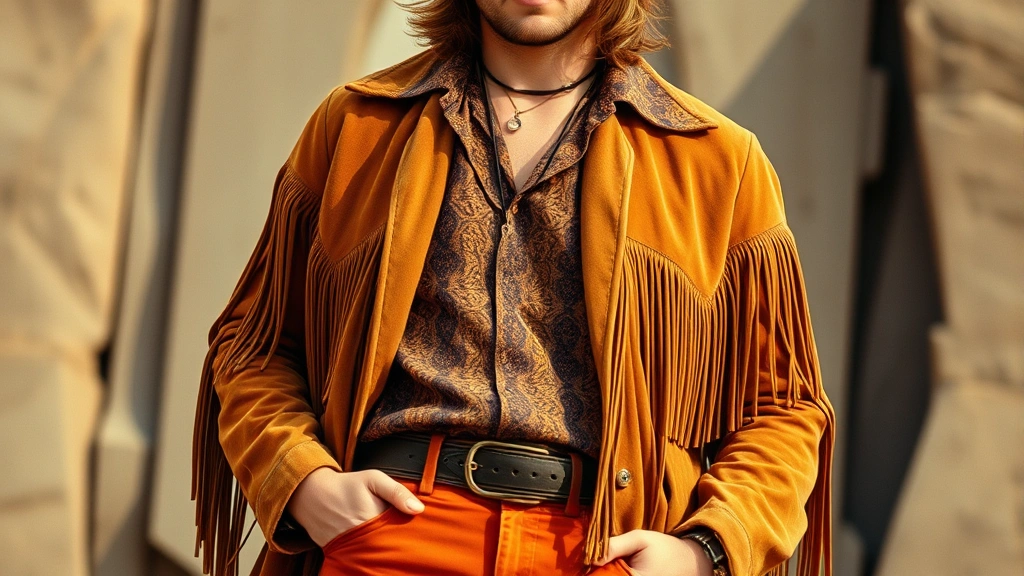
Earth tones dominated early-seventies style, influenced by the environmental movement and back-to-nature philosophy. Burnt orange, mustard yellow, olive green, chocolate brown, and rust red appeared across shirts, sweaters, and trousers. These warm, grounding colors conveyed authenticity and connection to nature. Modern interpretations benefit from using these tones as neutrals—a burnt orange shirt pairs beautifully with chocolate brown trousers, creating a sophisticated palette that feels vintage without appearing costume-like.
Jewel tones gained prominence as disco culture flourished in the mid-to-late 70s. Emerald green, sapphire blue, ruby red, and amethyst purple appeared in evening wear, particularly in polyester fabrics that caught light dramatically. These rich colors represented luxury and celebration, perfect for evening events and dance venues. In contemporary styling, incorporating jewel tones through accessories or a single statement piece prevents the look from becoming overwhelming.
The disco palette introduced metallics and high-saturation colors. Gold, silver, and bronze fabrics caught light and created visual movement on the dance floor. Paired with black or deep jewel tones, these metallics created the quintessential disco aesthetic. Modern wearers should approach metallics with restraint—perhaps a gold-trimmed shirt or silver-accented accessories rather than full metallic ensembles.
Neutral combinations remained steadfast throughout the decade, particularly for professional settings. Cream, beige, tan, navy, and black provided sophisticated backdrops for patterned shirts and accessories. Understanding that seventies style balanced bold elements with neutral anchors helps modern wearers create balanced, wearable looks. A cream leisure suit, for instance, becomes more contemporary when styled with minimal accessories and modern footwear.
When exploring the complete fashion history timeline, you’ll notice how color psychology influenced each era’s palette. The 70s specifically embraced colors that conveyed optimism, spirituality, and individuality—a marked departure from the restrained palettes of the 1950s and early 1960s.
Key Pieces Every Man Needs
Building an authentic seventies wardrobe requires understanding which pieces form the foundation of 70s style. These essentials work across multiple settings and serve as building blocks for countless outfit combinations.
The patterned dress shirt stands as perhaps the most essential seventies piece. Patterns included geometric prints, paisley designs, floral motifs, and abstract compositions. Fabrics ranged from cotton to polyester blends, with textures adding visual interest. The iconic disco collar featured prominently, sometimes extending dramatically. When selecting patterned shirts, choose quality construction and fabrics that age gracefully. Vintage polyester shirts have developed character; modern reproductions in cotton offer a more contemporary interpretation.
Wide-leg trousers in solid colors provide the neutral foundation for seventies looks. Invest in quality tailoring—properly fitted wide-leg trousers with a high waistband create the silhouette that defines the era. Navy, chocolate brown, cream, and black work across multiple seasons and occasions. The key to modern wearability lies in selecting trousers with a subtle flare rather than extreme bell-bottoms, allowing you to wear them with contemporary footwear.
Turtlenecks and mock necks appeared prominently in seventies menswear, particularly in rich earth tones and jewel colors. These pieces layered beautifully under blazers and worked as standalone options during colder months. Turtlenecks in cream or chocolate brown convey sophistication and pair effortlessly with wide-leg trousers. The fitted nature of turtlenecks balances the relaxed proportions of seventies silhouettes.
The denim shirt deserves recognition as a seventies staple that remains relevant today. Worn as a jacket, layering piece, or standalone shirt, denim in various washes provided texture and visual interest. Chambray variations added sophistication, while darker denim conveyed casual ruggedness. Denim shirts with western-inspired details—pearl snaps, embroidery, and yoke designs—captured the country-rock aesthetic popular during the decade.
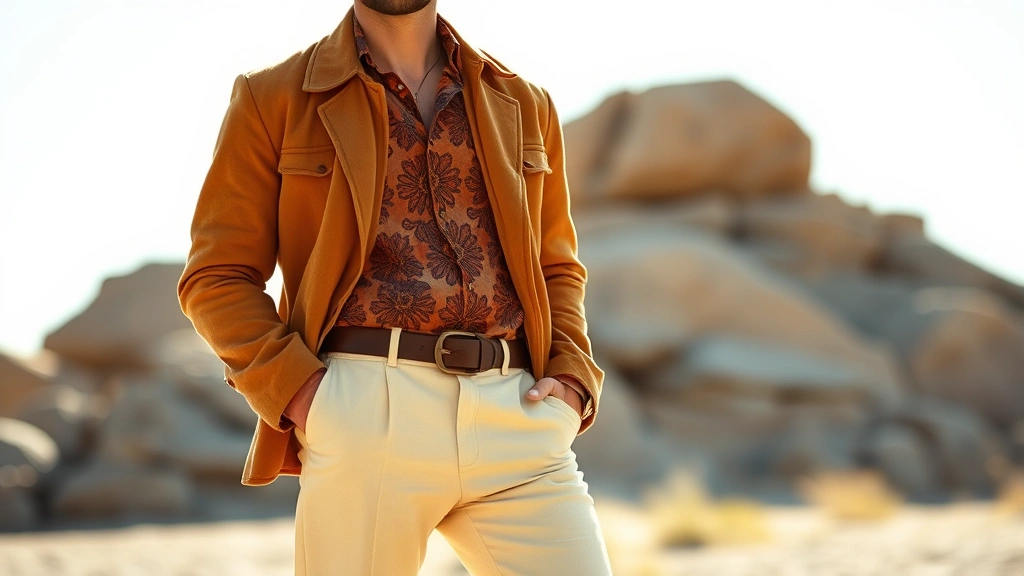
Suede and leather jackets represented investment pieces in seventies style. Fringe detailing, worn finishes, and rich earth tones characterized authentic examples. A caramel suede jacket or chocolate leather bomber conveyed rock-and-roll credibility while remaining versatile enough for multiple settings. Modern wearers benefit from seeking vintage examples or contemporary reproductions that prioritize quality construction.
Knit sweaters and cardigans in chunky textures provided warmth while adding visual interest. Argyle patterns, cable knits, and textured weaves in earth tones and jewel colors appeared frequently. These pieces layered beautifully and worked across casual and business-casual settings. The key to modern styling involves choosing fitted or semi-fitted options rather than oversized versions that can appear costume-like.
Styling Guide: From Casual to Disco
Mastering seventies style requires understanding how to combine pieces appropriately for different occasions. The decade offered remarkable versatility, accommodating everything from casual weekend looks to glamorous evening wear.
Casual Seventies Look: Begin with well-fitted, slightly flared jeans or casual wide-leg trousers in denim or cotton. Layer a solid-colored turtleneck or fitted t-shirt underneath a denim shirt or suede jacket. Add a simple belt with a modest buckle and complete the outfit with clean leather sneakers or casual boots. This approach captures the relaxed, approachable seventies aesthetic while maintaining contemporary wearability. The key lies in balancing proportions—if your trousers are voluminous, keep the upper body relatively fitted.
Business Casual Seventies Style: Pair tailored wide-leg trousers in navy or chocolate brown with a patterned dress shirt featuring a moderate collar. Layer a knit cardigan or sweater in a complementary earth tone over the shirt. Add a simple leather belt and polished shoes—oxfords or loafers work beautifully. This combination conveys professionalism while honoring seventies sensibilities. The patterned shirt provides visual interest without appearing unprofessional, while the layered approach creates dimension.
Evening and Disco Aesthetics: For formal occasions, embrace the full seventies glamour. Select a leisure suit in cream, caramel, or a jewel tone, or pair a blazer with dramatically wide lapels with tailored wide-leg trousers. Layer with a patterned shirt in jewel tones or metallics. Accessorize with a statement belt and polished dress shoes. If attending a disco-themed event, metallics and high-saturation colors become appropriate; otherwise, maintain sophistication through neutral base colors with patterned or textured upper pieces.
Bohemian Seventies Style: Channel the hippie-influenced aesthetic that persisted throughout the decade by combining earth-tone wide-leg trousers with a patterned shirt in warm colors. Add a suede or fringe-trimmed jacket and layer with a simple chain necklace or pendant. This look celebrates individuality and spiritual aesthetics. Modern wearers should approach bohemian elements with intentionality, ensuring pieces feel authentic rather than costume-like.
Understanding how to stay updated with fashion trends through a historical lens helps you recognize which seventies elements remain perpetually stylish versus those that require careful handling. Certain combinations—earth tones, tailored silhouettes, quality layering—transcend specific decades.
Modern Approach to Vintage
Successfully incorporating seventies fashion into contemporary style requires balance. The goal isn’t to appear as though you stepped out of a time machine but rather to thoughtfully integrate vintage elements into a modern wardrobe that reflects current sensibilities.
Proportion matters more than authenticity. While genuine seventies pieces featured extreme proportions—exaggerated flares, oversized collars, voluminous silhouettes—modern interpretations benefit from subtle nods to these elements. A slightly flared trouser rather than a bell-bottom, a moderate disco collar rather than an extreme version, and a relaxed fit rather than a completely oversized silhouette create a contemporary seventies aesthetic. This approach allows you to wear these pieces in professional settings and everyday situations without appearing costume-like.
Mix eras intentionally. Pairing a seventies piece with contemporary items creates visual interest and prevents the look from appearing dated. A vintage patterned shirt styled with modern slim-fit trousers, for instance, creates tension that feels fresh and current. A contemporary leather jacket worn over a seventies-inspired outfit grounds the look in the present. This cross-era styling demonstrates fashion sophistication and personal style development.
Quality construction ensures longevity. Whether shopping vintage or contemporary reproductions, prioritize well-made pieces that will withstand regular wear. Vintage polyester from the 70s sometimes shows its age; quality cotton or cotton-blend reproductions often provide better durability. Examine seams, hems, and overall construction before committing to pieces, particularly if investing in higher-priced items.
Accessorizing bridges eras. Modern accessories—contemporary watches, current shoe styles, minimalist jewelry—paired with seventies pieces create cohesive, wearable looks. A 70s patterned shirt styled with modern sneakers and a contemporary bag feels intentional rather than accidental. This approach allows you to explore seventies aesthetics without fully committing to period-accurate styling.
Confidence completes the look. Seventies style celebrates individuality and self-expression. Wearing vintage or vintage-inspired pieces with confidence makes them work, regardless of current fashion trends. Understanding the historical context and cultural significance of seventies fashion—explored further through Vogue’s seventies fashion resources—helps you wear these pieces with authentic conviction.
Accessories That Complete the Look
Accessories elevate seventies style from simple to sophisticated, providing opportunities for personal expression while refining overall aesthetic.
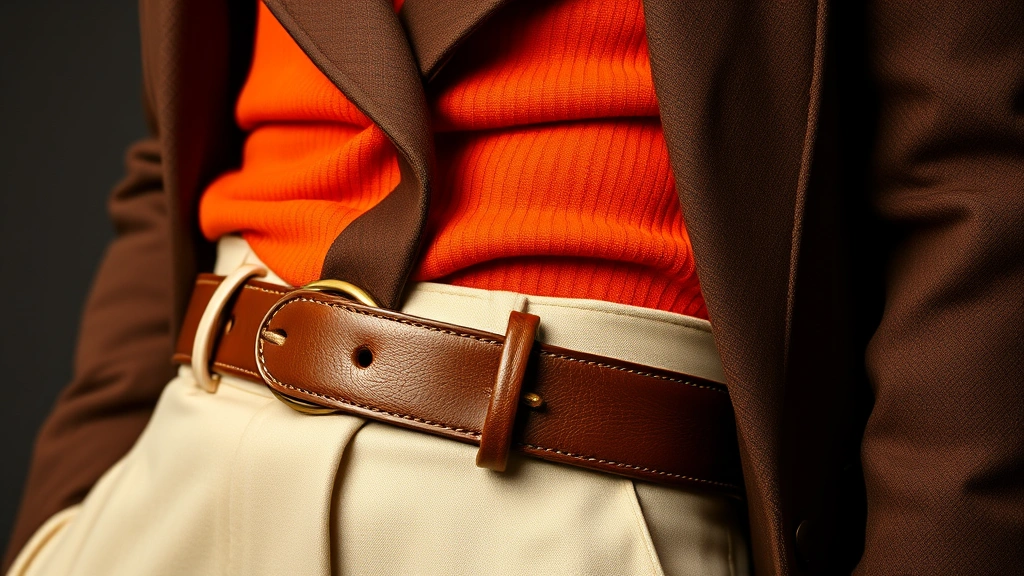
Belts served as statement pieces throughout the seventies. Wide leather belts with substantial buckles—often featuring brass, silver, or gold finishes—paired with suits and casual wear alike. The buckle size often matched the proportions of collar widths and lapels. Modern wearers should select quality leather belts with proportional buckles; oversized contemporary buckles can overwhelm the look, while minimalist modern buckles don’t honor the era’s aesthetic.
Footwear requires careful consideration when styling seventies looks. Platform shoes, while iconic, can appear extreme in contemporary contexts. Instead, consider loafers with substantial soles, desert boots, or casual leather sneakers that nod to 70s silhouettes without appearing costume-like. Chelsea boots in suede or leather work beautifully with tailored seventies outfits, while simple leather oxfords provide professional polish. The key involves selecting shoes with slightly heavier proportions than contemporary minimalist options, maintaining visual balance with wider trousers.
Jewelry in the seventies ranged from subtle to statement-making. Gold chains, pendant necklaces, and rings appeared frequently, particularly in evening contexts. Modern interpretations benefit from restraint—a single quality chain or meaningful pendant rather than multiple pieces. Rings in gold or silver, worn on one or two fingers, add sophisticated detail without overwhelming the look.
Scarves and neckerchiefs provided texture and color variation. Silk scarves tied at the neck, patterned neckerchiefs, and bandanas appeared across different seventies subcultures. Contemporary wearers might incorporate a subtle silk scarf or neckerchief with patterned dress shirts, creating visual interest and honoring seventies sensibilities without appearing costume-like.
Sunglasses with oversized frames, tinted lenses, and substantial proportions defined seventies cool. Modern interpretations of vintage frames remain available; select styles with quality construction and lenses that provide actual sun protection. Oversized frames balance the proportions of seventies silhouettes beautifully.
Hats and headwear completed seventies looks across contexts. Fedoras, wide-brimmed hats, and knit caps appeared frequently. A quality felt fedora in a neutral color adds sophistication and completes evening looks, while a simple knit cap works with casual ensembles. The key involves selecting quality construction that feels intentional rather than costume-oriented.
For deeper understanding of how accessories have evolved throughout fashion history, exploring expert resources on seventies accessories provides valuable context and inspiration.
Learning about fashion design education reveals how designers study historical periods like the seventies to inform contemporary collections, understanding the principles that made these eras visually compelling.
FAQ
How do I style seventies fashion without looking like I’m wearing a costume?
The key lies in proportion balance and contemporary mixing. Choose subtle interpretations of seventies silhouettes—slightly flared trousers rather than extreme bell-bottoms, moderate collars rather than exaggerated disco collars. Pair seventies pieces with modern accessories and items from other eras. Confidence matters tremendously; wear pieces intentionally with understanding of their historical context rather than ironically.
Where can I find authentic seventies pieces?
Vintage shops, online vintage retailers, estate sales, and thrift stores offer genuine seventies pieces. Quality varies significantly; examine construction carefully. Contemporary brands also produce seventies-inspired reproductions with modern construction and durability. Luxury designers frequently reference the seventies, offering high-end interpretations of iconic pieces.
Can I wear seventies style to professional settings?
Absolutely. Tailored wide-leg trousers, patterned dress shirts with moderate collars, and structured blazers with wide lapels work beautifully in professional contexts. The key involves selecting quality fabrics, proper tailoring, and subtle color choices. Pair seventies pieces with contemporary accessories and modern shoes to ensure the overall look feels current and professional.
What’s the difference between seventies bohemian and disco aesthetics?
Bohemian seventies style draws from hippie culture, emphasizing natural fabrics, earth tones, fringe, and spiritual aesthetics. Disco aesthetics celebrate glamour, featuring metallics, jewel tones, bold patterns, and statement pieces designed to catch light and draw attention. Both exist within seventies culture; choosing between them depends on personal preference and occasion.
How should I care for vintage seventies pieces?
Vintage polyester requires gentle handling and careful storage away from direct sunlight to prevent fading and degradation. Natural fabrics like cotton and suede need appropriate cleaning and conditioning. Professional dry cleaning works for structured pieces like jackets and trousers. Store items in cool, dry environments with acid-free tissue to prevent deterioration.
Are seventies trends returning permanently?
Seventies elements cycle through fashion regularly, with certain pieces remaining perpetually relevant. Wide-leg silhouettes, earth tones, and quality tailoring transcend specific decades. Rather than temporary trends, seventies fashion represents enduring style principles that contemporary wearers can draw from indefinitely.
Exploring contemporary fashion journalism on seventies revival provides current perspectives on how designers and stylists interpret this influential decade. Additionally, fashion documentaries offer visual education about seventies culture and style evolution, deepening your understanding of the era’s significance.
The seventies represent a pivotal moment in men’s fashion when self-expression took precedence over conformity. By understanding the decade’s defining silhouettes, color palettes, and key pieces, you can thoughtfully incorporate seventies elements into a contemporary wardrobe that feels authentic and personally meaningful. Whether you’re drawn to the relaxed sophistication of early-seventies style or the glamorous excess of disco culture, this guide provides the framework for mastering seventies fashion with confidence and style.