Scene Fashion: Expert Styling Tips for Beginners
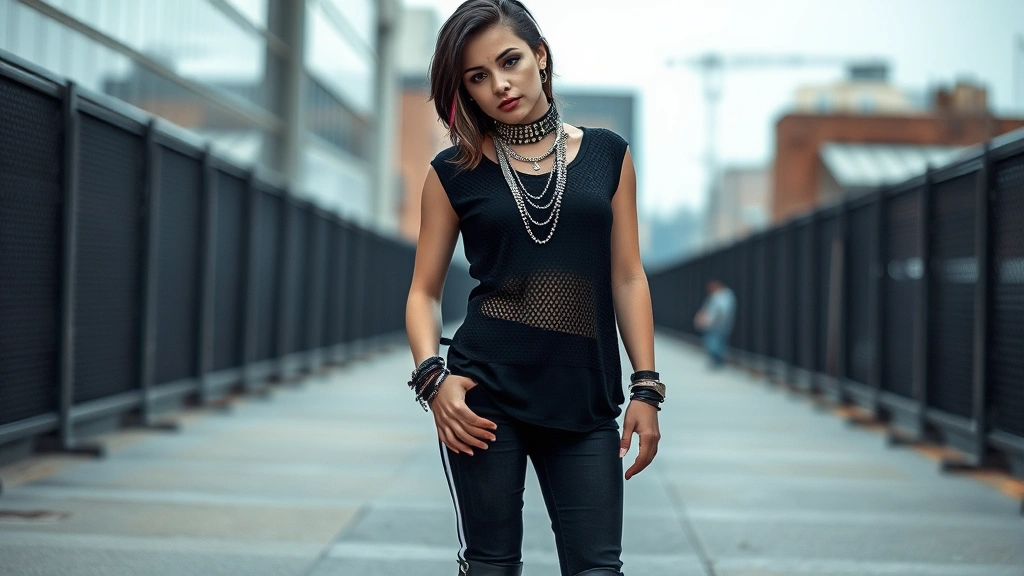
Scene fashion represents one of the most visually striking and expressive subcultures in modern style history. Born from the vibrant music and art scenes of the early 2000s, this aesthetic has evolved into a legitimate fashion movement that continues to inspire creative individuals worldwide. Whether you’re drawn to the bold colors, dramatic makeup, or distinctive silhouettes, understanding scene fashion fundamentals will help you authentically express yourself through clothing.
The beauty of scene fashion lies in its rebellious spirit and unapologetic individuality. Unlike mainstream trends that fade seasonally, scene style celebrates layering, texture mixing, and bold personal statements. This comprehensive guide will walk you through everything you need to know to confidently build your scene wardrobe, master the styling techniques, and develop your unique aesthetic within this dynamic fashion movement.
Understanding Scene Fashion Fundamentals
Scene fashion emerged from the intersection of emo, indie rock, and visual kei influences, creating a distinctive aesthetic that prioritizes self-expression over conformity. The core philosophy of scene style celebrates individuality, artistic expression, and the freedom to experiment with unconventional combinations. Understanding these foundational principles will help you approach your wardrobe with confidence and authenticity.
The scene aesthetic is characterized by several defining elements: bold color blocking, dramatic layering, geometric patterns, and an emphasis on texture contrast. Unlike minimalist fashion movements, scene styling encourages maximum visual impact through strategic combination of prints, colors, and silhouettes. This approach allows you to create outfits that feel distinctly personal while maintaining cohesion within the broader scene aesthetic.
Before diving into specific pieces, consider exploring how to find your personal style within the scene framework. This foundational work will inform every styling decision you make and help you develop an authentic scene aesthetic that genuinely resonates with your personality.
Scene fashion also draws inspiration from fashion history’s most expressive movements, particularly the punk and new wave eras. Understanding these historical influences will deepen your appreciation for scene style and inform how you interpret contemporary scene fashion.
Essential Clothing Pieces for Your Wardrobe
Building a functional scene wardrobe begins with investing in foundational pieces that work as building blocks for countless outfit combinations. These essential items form the backbone of your scene aesthetic and provide versatility across different occasions and seasons.
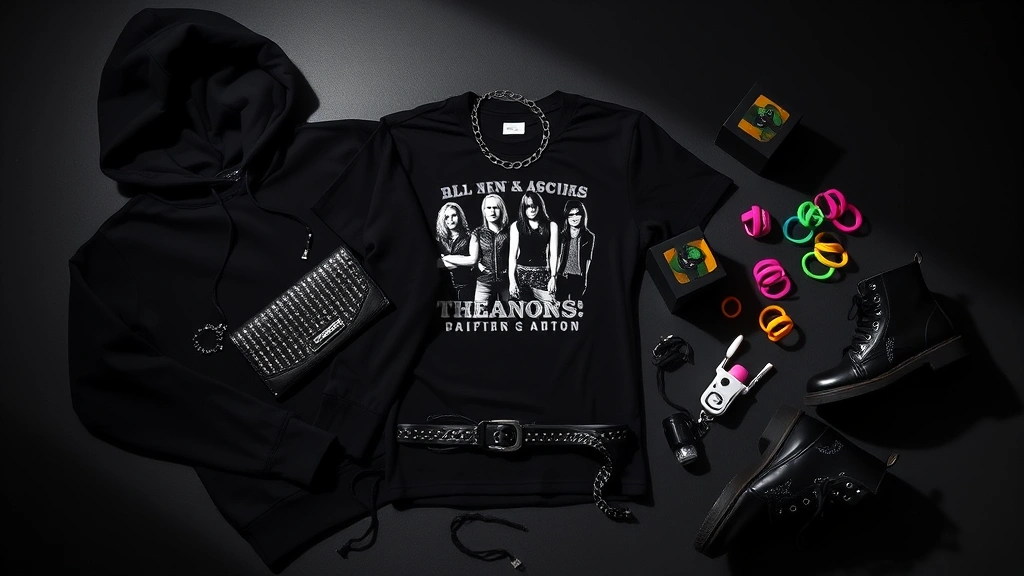
Fitted Band Tees and Graphic Shirts are non-negotiable elements of scene fashion. Look for band merchandise, vintage band shirts, or graphic tees featuring bold artwork and unconventional designs. Layer them under mesh tanks, sheer long-sleeves, or oversized button-ups for dimensional styling that defines the scene aesthetic.
Skinny Jeans and Fitted Pants remain central to scene styling, though contemporary interpretations include straight-leg and slightly relaxed silhouettes. Seek out jeans with interesting details like side stripes, studded pockets, or distressing patterns. Black remains the primary choice, but colored denim in electric blues, purples, or reds can add visual interest to your outfits.
Hoodies and Zip-Ups provide essential layering opportunities and comfort. Scene hoodies often feature oversized silhouettes, contrasting color blocking, or graphic designs. Oversized zip-ups work beautifully over fitted layers, creating the dynamic proportional contrast that defines scene styling.
Mesh Tanks and Sheer Tops are signature scene pieces that allow for creative layering while adding texture and visual depth. These pieces work perfectly over band tees or fitted basics, creating the distinctive multi-layered look associated with scene fashion.
Studded and Belted Accessories elevate basic pieces into distinctly scene-inspired outfits. Wide studded belts, chain wallets, and hardware-adorned jackets add the edgy details that characterize the aesthetic.
Mastering Color and Pattern Combinations
Color strategy separates amateur scene styling from expertly curated looks. The scene aesthetic celebrates bold color combinations that might seem unconventional in mainstream fashion but create stunning visual impact when applied strategically.
Primary Color Palettes typically include black as the foundational neutral, paired with jewel tones like electric purple, deep teal, hot pink, or lime green. Neon accents provide visual pop without overwhelming your overall aesthetic. The key is balancing bold colors with neutrals to create looks that feel intentional rather than chaotic.
Pattern Mixing Techniques distinguish scene styling from other subcultures. Stripes, checkerboards, geometric prints, and bold graphics can coexist within a single outfit when united by color or texture. The rule in scene fashion is that there are fewer rules—patterns that might clash in conventional styling create dynamic visual interest when combined thoughtfully.
Monochromatic Moments offer another powerful styling approach. An all-black outfit gains scene credentials through texture variation—matte with shiny, smooth with rough, fitted with oversized. This approach proves that scene fashion doesn’t require constant color experimentation.
Seasonal Color Shifts allow your scene wardrobe to evolve throughout the year. Summer scene looks might incorporate brighter neons and lighter fabrics, while autumn and winter scenes embrace deeper jewel tones and heavier textures. This flexibility keeps your aesthetic fresh while maintaining cohesion.
Accessorizing Like a Scene Pro
Accessories elevate scene fashion from basic to boldly expressive. Strategic accessorizing transforms simple outfits into distinctly scene-inspired looks that showcase your personal aesthetic.
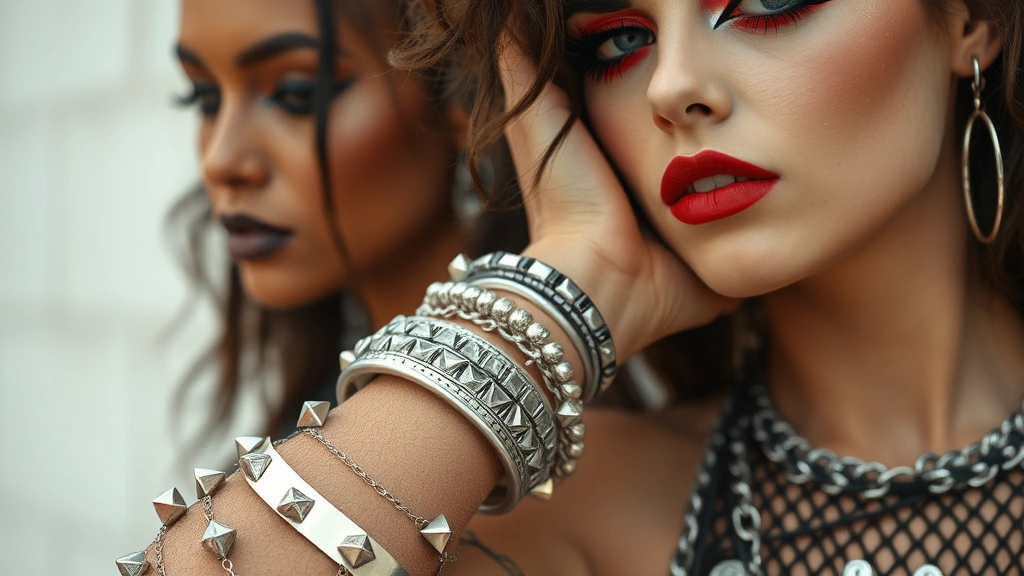
Chain Accessories represent quintessential scene styling. Chain wallets, layered chain necklaces, and chain belts add metallic shine and edgy attitude. These pieces work across your entire wardrobe, from casual outfits to more dramatic scene looks.
Studded and Spiked Details provide another signature element. Studded belts, spiked armbands, and hardware-adorned bags contribute to the edgy aesthetic without requiring extreme commitment. Start with subtle studded pieces and progress to bolder statement items as you develop confidence.
Fingerless Gloves and Arm Warmers combine functionality with style. These pieces add visual interest while allowing you to adjust warmth levels throughout the day. Opt for black, neon, or striped versions to coordinate with your outfit.
Alternative Footwear completes your scene aesthetic. Platform shoes, combat boots, Converse sneakers, or Vans provide the foundation for your looks. Scene styling often embraces chunky, statement-making footwear that grounds bold outfits.
Hair Clips and Bands offer endless styling opportunities. Colorful clips, small braids, and textured bands add personality to your hairstyle while contributing to the overall aesthetic.
Hair and Makeup Essentials
Scene fashion extends beyond clothing into hair and makeup, where dramatic expression truly flourishes. These elements complete your aesthetic and allow for individual creativity within the broader scene framework.
Signature Scene Hairstyles often feature side-swept bangs, layered cuts, and voluminous texture. Straight-across bangs or side-parted styles with substantial volume create the distinctive silhouette associated with scene fashion. Hair color experimentation—from streaks of color to complete dye jobs in unconventional shades—embraces the movement’s spirit of self-expression.
Makeup Techniques emphasize dramatic eyes and defined features. Heavy eyeliner applied in creative patterns, colorful eyeshadow, and bold lip colors create striking visual impact. Scene makeup often incorporates graphic elements like geometric designs or artistic patterns that extend beyond traditional makeup application.
Color Coordination between hair, makeup, and clothing creates cohesive scene looks. Matching eyeshadow to clothing accents or coordinating hair streaks with your outfit’s color palette demonstrates intentional styling.
Texture and Volume matter significantly in scene aesthetics. Teasing, crimping, and strategic product use create the dimensional hair texture that defines the look. This emphasis on texture parallels the layering and texture mixing evident in scene clothing choices.
Building Your Scene Fashion Foundation
Creating an authentic scene wardrobe requires strategic planning and intentional purchasing decisions. Rather than buying randomly, develop a cohesive collection that supports diverse outfit combinations while maintaining your unique aesthetic.
Start with Neutrals and Basics. Black clothing forms the foundation of most scene wardrobes. Invest in quality black jeans, black t-shirts, and black hoodies that will anchor your outfits and provide versatility. These basics pair with virtually any other piece you add to your collection.
Add Statement Pieces Gradually. Rather than overhauling your wardrobe immediately, introduce scene pieces progressively. Purchase one graphic tee, then add layering pieces, then incorporate bold accessories. This gradual approach allows you to develop your aesthetic authentically while managing budget constraints.
Prioritize Quality Over Quantity. Scene fashion celebrates individual expression, not fast fashion trends. Invest in well-made pieces that will last through frequent wear and styling experimentation. Quality basics serve you far better than numerous cheap pieces that deteriorate quickly.
Explore Thrift and Vintage Shopping. Scene fashion thrives on vintage finds and secondhand pieces. Thrift stores offer band tees, unique graphic pieces, and distinctive items that contribute authenticity to your aesthetic. This approach also aligns with sustainable fashion principles increasingly important to contemporary scene adherents.
Document Your Style Journey. Consider starting a fashion blog to document your scene styling evolution. This practice helps you identify patterns in your preferences, track what works, and inspire others exploring similar aesthetics.
Understanding fashion industry perspectives enhances your approach to scene styling. Resources like Vogue and Highsnobiety occasionally feature articles on alternative fashion movements and subculture aesthetics that provide professional styling insights applicable to scene fashion.
For deeper contextual understanding, explore SSENSE’s editorial content on fashion subcultures and alternative aesthetics. These resources help you understand how scene fashion fits within broader fashion conversations and contemporary style movements.
Consider visiting fashion design schools’ online resources for professional insights into color theory, proportion, and composition principles that enhance your styling decisions. Many schools offer free educational content exploring these fundamental design concepts.
FAQ
What’s the main difference between scene and emo fashion?
While scene and emo fashion share origins and overlap significantly, scene fashion emphasizes brighter colors, bolder patterns, and more experimental styling, whereas emo typically maintains darker, more moody aesthetics. Scene fashion celebrates visual maximalism while emo often embraces a more restrained emotional expression through clothing.
Can I wear scene fashion to professional environments?
Absolutely. Scene fashion principles—bold self-expression, intentional styling, creative combinations—can be adapted for professional settings. Choose sophisticated pieces in scene colors, incorporate subtle graphic elements, and use accessories strategically to maintain professional appropriateness while expressing your aesthetic.
Is scene fashion only for young people?
Scene fashion celebrates individual expression regardless of age. While the movement originated among younger demographics, people of all ages can authentically embrace scene aesthetics. Age-appropriate interpretation ensures you feel confident and comfortable in your scene styling.
Where should beginners start when building a scene wardrobe?
Begin with black basics—jeans, t-shirts, and a hoodie. Add one or two graphic tees or band shirts. Incorporate a layering piece like a mesh tank or sheer long-sleeve. Finally, add accessories like chains or a studded belt. This foundational approach creates numerous outfit combinations while requiring minimal initial investment.
How do I make scene fashion work for my body type?
Scene fashion’s emphasis on layering and proportion manipulation works beautifully across all body types. Experiment with fitted and oversized pieces to create silhouettes that feel comfortable and confident. Proportional contrast—pairing fitted tops with oversized bottoms or vice versa—creates flattering lines regardless of body shape.
Can scene fashion be sustainable?
Yes. Thrifting band tees and vintage pieces, investing in quality basics that last, and building a versatile wardrobe that supports numerous combinations all align with sustainable fashion principles. Scene fashion’s emphasis on individual expression over trends naturally encourages more sustainable consumption patterns.
What resources help me stay current with scene fashion trends?
Follow fashion bloggers and social media accounts dedicated to alternative aesthetics. Explore Style Loom Daily Blog for regular styling insights. Watch fashion documentaries exploring subculture aesthetics. These resources keep you informed about evolving scene fashion interpretations while providing professional styling guidance.