
Scarlet & Violet Fashion: Expert Styling Tips for Pants and Shirts
The combination of scarlet and violet represents one of the most sophisticated and daring color pairings in contemporary fashion. These jewel tones, when expertly coordinated, create an undeniably luxurious aesthetic that commands attention while maintaining refined elegance. Whether you’re crafting a professional ensemble or a statement-making casual look, mastering the art of pairing scarlet and violet separates the style-savvy from the fashion-uncertain.
This comprehensive guide explores how to seamlessly integrate scarlet and violet into your wardrobe through expertly curated pants and shirt combinations. From understanding color theory to practical styling techniques, we’ll equip you with the knowledge to confidently wear these bold hues with sophistication and flair.
Understanding Scarlet and Violet in Fashion
Scarlet, a vivid red with orange undertones, embodies passion, confidence, and timeless elegance. Violet, ranging from deep plum to bright mauve, represents creativity, luxury, and sophistication. When these colors converge in a single outfit, they create a dynamic visual statement that transcends ordinary fashion into the realm of personal expression.
The beauty of scarlet and violet lies in their complementary nature on the color wheel. Both are jewel tones that carry inherent richness, yet they maintain distinct personalities. Scarlet demands attention with its warmth and vibrancy, while violet provides a cooling counterbalance with its mysterious, regal undertones. Understanding this interplay is crucial for creating harmonious outfits rather than chaotic color clashes.
Fashion forward individuals recognize that finding your personal style often involves taking calculated risks with color. Scarlet and violet represent precisely this kind of bold choice—one that demonstrates confidence and fashion awareness. These hues have graced countless runway shows, with designers like Vogue-featured brands consistently incorporating them into their collections.
Color Theory Basics for Bold Combinations
Before diving into specific outfit combinations, understanding fundamental color theory enhances your styling capabilities exponentially. The color wheel serves as your primary tool for creating visually balanced ensembles with scarlet and violet pieces.
Scarlet sits on the warm side of the spectrum, positioned between pure red and orange. Violet occupies the cool side, nestled between red and blue. This positioning means they share red as a common ancestor, creating a natural harmony despite their temperature differences. When worn together, they don’t clash—instead, they create a unified color story with remarkable depth.
The saturation level of your scarlet and violet pieces matters tremendously. Highly saturated, bright versions of these colors work best in smaller doses or when balanced with neutral anchors. Muted, deeper versions—burgundy scarlet or deep eggplant violet—offer more versatility for everyday styling. Understanding different types of fashion styles helps you determine which saturation levels align with your personal aesthetic.
Fashion experts from Pantone emphasize that successful color combinations require considering both undertones and the surrounding colors in your outfit. A scarlet with warm, orange undertones pairs differently than a scarlet with blue undertones. Similarly, a violet leaning toward purple versus one leaning toward plum creates entirely different visual effects.
Styling Scarlet and Violet Shirts
The shirt serves as your outfit’s anchor, often determining the overall impression before any other pieces are added. When selecting a scarlet or violet shirt, consider fabric weight, neckline style, and fit as primary factors.
Scarlet Shirts: Making a Statement
A scarlet shirt demands confidence and intentionality. Crisp button-up scarlet shirts in cotton or silk blends work beautifully for professional settings, creating an impression of authority and sophistication. The structured nature of a tailored scarlet shirt prevents it from reading as costume-like or overly casual.
For business casual environments, pair a scarlet shirt with neutral trousers in black, charcoal, or navy. This combination allows your shirt to command attention without overwhelming your professional presence. Layer with a structured blazer in a neutral tone to add dimension and polish.
Casual scarlet shirts—think oversized button-ups or relaxed linen versions—pair exceptionally well with violet bottoms. The juxtaposition of a relaxed shirt with a more formal pant creates intriguing visual tension that reads as intentionally styled rather than accidental.
Violet Shirts: Embracing Regal Sophistication
Violet shirts offer slightly more styling flexibility than their scarlet counterparts, particularly in deeper, more muted shades. A deep violet silk blouse channels timeless elegance, while a brighter violet cotton shirt radiates creative confidence.
The key to wearing violet shirts successfully lies in considering your skin tone and undertones. Cooler-toned individuals typically find true violet shades most flattering, while warmer skin tones may gravitate toward violet-red or plum variations. A violet shirt paired with neutral bottoms creates a cohesive, modern look that feels both bold and wearable.
Pairing the Perfect Pants
Selecting complementary pants transforms a bold shirt into a complete, sophisticated outfit. The pants-to-shirt ratio significantly impacts overall outfit success.
Neutral Pants with Bold Shirts
When wearing a vibrant scarlet or violet shirt, neutral pants provide essential visual balance. Black trousers offer maximum contrast and formality, creating a sleek, modern silhouette. Charcoal gray provides slightly softer contrast while maintaining sophistication. Navy creates a classic combination that feels less severe than black.
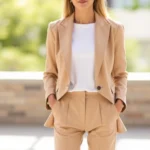
Cream, beige, and taupe pants work beautifully with violet shirts, creating an unexpectedly luxurious combination that feels fresh and contemporary. These lighter neutrals allow your violet shirt to shine without the intensity of darker bottoms.
Violet Pants with Scarlet Shirts
This is where true styling confidence emerges. A scarlet shirt paired with violet pants creates an undeniably bold statement. The key to making this combination work involves ensuring both pieces are similarly saturated and considering the specific shades carefully.
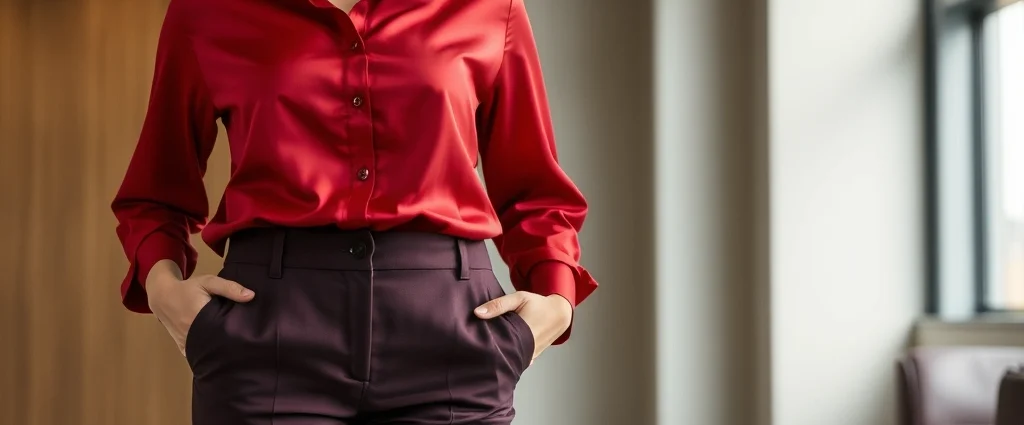
Deep burgundy-scarlet shirts pair beautifully with deep eggplant or plum pants, creating a monochromatic effect within the jewel-tone family. Bright scarlet shirts demand brighter violet pants to maintain visual balance. Avoid pairing bright scarlet with muted violet or vice versa, as this creates an unfinished appearance.
Scarlet Pants with Violet Shirts
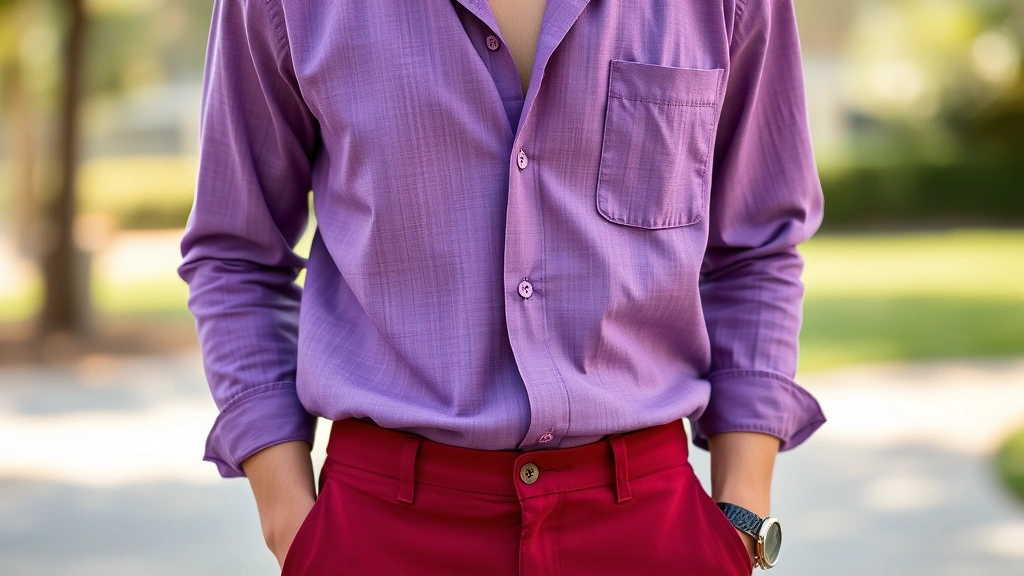
Reversing the combination offers equally stunning possibilities. A violet shirt with scarlet pants creates a different energy—slightly more playful while maintaining sophistication. This pairing works exceptionally well in creative industries or fashion-forward casual settings.
Consider the fit and formality level of both pieces when attempting this combination. A relaxed violet shirt with tailored scarlet pants creates interesting contrast that reads as intentionally styled. Conversely, matching the formality levels (both structured or both relaxed) creates a more cohesive appearance.
Creating Balance and Harmony
The difference between a stunning scarlet and violet outfit and an overwhelming color clash lies in thoughtful balance and proportion.
The 70-20-10 Rule
Fashion stylists often employ the 70-20-10 rule when working with bold colors. Dedicate 70% of your outfit to one dominant color (typically a neutral), 20% to a secondary bold color, and 10% to accent colors. When styling scarlet and violet together, you might allocate 70% to neutral pieces (shoes, outerwear), 20% to your dominant bold color (perhaps scarlet pants or shirt), and 10% to violet accents.
Texture and Fabric Play
Varying textures prevents scarlet and violet combinations from feeling flat or one-dimensional. Pair a matte scarlet cotton shirt with glossy violet satin pants, or combine a textured violet knit with smooth scarlet trousers. These textural variations add visual interest and sophistication.
Fabric weight matters equally. Heavier fabrics in deeper, muted versions of these colors work well together, while lighter, brighter fabrics benefit from neutral anchoring pieces.
Proportion and Silhouette
When wearing scarlet and violet together, consider overall silhouette carefully. If your shirt is voluminous and oversized, opt for fitted or tapered pants. Conversely, fitted shirts pair well with wider-leg trousers. This balance prevents your outfit from appearing either shapeless or costume-like.
Occasions and Settings
Context determines how boldly you can embrace scarlet and violet combinations. Understanding appropriate settings for these colors maximizes your styling success.
Professional Environments
In corporate settings, approach scarlet and violet with restraint. A scarlet blouse with neutral trousers and a tailored blazer demonstrates confidence without overwhelming professional norms. Save violet for accessories or layering pieces in traditional business environments.
Creative industries—fashion, design, marketing, media—welcome bolder scarlet and violet combinations. Here, wearing a violet shirt with scarlet pants signals creativity and fashion awareness. Many Business of Fashion professionals recognize that bold color choices can enhance your personal brand.
Social and Evening Events
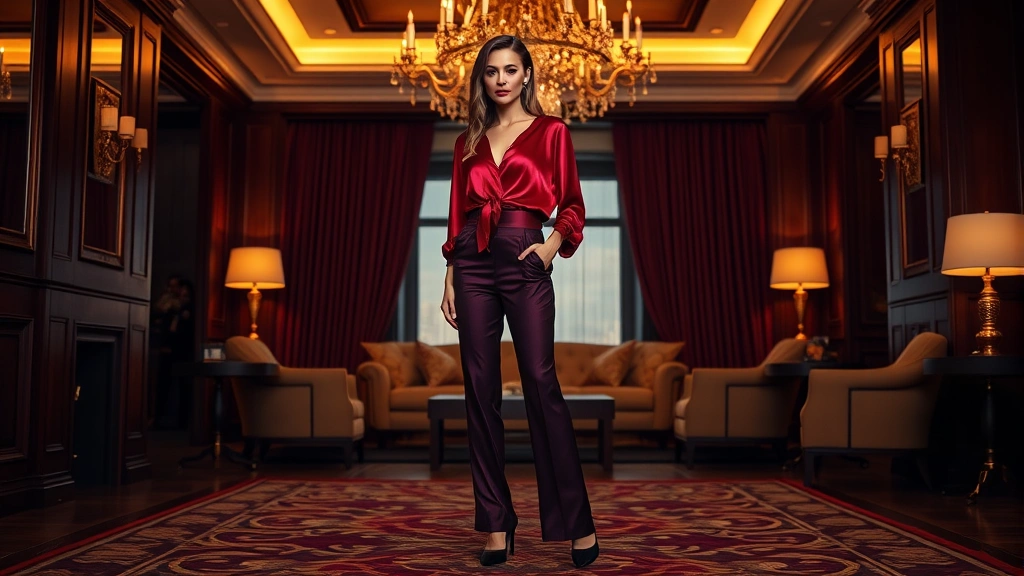
Evening occasions provide optimal opportunities for scarlet and violet pairings. A scarlet silk shirt with violet evening trousers creates an undeniably luxurious appearance suitable for cocktail parties, gallery openings, and upscale social gatherings.
The retro fashion trends of the 1940s and 1950s frequently featured jewel-tone combinations, providing historical precedent for these pairings in evening wear. Drawing inspiration from these eras elevates your modern interpretation.
Casual and Creative Settings
Casual environments—brunch, shopping, creative workspaces—embrace scarlet and violet fully. Pair a relaxed scarlet linen shirt with violet chinos, or combine a violet t-shirt with scarlet joggers. These settings reward fashion experimentation and personal expression.
Seasonal Approach to These Bold Hues
Seasonal considerations influence how you incorporate scarlet and violet into your wardrobe throughout the year.
Spring and Summer
Lighter, brighter versions of scarlet and violet suit warmer months. Opt for breathable fabrics like cotton, linen, and silk blends. Shorter sleeves, lighter weights, and brighter saturation levels feel seasonally appropriate.
Spring welcomes coral-scarlet and lavender-violet combinations that feel fresh and optimistic. Summer embraces true scarlet and brighter violet in sleeveless or short-sleeved formats. Pair with white sneakers, sandals, or lightweight neutral bottoms for effortless warm-weather styling.
Fall and Winter
Deeper, more muted versions of scarlet and violet dominate cooler months. Burgundy scarlet and deep plum violet feel appropriately autumnal and wintery. Incorporate these colors through heavier fabrics like wool, velvet, and structured cotton blends.
Layering becomes essential in cooler seasons. A violet cashmere sweater over a scarlet shirt creates warmth and dimension. Long sleeves, higher necklines, and heavier fabrics automatically make scarlet and violet feel seasonally grounded.
Accessory Guide for Scarlet and Violet
Accessories serve as the final styling flourish, either anchoring or elevating your scarlet and violet combination.
Neutral Accessories
Black, white, gray, and beige accessories provide visual rest when wearing bold scarlet and violet combinations. A black leather belt, white sneakers, or gray wool coat allows your shirt and pants to maintain focus.
Metallic accessories—gold, silver, and rose gold—add sophisticated shimmer without competing with your bold colors. Gold jewelry particularly complements the warm undertones in scarlet, while silver enhances violet’s cool sophistication.
Bold Accessories
For truly adventurous styling, introduce a third jewel tone through accessories. Emerald green, sapphire blue, or ruby red bags and shoes create a jewel-box effect that feels intentional and fashion-forward rather than accidental.
Consider the latest StyleLoom Daily Blog articles for current accessory trends that complement bold color combinations. Scarves, particularly silk versions in complementary colors, add dimension and sophistication to scarlet and violet outfits.
Shoe Selection
Shoes ground your entire outfit visually and emotionally. Black leather shoes offer timeless versatility with any scarlet or violet combination. Neutral flats, heels, or sneakers provide practical elegance.
For bolder styling, consider shoes in deep burgundy or plum that echo your outfit’s color story. Metallic shoes—gold or silver—add glamorous flair suitable for evening occasions.
FAQ
Can I wear scarlet and violet together if I have a warm skin tone?
Absolutely. Warm skin tones often look beautiful in scarlet due to its warm undertones. Pair scarlet with muted, deeper violet shades (like plum or eggplant) rather than bright, cool-leaning purples. The warmer scarlet balances the cooler violet, creating harmony that complements warm complexions beautifully.
What’s the difference between styling these colors for work versus casual wear?
Professional settings require more restraint—typically one bold color with neutral anchors. Scarlet blouse with black trousers works well. Casual settings welcome both colors together in balanced proportions, particularly in relaxed fabrics and silhouettes.
How do I prevent scarlet and violet from clashing visually?
Ensure similar saturation levels in both pieces. Avoid pairing bright scarlet with muted violet or vice versa. Include neutral anchors, vary textures, and consider your specific shades carefully. Deep burgundy-scarlet pairs beautifully with deep plum-violet, while bright scarlet suits bright violet better.
Are there specific fabrics that work better for scarlet and violet combinations?
Yes. Structured fabrics like crisp cotton, silk, and wool work beautifully for formal combinations. Relaxed fabrics like linen and jersey suit casual pairings. Textures matter—matte with glossy, smooth with textured—create visual interest and prevent flatness.
Can I wear scarlet and violet in professional environments?
Yes, with strategic styling. A scarlet blouse with neutral trousers and blazer reads professionally. Creative industries welcome bolder combinations. In traditional corporate settings, use one bold color with neutrals and save the other for accessories.
How do I style scarlet and violet for different body types?
Focus on silhouette balance. Pear shapes benefit from drawing attention upward with a scarlet shirt and darker violet pants. Apple shapes look great in vertical lines created by monochromatic violet or scarlet with neutral bottoms. Hourglass figures can confidently wear both colors together with well-fitted pieces.
What external resources help me understand color styling better?
Explore fashion institutes and color theory resources. Additionally, understanding the complete fashion history timeline provides context for how colors have been combined throughout different eras, informing contemporary choices.