

Reviving Roaring 20s Men’s Fashion: Expert Guide
The 1920s represent one of the most transformative decades in men’s fashion history. Often called the Jazz Age or the Roaring Twenties, this era marked a dramatic departure from the rigid Victorian and Edwardian silhouettes that had dominated menswear for generations. The post-World War I period brought unprecedented social change, economic prosperity, and a youthful rebellion against traditional norms—all reflected in the clothes men wore. From the iconic gatsby-inspired suits to the revolutionary casual wear that emerged during this time, 1920s men’s fashion continues to captivate modern style enthusiasts and designers alike.
Today, as vintage and retro aesthetics dominate contemporary fashion conversations, the Roaring 20s aesthetic has experienced a remarkable resurgence. Modern men are increasingly drawn to the sophistication, elegance, and timeless appeal of 1920s menswear. Whether you’re interested in incorporating vintage elements into your everyday wardrobe or creating an authentic Jazz Age look for special occasions, understanding the key components of this iconic era is essential. This comprehensive guide explores the defining characteristics of Roaring 20s men’s fashion and provides practical advice for bringing this classic style into your modern lifestyle.
The Historical Context of 1920s Menswear
Understanding the Roaring 20s men’s fashion phenomenon requires examining the cultural and historical forces that shaped this distinctive style. The decade following World War I witnessed a fundamental shift in masculine identity and self-expression. Young men returning from the war rejected the formality and constraint of previous generations, seeking clothes that reflected their newfound freedom and modernity.
The economic boom of the 1920s created a prosperous middle class with disposable income to spend on fashionable clothing. Jazz, cinema, and automobile culture became central to the era’s identity, influencing how men dressed and presented themselves. The silhouette shifted dramatically—waistlines dropped, jackets became less structured, and trousers took on a looser, more relaxed fit compared to the preceding decades. This represented not merely a fashion change but a cultural revolution in how masculinity was expressed through clothing.
The influence of cinema cannot be overstated in this context. Hollywood stars like Vogue-featured celebrities and silent film actors became style icons, with their sartorial choices disseminated to the masses through motion pictures and fan magazines. Men sought to emulate the sophisticated looks they saw on screen, driving demand for specific suit cuts, hat styles, and accessories. This democratization of fashion—where working-class men could aspire to and achieve the looks of wealthy elites—was revolutionary for the era.
Essential Suits and Tailoring
The suit remained the cornerstone of men’s formal and semi-formal wear throughout the 1920s, but the construction and silhouette underwent significant transformation. Unlike the tight, high-buttoned jackets of the Edwardian era, 1920s suits featured a more relaxed, straight-line silhouette that reflected modern sensibilities. Understanding these tailoring characteristics is crucial when seeking authentic Roaring 20s menswear.
The ideal 1920s jacket featured a longer length, typically reaching to the middle of the thigh, with broader shoulders and a looser overall cut through the torso. The waistline dropped considerably, sitting at the natural waist rather than emphasizing the chest as previous decades had done. Button placement changed as well—most jackets featured a two-button closure, sometimes with a vest worn underneath. The lapels were notably wider than contemporary suits, often with a pronounced notch creating a distinctive silhouette that remains instantly recognizable.
Trousers underwent equally dramatic changes. The hallmark of 1920s menswear was the high-waisted trouser, which sat well above the natural waist and featured a generous cut through the hip and thigh before tapering at the ankle. Many period trousers included a turn-up or cuff at the hem, which added visual weight and sophistication. Pleats at the waistband were common, allowing for greater comfort and movement. The fabric drape was crucial—quality wool suiting created elegant movement that defined the era’s aesthetic.
When building a fashion style incorporating 1920s elements, understanding proper tailoring is essential. Modern tailors can recreate authentic 1920s proportions, though finding genuine vintage pieces remains an exciting option for dedicated enthusiasts. The key is achieving that distinctive silhouette: longer jacket, high-waisted trousers, and an overall impression of ease rather than constraint.
Iconic Accessories That Define the Era
Accessories were absolutely paramount in Roaring 20s men’s fashion. In fact, the era is arguably defined as much by its distinctive accessories as by its clothing silhouettes. Every element, from hats to jewelry, communicated style sophistication and social status.
The fedora and trilby hats were essential elements of any gentleman’s wardrobe. These styles featured wider brims and taller crowns than contemporary hats, often adorned with grosgrain ribbons in contrasting colors. The fedora, in particular, became synonymous with the era and remains one of the most recognizable symbols of 1920s menswear. Wearing a hat was not optional—it was expected for any man leaving his home during daylight hours.
Neckwear deserves special attention when discussing 1920s fashion. While traditional four-in-hand ties remained popular, the era saw the rise of the bow tie as a sophisticated alternative. Ties were typically narrower than modern versions and featured bold patterns, including stripes, geometric designs, and floral motifs. Pocket squares became crucial styling elements, adding color and personality to suit jackets. Many men coordinated their pocket squares with their ties or created intentional contrasts for visual interest.
Suspenders (braces) were both functional and fashionable, visible when jackets were removed in warm weather or informal settings. Quality leather belts, often with distinctive buckles, completed the waistline look. Cufflinks and tie pins served as jewelry, allowing men to display wealth and taste through precious metals and gemstones. A quality wristwatch was essential—not merely for timekeeping but as a statement of sophistication and modernity.
Footwear accessories included garters to keep socks properly positioned, as the high-waisted trousers and shorter jacket length meant ankles were frequently visible. Spats—fabric coverings worn over shoes and the lower trouser leg—added formal elegance to evening wear and remained popular for daytime occasions as well. These accessories may seem excessive by contemporary standards, but they were integral to achieving an authentic 1920s appearance.
Discover how to find your personal style by incorporating these classic elements into modern outfits. The key is selecting accessories that feel natural to your lifestyle while honoring the era’s distinctive aesthetic.

Casual Wear and Daywear Essentials
While formal suits dominated special occasions and business settings, the 1920s also witnessed a revolution in casual menswear. The era introduced concepts of leisure wear and relaxed styling that were relatively new to men’s fashion.
For daytime activities, men wore sport coats and blazers in patterns and colors more adventurous than formal suiting. Herringbone, tweed, and bold checks became popular in these less formal jackets. Worn with comfortable trousers and casual shirts, sport coats represented the emerging concept of weekend wear. Golf, tennis, and other leisure activities inspired specialized clothing that influenced everyday casual fashion.
Dress shirts evolved significantly during the 1920s. While white remained the standard for formal occasions, colored shirts in soft pastels and even bold hues became acceptable for daytime wear. Patterns including stripes, small checks, and geometric designs appeared in casual shirts. The shirts themselves featured softer collars than Victorian predecessors, with various collar styles including the spread collar gaining popularity. Soft, flexible collar stays replaced rigid stays, allowing for a more relaxed appearance.
Knit sweaters and cardigans provided warmth while maintaining style. Argyle patterns, geometric designs, and solid colors in wool and wool-blend fabrics created sophisticated layers. Waistcoats remained popular for added warmth and visual interest, though they became less rigid and more varied in color and pattern than formal versions.
The StyleLoom Daily Blog features extensive discussions of how vintage styles influence contemporary menswear trends. Casual 1920s wear actually prefigured modern smart-casual aesthetics, proving that timeless style principles transcend decades.
Color Palettes and Fabric Choices
The color palette of 1920s menswear reflected the era’s optimism and modernity while maintaining masculine sophistication. Understanding period-appropriate colors and fabrics is essential for creating authentic looks.
Formal suiting favored neutral tones: charcoal gray, black, navy, and brown dominated evening wear and business suits. However, daytime wear embraced considerably more color. Light gray, tan, beige, and even soft pastels appeared in sport coats and casual jackets. Cream and ivory provided alternatives to pure white for dress shirts, while colored and patterned shirts in soft blue, pink, lavender, and peach became acceptable for daytime wear.
Accessories introduced bolder colors and patterns. Ties featured jewel tones—emerald, sapphire, ruby red—often in striking geometric or abstract patterns. Pocket squares might coordinate with ties or provide intentional color contrast. Argyle sweaters combined multiple colors in sophisticated patterns. This restraint in garment colors combined with bold accessory choices created visual sophistication without appearing garish.
Fabric selection reflected both the era’s prosperity and practical considerations. Wool suiting dominated, with quality varying significantly based on price point. Lightweight wool suited the warmer months, while heavier tweeds and dense weaves provided winter warmth. Cotton appeared in dress shirts, particularly for summer wear, while linen offered cool, wrinkle-prone alternatives for the warmest months. Silk featured prominently in ties, pocket squares, and formal wear.
Texture played an important role in 1920s menswear aesthetics. Herringbone weaves, twill patterns, and subtle texture variations added visual interest to solid-colored garments. Corduroy and velveteen appeared in casual wear and sport coats, providing tactile richness. These fabric choices reflected both technological advances in textile manufacturing and the era’s aesthetic appreciation for quality materials and craftsmanship.
Footwear for Every Occasion
Shoes represented crucial style statements in 1920s menswear, with specific styles designated for different occasions and times of day. The era saw remarkable variety in footwear options, each with distinct characteristics and appropriate contexts.
Formal evening wear called for patent leather oxfords or patent pumps, typically black, sometimes with subtle decorative elements. These gleaming shoes represented the height of sophistication for black-tie occasions. For formal daytime wear, polished leather oxfords in black or dark brown provided appropriate elegance.
Business and semi-formal occasions featured leather oxfords in various styles. The plain toe oxford remained popular, while cap-toe and wingtip variations provided subtle visual interest. Leather loafers began emerging during the late 1920s, offering slightly more casual alternatives that nevertheless maintained sophistication. Two-tone shoes, featuring contrasting leather colors, became fashionable for more adventurous dressers.
Casual daytime wear embraced considerably more variety. White canvas shoes, often with leather trim, appeared for warm-weather activities. Brown and tan leather shoes in various styles suited everyday wear. Spectator shoes—featuring contrasting colors in a two-tone design—gained popularity for sports and leisure activities. These distinctive shoes, often combining white with brown, tan, or black, represented the era’s more playful approach to casual styling.
Sport-specific footwear emerged during this period. Golf shoes, tennis shoes, and other athletic footwear became specialized items rather than adapting formal shoes for physical activity. These developments reflected the era’s emphasis on leisure and recreation as important aspects of masculine identity.
Spats and gaiters, mentioned earlier as accessories, were worn with many shoe styles, particularly for formal and business occasions. These fabric coverings elevated the formal appearance while protecting shoes and socks from street dirt and weather.
Hairstyles and Grooming Standards
The Roaring 20s witnessed revolutionary changes in men’s hairstyles, reflecting the era’s modernism and rejection of Victorian formality. Grooming became increasingly important as men embraced new styling possibilities.
The slicked-back hair style, achieved with pomade or hair oil, became the defining look of the era. Hair was parted on the side, typically with a deep side part, then slicked back from the forehead using generous amounts of hair product. The result created a smooth, polished appearance that conveyed sophistication and modernity. This style required regular maintenance and grooming, reflecting the era’s increased attention to personal appearance.
The undercut emerged during the late 1920s, featuring shorter sides and back with longer hair on top that could be styled back or to the side. This style offered versatility and required less product than the full slicked-back look, making it practical for younger men and those in active professions.
Facial hair underwent dramatic changes. The full mustaches and beards that characterized Victorian and Edwardian masculinity disappeared almost entirely. Clean-shaven faces became the standard, reflecting the era’s embrace of youthful modernity. The few men who maintained facial hair typically kept neatly trimmed mustaches that conveyed sophistication rather than the bushier styles of previous decades.
Grooming products proliferated during the 1920s. Hair pomades, tonics, and oils became essential bathroom staples. Aftershave and cologne gained popularity as men invested in personal grooming beyond basic hygiene. Barber shops became important social spaces where men gathered not merely for haircuts but for the full grooming experience including shaves, hair treatments, and manicures.
Eyebrows remained natural but well-groomed. Nose and ear hair removal became part of proper grooming standards. Hands received attention with regular manicures, particularly among wealthier men. This comprehensive approach to grooming reflected the era’s belief that masculine sophistication required attention to personal presentation.
Building Your Modern 1920s Wardrobe
Creating a contemporary wardrobe inspired by Roaring 20s men’s fashion requires thoughtful curation and understanding how to adapt vintage aesthetics to modern life. Rather than attempting complete period authenticity in everyday wear, most modern men find success by incorporating key elements into contemporary outfits.
Begin with quality tailored suiting. A well-fitted suit with slightly longer jacket length and high-waisted trousers forms the foundation. Work with a skilled tailor who understands 1920s proportions. Even modern suits can be adjusted to capture the era’s silhouette through proper tailoring. Invest in neutral colors—charcoal, navy, gray—that serve multiple occasions while allowing accessory variation.
Develop a photography-worthy wardrobe by paying attention to accessories. Quality hats—fedoras or trilbies—instantly evoke the era and provide practical sun protection. A collection of vintage-inspired ties in bold patterns, pocket squares in coordinating or contrasting colors, and quality leather belts create visual interest while remaining practical.
Incorporate casual pieces that honor the era while functioning in modern contexts. Sport coats in interesting patterns, colored dress shirts suitable for contemporary offices, and quality knitwear provide versatility. Choose footwear carefully, selecting styles that balance period authenticity with modern comfort standards.
Consider your lifestyle when incorporating 1920s elements. A complete period costume may work for special events, but everyday wear benefits from selective adaptation. A 1920s-inspired suit worn with contemporary shoes and minimal accessories creates sophisticated style without appearing costume-like. Similarly, pairing a period-appropriate hat with modern casual wear creates distinctive personal style.
The Esquire magazine frequently features how contemporary menswear designers draw inspiration from 1920s aesthetics, proving the era’s enduring influence on modern fashion.
Understand that fashion design schools teach 1920s menswear as a foundational era for understanding tailoring, proportion, and menswear construction. This academic recognition reinforces the aesthetic’s importance and timeless appeal.
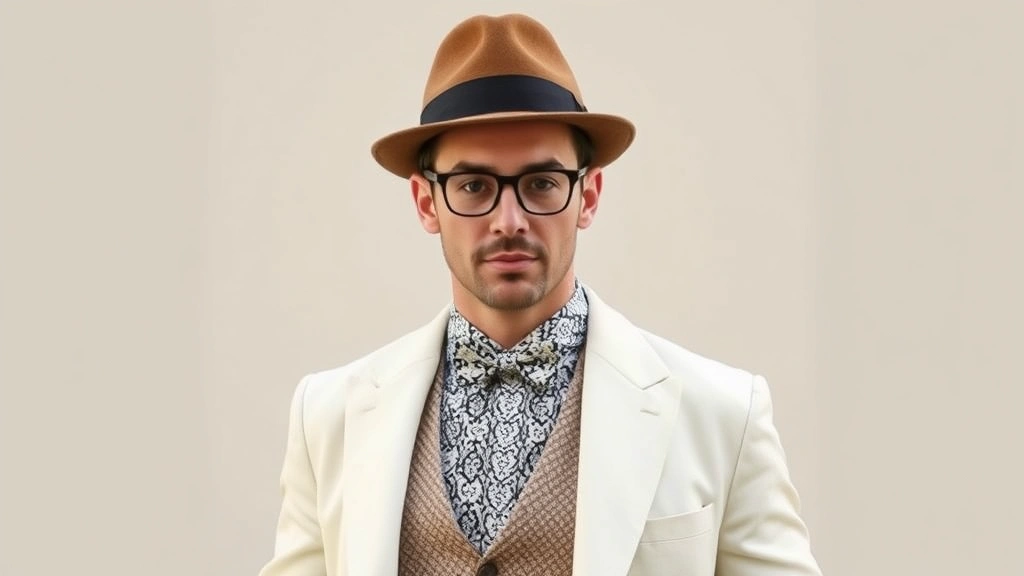
Developing your personal interpretation of 1920s style requires experimentation and confidence. Vintage clothing sources, modern designers creating period-inspired pieces, and skilled tailors all provide resources for building an authentic wardrobe. The key is understanding core principles—tailoring, proportion, accessory emphasis, and grooming—then applying them thoughtfully to your contemporary lifestyle.
The beauty of Roaring 20s menswear lies in its fundamental principles of quality, proportion, and attention to detail. These elements transcend historical periods, making the era’s aesthetic eternally relevant. Whether you’re drawn to the jazz-age glamour, the sophisticated tailoring, or simply the distinctive silhouettes, 1920s-inspired menswear offers timeless style possibilities for the modern man.
FAQ
What are the most essential pieces for a 1920s-inspired wardrobe?
Begin with a well-tailored suit featuring period-appropriate proportions, quality dress shirts in white and colors, a fedora or trilby hat, suspenders, ties with bold patterns, and leather oxford shoes. These foundational pieces create authentic looks while remaining functional in contemporary settings.
Can I wear 1920s-inspired fashion in modern professional environments?
Absolutely. A tailored suit with 1920s proportions reads as sophisticated rather than costume-like in professional settings. Pair it with contemporary shoes and minimal accessory references to the era. The suit’s quality and fit matter more than period-perfect authenticity in business contexts.
Where can I find authentic 1920s clothing and accessories?
Vintage clothing shops, online vintage marketplaces, and specialty retailers focusing on vintage menswear offer authentic pieces. Modern designers also create 1920s-inspired collections. Working with tailors experienced in vintage reconstruction provides another option for achieving period aesthetics with new garments.
How do I style a 1920s look for casual occasions?
Combine period-appropriate sport coats or blazers with comfortable trousers and casual shirts. Add a fedora for formal casual wear or skip the hat for relaxed settings. Accessories like suspenders, vintage watches, and quality footwear elevate the look while maintaining practical comfort.
Is it appropriate to wear full 1920s costume in everyday life?
Complete period costume works best for themed events, costume parties, or special occasions like wedding celebrations. For everyday wear, selective incorporation of key elements—a quality suit, distinctive hat, or period-appropriate accessories—creates authentic style without appearing theatrical.
What role did social class play in 1920s menswear?
Significant variation existed between wealthy and working-class men’s wardrobes. Wealthy men wore finer fabrics, had access to skilled tailors, and could afford numerous specialized garments. Working-class men adapted the silhouettes and styles with more affordable materials and fewer pieces. However, the basic silhouette remained consistent across classes, making the era more democratic than previous periods.
How has 1920s menswear influenced contemporary fashion?
Modern menswear continues drawing from 1920s tailoring principles, silhouettes, and aesthetic values. The era’s emphasis on quality fabrics, proper fit, and sophisticated accessories remains foundational to menswear design. Many contemporary designers explicitly reference the period in collections, and vintage 1920s pieces remain highly desirable among style-conscious men.