Regency Fashion Trends: Historian Insights Into Period Style
The Regency era, spanning from 1811 to 1820, represents one of fashion history’s most transformative and elegant periods. Named after the Prince Regent’s rule during King George III’s illness, this decade witnessed revolutionary changes in silhouette, fabric choices, and social styling that continue to influence contemporary fashion today. From the high-waisted empire silhouettes to the dramatic use of diaphanous fabrics, Regency period fashion emerged as a direct rejection of the ornate, restrictive styles of previous centuries, embracing instead a neoclassical aesthetic inspired by ancient Greece and Rome.
Understanding Regency fashion requires examining the historical context that shaped these sartorial choices. The Napoleonic Wars, economic shifts, and changing social attitudes all played crucial roles in determining what people wore and how they presented themselves to society. Fashion historians recognize this period as pivotal in women’s liberation from corsetry, though the reality was far more nuanced than popular media often suggests. The silhouettes that defined this era reflected both artistic innovation and practical necessity, creating a style legacy that remains aspirational for modern fashion enthusiasts seeking elegance and refinement.
The Silhouette Revolution: Empire Waists and High Hemlines
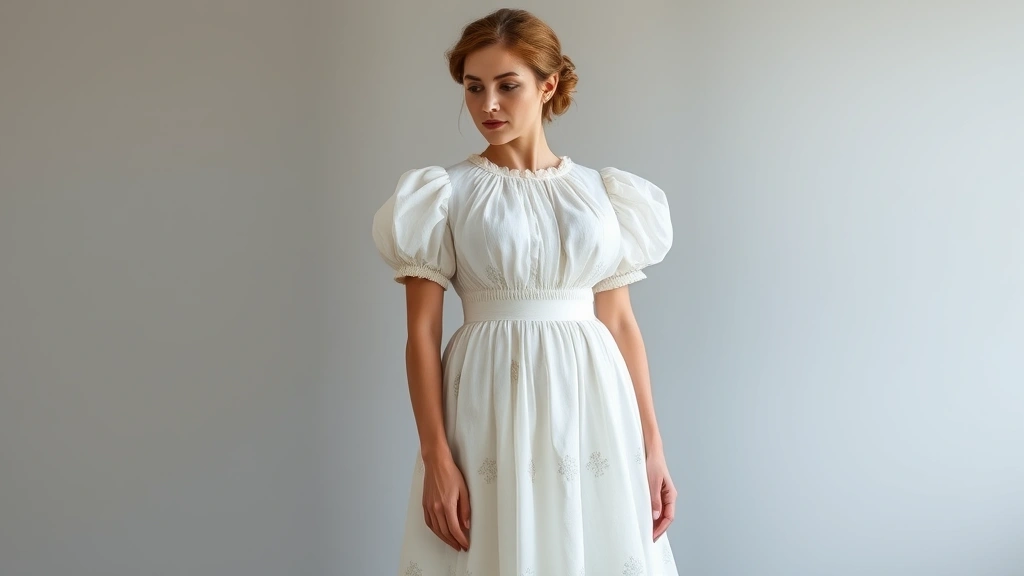
The most distinctive feature of Regency fashion was undoubtedly the empire waistline, positioned just beneath the bust rather than at the natural waist. This radical departure from previous fashion norms created an elongated, slender silhouette that emphasized the upper body and created an illusion of height and grace. Women’s gowns featured minimal gathering or decoration at the waist, instead allowing fabric to flow freely from the bust to the ankle. This design choice was revolutionary because it fundamentally altered how women’s bodies were perceived and presented in public spaces.
The high hemline was equally revolutionary for its time. Regency dresses typically featured hems that fell just above the ankle, exposing the foot and lower leg in ways that would have been considered scandalous merely decades earlier. This elevation of the hemline served multiple purposes: it allowed for greater mobility, showcased fashionable footwear, and reflected the neoclassical aesthetic that dominated artistic and architectural trends. Fashion historians note that this shift represented a genuine advancement in practical dressing, even as conservative society members questioned the propriety of such exposure.
Understanding these silhouette changes requires knowledge of the understructure that supported them. While many assume Regency women abandoned corsets entirely, the reality involved strategic use of lighter stays or corsetry that provided support without the restrictive boning of previous eras. Some women wore high-waisted corsets that sat just below the bust, while others used simple linen underpinnings. This variation in understructure explains why different women achieved slightly different silhouettes, even when wearing fashionable Regency gowns. The flexibility in construction made Regency fashion more adaptable to individual body types and preferences than popular narratives suggest.
Short sleeves and low necklines became standard during this period, creating an overall aesthetic of elegance and restraint. The sleeves often featured decorative elements like pleating, gathering, or delicate embroidery, while the neckline typically formed a gentle curve across the chest. This combination of exposed skin and refined detail created a sophisticated balance that defined Regency elegance. For those interested in understanding how historical silhouettes can inform modern dressing, exploring pear body type fashion principles reveals how strategic waistline placement can flatter different figures, much as Regency designers understood.
Fabrics and Materials: Luxury and Innovation
Regency fashion depended heavily on specific fabrics that created the desired silhouette and conveyed social status. Muslin emerged as the fabric of choice for day dresses, valued for its lightweight nature and ability to drape elegantly. This cotton fabric, often imported from India, allowed the empire waistline to flow gracefully while remaining structured enough to maintain its shape. The popularity of muslin had significant economic implications, as increased demand drove textile trade and manufacturing innovations throughout the British Empire.
Evening wear and formal occasions called for more luxurious fabrics including silk, satin, and net. These materials provided the richness and formality appropriate for balls and social gatherings, while their weight and drape created more dramatic silhouettes than everyday muslin. Silk was particularly prized for its lustrous quality and the way it caught light, creating an ethereal quality that complemented the neoclassical aesthetic. The contrast between practical day wear in muslin and elaborate evening wear in silk demonstrated how Regency fashion accommodated different social contexts and occasions.
Transparency became a defining characteristic of Regency fashion, particularly in evening wear. Sheer fabrics like gauze, net, and fine muslin were layered to create depth while maintaining the delicate, ethereal quality that defined the period’s aesthetic. This transparency required careful consideration of undergarments, as the silhouette beneath the sheer fabric was visible. Fashion historians note that this transparency also served a practical purpose: it allowed for greater air circulation in an era before modern climate control, making these garments more comfortable for indoor social events and dancing.
Wool and linen featured prominently in outerwear and casual garments, providing warmth and durability for everyday wear. Spencer jackets, short waist-length jackets worn over dresses, were typically constructed from wool or cotton and provided essential warmth without disrupting the high-waisted silhouette. The variety of fabrics available to Regency women reflected both their social class and the specific occasion, creating a sophisticated system of sartorial communication that conveyed wealth, refinement, and fashion awareness.
The Color Palette: Pastels, Jewel Tones, and Natural Dyes
Regency fashion embraced a sophisticated color palette dominated by pale, delicate hues that reflected neoclassical ideals. White, cream, and pale yellow served as foundational colors for day wear, creating an impression of purity, elegance, and refinement. These light colors also reflected the neoclassical influence, as they evoked ancient Greek and Roman garments depicted in classical artwork and literature. The prevalence of white dresses became so significant that it influenced social expectations and beauty standards, creating an aesthetic ideal that persists in modern bridal fashion.
Beyond white, Regency fashion featured soft pastels including pale blue, blush pink, sage green, and lavender. These colors were achieved through natural dyeing processes, creating subtle variations that added visual interest while maintaining the overall aesthetic of refinement. The limitations of natural dyes meant that achieving consistent, bright colors was difficult and expensive, making pale tints more practical and fashionable. This practical limitation became an aesthetic preference, as fashion arbiters celebrated the sophistication of subtle color combinations.
Evening wear and formal occasions permitted richer, more saturated colors including deep blues, burgundies, and forest greens. These jewel-toned fabrics created dramatic contrast with the pale day wear, signaling the transition from daytime propriety to evening glamour. Metallic threads, particularly gold and silver, were incorporated into evening wear through embroidery and trim, adding luxury and visual interest. The color hierarchy embedded in Regency fashion reflected social conventions: pale colors for respectable daywear, richer tones for evening entertainment, and bright colors reserved for certain types of informal wear.
Understanding color in Regency fashion requires acknowledging how dyes were sourced and applied. Madder root produced reds and browns, indigo created blues, and various plant materials produced yellows and greens. The expense of importing certain dye materials and the labor required for dyeing meant that color choice communicated wealth and access to resources. For those exploring how historical color palettes influence contemporary style, the principles of pastel goth fashion demonstrate how historical color combinations continue to inspire modern aesthetics.
” alt=”Regency era ball gown detail showing empire waistline and delicate embroidery on pale silk fabric with soft draped skirt”>
Accessories and Details: The Finishing Touches
Regency fashion’s elegance extended far beyond the basic silhouette to include carefully considered accessories and decorative details. Pelisses, lightweight overgarments worn for warmth and style, featured high waistlines that echoed the dress beneath and often displayed decorative trim or contrasting fabrics. These garments served both practical and aesthetic purposes, allowing women to layer for warmth while maintaining fashionable proportions. Shawls, particularly those made from Kashmir wool or fine linen, became essential accessories that provided warmth while adding visual interest through fringe, embroidery, or decorative patterns.
Bonnets and hats represented crucial fashion statements during the Regency period. These headpieces featured wide brims and deep crowns, decorated with ribbons, feathers, and artificial flowers. The bonnet’s construction framed the face while creating a silhouette that complemented the high-waisted dress. Styles varied seasonally and by occasion, with elaborate evening bonnets contrasting sharply with simpler day bonnets. The bonnet’s prominence in Regency fashion reflected both practical necessity (protection from sun and weather) and social convention (respectable women covered their heads in public).
Jewelry during the Regency period emphasized delicacy and refinement, with long strands of pearls, simple earrings, and small brooches serving as typical adornments. Cameos and lockets held sentimental value and were frequently given as gifts, becoming treasured accessories passed through families. The jewelry aesthetic complemented the overall silhouette: delicate, refined pieces that didn’t compete with the elegant simplicity of the gown itself. This restraint in jewelry reflected broader Regency aesthetic principles that valued subtlety and refinement over ostentation.
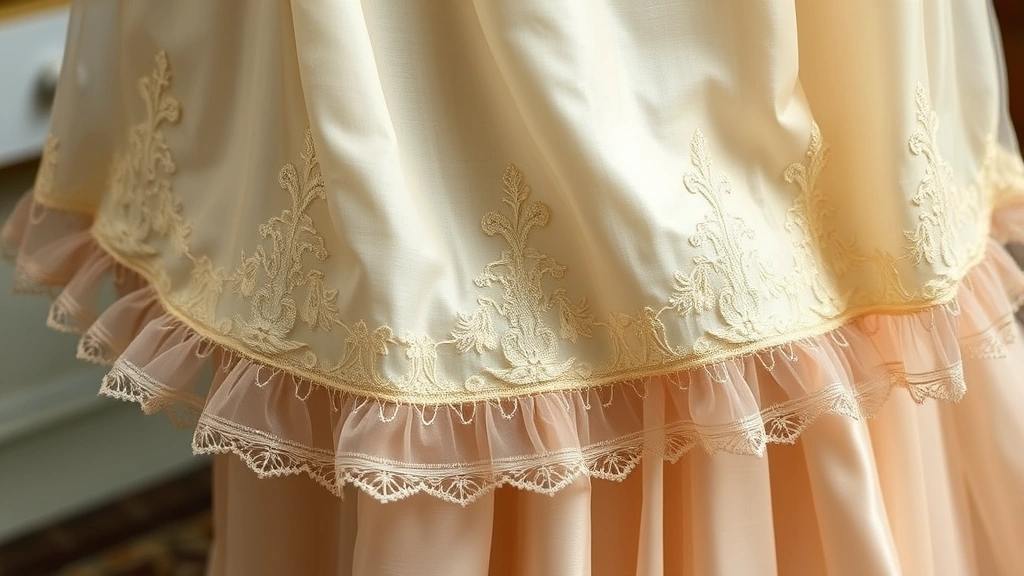
Embroidery and trim provided opportunities for individual expression and social differentiation. Sprigged muslin (printed cotton featuring small floral or geometric patterns) offered an affordable way to add visual interest to day dresses, while elaborate embroidery in silk thread adorned evening wear. Decorative elements were typically concentrated at the hem, sleeve edges, and neckline, creating focal points that drew attention to specific areas of the silhouette. This strategic placement of decoration demonstrated sophisticated understanding of proportion and visual balance, principles that remain relevant to contemporary fashion design.
Men’s Fashion Evolution During the Regency
While Regency fashion is often associated with women’s styles, men’s fashion underwent significant transformations during this period as well. The silhouette shifted from the elaborate, colorful styles of the previous century toward a more refined, understated aesthetic. Men’s coats featured higher waistlines, though not to the extreme degree of women’s fashions, and tighter fitting through the chest and shoulders. This new tailoring created a more athletic, masculine silhouette that reflected changing ideals of male appearance and social status.
Breeches and pantaloons represented the primary lower body garments, with pantaloons gradually replacing breeches as the decade progressed. Pantaloons, fitted trousers that extended to the ankle, represented a modern, practical alternative to the knee-length breeches of earlier periods. The transition from breeches to pantaloons reflected broader social changes and the influence of military styles on civilian fashion. Regency dandies, including the famous Beau Brummell, elevated men’s tailoring to an art form, demonstrating that masculine fashion could be as carefully considered and innovative as women’s styles.
Colors in men’s fashion remained more subdued than women’s wear, with dark coats in blue, black, or brown serving as the foundation of respectable male dress. Waistcoats provided opportunities for color and pattern, featuring stripes, checks, or subtle designs in contrasting colors. Cravats, the elaborate neckwear of the period, became increasingly important as status markers, with skilled tying techniques and fine fabrics conveying social position and fashion awareness. The famous “Mathematical Cravat” and other intricate arrangements required significant time and skill to achieve, making them markers of leisure and refinement.
Accessories for men included high boots, frequently polished to a mirror shine, hats in various styles including the iconic top hat, and walking sticks or canes that served both practical and decorative purposes. Jewelry for men was minimal but significant, with signet rings, watch chains, and simple pins serving as appropriate adornments. The overall aesthetic in men’s Regency fashion emphasized tailoring, fit, and quality materials over decoration, creating a template for formal masculine dress that remains influential today.
Social Significance and Class Distinctions
Regency fashion functioned as a sophisticated system of social communication, with clothing choices conveying information about wealth, social status, marital status, and moral character. The ability to wear pale muslin dresses required access to expensive fabrics and the leisure time to maintain such impractical garments, making whiteness itself a marker of social class. Working-class women wore darker, more durable fabrics that could withstand the demands of labor, while upper-class women displayed their status through delicate, easily soiled garments that demonstrated freedom from manual work.
Marriage status was communicated through fashion choices, with unmarried women following different fashion rules than married women. Young unmarried women typically wore higher waistlines and shorter skirts, displaying their youth and eligibility through fashion choices that emphasized their legs and youthful figure. Married women enjoyed slightly more freedom in their fashion choices, though they remained bound by propriety and respectability. Widows wore distinctive mourning garments that identified their status and removed them from the marriage market for prescribed periods.
The Regency period witnessed the rise of fashion publications that democratized style information and allowed aspirational women to emulate upper-class fashions. Publications like La Belle Assemblée and The Lady’s Magazine featured hand-colored fashion plates showing the latest styles, allowing women of modest means to understand fashionable proportions and details. This dissemination of fashion information created pressure on upper-class women to constantly update their wardrobes to maintain their distinction from lower classes, driving fashion innovation and consumption.
Regional variations in Regency fashion reflected local resources, trade connections, and cultural preferences. Women in fashionable London spas like Bath or Brighton had access to the latest styles and were expected to dress according to metropolitan standards, while women in rural areas might lag behind urban fashions by months or years. This geographic hierarchy of fashion awareness reinforced London’s cultural dominance and created aspirational relationships between provincial women and metropolitan fashion centers.
Modern Regency Influence: Contemporary Applications
The enduring appeal of Regency fashion demonstrates its fundamental elegance and sophistication. Contemporary designers regularly reference Regency silhouettes, with empire waistlines reappearing in modern evening wear, wedding dresses, and high-fashion collections. The recent popularity of television adaptations of Jane Austen novels has sparked renewed interest in authentic Regency fashion, with many people seeking to incorporate historical elements into their contemporary wardrobes. This revival demonstrates how historical fashion can inspire modern style without requiring complete historical reenactment.
The principles underlying Regency fashion remain relevant to modern dressing. The emphasis on proportion, the strategic use of high waistlines to create favorable silhouettes, and the balance between simplicity and decoration offer valuable lessons for contemporary fashion. Understanding how Regency designers used fabric drape, color, and silhouette to create flattering garments can inform modern style choices. For those interested in developing a cohesive personal aesthetic, exploring how to find your personal style through historical inspiration offers exciting possibilities.
Wedding fashion has been particularly influenced by Regency aesthetics, with many contemporary bridal designers incorporating high waistlines, delicate fabrics, and neoclassical details into their collections. The association between Regency fashion and romance, elegance, and femininity makes it particularly appealing for special occasions. Many brides seek to capture the ethereal quality of Regency evening wear, adapting historical silhouettes to modern construction techniques and contemporary expectations.
Casual fashion has also embraced Regency-inspired elements, with high-waisted trousers and dresses becoming mainstream fashion staples. The practical advantages of high-waisted garments, which elongate the leg and create favorable proportions for many body types, have contributed to their modern popularity. Fashion retailers frequently offer Regency-inspired pieces, from empire-waist dresses to high-waisted skirts, making historical fashion accessible to contemporary consumers. Understanding the historical context of these styles enriches appreciation for their design and enhances their styling potential.
The broader fashion industry recognizes Regency fashion as a source of inspiration for sustainable and timeless design. The emphasis on quality fabrics, refined tailoring, and elegant simplicity aligns with contemporary values of sustainable consumption and investment pieces. Many fashion educators reference Regency fashion as an example of how restraint and refinement can create more lasting appeal than trend-driven design, making it relevant to discussions of fashion literacy and conscious consumption.
FAQ
What defined the empire waistline in Regency fashion?
The empire waistline was positioned just beneath the bust, creating a high-waisted silhouette that allowed fabric to flow freely from the bust to the ankle. This created an elongated, graceful appearance and represented a revolutionary departure from the natural waistlines of previous fashion periods. The empire waist became the defining characteristic of Regency women’s fashion and remains influential in contemporary design.
Did Regency women really abandon corsets?
While popular culture often suggests Regency women abandoned corsetry, the reality was more nuanced. Women wore lighter stays or corsetry positioned just below the bust rather than at the natural waist, providing support without the restrictive boning of previous eras. This allowed greater comfort and mobility while still providing structure for the high-waisted silhouette. The variation in understructure meant different women achieved slightly different silhouettes depending on their individual choices.
What fabrics were most popular during the Regency period?
Muslin dominated daywear due to its lightweight, elegant drape, while silk, satin, and net appeared in evening wear. Sheer fabrics like gauze were layered to create depth and ethereal quality. Wool and linen featured in outerwear and practical garments. The choice of fabric communicated social class and the occasion, with expensive imported fabrics indicating higher status and wealth.
How did men’s fashion change during the Regency era?
Men’s fashion shifted from elaborate, colorful styles toward refined, understated aesthetics. Coats featured higher waistlines and tighter fitting, while breeches gradually gave way to pantaloons. Colors remained subdued, with dark coats serving as the foundation of respectable dress. Waistcoats and cravats provided opportunities for color and pattern, and skilled tailoring became increasingly important as a marker of social status.
What role did fashion publications play in Regency fashion?
Fashion publications like La Belle Assemblée and The Lady’s Magazine featured hand-colored fashion plates that democratized style information and allowed women of modest means to understand fashionable proportions and details. These publications created pressure on upper-class women to constantly update their wardrobes while allowing aspirational women to emulate high-society styles.
How does Regency fashion influence contemporary style?
Regency silhouettes regularly appear in modern evening wear, wedding dresses, and high-fashion collections. Contemporary designers reference empire waistlines and neoclassical details, while the practical advantages of high-waisted garments have made them mainstream fashion staples. The emphasis on quality, proportion, and elegant simplicity in Regency fashion aligns with contemporary values of sustainable, timeless design.
What accessories were essential to Regency fashion?
Bonnets, shawls, pelisses, and delicate jewelry were crucial accessories. Bonnets featured wide brims decorated with ribbons and flowers, while shawls provided warmth and visual interest. Jewelry emphasized delicacy with long pearl strands, simple earrings, and small brooches. These accessories complemented the overall aesthetic of refined elegance and were carefully chosen to enhance the silhouette without overwhelming it.
For deeper exploration of Regency aesthetics and how they relate to modern style categories, examining types of fashion styles provides context for understanding how historical periods influence contemporary classifications. The fashion style principles established during the Regency continue to shape how designers and fashion enthusiasts approach silhouette, proportion, and elegance.
For authoritative historical context, Vogue regularly features articles examining historical fashion influences on contemporary design. The Metropolitan Museum of Art maintains extensive collections and scholarly resources on Regency fashion. The History of Work provides detailed analysis of how social conditions shaped fashion choices. The British Museum offers primary source materials and expert perspectives on Regency period dress. Fashion historian FIT Fashion History provides comprehensive resources for understanding the period’s cultural and economic contexts.
The Style Loom Daily Blog continues to explore how historical fashion periods influence contemporary style choices, offering practical guidance for incorporating historical inspiration into modern wardrobes. Whether you’re drawn to Regency fashion for its aesthetic refinement, its historical significance, or its influence on contemporary design, understanding this pivotal period enriches your appreciation for fashion’s evolution and enduring principles.