
How to Rock Punk Fashion? Designer Insights
Punk fashion isn’t just a style—it’s a rebellion wrapped in leather, studs, and attitude. Born from the underground music scene of the 1970s, punk fashion has evolved into a timeless aesthetic that continues to influence runways and street style today. Whether you’re drawn to the raw energy of classic punk or the refined edge of modern interpretations, mastering this bold look requires understanding its core principles and learning how to make them authentically yours.
The beauty of punk fashion lies in its paradox: it’s simultaneously about breaking rules and following a distinct visual language. From the iconic safety pins and torn fabrics to the carefully curated band tees and combat boots, every element tells a story of nonconformity. In this comprehensive guide, we’ll explore how designers interpret punk aesthetics, share insider tips for building your punk wardrobe, and show you how to express your individuality through this electrifying style movement.
The Roots and Evolution of Punk Fashion
Punk fashion emerged in the mid-1970s as a visual manifestation of the punk rock movement, with designers like Vivienne Westwood and Malcolm McLaren at the forefront of creating this revolutionary aesthetic. What started as an anti-fashion statement quickly became one of the most influential style movements in history. The original punk look was deliberately provocative: ripped clothing, safety pins, leather jackets, and deliberately unkempt hair were meant to shock and challenge societal norms.
The genius of punk fashion lies in its accessibility and DIY ethos. Unlike high fashion that required wealth and exclusivity, punk could be created by anyone with imagination and a willingness to defy convention. Thrift stores became treasure troves for punk fashionistas, who would customize and reconstruct garments to create their unique aesthetic. This democratization of style made punk a movement that transcended class boundaries.
Over the decades, punk fashion has continuously reinvented itself while maintaining its rebellious spirit. The 1980s saw the rise of new wave punk with neon colors and geometric shapes. The 1990s brought grunge influences, blending punk’s edge with flannel and minimalism. Today, contemporary punk fashion represents a sophisticated blend of vintage authenticity and modern sensibility. Designers now reference punk aesthetics in high-fashion collections, proving that this style has achieved cultural permanence.
Understanding this history is crucial because it informs how you approach punk fashion today. It’s not about copying a look; it’s about embodying the philosophy of self-expression and creative rebellion that punk represents. When you explore 90s fashion influences, you’ll notice how punk elements have been integrated into contemporary style narratives.
Essential Punk Fashion Staples
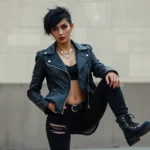
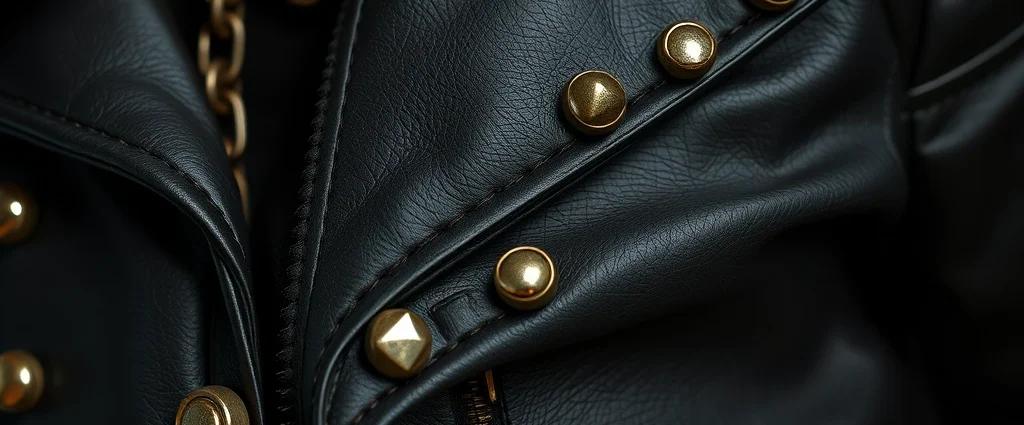
Every iconic punk wardrobe is built on foundational pieces that define the aesthetic. These aren’t just clothing items—they’re statements of intent. The leather jacket is perhaps the most recognizable punk piece, symbolizing rebellion and edge. A well-worn black leather jacket, preferably adorned with studs, chains, or pins, is the cornerstone of any punk outfit.
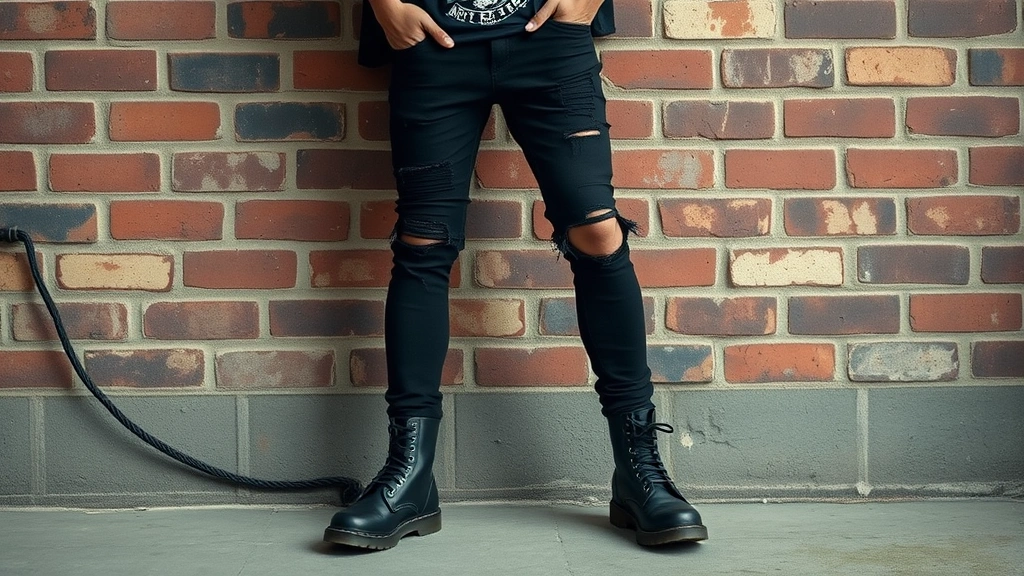
Ripped and distressed jeans represent the DIY spirit of punk culture. Whether you purchase pre-distressed denim or create your own tears and frays, these jeans convey a sense of deliberate imperfection that rejects mainstream fashion standards. Pair them with band t-shirts—vintage concert tees are particularly valuable in punk styling because they represent musical authenticity and personal taste.
Combat boots are non-negotiable in punk fashion. These sturdy, utilitarian shoes provide both comfort for active movement and a powerful visual statement. Doc Martens became synonymous with punk culture, though modern alternatives offer similar aesthetic impact. The boots anchor any punk outfit and add an undeniable attitude to even casual combinations.
Chains, safety pins, and studs serve as the jewelry of punk fashion. These accessories were originally repurposed from industrial materials, reflecting punk’s embrace of the unconventional. A studded belt, chain wallet, or safety-pin adorned jacket instantly elevates your punk credentials. When exploring punk fashion style in depth, you’ll discover that these details are never accidental—they’re carefully chosen expressions of individuality.
Fishnet stockings and mesh tops add texture and attitude to punk outfits. These pieces work particularly well in layered combinations, creating visual complexity and intrigue. Black is the traditional choice, though creative punks experiment with colored mesh and strategic placement to create unique silhouettes.
Designer Interpretations of Punk
Contemporary fashion designers have embraced punk aesthetics, elevating the style to luxury levels while preserving its rebellious essence. Vivienne Westwood, the original punk fashion architect, continues to influence modern punk through her collections that blend historical references with avant-garde construction. Her work demonstrates that punk fashion can be intellectually sophisticated while maintaining visual edge.
Alexander McQueen was renowned for infusing punk elements into haute couture, creating collections that felt dangerous yet wearable. His approach involved deconstructing traditional tailoring and incorporating punk’s raw energy into structured garments. This fusion proved that punk fashion could occupy luxury spaces without losing its authenticity.
Designers like Vogue’s featured designers continue exploring punk influences through modern lenses. Contemporary interpretations often soften punk’s most aggressive elements while maintaining its defiant spirit. This evolution allows punk fashion to appeal to broader audiences while remaining true to its foundational values.
High fashion’s engagement with punk has created an interesting dynamic: punk is no longer purely countercultural, yet it retains its power to provoke and inspire. Luxury brands now produce distressed leather, safety-pin embellishments, and studded accessories that cost significantly more than their DIY counterparts. This commercialization raises questions about authenticity, but it also demonstrates punk’s lasting cultural impact.
When exploring designer punk fashion, pay attention to how they handle proportions, fabric choices, and construction methods. Many contemporary designers use punk references as a starting point for innovation, creating pieces that honor the aesthetic while pushing boundaries in new directions. This approach shows that punk fashion is not static—it’s a living, evolving style language.
Building Your Punk Wardrobe
Creating an authentic punk wardrobe doesn’t require purchasing an entirely new closet overnight. Instead, start by identifying pieces you already own that align with punk aesthetics, then strategically add complementary items. A black leather jacket is your first priority—invest in quality because this piece will anchor countless outfits and improve with age and wear.
Next, focus on bottoms. You’ll want at least two pairs of distressed black jeans in different styles: one with strategic rips and fraying, another with a more subtle worn aesthetic. Leather pants or leggings provide alternative options for creating varied looks. The key is finding pieces that feel authentic to your personal style rather than forcing yourself into a mold.
Build your collection of band t-shirts and graphic tees gradually. These pieces form the visual foundation of punk outfits, and they should reflect your genuine musical interests. Whether you’re into classic punk bands or contemporary artists, your tees should tell your story. Don’t shy away from mixing vintage band merchandise with contemporary graphic designs.
Combat boots are your footwear foundation, but consider adding alternative options like pointed-toe heels, platform sneakers, or studded sandals. Punk fashion thrives on mixing expected and unexpected elements, so your shoe choices can reflect this philosophy. When exploring fashion style options, remember that punk allows for creative interpretation.
Layering pieces like mesh tops, fishnet shirts, and studded vests add dimension to your outfits. These items work beautifully over band tees or worn under sheer jackets, creating visual interest and texture. Incorporate at least a few layering pieces into your wardrobe to increase outfit versatility.
Accessories deserve careful attention when building your punk collection. Invest in quality chains, statement belts with bold buckles, and a collection of pins and patches. These details transform basic outfits into complete punk statements. Consider creating a dedicated accessories drawer where you can easily access and mix these elements.
Accessories and the Details That Matter
In punk fashion, accessories are never afterthoughts—they’re essential elements that complete your statement. A studded belt serves double duty as both functional and aesthetic, cinching your waist while adding visual interest. Look for belts with substantial metal elements and bold buckles that command attention.
Chains represent punk’s embrace of industrial materials and rebellious aesthetics. Wallet chains, body chains, and layered necklaces all contribute to authentic punk styling. The key is avoiding a costume-like appearance by mixing chain elements with other accessories in intentional ways. Too many chains can feel overdone, while strategic placement creates sophisticated edge.
Safety pins, originally used as practical closures for torn clothing, became iconic punk symbols. Modern punk fashion incorporates safety pins as deliberate design elements—adorning jackets, clustering on shirts, or securing sheer fabrics. They represent punk’s DIY philosophy and continue to signal rebellion decades after their initial adoption.
Rings deserve special attention in punk styling. Chunky metal rings, spiked knuckle rings, and skull-themed designs all contribute to the aesthetic. Layer multiple rings on different fingers for visual impact, or choose one statement ring per hand. When exploring pop culture fashion trends, you’ll notice rings play significant roles in creating complete punk looks.
Bags should reflect punk aesthetics while remaining functional. Leather backpacks, studded crossbody bags, and chain-adorned purses all work beautifully within punk fashion. Choose bags in black, deep burgundy, or forest green—colors that complement punk’s darker palette while allowing creative expression.
Patches and pins offer personalization opportunities that are central to punk philosophy. Band patches, political pins, and custom designs allow you to express your values and interests. Many punks customize their jackets with patches that tell their story, creating unique garments that reflect their individual journeys.
Makeup and Hair for Punk Style
Punk makeup is bold, graphic, and intentionally unconventional. Heavy eyeliner in black, deep purple, or dark green creates the dramatic eye makeup synonymous with punk aesthetics. The goal isn’t perfection—slightly smudged liner and asymmetrical application actually enhance the rebellious feel. Consider experimenting with graphic eyeliner shapes, sharp wings, or dramatic lower-lash emphasis.
Dark lipstick is a punk makeup essential. Black, deep burgundy, dark plum, and blood red all work beautifully. The matte finish typically works better than glossy for authentic punk styling, though some modern interpretations embrace shine. Don’t be afraid to experiment with unconventional colors like dark green or navy if they resonate with your personal aesthetic.
Face makeup in punk style often embraces a pale complexion, created through foundation or powder several shades lighter than your natural skin tone. This aesthetic creates striking contrast with dark eye makeup and lip color. Alternatively, some punks embrace their natural skin tone while focusing intensity on eyes and lips.
Hair styling is where punk fashion truly shines as a form of self-expression. Classic punk hair includes spiky mohawks, shaved sides with longer top sections, and dramatically teased textures. Modern interpretations might include colored streaks, asymmetrical cuts, or controlled spikes that work within professional environments. The key is choosing a style that feels authentically rebellious to you.
Temporary hair dye, bleach, and creative cutting techniques allow for experimentation without permanent commitment. Many punks embrace the temporary nature of hair styling, changing their look frequently to reflect evolving moods and artistic explorations. Colored spray-on dyes and clip-in colored extensions offer reversible options for those hesitant about permanent changes.
Hair texture matters less than intention and attitude. Whether your hair is naturally straight, curly, or wavy, punk styling celebrates individuality. Tease, spike, shave, or style your hair in ways that feel true to your punk philosophy. Remember that punk originated as a rejection of conventional beauty standards, so your hair choices should reflect personal authenticity rather than adherence to specific rules.

Modern Punk Fashion Trends
Contemporary punk fashion blends classic elements with modern sensibilities, creating fresh interpretations that honor tradition while pushing boundaries. One significant trend involves mixing punk with feminine elements—crop tops paired with studded leather jackets, delicate jewelry layered with chains, and structured skirts worn with combat boots. This fusion creates dynamic visual tension that feels both punk and contemporary.
Sustainable punk fashion has emerged as conscious consumers seek vintage and secondhand pieces. Thrifting aligns perfectly with punk’s original DIY ethos, and hunting for unique pieces in vintage shops connects modern punks with the movement’s roots. This trend also addresses fashion’s environmental impact while maintaining authentic punk values.
Minimalist punk represents another modern evolution, stripping away excess while maintaining edge. This approach focuses on quality pieces, strategic styling, and intentional minimalism that feels punk rather than simply minimal. A well-fitted black leather jacket, perfect jeans, and quality boots create powerful punk statements without requiring extensive accessorizing.
Gender-fluid punk fashion continues expanding, rejecting traditional associations between punk aesthetics and specific genders. Skirts, dresses, and feminine silhouettes now appear throughout punk fashion in ways that would have been considered revolutionary in earlier decades. This evolution reflects punk’s core value of rejecting societal constraints and celebrating individuality.
Luxury punk collaborations between high-fashion designers and punk-influenced brands have created accessible options for those seeking quality pieces. These collaborations often feature innovative takes on classic punk elements, proving that the aesthetic continues evolving while maintaining its rebellious spirit. When exploring fashion nova dresses and contemporary options, you’ll notice punk influences appearing across price points and fashion categories.
Neon and color experimentation represents a departure from traditional punk’s emphasis on black. Modern punks incorporate bold colors, metallics, and unexpected combinations that still maintain punk’s edgy essence. This trend shows that punk fashion isn’t rigidly defined—it’s a philosophy that evolves with each generation.
How to Personalize Your Punk Look
Authentic punk fashion requires personalization—making the style entirely your own rather than copying a template. Start by identifying which punk elements resonate most strongly with you. Do you connect with the music? The visual aesthetics? The philosophical rejection of convention? Your answer should guide which punk elements you emphasize.
Customize your pieces to reflect your personality and values. Add patches to your jacket that represent bands, causes, or experiences meaningful to you. Alter your jeans with specific rips and designs that feel personal. Paint your combat boots or add studs in patterns that excite you. These customizations transform purchased items into genuine expressions of self.
Incorporate your existing style into punk fashion rather than abandoning it entirely. If you love vintage pieces, integrate vintage finds into your punk wardrobe. If you appreciate minimalism, create a streamlined punk aesthetic. If you’re drawn to color, explore how to incorporate it into punk styling. The most compelling punk fashion reflects authentic personal style rather than surface-level imitation.
Document your punk journey through photography and styling experimentation. Notice which combinations feel powerful, which accessories make you feel confident, and which looks genuinely express your personality. Over time, your personal punk aesthetic will emerge—a unique style language that belongs entirely to you.
Connect with punk communities, both online and in-person, to find inspiration and validation. Punk fashion thrives on community and shared values. Exploring StyleLoom Daily Blog and similar resources provides access to diverse perspectives on punk styling and contemporary interpretations.
Remember that punk fashion is fundamentally about authenticity and self-expression. The most powerful punk looks come from genuine personal conviction rather than adherence to aesthetic rules. Wear what makes you feel confident, rebellious, and true to yourself. That’s the true spirit of punk fashion.
FAQ
What is the difference between punk and goth fashion?
While both aesthetics embrace dark colors and alternative styling, punk and goth fashion differ significantly in philosophy and visual approach. Punk emphasizes rebellion, DIY culture, and often incorporates bright colors or deliberately clashing elements. Goth fashion focuses on gothic romanticism, Victorian influences, and darker, more cohesive aesthetics. Punk is about breaking rules; goth follows its own aesthetic rules. However, these styles frequently overlap and influence each other in contemporary fashion.
Can I wear punk fashion to professional environments?
Absolutely. Modern punk fashion has evolved to accommodate various contexts. Streamlined leather jackets, well-fitted black pants, subtle accessories, and minimal makeup create professional punk looks suitable for workplaces. Focus on quality pieces and strategic styling rather than excessive embellishment. Many professionals successfully incorporate punk elements into their work wardrobes by balancing edge with sophistication.
Is punk fashion expensive?
Punk fashion can be as affordable or expensive as you choose. The original punk ethos embraced DIY culture and thrifting, making punk accessible to anyone. You can build an authentic punk wardrobe through secondhand shopping, strategic purchases, and customization. Alternatively, luxury designers offer high-end punk pieces. The key is finding quality items within your budget rather than pursuing specific price points.
How do I know if I’m being authentic in my punk fashion choices?
Authenticity in punk fashion comes from personal conviction and genuine self-expression rather than following specific rules. Ask yourself: Does this reflect my values? Does wearing it make me feel confident and true to myself? Does it express something meaningful about who I am? If the answer is yes, you’re being authentic. Punk fashion is fundamentally about rejecting conformity and celebrating individuality—your unique interpretation is inherently authentic.
What are the best resources for learning about punk fashion history?
Explore books dedicated to punk fashion history, documentary films about punk culture, and interviews with designers who pioneered punk aesthetics. The Guardian’s Fashion section frequently features articles about punk’s cultural impact. Vogue’s archives contain extensive coverage of punk influences in contemporary fashion. Visiting punk museums and exhibitions provides immersive learning experiences that deepen your understanding of this influential movement.
Can I mix punk with other fashion styles?
Yes, mixing punk with other styles creates interesting contemporary looks. Punk blends beautifully with minimalism, vintage fashion, grunge, and even romantic aesthetics. The key is maintaining intentionality—mixing styles should feel deliberate rather than accidental. A punk jacket over a vintage dress, minimalist pieces with bold punk accessories, or grunge elements combined with punk attitude all work when the combination feels cohesive and personally meaningful.