Old Money Fashion: Timeless Elegance Explained
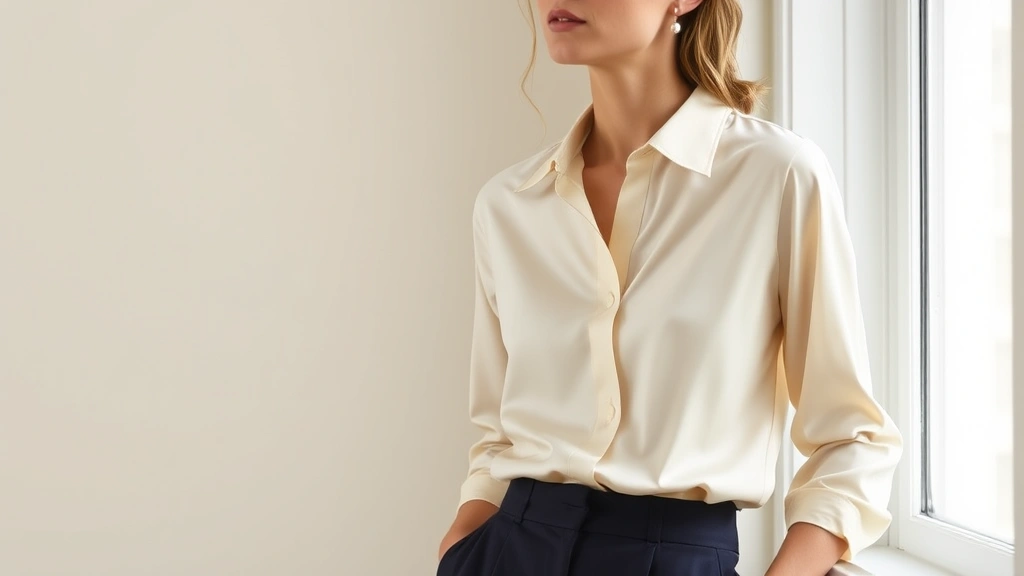
Old money fashion represents more than just clothing—it’s a philosophy of quiet luxury, understated sophistication, and timeless style that transcends fleeting trends. Unlike flashy designer logos and statement pieces that scream wealth, old money aesthetic whispers elegance through carefully curated basics, heritage brands, and investment pieces that improve with age. This style philosophy has been perfected over generations by families whose wealth is so established that they need not announce it.
The essence of old money fashion lies in its restraint and authenticity. It’s about quality over quantity, heritage over novelty, and refinement over ostentation. Whether you’re drawn to this elegant lifestyle or simply want to elevate your wardrobe with timeless pieces, understanding the principles of old money style can transform how you approach fashion and personal presentation.

What Defines Old Money Fashion
Old money fashion emerges from a distinct cultural and economic background where wealth has been accumulated over multiple generations. This aesthetic developed among aristocratic families, established business dynasties, and those whose financial security is so assured that conspicuous consumption becomes unnecessary. The style originated in European high society and has been particularly cultivated in New England, the British Isles, and other traditionally wealthy regions.
The defining characteristic of old money fashion is its commitment to understated elegance. Rather than purchasing the latest designer collection or wearing recognizable logos, old money style favors investment pieces from established heritage brands that have maintained consistent quality for decades or even centuries. Think Hermès scarves passed down through generations, Burberry trench coats worn season after season, and cashmere sweaters that become softer with age.
This aesthetic represents a conscious rejection of “new money” fashion, which tends toward visible luxury brands, trendy pieces, and statement-making accessories. Old money fashion communicates confidence and security through subtlety rather than spectacle. It’s the difference between a woman wearing a recognizable logo-emblazoned bag and one carrying a beautifully worn leather portfolio from a family-owned Italian manufacturer that no one outside the fashion world would recognize.
Understanding how to find your personal style becomes essential when adopting old money aesthetics, as this approach requires deep self-knowledge and intentional curation rather than impulsive shopping.
Core Principles and Philosophy
The philosophy behind old money fashion rests on several foundational principles that distinguish it from other style approaches:
- Quality Over Quantity: Old money fashion celebrates owning fewer pieces of exceptional quality rather than numerous items of mediocre construction. A single well-made wool coat can be worn for thirty years, while ten fast-fashion jackets will deteriorate within seasons.
- Timelessness Over Trends: This aesthetic deliberately avoids trend-chasing. Pieces are selected for their ability to remain relevant across decades, not just seasons. Classic silhouettes, neutral colors, and traditional fabrics form the foundation.
- Heritage and Provenance: There’s deep appreciation for brands with established histories, traditional craftsmanship, and proven longevity. The story behind a piece—its maker, its heritage, its construction methods—matters as much as its appearance.
- Sustainability Through Longevity: By investing in pieces designed to last, old money fashion embodies sustainable principles through durability rather than conscious consumption rhetoric.
- Quiet Confidence: The aesthetic communicates security and self-assurance without requiring external validation through visible branding or trendy status symbols.
- Appropriate Restraint: There’s careful attention to context and occasion, with an understanding that different situations call for different presentations of elegance.
These principles create a cohesive philosophy where every purchase decision reflects long-term thinking and genuine appreciation for craftsmanship. When you explore different types of fashion styles, you’ll notice old money aesthetic stands apart in its rejection of trend cycles.
Essential Wardrobe Staples
Building an old money wardrobe begins with investing in timeless pieces that form the foundation of countless outfits. These staples should be purchased with the intention of wearing them for years, not seasons:
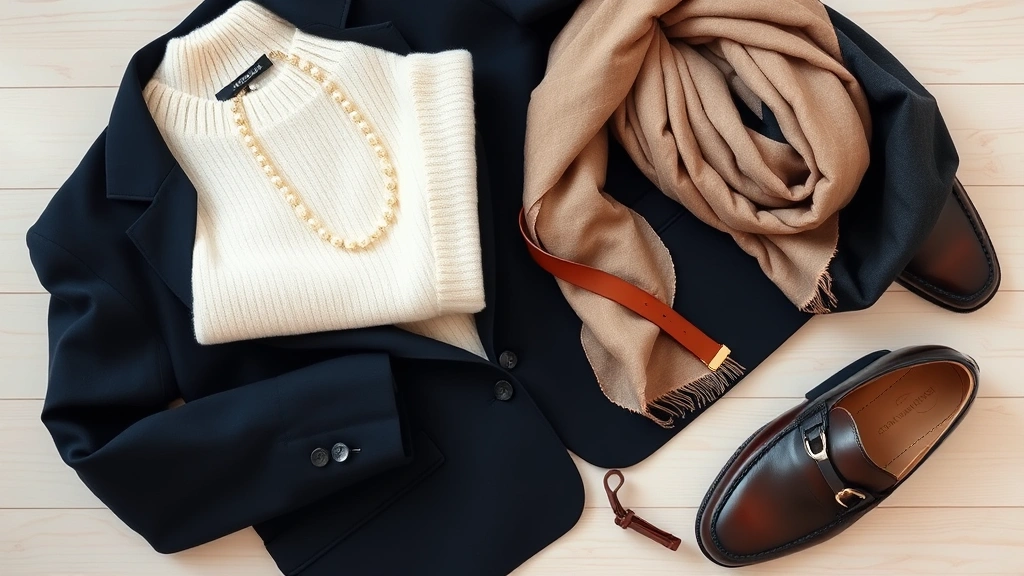
- Neutral Sweaters: Cashmere, merino wool, and fine cotton sweaters in cream, navy, grey, and black form the backbone of this aesthetic. Quality matters significantly—look for dense knits that won’t pill and will deepen in color with time.
- Tailored Blazers: A well-fitted navy or charcoal blazer, preferably in wool, can be worn across countless occasions. Opt for classic cuts without trendy details; quality tailoring matters more than designer labels.
- White Button-Down Shirts: The crisp white shirt is non-negotiable. Invest in premium cotton versions that can be worn under sweaters, beneath blazers, or alone. The fit should be precise but never trendy.
- Trench Coat: A classic trench coat in khaki or navy becomes a wardrobe investment piece. Burberry, Aquascutum, and similar heritage brands specialize in this iconic silhouette.
- Well-Cut Jeans: Dark denim in a classic cut, preferably from brands known for quality construction like Loro Piana or Brunello Cucinelli, provides casual sophistication.
- Neutral Trousers: Navy, grey, and camel wool trousers in impeccable tailoring form the foundation for polished looks.
- Pencil Skirts: A navy or grey wool pencil skirt in a timeless cut offers endless styling possibilities.
- Simple Dresses: A navy shift dress, a cream linen shirtdress, and a black wrap dress cover most occasions with understated elegance.
These foundational pieces share common characteristics: neutral colors, classic silhouettes, premium fabrics, and impeccable construction. They’re designed to mix and match seamlessly, creating numerous outfits from a relatively small collection.
Color Palette and Fabrics
The old money color palette is deliberately restricted, focusing on timeless neutrals and subtle variations that create sophistication through restraint:
Primary Colors: Navy blue, cream, grey, camel, black, and white form the core palette. These colors are chosen for their versatility, timelessness, and ability to convey quiet elegance. Navy and cream combinations are particularly iconic in old money fashion.
Secondary Colors: Soft pastels—pale blue, soft pink, light grey—can be incorporated for subtle variation. Jewel tones like emerald and burgundy appear occasionally but always in refined, understated applications.
Neutral Accents: Tan, khaki, oatmeal, and taupe provide additional layering options while maintaining the cohesive aesthetic.
The reasoning behind this restricted palette is twofold: first, neutral colors create maximum versatility, allowing pieces to be mixed and matched across seasons and years; second, they communicate understated confidence and allow craftsmanship and fit to shine rather than color or pattern.
Fabric Selection is equally important as color. Old money fashion prioritizes natural fibers known for durability and aging beautifully:
- Cashmere: The gold standard for knitwear, cashmere becomes softer and more luxurious with proper care over years of wear.
- Wool: Fine merino, lambswool, and pure new wool provide structure and longevity. Quality wool improves with age and careful storage.
- Linen: Premium linen becomes softer and more beautiful with washing and wearing, making it ideal for summer pieces.
- Cotton: High-quality cotton in densely woven constructions provides durability and comfort without pretension.
- Silk: Used sparingly in scarves, blouses, and linings, silk adds luxury without ostentation when sourced from quality producers.
- Leather: Full-grain leather that patinas beautifully over time appears in shoes, belts, and bags.
Synthetic fabrics are generally avoided in old money fashion, as they lack the longevity and aging characteristics that define this aesthetic. When you study the complete fashion history timeline, you’ll notice how timeless pieces consistently feature natural fibers.
Accessories and Details
Accessories in old money fashion are carefully selected investments rather than trendy additions. Each piece should serve a purpose and complement the overall aesthetic of quiet luxury:
Jewelry: Old money jewelry emphasizes simplicity and quality. Classic pieces include pearl studs, delicate gold chains, simple gold rings, and vintage pieces with genuine provenance. Costume jewelry is avoided entirely. Watches should be classic and understated—think Cartier Tank, Patek Philippe, or Rolex Submariner rather than fashion watches. Family heirlooms and inherited pieces add authenticity and history to one’s collection.
Scarves: Hermès silk scarves represent the pinnacle of accessible luxury in old money fashion. These investment pieces never go out of style and can be worn in countless ways. A classic silk square scarf in a neutral palette becomes a versatile accessory worn for decades.
Bags: Investment bags from heritage manufacturers like Hermès, Bottega Veneta, and Loro Piana prioritize craftsmanship and timeless design over trendy shapes. A well-made leather handbag in neutral tones should last decades and improve with patina. The Kelly bag, Birkin, and similar classics represent this philosophy—they’re expensive investments meant to be worn regularly and passed down.
Shoes: Quality matters supremely in footwear. Classic styles from manufacturers like Ferragamo, Church’s, and Manolo Blahnik in neutral colors provide timeless elegance. A well-maintained leather pump, simple flat, and quality loafer form the foundation. Shoes should be properly maintained with regular cleaning and professional repair.
Belts: Quality leather belts in neutral colors, preferably from heritage manufacturers, provide both function and subtle elegance. Simple buckles without excessive ornamentation align with the aesthetic.
Sunglasses: Classic styles from brands like Ray-Ban (Wayfarer, Clubmaster) or Oliver Peoples provide timeless sun protection without trend-consciousness.
The accessory philosophy emphasizes that less is more. A single statement piece—perhaps a quality watch or inherited brooch—works far better than multiple trendy accessories competing for attention.
Heritage Brands Worth Investing In
Old money fashion is built on relationships with established heritage brands that have maintained consistent quality and design philosophy across generations. These manufacturers represent the pinnacle of craftsmanship and timeless design:
- Hermès: The French luxury house exemplifies old money values through exceptional craftsmanship, timeless designs, and refusal to compromise quality for trend. Every piece is constructed to last decades.
- Burberry: The British heritage brand’s trench coat is arguably the most iconic piece in old money fashion, representing over a century of refined design.
- Loro Piana: This Italian manufacturer produces some of the world’s finest natural fibers, crafting clothing that improves with age and wear.
- Bottega Veneta: Known for exceptional leather craftsmanship and understated elegance, Bottega Veneta embodies the philosophy that quality speaks for itself.
- Brunello Cucinelli: This Italian brand represents modern interpretation of old money values, combining heritage craftsmanship with contemporary sensibility.
- Aquascutum: Another British heritage brand specializing in outerwear with a legacy spanning over 150 years.
- Ferragamo: The Italian shoemaker represents timeless elegance and exceptional construction in footwear.
- Cartier: For jewelry and watches, Cartier represents classic luxury that never dates.
- Patek Philippe: The Swiss watchmaker produces timepieces designed to be worn and inherited across generations.
- Ralph Lauren Purple Label: The American luxury line captures old money aesthetics through preppy heritage and classic tailoring.
These brands share common characteristics: established heritage spanning decades or centuries, commitment to quality materials and construction, timeless design philosophy, and pricing that reflects genuine value rather than marketing hype. Investing in these brands means purchasing pieces that will remain relevant and beautiful for years.
Building Your Old Money Wardrobe
Transitioning to an old money aesthetic requires patience and intentional curation rather than rapid purchases. Unlike trend-based shopping, building this wardrobe is a long-term investment:
Step One: Assess Your Foundation Evaluate what you already own that aligns with old money principles. Classic white shirts, quality blazers, neutral sweaters, and well-made shoes provide starting points. Discard anything trendy or poorly constructed.
Step Two: Identify Key Gaps Determine which essential pieces you’re missing. Rather than buying everything at once, prioritize investments that provide maximum versatility and longevity.
Step Three: Research and Save Quality investment pieces require financial commitment. Research heritage brands, read reviews about construction quality, and save for purchases rather than buying impulsively. This ensures each acquisition represents genuine value.
Step Four: Invest in Tailoring Even pieces from quality manufacturers may require tailoring for perfect fit. Professional tailoring transforms good pieces into exceptional ones. Budget for this essential service.
Step Five: Purchase Strategically Acquire pieces seasonally and thoughtfully. A single cashmere sweater purchased in autumn provides more value than five trend pieces purchased on impulse. Each purchase should integrate seamlessly with existing wardrobe pieces.
Step Six: Prioritize Care and Maintenance Quality pieces deserve proper care. Invest in quality hangers, appropriate storage, professional cleaning when needed, and regular maintenance. A cashmere sweater properly cared for lasts decades; one thrown in the wash carelessly deteriorates quickly.
Step Seven: Curate Thoughtfully As your wardrobe develops, regularly evaluate pieces for cohesion and versatility. Old money fashion celebrates restraint—own pieces you genuinely love and wear regularly rather than accumulating items.
As you develop your personal aesthetic, resources like fashion trends for women over 50 can provide inspiration for timeless approaches that transcend age demographics. Additionally, understanding best fashion design schools can deepen appreciation for craftsmanship principles underlying quality construction.
The Style Loom Daily Blog offers additional resources for developing sophisticated personal style across various contexts and life stages.
FAQ
What’s the difference between old money and new money fashion?
Old money fashion emphasizes understated elegance, heritage brands, and timeless pieces that improve with age. New money fashion typically features visible designer logos, trendy pieces, and statement accessories that announce wealth. Old money aesthetic communicates confidence through subtlety; new money fashion communicates success through visibility. The distinction reflects different philosophies about wealth and self-presentation.
Can I adopt old money style without spending enormous amounts?
Yes, though it requires strategic thinking. Focus on quality basics from mid-range brands known for construction (Uniqlo’s premium line, Everlane, COS) rather than luxury heritage brands. Invest significantly in one or two key pieces annually rather than numerous cheap items. Seek out vintage and secondhand pieces from quality manufacturers. The philosophy matters more than the price tag—prioritizing longevity and timelessness over trends applies at any budget level.
Are trends ever appropriate in old money fashion?
Old money fashion generally avoids obvious trends, but subtle evolutions in silhouette and proportion can be incorporated if they align with timeless principles. A slightly wider trouser leg or adjusted blazer shoulder may reflect contemporary tailoring while remaining classic. The key is avoiding trend pieces that will obviously date—anything with trendy details, colors, or silhouettes should be avoided.
How important is brand visibility in old money fashion?
Brand visibility is actively avoided in authentic old money fashion. The aesthetic celebrates quality and craftsmanship rather than logo recognition. Pieces should be appreciated for their construction, fit, and heritage rather than visible branding. If a piece requires a visible logo to communicate its value, it contradicts old money principles.
What’s the role of fashion in old money culture?
Fashion serves as a subtle communication tool in old money culture, conveying education, refinement, and secure confidence. It’s not about self-expression through fashion or using clothing for identity exploration—it’s about presenting oneself appropriately across contexts while allowing character and accomplishments to speak louder than appearance. Fashion becomes almost invisible when done correctly, allowing the person to be noticed rather than the outfit.
Can men adopt old money aesthetic?
Absolutely. Men’s old money fashion emphasizes quality suiting, classic shoes, fine knitwear, and timeless accessories. Heritage brands like Brooks Brothers, Ralph Lauren Purple Label, and Hermès cater to this aesthetic. The principles remain identical: quality over quantity, timelessness over trends, and quiet confidence over visible branding.
How do I know if a brand qualifies as heritage?
Look for brands with established histories spanning at least fifty years, commitment to traditional craftsmanship methods, consistent design philosophy across decades, and reputation for quality that transcends marketing trends. Read about the brand’s founding story, manufacturing practices, and how pieces age. True heritage brands are often discussed in fashion historical contexts and have loyal multigenerational customer bases.
Is old money fashion sustainable?
Yes, old money fashion is inherently sustainable through durability and longevity. By investing in quality pieces designed to last decades, this aesthetic embodies sustainable principles without requiring conscious consumption marketing. A cashmere sweater worn for thirty years has far lower environmental impact than thirty fast-fashion sweaters worn for one year each.
Old money fashion represents a timeless approach to personal style that transcends fleeting trends and celebrates the enduring beauty of quality craftsmanship. By embracing these principles—investing in heritage pieces, prioritizing natural materials, maintaining careful curation, and communicating confidence through subtlety—anyone can develop a wardrobe that remains elegant and relevant for decades. This isn’t about wealth or status; it’s about making thoughtful choices that reflect values of quality, sustainability, and authentic self-presentation.