Is Yellow Outdated? Designer Insights on This Timeless Hue
Yellow has long been a polarizing color in fashion. Some dismiss it as dated, relegating mustard tones and butter shades to vintage thrift stores and grandmother’s closets. Yet luxury designers and style authorities continue to champion yellow in innovative ways, proving that this vibrant hue remains far from obsolete. The question isn’t whether yellow is outdated—it’s whether you’re wearing it correctly for contemporary fashion.
The perception that yellow is old-fashioned often stems from how it was styled in previous decades. Bright, acidic yellows paired with clashing patterns defined certain eras, creating associations with outdated fashion sensibilities. However, modern fashion has evolved dramatically. Today’s designers are exploring sophisticated yellow palettes, from rich golden tones to muted chartreuse, integrating this color into elevated collections that feel entirely current. Understanding how to work with yellow in today’s landscape requires insight from those shaping contemporary style.
The Evolution of Yellow in Fashion History
Yellow holds a fascinating position in fashion history. Throughout centuries, this color has symbolized wealth, spirituality, and power. In ancient civilizations, yellow dyes were rare and expensive, making yellow garments status symbols. During the Renaissance, bright yellows represented optimism and vitality. By the mid-20th century, yellow became increasingly accessible through synthetic dyes, leading to its widespread use in casual fashion.
The 1970s witnessed yellow’s peak popularity—harvest gold and sunny yellows dominated home décor and fashion equally. This oversaturation created the association many have today: yellow as inherently retro. The subsequent decades saw designers move toward cooler palettes, relegating yellow to accent pieces or seasonal collections. Understanding this history of fashion trends helps contextualize why yellow carries outdated connotations for many style-conscious consumers.
However, fashion is cyclical. What was considered passé in the 1990s and early 2000s experiences revival through fresh interpretations. Contemporary designers have recognized yellow’s untapped potential, repositioning it as a sophisticated, intentional choice rather than a casual default. The key distinction lies in execution, fabric quality, and styling approach—the very elements that separate timeless pieces from dated relics.
Designer Perspectives on Modern Yellow
Leading fashion authorities offer compelling arguments for yellow’s contemporary relevance. Vogue consistently features yellow in seasonal collections, with editors championing refined interpretations of the color. Luxury brands like Bottega Veneta, The Row, and Loro Piana have introduced sophisticated yellow pieces that feel decidedly modern, proving the color transcends its vintage associations when handled with intention.
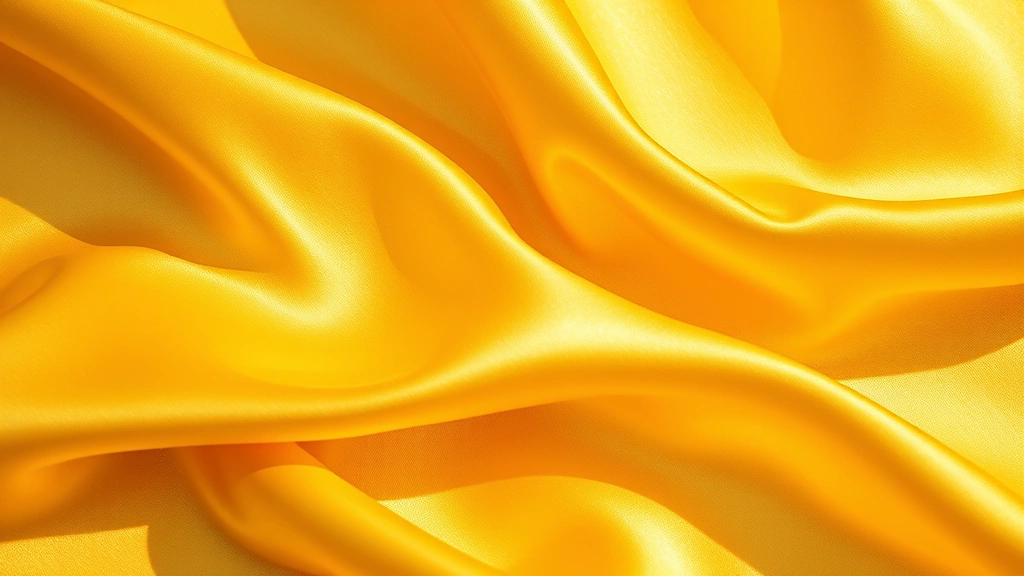
Designer insights reveal a crucial distinction: the problem isn’t yellow itself, but how it was previously utilized. Cheap synthetic fabrics in harsh, acidic yellows naturally read as dated. Conversely, yellow in premium materials—silk charmeuse, fine wool, high-quality linen—conveys luxury and contemporary confidence. This reflects a broader shift in fashion toward quality over quantity, substance over novelty.
Fashion forecasting platforms and trend experts increasingly predict yellow’s continued ascendance. The color aligns with contemporary values: optimism, sustainability (when sourced responsibly), and individuality. Designers working with natural dyes and ethical production methods are creating yellow garments that feel aligned with modern consciousness, adding another layer of contemporary relevance beyond pure aesthetics.
The consensus among style authorities is clear: yellow isn’t outdated. Rather, outdated yellow—poorly constructed, unflattering shades in cheap fabrics—deserves its reputation. Modern yellow, by contrast, represents sophisticated self-expression and intentional style choices.
Why Old-Fashioned Yellow Cloth Feels Dated
The perception problem surrounding yellow centers on specific characteristics of vintage yellow garments. Old-fashioned yellow cloth typically exhibits several telltale signs of its era. First, the fabric itself: synthetic polyester blends common in mid-20th-century production feel cheap and look plastic-like compared to contemporary natural fibers. These materials lack the depth and luminosity that quality fabrics provide, making even neutral yellow tones appear garish.
Color saturation presents another factor. Vintage yellow cloth often features an acidic, almost neon quality that modern color science has moved beyond. Contemporary yellow palettes emphasize subtlety—muted mustards, warm golds, and sophisticated ochres that feel grounded rather than artificial. The brightness that defined 1970s fashion now reads as unsophisticated.
Construction quality further distinguishes dated yellow garments. Vintage pieces often feature poor tailoring, uncomfortable fits, and awkward proportions that reflect outdated silhouettes. A poorly-constructed yellow piece immediately signals its era, regardless of the color itself. Quality construction, by contrast, ensures pieces transcend temporal associations.
Additionally, the context in which yellow was worn matters tremendously. Pairing bright yellow with clashing patterns, metallic accents, and heavily coordinated ensembles created the dated aesthetic we associate with old-fashioned yellow cloth. Modern styling approaches embrace minimalism, intentional color blocking, and understated elegance—contexts that position yellow as sophisticated rather than gauche.
Understanding these distinctions allows you to evaluate whether a yellow piece feels authentically contemporary or genuinely outdated. When examining yellow garments, consider fabric quality, color tone, construction, and styling potential. These factors determine whether a piece represents timeless style or dated fashion.
Contemporary Yellow Trends Reshaping Fashion
Current fashion cycles have revived yellow with remarkable momentum. Runway collections from Paris to Milan increasingly feature yellow as a statement color, not a secondary option. This isn’t coincidental—contemporary culture increasingly embraces optimism and self-expression, values that yellow naturally embodies.
Luxury fashion houses have pioneered sophisticated yellow applications. Monochromatic yellow outfits—previously unthinkable—now appear regularly in high-fashion editorials and street-style photography. Designers pair yellow with unexpected textures: corduroy, velvet, and technical fabrics that modernize the color’s presentation. These explorations demonstrate yellow’s remarkable versatility when approached with contemporary sensibility.
Color theory has also shifted. Fashion professionals increasingly recognize yellow’s capacity to complement diverse skin tones when selected thoughtfully. The notion that yellow flatters only certain individuals has given way to understanding that yellow ranges exist for everyone—from pale, cool-toned yellows to rich, warm golds. This democratization of yellow makes it more accessible and relevant to broader audiences.
Sustainable fashion trends further elevate yellow’s contemporary position. Natural dyes—including those producing authentic yellows from plants like weld and woad—align with eco-conscious fashion movements. Brands emphasizing ethical production and sustainable materials increasingly incorporate naturally-dyed yellows, adding environmental consciousness to the color’s appeal.
Seasonal color trends also favor yellow. Fashion forecasters predict continued prominence for warm, optimistic palettes. Yellow appears consistently in spring and summer collections, but increasingly in fall and winter palettes as well—a shift that signals the color’s expanded contemporary acceptance.
How to Style Yellow Without Looking Outdated
Successfully wearing yellow requires understanding contemporary styling principles. First, prioritize fashion style fundamentals: quality fabrics, proper fit, and intentional proportions. A well-constructed yellow piece in premium material automatically reads as more contemporary than poorly-made alternatives, regardless of design details.
Choose your yellow tone strategically. Consider your skin undertones and natural coloring when selecting yellow shades. Warm undertones generally suit golden, mustard, and ochre yellows. Cool undertones often favor pale, lemon, or chartreuse yellows. This matching ensures your yellow pieces feel harmonious and intentional rather than randomly selected.
Embrace minimalist styling. Pair yellow with neutral foundations: white, cream, black, navy, or gray. This approach feels modern and allows yellow to function as a statement piece without overwhelming an outfit. Avoid coordinating yellow with competing bold colors or patterns—this creates the dated aesthetic associated with old-fashioned styling.
Consider garment type carefully. Yellow works beautifully in structured pieces: tailored blazers, crisp button-downs, and well-fitted trousers. These silhouettes feel contemporary and allow yellow to read as intentional rather than accidental. Soft, unstructured pieces in yellow can work but require particularly thoughtful styling to avoid appearing dated.
Incorporate yellow through layering and proportion play. A yellow cardigan over a neutral outfit, a yellow coat worn open over monochromatic pieces, or yellow accessories paired with neutral clothing all feel modern and controlled. This approach respects contemporary fashion’s preference for sophistication over boldness.
When exploring how to find your personal style, consider whether yellow genuinely resonates with your aesthetic. Wearing yellow because it’s trending reads as inauthentic. Wearing yellow because it aligns with your values and personal expression feels entirely contemporary, regardless of broader trend cycles.
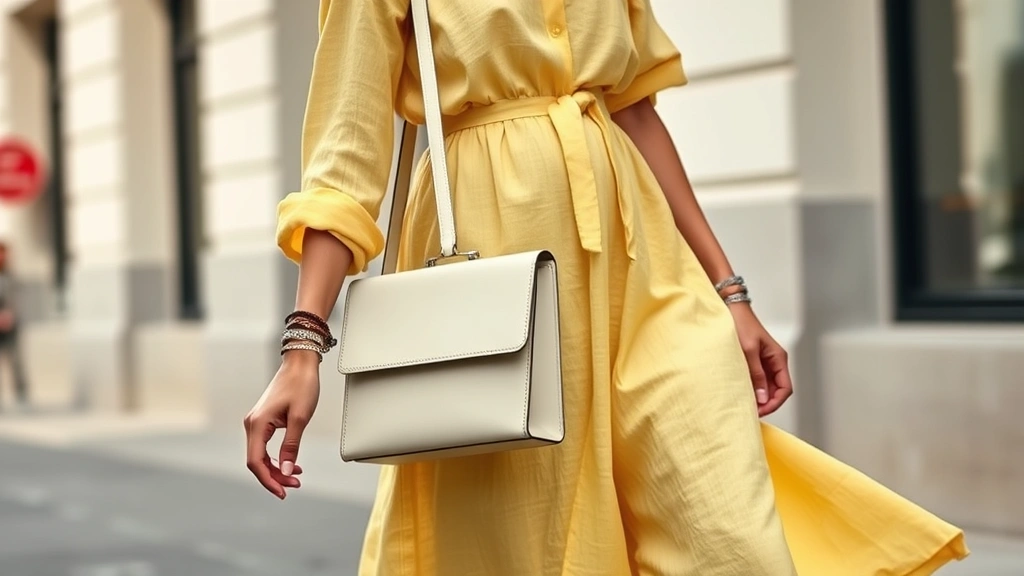
Accessorize thoughtfully. Yellow accessories—shoes, bags, jewelry—offer lower-risk opportunities to incorporate the color. A yellow handbag paired with neutral clothing feels chic and intentional. Yellow sunglasses or scarves add personality without requiring extensive styling coordination.
The Psychology of Yellow in Personal Style
Color psychology significantly influences how we perceive and wear yellow. Psychologically, yellow represents optimism, creativity, and confidence—qualities increasingly valued in contemporary culture. Wearing yellow, therefore, communicates more than aesthetic preference; it expresses emotional positioning and personal values.
Fashion psychology research indicates that wearing bright, warm colors like yellow can influence both self-perception and others’ reactions. People wearing yellow often report feeling more confident and energetic. This psychological dimension adds depth to yellow’s contemporary relevance—it’s not merely a color choice but an emotional statement.
Personal style development increasingly emphasizes authenticity and self-expression. Style Loom Daily Blog and similar resources consistently highlight the importance of wearing what genuinely resonates rather than following prescriptive rules. Yellow, approached authentically, becomes a powerful tool for personal style expression.
Generational perspectives on yellow vary significantly. Younger consumers, unburdened by 1970s associations, often embrace yellow more readily. This generational shift contributes to yellow’s contemporary rehabilitation. As fashion cycles continue, younger consumers’ comfort with yellow influences broader industry perspectives and trend forecasting.
The concept of “wearing what makes you feel good” has gained prominence in contemporary fashion discourse. If yellow makes you feel confident, energetic, and authentic, that emotional truth supersedes any concern about whether the color is currently trendy. This philosophy represents a fundamental shift toward personal agency in style choices.
FAQ
Is yellow truly outdated in 2024 fashion?
No. Yellow is experiencing significant contemporary revival, particularly in luxury fashion and sustainable brands. The color itself isn’t outdated; rather, poorly executed yellow pieces feel dated. Quality fabrics, thoughtful color selection, and contemporary styling ensure yellow reads as current and intentional.
What yellow tones feel most modern?
Muted, sophisticated yellows feel most contemporary: mustard, ochre, golden tones, and pale yellows. Acidic, neon-bright yellows more readily evoke vintage aesthetics. Choose yellow tones that harmonize with your skin undertones for maximum contemporary appeal.
Can I wear yellow at professional events?
Absolutely. A yellow tailored blazer, silk blouse, or structured dress reads as sophisticated in professional settings. Pair with neutral pieces and ensure quality construction. Many contemporary professionals successfully incorporate yellow into work wardrobes.
How do I know if a yellow piece is outdated?
Evaluate fabric quality, color tone, construction, and silhouette. If a piece features synthetic materials, acidic coloring, poor tailoring, or obviously dated proportions, it likely reads as outdated. Quality fabrics, neutral undertones, excellent construction, and timeless silhouettes indicate contemporary relevance.
What’s the difference between yellow fashion and old-fashioned yellow cloth?
Contemporary yellow fashion emphasizes quality, intentionality, and sophisticated styling. Old-fashioned yellow cloth typically features cheap fabrics, acidic coloring, poor construction, and styling approaches that clash with modern aesthetics. The distinction lies in execution and context rather than the color itself.
Should I wear yellow if it’s not currently trending?
Yes, if yellow genuinely resonates with your personal style. Contemporary fashion increasingly values authenticity over trend-chasing. Wearing yellow because it makes you feel confident and expresses your aesthetic is entirely valid, regardless of trend cycles.
How can I incorporate yellow into my wardrobe gradually?
Start with accessories: yellow shoes, bags, or jewelry offer low-risk opportunities. Progress to layering pieces like cardigans or jackets. Finally, explore yellow basics or statement pieces once you’ve developed comfort with the color. This gradual approach allows you to discover your ideal yellow tones and styling approaches.
Are there specific designer brands known for contemporary yellow pieces?
Yes. Luxury brands like Bottega Veneta, The Row, and Loro Piana consistently create sophisticated yellow pieces. Additionally, contemporary designers and sustainable brands increasingly experiment with yellow, offering diverse options across price points and aesthetic sensibilities.
Does yellow work for all seasons?
Absolutely. While yellow appears prominently in spring and summer collections, contemporary designers increasingly incorporate it into fall and winter palettes. Darker yellows, golden tones, and mustards work beautifully in autumn and winter styling.
Can I wear yellow if I have cool skin undertones?
Yes. While warm undertones may more naturally gravitate toward golden and mustard yellows, cool undertones find flattering options in pale, lemon, and chartreuse yellows. Experiment to discover which yellow tones harmonize with your complexion and make you feel confident.