Which Cocktail is More Stylish? A Mixologist’s View on Old Fashioned vs Manhattan
In the world of cocktails, few debates rival the timeless question: which drink embodies true sophistication? The Old Fashioned and the Manhattan represent two distinct philosophies of elegance, each telling its own story through flavor, presentation, and cultural significance. As style enthusiasts, we understand that what we drink is as much about aesthetic expression as it is about taste. These two iconic cocktails have graced the hands of everyone from Wall Street titans to Hollywood icons, making them essential to understanding modern beverage culture and personal style.
Just as finding your personal style requires understanding your core values and preferences, selecting between these two cocktails reveals something profound about your aesthetic sensibilities. Whether you gravitate toward the minimalist sophistication of an Old Fashioned or the complex elegance of a Manhattan, your choice speaks volumes about your approach to life, fashion, and refinement. Let’s explore this fascinating intersection of mixology and style.
The Rich History Behind These Classics
Understanding the style quotient of any cocktail requires diving into its historical roots. The Old Fashioned emerged in the 1880s at the Pendennis Club in Louisville, Kentucky, created as a response to bartenders overcomplicating whiskey drinks. It represents a philosophy of “back to basics”—a rejection of unnecessary embellishment in favor of pure, unadulterated elegance. This drink embodies the minimalist approach to style that has cyclically dominated fashion design.
The Manhattan, conversely, was born in the 1870s at the Manhattan Club in New York City, during an era of rapid urbanization and cultural dynamism. This drink represents the spirit of innovation, complexity, and metropolitan sophistication. Where the Old Fashioned says “less is more,” the Manhattan whispers “more is magnificent.” Both drinks have appeared in countless films, literature, and television shows, cementing their status as cultural icons that transcend mere beverages.
The historical context matters significantly when evaluating style. The Old Fashioned carries the weight of tradition and timeless restraint, while the Manhattan embodies progressive sophistication and layered complexity. Vogue’s coverage of timeless style often highlights how classic elements endure precisely because they refuse to chase trends—much like the Old Fashioned’s steadfast simplicity.
Old Fashioned: Minimalist Sophistication
The Old Fashioned represents everything the modern minimalist movement celebrates: intentionality, clarity, and the beauty of restraint. Composed of just whiskey, sugar, bitters, a twist of citrus peel, and ice, this drink demonstrates that true style requires no excess. Each ingredient serves a purpose; nothing is decorative or superfluous. This philosophy aligns perfectly with contemporary fashion thinking, where a perfectly tailored blazer outperforms a closet full of trend pieces.
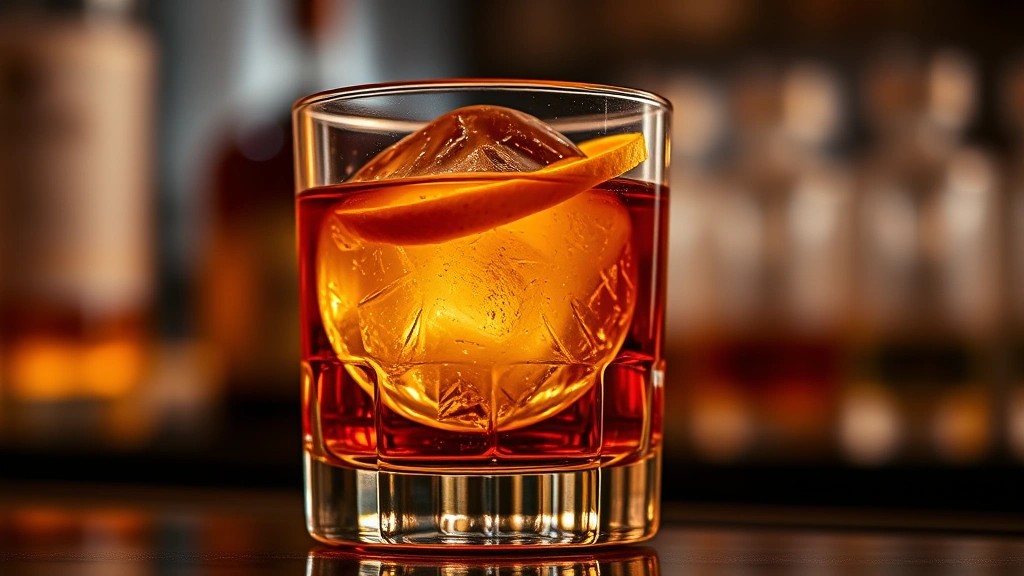
The visual presentation of an Old Fashioned exudes understated elegance. Served in a rocks glass with a single large ice cube or sphere, the drink’s amber liquid becomes the focal point. The ice itself becomes a design element—slow-melting, visually striking, transforming the drinking experience into a meditation on time and patience. This is not a cocktail for the impatient; it demands appreciation and contemplation.
From a mixological standpoint, the Old Fashioned’s style derives from its transparency. There’s nowhere to hide inferior ingredients; every element matters. The quality of the whiskey, the precise balance of sugar and bitters, the freshness of the citrus peel—all become immediately apparent. This uncompromising standard mirrors luxury fashion’s emphasis on exceptional materials and impeccable craftsmanship. When you choose an Old Fashioned, you’re signaling confidence in your palate and your aesthetic judgment.
The drink’s cultural associations amplify its stylistic credentials. Don Draper’s iconic Old Fashioned from Mad Men became synonymous with masculine sophistication and boardroom power. The drink suggests someone who understands quality, who values tradition without being enslaved by it, and who possesses the confidence to order simply while everyone around them orders elaborately.
Manhattan: Complex Elegance
If the Old Fashioned represents minimalism, the Manhattan embodies maximalist sophistication. This drink—a harmonious blend of whiskey, sweet vermouth, and aromatic bitters, garnished with a cherry—demonstrates that complexity, when properly balanced, creates beauty. The Manhattan is the little black dress that’s been accessorized with precisely the right jewelry; it’s sophisticated without being austere.
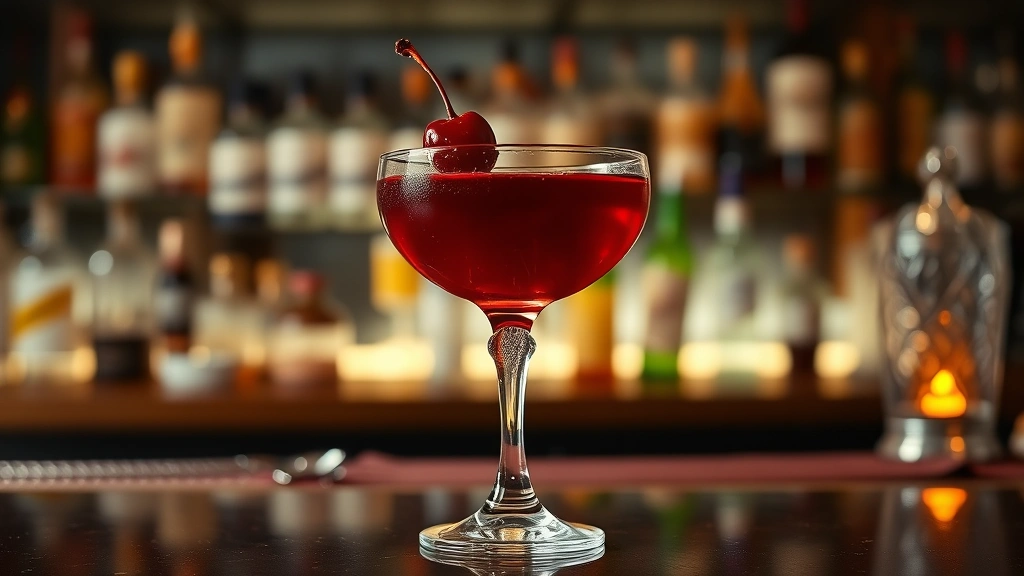
The Manhattan’s appeal lies in its layered flavor profile and visual intrigue. The deep burgundy hue, the cherry garnish, the subtle interplay between whiskey’s warmth and vermouth’s botanical sweetness—these elements combine to create something greater than the sum of its parts. It’s a drink that rewards attention and invites conversation. A skilled mixologist can create variations that range from classic to contemporary, demonstrating the drink’s versatility and sophistication.
From a style perspective, the Manhattan suggests someone who appreciates nuance and isn’t afraid of complexity. It’s the choice of the opera-goer, the art collector, the person who reads contemporary design publications and attends gallery openings. The Manhattan drinker understands that life’s most rewarding experiences often require engagement with multiple layers of meaning and sensation.
The drink’s presentation offers more visual interest than its Old Fashioned cousin. The coupe glass—elegant, refined, historically associated with celebration—adds a ceremonial quality to the experience. The cherry garnish provides color and visual appeal without compromising the drink’s sophistication. This is cocktail maximalism done right: every addition serves both aesthetic and gustatory purposes.
Style Comparison: Which Reigns Supreme?
Declaring one cocktail “more stylish” than the other misses the point entirely. Style isn’t about absolute hierarchies; it’s about alignment with personal values and aesthetic sensibilities. The question isn’t which cocktail is objectively more stylish, but rather which one authentically expresses your individual style philosophy.
The Old Fashioned appeals to minimalists, traditionalists, and those who embrace timeless elegance over fleeting trends. Its style quotient derives from its refusal to compromise, its commitment to quality, and its historical gravitas. Ordering an Old Fashioned signals that you understand the fundamentals and have no need for distraction or embellishment. It’s the cocktail equivalent of a perfectly executed white button-down shirt.
The Manhattan appeals to those with more eclectic tastes, those who believe sophistication thrives in complexity, and those who appreciate the artistry of balanced composition. Its style quotient comes from its harmoniousness—the way multiple elements combine into something seamlessly integrated. It’s the cocktail equivalent of a carefully curated outfit where each piece contributes to an overall aesthetic vision.
Consider your approach to personal style. Do you find yourself drawn to capsule wardrobes and timeless pieces, or do you prefer building outfits through thoughtful layering and accessorization? Your answer likely predicts your cocktail preference. Style consistency matters; the most stylish people maintain coherent philosophies across all aspects of their lives, from fashion to dining to entertainment choices.
The Art of Presentation and Glassware
In fashion, presentation is everything—and cocktails operate under identical principles. The glassware you choose fundamentally shapes the drinking experience and communicates style messages to your audience.
The rocks glass housing an Old Fashioned is deliberately utilitarian yet refined. Its squat, sturdy proportions suggest permanence and substance. The glass is typically made from high-quality crystal, adding luxury without ornamentation. The single large ice cube or sphere becomes a design statement—slow-melting, visually striking, transforming the drink’s composition throughout the experience. This evolution mirrors how fashion evolves while maintaining core identity.
The coupe glass, traditionally used for Manhattans, evokes elegance and celebration. Its shallow bowl and delicate stem create visual lightness despite the drink’s substantial flavor profile. This juxtaposition—delicate presentation paired with robust content—represents sophisticated style thinking. The coupe glass suggests occasions worthy of ceremony, moments deserving of special attention.
Glassware choices reveal aesthetic priorities. Someone who insists on proper glassware, regardless of casual setting, demonstrates commitment to stylistic integrity. They understand that presentation isn’t superficial; it’s integral to the entire experience. This attention to detail distinguishes true style enthusiasts from those merely following trends.
Choosing Your Cocktail by Occasion
True style involves matching your choices to context—understanding which expression of self suits which situation. The Old Fashioned and Manhattan excel in different settings, each suited to particular occasions and moods.
The Old Fashioned shines in:
- Intimate one-on-one conversations requiring focus and attention
- Professional settings where understated confidence matters
- Quiet evenings emphasizing contemplation and relaxation
- Situations demanding clear communication of refined taste
- Moments when simplicity itself becomes a status symbol
The Manhattan excels in:
- Social gatherings celebrating connection and conversation
- Formal events where ceremony and tradition matter
- Settings encouraging appreciation of craftsmanship and complexity
- Occasions that honor cultural heritage and historical significance
- Moments when visual presentation enhances the overall experience
The most stylish individuals read situations accurately and respond with appropriate choices. Someone who orders an Old Fashioned at a formal gala might seem tone-deaf, while the same person ordering a Manhattan at a quiet business meeting might appear overly elaborate. Context sensitivity is crucial to authentic style expression.
Fashion Parallels and Personal Expression
The Old Fashioned vs. Manhattan debate parallels fundamental fashion dichotomies that style enthusiasts navigate constantly. Consider how these cocktails relate to broader aesthetic categories:
Minimalism vs. Maximalism: Just as fashion divides between capsule wardrobes and statement pieces, cocktails range from stripped-down essentials to layered complexity. Both approaches can be equally stylish when executed with intention and understanding.
Classic vs. Contemporary: The Old Fashioned represents enduring classics—pieces and philosophies that transcend temporal trends. The Manhattan represents contemporary sophistication—modern enough to feel current while maintaining historical grounding. Business of Fashion’s trend analysis consistently shows that the most successful style icons blend both approaches rather than committing exclusively to either.
Restraint vs. Expression: Fashion and cocktails both benefit from understanding when restraint conveys more power than elaborate expression. An Old Fashioned drinker practices restraint; a Manhattan enthusiast practices curated expression. Neither approach is inherently superior; both require sophistication to execute well.
Your cocktail preference might correlate with your fashion identity. Minimalist dressers often gravitate toward Old Fashioneds, while those who enjoy accessorizing and layering typically prefer Manhattans. This alignment isn’t coincidental—it reflects consistent aesthetic philosophies that permeate all lifestyle choices.
Understanding different fashion style categories helps clarify your own preferences and why certain cocktails resonate with you. Your personal style—whether classic, romantic, bohemian, or eclectic—likely predicts your cocktail preferences with surprising accuracy.
FAQ
Is an Old Fashioned really more sophisticated than a Manhattan?
No. Both cocktails represent different expressions of sophistication. The Old Fashioned emphasizes minimalist elegance and uncompromising quality, while the Manhattan celebrates balanced complexity and layered composition. Sophistication isn’t about simplicity or complexity—it’s about intentional choices executed with excellence. Your preference reflects your personal style philosophy rather than objective sophistication levels.
What does my cocktail choice say about my style?
Your cocktail preference can reveal aesthetic priorities. Old Fashioned drinkers often value tradition, simplicity, and quality-over-quantity philosophies. Manhattan enthusiasts typically appreciate nuance, complexity, and the artistry of balanced composition. However, context matters enormously; someone might order different drinks in different settings based on occasion and company rather than personal preference alone.
Can someone appreciate both cocktails equally?
Absolutely. The most stylish individuals maintain flexible aesthetics, appreciating different expressions depending on context. You might prefer Old Fashioneds for quiet evenings and Manhattans for celebrations. This contextual sophistication—understanding which choice suits which situation—represents the highest level of style intelligence.
Which cocktail is better for beginners?
The Old Fashioned often suits beginners better because its simplicity makes quality differences immediately apparent. You’ll quickly learn to appreciate whiskey nuances and understand how bitters and sugar interact. The Manhattan’s complexity requires more developed palate understanding, making it better for those with cocktail experience.
Does glassware really affect the drinking experience?
Significantly. The rocks glass shapes how you hold and sip an Old Fashioned, affecting temperature and flavor perception. The coupe glass’s shallow bowl influences how aromas reach your nose, changing how you experience the Manhattan’s botanical elements. Proper glassware isn’t pretentious; it’s functional design that optimizes the experience.
Can women drink Old Fashioneds and Manhattans?
Of course. These cocktails transcend gender. Style has nothing to do with gender-based assumptions about drink choices. The most stylish approach involves ordering whatever genuinely appeals to your palate, regardless of any social expectations or stereotypes.