Old Fashioned Vegetable Beef Soup Recipe: A Chef’s Complete Guide
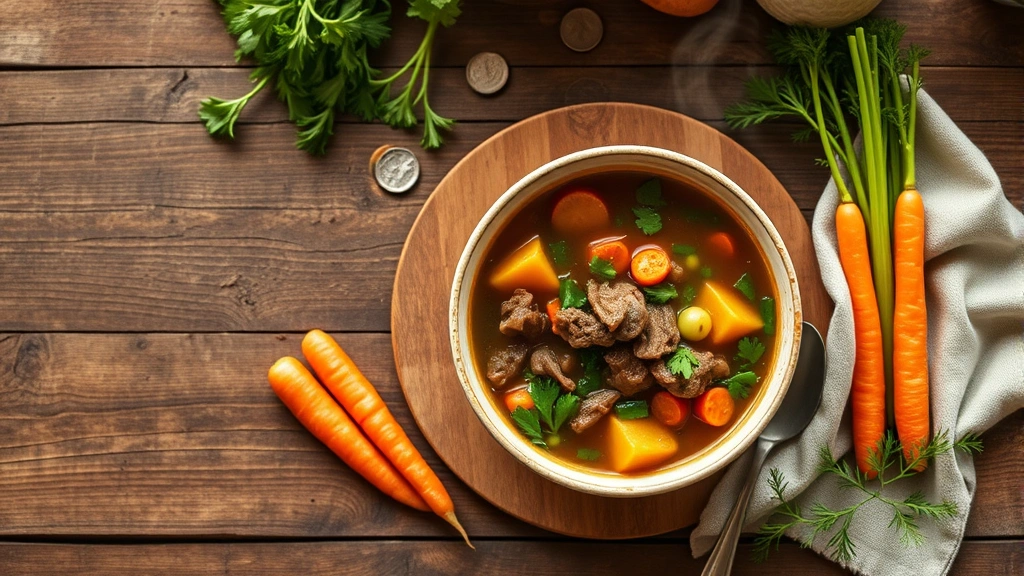
There’s something undeniably comforting about a steaming bowl of old fashioned vegetable beef soup. This timeless classic transcends generations, evoking memories of grandmother’s kitchen and simpler times. Yet beneath its rustic charm lies sophisticated culinary technique that separates an average soup from an extraordinary one. Just as finding your personal style requires understanding the fundamentals, mastering soup demands respect for ingredients and process.
The beauty of vegetable beef soup lies in its versatility and accessibility. Whether you’re seeking comfort on a chilly evening or preparing a nourishing meal for loved ones, this recipe serves as both a culinary foundation and a canvas for personal expression. Understanding the traditional approach while embracing modern refinements ensures you’ll create a soup that honors tradition while delivering contemporary flavor complexity.
Understanding the Foundation: Quality Ingredients Matter
The foundation of exceptional old fashioned vegetable beef soup begins with ingredient selection. Unlike trendy fusion recipes or complicated culinary constructions, this soup succeeds through quality fundamentals. The beef should be well-marbled, preferably chuck or brisket, which contains sufficient fat and connective tissue to create a rich, velvety broth when properly simmered.
Fresh vegetables form the aromatic backbone: carrots, celery, and onions create the mirepoix that defines classic French technique. These humble ingredients, when properly caramelized, develop deep umami flavors that elevate the entire dish. The choice of beef broth—homemade versus store-bought—significantly impacts final results. While homemade stock requires planning, the superior flavor justifies the investment.
Seasoning deserves equal consideration. Bay leaves, thyme, and black pepper provide traditional aromatics, while tomato paste adds depth and acidity. Fresh herbs, added near completion, brighten flavors and prevent the soup from becoming heavy. This approach mirrors how different fashion styles combine classic elements with contemporary touches for lasting appeal.
The Essential Components Breakdown
Beef Selection and Preparation: Choose 2-3 pounds of beef chuck, cut into one-inch cubes. Pat dry before searing—moisture prevents browning and creates steam rather than flavorful crust. Season generously with kosher salt and freshly ground black pepper.
Vegetable Components:
- Carrots: Three large carrots, peeled and cut into half-inch pieces. Their natural sweetness balances savory elements.
- Celery: Three stalks, diced similarly. Provides subtle herbaceous notes essential to the flavor profile.
- Onions: Two large yellow onions, diced. Their caramelization creates sweet, complex base notes.
- Potatoes: Three medium red potatoes, diced. Add body and create creamy texture without cream.
- Tomato Paste: Three tablespoons. Provides umami depth and subtle acidity.
- Tomatoes: One 14-ounce can diced tomatoes. Adds brightness and vitamin content.
- Green Beans: One cup fresh, cut into one-inch pieces. Contribute color and textural contrast.
- Peas: One cup frozen peas. Add sweetness and visual appeal.
Aromatics and Seasonings: Two bay leaves, one teaspoon dried thyme, six black peppercorns, one tablespoon kosher salt, and fresh parsley for garnish. These components work together like a well-coordinated outfit, each element supporting the whole while maintaining individual character.
Step-by-Step Preparation Method
Phase One: Building the Flavor Base (20 minutes)
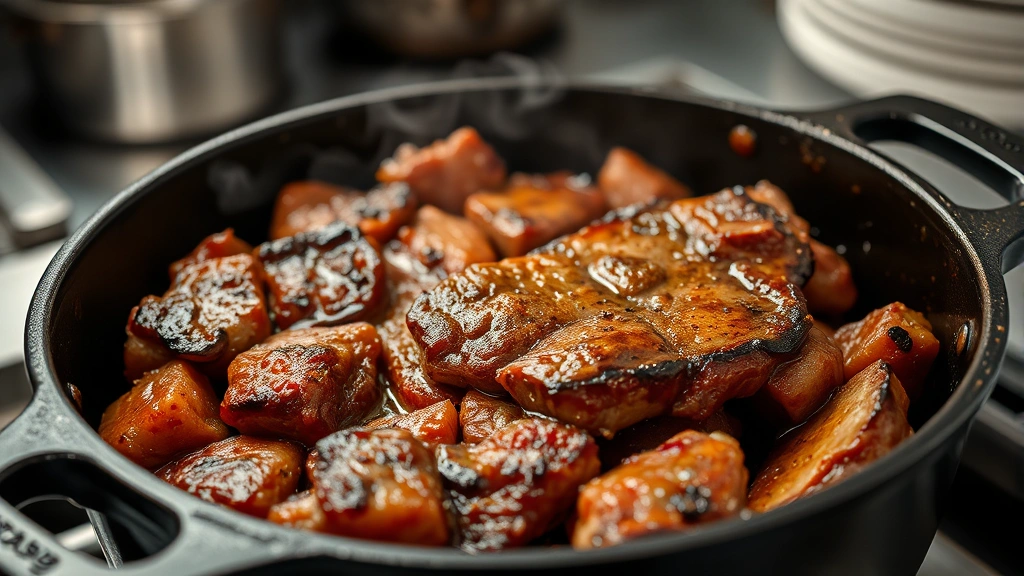
Heat two tablespoons of neutral oil in a heavy-bottomed pot over medium-high heat. Working in batches to avoid crowding, sear beef cubes until deeply browned on all sides, approximately 3-4 minutes per batch. Transfer to a plate and set aside. This Maillard reaction creates complex flavors impossible to achieve otherwise.
Reduce heat to medium and add diced onions, carrots, and celery to the pot. Sauté for 8-10 minutes, stirring occasionally, until vegetables soften and onions become translucent. This patient caramelization develops sweet, rich flavors that form the soup’s foundation.
Add tomato paste and stir constantly for 2-3 minutes. This step concentrates tomato flavor and deepens color. Add one tablespoon of minced garlic and cook for another minute until fragrant.
Phase Two: Building the Broth (2.5 hours)
Return beef to the pot and add eight cups of beef broth. Increase heat to bring mixture to a boil, then reduce to a gentle simmer. Add bay leaves, thyme, and black peppercorns. Skim any foam that rises to the surface during the first few minutes—this impurity removal ensures clear, clean broth.
Simmer uncovered for 1.5 hours, allowing beef to become tender and flavors to meld. This extended cooking time is non-negotiable; rushing this phase results in tough meat and underdeveloped flavors. Much like developing fashion history understanding, soup mastery requires patience and respect for tradition.
Phase Three: Vegetable Addition (30 minutes)
Add diced potatoes and canned tomatoes with their juice. Simmer for 15 minutes until potatoes begin softening. Add green beans and continue cooking for another 10 minutes. Taste and adjust seasoning with additional salt and pepper as needed. The broth should taste rich but not overly salty.
Phase Four: Finishing Touches (5 minutes)
Add frozen peas and fresh parsley. Cook for 2-3 minutes until peas are heated through. Remove bay leaves. Taste again and make final seasoning adjustments. A squeeze of fresh lemon juice brightens flavors without adding obvious citrus notes.
Cooking Techniques for Maximum Flavor
Professional chefs employ specific techniques to elevate home cooking. Proper searing creates the Maillard reaction, developing complex flavors through amino acid and sugar interactions. Never skip this step or rush it—patience yields superior results.
Layering flavors involves adding seasonings at different stages. Early additions allow flavors to meld, while late additions provide brightness. This balanced approach prevents one-note soups.
Temperature control distinguishes excellent from mediocre soups. Gentle simmering extracts gelatin from bones and connective tissue, creating silky mouthfeel. Aggressive boiling toughens meat and clouds broth unnecessarily.
Tasting and adjusting throughout cooking allows correction before completion. Professional cooks taste frequently, understanding that seasoning needs evolve as liquid reduces and flavors concentrate. This iterative approach ensures consistent excellence.
Understanding these techniques connects to broader culinary education. Just as styling button down shirts requires understanding proportion and balance, soup mastery demands technical knowledge applied with intuition.
Variations and Modern Interpretations
Classic French Approach: Add one cup red wine after searing beef, simmer for 5 minutes to reduce, then add broth. This adds complexity and sophistication reminiscent of beef bourguignon.
Hearty Winter Version: Include diced parsnips, turnips, and rutabaga alongside traditional vegetables. These root vegetables add earthiness and extended cooking time tolerance.
Garden Fresh Summer Interpretation: Use fresh herbs exclusively—basil, dill, and chives—added just before serving. Reduce simmering time slightly as fresh vegetables release water quickly.
Slow Cooker Adaptation: Sear beef and sauté aromatics on stovetop, then transfer to slow cooker with all ingredients except peas and fresh herbs. Cook on low for 6-8 hours. Add peas and herbs during the last 15 minutes.
Pressure Cooker Method: Utilize the sauté function for searing and aromatic development, then seal and cook under pressure for 30 minutes. This dramatically reduces cooking time while maintaining flavor development.
Each variation respects the original while expressing individual creativity. This philosophy extends across culinary and fashion domains—understanding fundamentals enables meaningful innovation. Explore the StyleLoom Daily Blog for more perspectives on balancing tradition with personal expression.
Storage and Make-Ahead Strategies
Old fashioned vegetable beef soup improves with time as flavors continue developing. Store in airtight containers in the refrigerator for up to five days. The soup thickens as it cools due to starch release from potatoes—add additional broth when reheating if desired.
For freezing, cool soup completely before transferring to freezer-safe containers, leaving one inch of headspace for expansion. Freeze for up to three months. Thaw overnight in the refrigerator before reheating gently on the stovetop.
Make-ahead benefits include stress-free meal preparation and intensified flavors. Prepare the soup through Phase Two up to two days in advance, refrigerate, then add vegetables and continue cooking when ready to serve. This approach provides flexibility for busy schedules.
Professional chefs often prepare components separately, combining them just before service for optimal texture and flavor. Pre-cut vegetables and seared beef can be refrigerated, then combined with fresh broth and quickly brought to temperature.
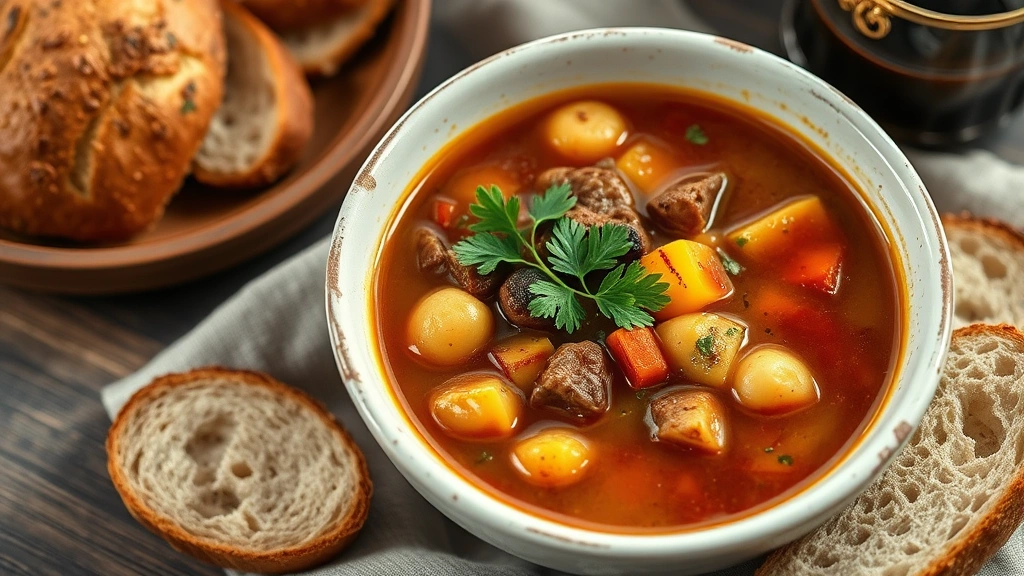
Consider pairing your soup with complementary elements. Fresh bread, crusty focaccia, or grilled cheese sandwiches provide textural contrast. A simple green salad cleanses the palate between spoonfuls. For beverage pairings, consider how fashion accessories complement outfits—similarly, a light red wine or earthy herbal tea enhances rather than overwhelms the soup’s flavors.
Frequently Asked Questions
Can I use ground beef instead of chuck?
While technically possible, ground beef creates a different texture and mouthfeel. The soup becomes less hearty and the meat doesn’t develop the same rich flavor from proper searing. Stick with cubed chuck for authentic results.
What’s the difference between homemade and store-bought broth?
Homemade broth develops complex gelatin from bones and connective tissue, creating silky mouthfeel and deeper flavor. Store-bought broth offers convenience but often contains added sodium and lacks the richness of homemade versions. Quality store-bought broth works acceptably if homemade isn’t feasible.
Should I peel the potatoes?
Red potatoes have thin, flavorful skins worth keeping. Yukon Gold potatoes also benefit from unpeeled preparation. Russet potatoes require peeling as their thick skins become unpleasant in soup. Choose thin-skinned varieties for best results.
Can I make this soup vegetarian?
Absolutely. Substitute beef with mushrooms, increase vegetables, and use vegetable broth instead of beef broth. Add lentils or beans for protein and heartiness. The fundamental technique remains identical while honoring dietary preferences.
How do I prevent my soup from tasting bland?
Proper seasoning at each stage prevents bland results. Taste frequently and adjust salt and pepper throughout cooking. Add acid near the end—a squeeze of lemon juice brightens flavors without adding obvious citrus notes. Use quality ingredients that contribute flavor rather than merely filling space.
Is it necessary to brown the beef?
Yes. Searing creates the Maillard reaction, developing complex flavors impossible to achieve through simmering alone. This step takes 15 minutes but dramatically improves final results. Professional cooks never skip this foundational technique.
What’s the ideal serving temperature?
Serve at approximately 180-190 degrees Fahrenheit—hot enough to steam but not so hot that it burns the mouth. This temperature allows flavors to register fully while providing maximum comfort and satisfaction.