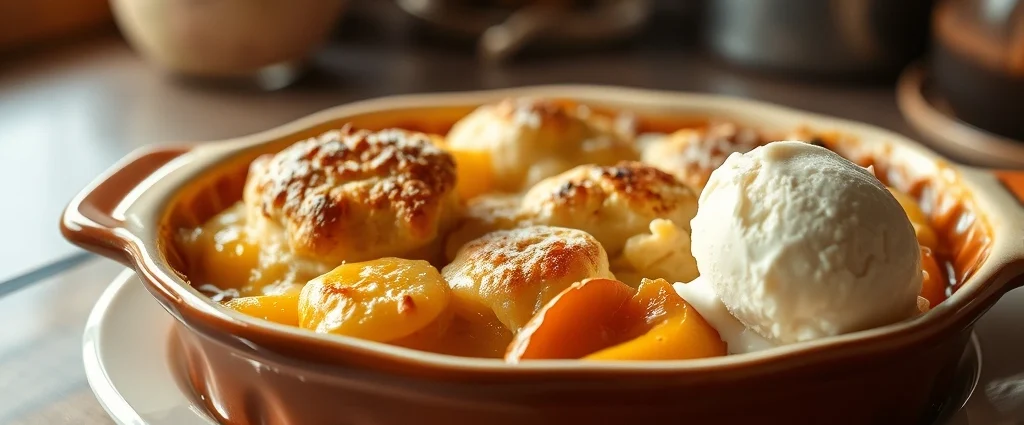
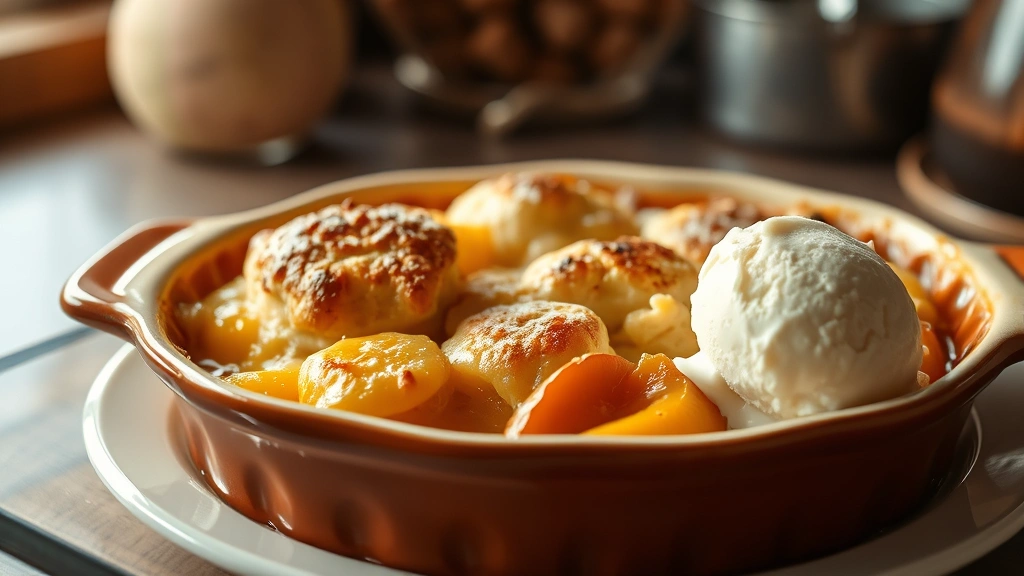
There’s something undeniably nostalgic about a warm slice of old fashioned peach cobbler fresh from the oven, its golden crust glistening with butter and cinnamon sugar. This timeless dessert represents more than just a recipe—it’s a culinary tradition that connects us to generations of home cooks who’ve perfected the art of combining juicy peaches with buttery, biscuit-topped goodness. Whether you’re hosting a summer gathering or simply craving comfort food that tastes like home, mastering the chef’s secret recipe for peach cobbler will transform your kitchen into a haven of warmth and indulgence.
The beauty of an old fashioned peach cobbler lies in its simplicity and the quality of its ingredients. Unlike modern desserts laden with complicated techniques and exotic components, this classic treat celebrates the natural sweetness of ripe peaches paired with a tender, flaky topping. The secret to restaurant-quality results isn’t found in fancy equipment or obscure ingredients—it’s discovered through understanding proper techniques, ingredient ratios, and the timing that separates an average cobbler from an exceptional one.
When you explore Style Loom Daily Blog, you’ll find that just as fashion has timeless classics, cuisine also celebrates enduring traditions. This peach cobbler recipe represents culinary elegance in its purest form, much like how fashion style transcends trends through classic sophistication. The principles of balance, quality, and intentionality apply equally to both domains.
Understanding the Perfect Peach Selection
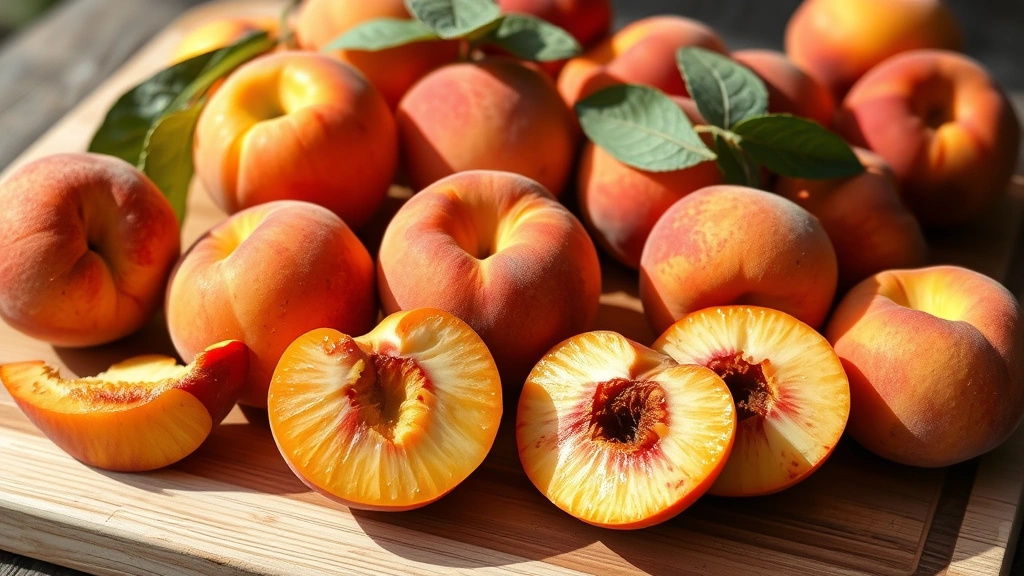
The foundation of an exceptional old fashioned peach cobbler begins long before you preheat your oven—it starts at the farmer’s market or produce section. Selecting the right peaches is crucial because these fruits carry the primary flavor profile of your entire dessert. The best peaches for cobbler are those that yield slightly to gentle pressure, indicating ripeness without mushiness. Look for peaches with a fragrant aroma, a sign that sugars have concentrated and flavor has developed fully.
Professional chefs understand that the variety of peach matters considerably. Freestone peaches, where the pit separates easily from the flesh, are ideal for cobblers because they’re simpler to prepare and create a more uniform texture in the filling. Clingstone varieties, while delicious, require more careful handling and can create inconsistent pieces. A blend of peach varieties—combining sweeter specimens with slightly more tart ones—creates complexity and balance in your filling.
When shopping, aim for peaches that are firm yet fragrant, with a deep golden or reddish hue. Avoid overly soft peaches that bruise easily, as these will break down too much during cooking. If you can’t find perfectly ripe peaches, select slightly underripe ones and allow them to sit at room temperature for a day or two. This patience in preparation mirrors the approach to different types of fashion styles, where quality and intentionality matter more than rushing the process.
The Science Behind the Filling
Creating the ideal peach filling requires understanding how heat transforms fruit and sugar into a cohesive, flavorful component. The chef’s secret begins with maceration—the process of combining sliced peaches with sugar and allowing them to release their natural juices. This step, often overlooked by home cooks, is essential for developing intense peach flavor and creating the perfect filling consistency.
Begin by peeling your peaches using the blanching method: briefly immerse them in boiling water, then transfer to ice water. The skin will slip off effortlessly. Slice the peaches into half-inch pieces, removing the pits completely. Combine the sliced peaches with granulated sugar, allowing approximately three-quarters cup of sugar per four pounds of peaches. Add a quarter teaspoon of salt—this amplifies fruit flavors rather than making the filling taste salty. The salt is a professional technique that distinguishes exceptional cobblers from ordinary ones.
Include one-quarter teaspoon of ground nutmeg and one-eighth teaspoon of cardamom for depth. These warm spices complement peach’s natural flavor without overpowering it. A tablespoon of fresh lemon juice adds brightness and prevents the filling from becoming cloying. Allow this mixture to macerate for at least thirty minutes, preferably two hours. During this time, the peaches will release approximately one cup of liquid, creating a naturally thickened filling.
For thickening, use a combination of cornstarch and tapioca starch rather than cornstarch alone. This hybrid approach creates a filling that’s neither too thin nor excessively gelatinous. Use two tablespoons of cornstarch and one tablespoon of tapioca starch, stirred into the macerated peaches just before baking. This chef’s secret prevents the filling from becoming cloudy while maintaining a beautiful, glossy appearance.
Mastering the Cobbler Topping
The topping defines an old fashioned peach cobbler, distinguishing it from other peach desserts. A proper cobbler topping should be buttery, tender, and slightly crispy on the exterior while remaining soft within. This is achieved through a biscuit dough that’s handled minimally to prevent developing too much gluten, which would create toughness.
Combine two cups of all-purpose flour with two tablespoons of granulated sugar, one tablespoon of baking powder, and one teaspoon of salt in a large mixing bowl. Cut one cup of cold butter into small cubes and incorporate it into the dry ingredients using a pastry cutter or your fingertips. The mixture should resemble coarse breadcrumbs with pea-sized pieces of butter remaining visible. These butter pieces are crucial—they create steam pockets during baking, resulting in the characteristic flaky texture.
Add one cup of cold buttermilk to the mixture, stirring gently until a shaggy dough forms. Avoid overworking the dough; a few flour streaks are preferable to a smooth, homogeneous mixture. Transfer the dough to a lightly floured surface and fold it gently two or three times, creating layers without fully incorporating the ingredients. This technique, borrowed from professional bakers, creates a topping with superior texture.
Drop spoonfuls of dough across the peach filling, leaving small gaps between pieces. The cobbler should be approximately seventy percent covered, allowing some filling to bubble through during baking. Brush the topping with a mixture of one egg yolk beaten with one tablespoon of water, then sprinkle generously with coarse sugar and a pinch of cinnamon. This finishing step creates a beautiful, glistening crust that catches the light and adds textural contrast.
Step-by-Step Chef’s Instructions
Preparation Phase: Begin by preheating your oven to 375°F. Prepare a nine-by-thirteen-inch baking dish by lightly coating it with butter. This prevents sticking and creates a flavorful crust on the bottom layer of filling.
Filling Assembly: Pour your macerated peach mixture into the prepared baking dish, spreading evenly. Ensure the filling is distributed uniformly, with peaches and syrup well combined. If using the thickening starches, sprinkle them over the filling and gently fold in, working quickly to prevent lumps from forming.
Topping Application: Drop prepared biscuit dough by rounded tablespoons across the peach filling. Space the portions approximately one and one-half inches apart, allowing filling to show between pieces. This creates the characteristic cobbled appearance that gives the dessert its name.
Egg Wash and Finishing: Brush the biscuit topping with egg wash, being careful not to drip onto the filling, which can make it soggy. Sprinkle coarse turbinado sugar and cinnamon over the entire topping surface. This creates visual appeal and adds textural interest.
Baking: Place the cobbler in the preheated oven and bake for forty-five to fifty minutes, until the topping is golden brown and the filling bubbles around the edges. If the topping browns too quickly, cover loosely with aluminum foil during the final fifteen minutes of baking.
Cooling: Allow the cobbler to rest for fifteen minutes before serving. This resting period allows the filling to set slightly, making serving cleaner and more elegant. The cobbler will be steaming hot and absolutely divine at this stage.
Professional Baking Techniques
Experienced pastry chefs employ several techniques that elevate home-baked cobblers to professional standards. Understanding these methods transforms your results from good to exceptional.
Temperature Control: Ensure your butter and buttermilk are genuinely cold before beginning the topping. Cold ingredients are essential for creating flaky texture. Warm ingredients develop gluten prematurely, resulting in tough biscuits. Professional bakers often chill their mixing bowls and even briefly freeze the butter-flour mixture before adding liquid.
Oven Calibration: Many home ovens run hotter or cooler than indicated. Consider investing in an oven thermometer to verify actual temperature. This simple tool prevents over-browning or underbaking, ensuring consistent results. Position the thermometer in the center of your oven for accurate readings.
Filling Consistency: The ideal peach cobbler filling should be slightly thickened but still pourable. If your filling seems too thin after maceration, increase the starch by one tablespoon. Conversely, if it appears too thick, add one tablespoon of peach juice or water. This balance is what separates mediocre cobblers from exceptional ones.
Topping Texture: The secret to tender biscuits lies in minimal handling and proper hydration. Use buttermilk specifically—its acidity reacts with baking soda to create lift and tenderness. Regular milk produces denser results. The dough should be slightly wetter than traditional pie dough, creating a cake-like rather than flaky texture.
Baking Vessel Selection: Use ceramic or glass baking dishes rather than metal for more even heat distribution. Metal conducts heat rapidly, potentially creating overly dark bottoms. Glass allows you to monitor browning from below, providing helpful visual cues.
Serving and Storage Tips
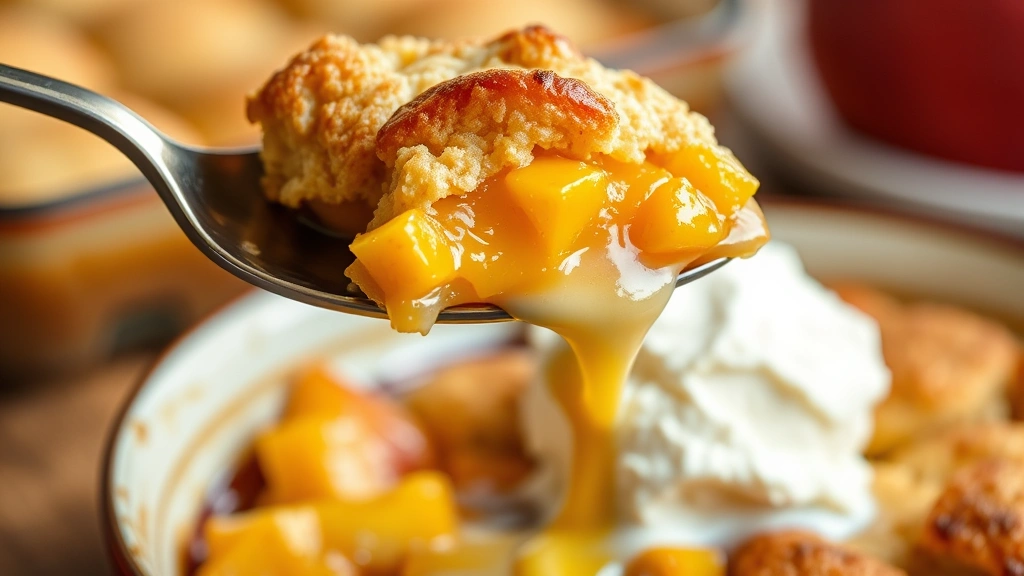
Presentation matters significantly when serving old fashioned peach cobbler. The way you plate and present this dessert influences how guests perceive and enjoy it. Serve warm, not piping hot, allowing flavors to develop fully. Pair each serving with a generous dollop of vanilla ice cream or freshly whipped cream, which provides cooling contrast to the warm cobbler.
For individual plating, use a large spoon or ice cream scoop to portion the cobbler into bowls, ensuring each serving includes both filling and topping. Garnish with a sprig of fresh mint or a dusting of powdered sugar for elegance. These small details reflect the same attention to presentation found in how to find your personal style—thoughtful finishing touches elevate the entire experience.
Storage Guidelines: An old fashioned peach cobbler keeps well when properly stored. Cover leftovers with plastic wrap or aluminum foil and refrigerate for up to three days. The filling maintains its quality, though the topping gradually softens. To restore crispness, reheat individual portions in a 350°F oven for ten minutes before serving.
Freezing is possible but not recommended for the complete assembled cobbler, as the topping becomes soggy upon thawing. Instead, freeze the peach filling and biscuit topping separately. Store the filling in an airtight container for up to three months. Prepare the topping fresh when ready to bake, or freeze prepared topping portions on a baking sheet before transferring to freezer bags.
Variations and Creative Twists
While the classic recipe is timeless, creative variations allow you to personalize this beloved dessert. Understanding the base recipe enables confident experimentation.
Spice Variations: Incorporate one-quarter teaspoon of ground ginger or a pinch of cayenne pepper for subtle complexity. Some chefs add one-eighth teaspoon of almond extract for depth. These additions should enhance rather than overshadow the peach’s natural flavor.
Mixed Fruit Versions: Combine peaches with raspberries, blackberries, or nectarines for interesting flavor combinations. Use three pounds of peaches with one pound of secondary fruit to maintain peach as the dominant flavor. This approach mirrors how fashion forward thinking combines classic elements with contemporary touches.
Topping Alternatives: Replace traditional biscuit topping with a crumb topping made from oats, brown sugar, butter, and pecans. Or try a puff pastry topping for elegant sophistication. Each variation creates a distinctly different eating experience while maintaining the cobbler’s essential character.
Liqueur Infusions: Add one tablespoon of bourbon, brandy, or amaretto to the filling for sophisticated depth. These additions should complement rather than dominate the flavor profile. The alcohol cooks off during baking, leaving only subtle flavor enhancement.
Savory Considerations: Some innovative chefs experiment with savory elements like black pepper or herbs. While unconventional, a pinch of fresh basil or thyme can create intriguing flavor dimensions. These experiments should be approached thoughtfully, understanding that not all variations succeed equally.
Understanding these variations and their potential outcomes demonstrates the same fashion and style for guys principle of knowing classic foundations before experimenting with personalization. Mastery of the basics enables confident, successful creativity.
FAQ
Can I use frozen peaches for this old fashioned peach cobbler recipe?
Yes, frozen peaches work adequately when fresh ones aren’t available. Thaw them completely and drain excess liquid before maceration. The filling may be slightly less vibrant in flavor, but acceptable results are achievable. Professional bakers prefer fresh peaches during peak season for superior flavor and texture.
What’s the difference between peach cobbler and peach pie?
Peach cobbler features a biscuit topping dropped over filling, while peach pie uses a complete pastry crust on both bottom and top. Cobblers are generally simpler to prepare and more rustic in presentation. Pies require more advanced pastry skills and precise technique.
How can I prevent my cobbler topping from becoming soggy?
Ensure your filling reaches the correct consistency before topping. Avoid dropping dough directly onto wet filling—allow maceration to complete before assembly. Use the cornstarch-tapioca combination for proper thickening. Bake until the topping is completely golden, not pale or underbaked.
Can I prepare the cobbler in advance?
Assemble the cobbler up to two hours before baking and refrigerate, covered. This actually improves results by allowing flavors to meld. Don’t freeze the assembled cobbler, as thawing creates sogginess. Instead, freeze components separately and assemble fresh.
What’s the ideal serving temperature?
Serve warm but not steaming hot, approximately five to ten minutes after removing from the oven. This temperature allows flavors to shine while remaining comfortable to eat. Warm cobbler pairs beautifully with cold vanilla ice cream.
Why does my cobbler have a gummy filling?
Excessive starch or insufficient cooking time causes gumminess. Verify your oven temperature with a thermometer. Ensure the filling visibly bubbles around the edges before removing from the oven. If using frozen peaches, drain them more thoroughly before maceration.
Can I double this recipe for larger gatherings?
Yes, proportionally doubling all ingredients works well. Use two nine-by-thirteen-inch baking dishes or one larger baking dish, extending baking time by five to ten minutes. Ensure your oven has adequate space for even heat circulation.