Old Fashioned vs Quick Oats: Nutritionist Insights
When it comes to breakfast choices, the debate between old fashioned oats and quick oats has become increasingly prominent among health-conscious consumers and nutrition experts alike. Both varieties offer distinct advantages and nutritional profiles that can significantly impact your daily wellness routine. Understanding the differences between these two oat types goes far beyond simple preference—it’s about making informed decisions that align with your lifestyle, health goals, and personal taste preferences.
Much like how we approach finding your personal style, selecting the right oats requires understanding what works best for your unique needs. Whether you’re an athlete seeking sustained energy, someone managing blood sugar levels, or simply looking to optimize your morning routine, the choice between old fashioned and quick oats matters. This comprehensive guide explores the nutritional nuances, processing methods, and practical applications of both varieties through the lens of professional nutritionist insights.
What Are Old Fashioned Oats?
Old fashioned oats, also known as rolled oats, represent one of the most minimally processed forms of whole grain oats available in most supermarkets. These oats are created when whole oat groats are steamed and then rolled into flat flakes using large rollers. This process preserves much of the oat’s original structure while making them easier to cook compared to steel-cut oats.
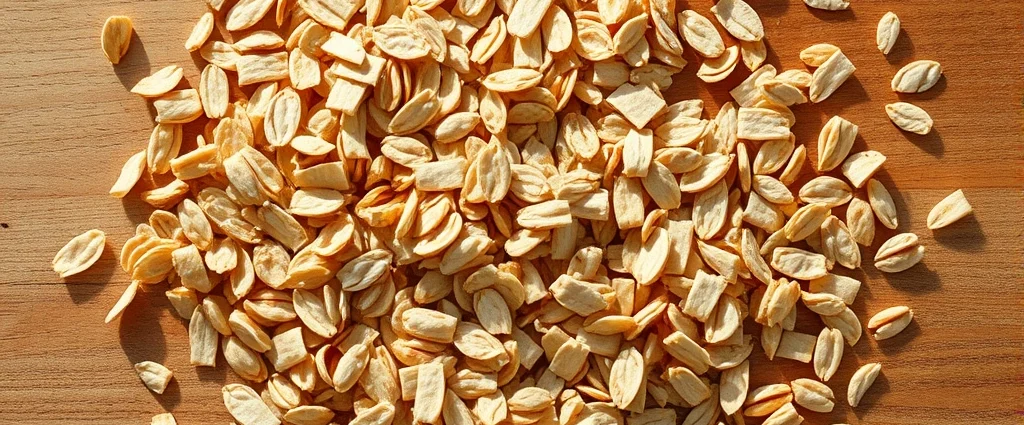
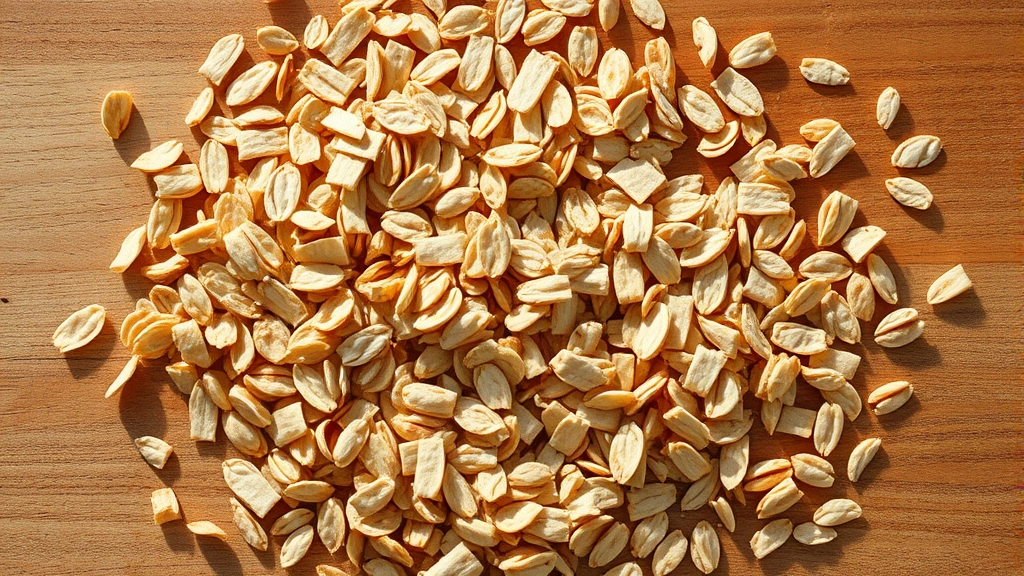
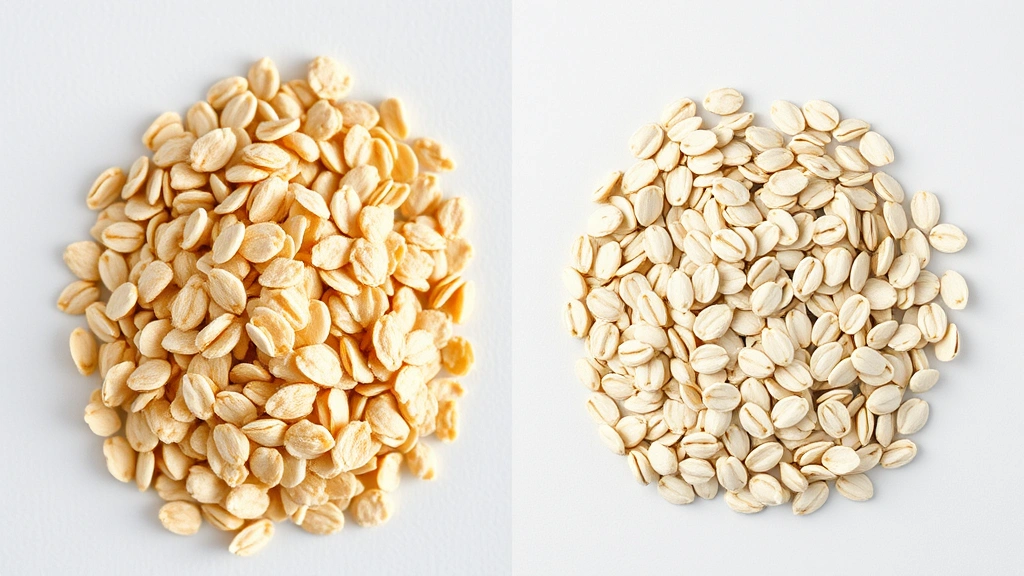
The distinctive appearance of old fashioned oats—those recognizable flat, paper-thin flakes—results directly from this rolling process. Unlike their quick oat counterparts, old fashioned oats maintain a larger surface area and more intact grain structure. This preservation of integrity is crucial for understanding why nutritionists often recommend them for specific health applications. The steaming process, which occurs before rolling, gelatinizes the starches slightly, reducing cooking time while maintaining nutritional density.
One fascinating aspect of old fashioned oats is their versatility across different culinary applications. They work beautifully in traditional oatmeal bowls, baked goods, granola bars, and even as a coating for proteins. This adaptability mirrors how different types of fashion styles serve various occasions and purposes. Each application brings out different characteristics of the oat, making them genuinely multifunctional whole grains.
The fiber content in old fashioned oats remains substantial because the processing is minimal. Beta-glucan, a soluble fiber particularly praised by the American Heart Association, remains largely intact in these oats. This soluble fiber has been extensively researched for its cholesterol-lowering and cardiovascular health benefits, making old fashioned oats a legitimate functional food choice.
Understanding Quick Oats
Quick oats represent a more heavily processed version of whole oat groats, designed specifically for convenience and rapid preparation. These oats are steamed longer than old fashioned oats and then rolled much thinner, sometimes even cut into smaller pieces. The increased processing breaks down the grain structure further, allowing for much faster hydration and cooking.
The appeal of quick oats lies primarily in their time-saving properties. In our fast-paced world, where breakfast routines often get squeezed into busy mornings, quick oats offer a legitimate advantage. They cook in just one to two minutes, compared to five to ten minutes for old fashioned oats. This convenience factor has made them incredibly popular among working professionals and parents managing hectic schedules.
Despite the additional processing, quick oats still retain their whole grain status and provide meaningful nutritional benefits. The processing doesn’t strip away the bran and germ layers, which contain most of the fiber, vitamins, and minerals. However, the increased surface area created by cutting and rolling does make the starches more exposed and accessible to digestive enzymes, which affects how your body processes them.
Quick oats have become staples in instant oatmeal packets, many of which include added sugars, artificial flavors, and various toppings. This commercialization has created some confusion about the nutritional quality of quick oats themselves versus the packaged products containing them. Pure quick oats, without additives, remain a legitimate whole grain choice that can fit well within balanced nutrition plans.
Nutritional Comparison
When comparing the nutritional profiles of old fashioned and quick oats, the similarities far outweigh the differences. Both varieties come from the same source—whole oat groats—and both retain the bran and germ layers that contain the majority of nutrients. A standard serving of either type provides approximately 150 calories, 5 grams of protein, 27 grams of carbohydrates, and 4 grams of fiber.
The fiber content deserves special attention, as it represents one of the most significant nutritional contributions of oats. Both old fashioned and quick oats contain roughly 4 grams of fiber per cooked cup. This fiber includes both soluble fiber (beta-glucan) and insoluble fiber, each serving distinct physiological purposes. Soluble fiber helps regulate blood sugar and cholesterol, while insoluble fiber promotes digestive health and regularity.
Micronutrient profiles show minimal variation between the two types. Both provide manganese, phosphorus, magnesium, and B vitamins including thiamine and folate. The mineral content, particularly manganese and phosphorus, supports bone health and energy metabolism. These micronutrients work synergistically with the fiber and protein to create a genuinely nutrient-dense breakfast option.
Protein content in oats stands out compared to many other grain options, providing approximately 5 grams per cooked cup. This protein includes all nine essential amino acids, though in varying proportions. This complete protein profile makes oats particularly valuable for vegetarians and vegans seeking whole grain protein sources. When paired with complementary proteins like nuts, seeds, or Greek yogurt, oats create complete amino acid profiles that support muscle maintenance and recovery.
The antioxidant content in oats, including compounds like avenanthramides, represents another nutritional advantage shared by both varieties. These polyphenols possess anti-inflammatory and antioxidant properties that support overall cellular health. Research from Nutrition Today continues to explore these bioactive compounds and their implications for chronic disease prevention.
Processing and Texture Differences
The processing methods used to create old fashioned and quick oats fundamentally shape their culinary characteristics and some aspects of their nutritional availability. Understanding these differences helps explain why texture preferences often drive consumption choices as much as health considerations.
Old fashioned oats undergo a two-step process: steaming and rolling. The steaming gelatinizes starches slightly without destroying the grain’s structure. Rolling then flattens the oat groats into characteristic flakes while maintaining their integrity. This process takes approximately 30-40 minutes from harvest to packaged product. The result is oats that cook relatively quickly compared to steel-cut varieties but maintain a chewier, more substantial texture in the finished bowl.
Quick oats follow a similar initial steaming process but with extended duration and higher temperatures. After steaming, the oats are rolled thinner and sometimes cut into smaller pieces. This additional processing increases surface area dramatically, allowing water to penetrate more rapidly. The extended steaming also breaks down cell walls more completely, which both speeds cooking and slightly increases starch digestibility.
Texture represents perhaps the most noticeable difference between the two varieties. Old fashioned oats maintain distinct flake shapes and provide a more textured, chewy mouthfeel. Many consumers describe this texture as more satisfying and closer to traditional oatmeal experiences. Quick oats break down more completely during cooking, creating a smoother, creamier consistency that some find more appealing and others find less interesting texturally.
The texture differences have practical implications for different applications. Old fashioned oats excel in baked goods, granola, and cookie recipes where texture matters aesthetically and functionally. Quick oats work better in smoothie bowls, instant preparations, and applications where a smooth consistency is desired. Like selecting appropriate types of fashion for different occasions, choosing the right oat type depends on your intended use.
Glycemic Index and Blood Sugar Impact
One of the most significant nutritional differences between old fashioned and quick oats relates to their glycemic impact, though the difference is more nuanced than many assume. The glycemic index (GI) measures how quickly foods raise blood glucose levels after consumption. Quick oats typically have a slightly higher glycemic index than old fashioned oats, though both remain in the low-to-medium range.
Old fashioned oats have a glycemic index of approximately 55, while quick oats measure around 65-70. This difference, while measurable, remains relatively modest. Both fall below the arbitrary 70 threshold often used to categorize high-glycemic foods. The difference stems from the increased processing of quick oats, which exposes more starch and breaks down grain structure, allowing for faster glucose absorption.
However, the practical significance of this difference depends on several factors. Portion size, food pairings, and individual metabolic factors influence actual blood sugar response more significantly than the small GI difference between oat types. A cup of quick oats paired with protein-rich Greek yogurt and nuts will have a substantially lower glycemic impact than a larger portion of old fashioned oats consumed alone.
For individuals managing diabetes or prediabetes, the distinction becomes more meaningful. Nutritionists often recommend old fashioned oats for these populations, particularly when consumed with protein and healthy fats that further moderate glucose response. The superior fiber content and more intact grain structure of old fashioned oats provides additional satiety benefits that help prevent blood sugar spikes.
Research published in The American Journal of Clinical Nutrition demonstrates that regular oat consumption, regardless of type, improves insulin sensitivity and supports healthy weight management. The key factor appears to be consistent consumption rather than the specific oat variety chosen.
Cooking Time and Convenience
The cooking time difference between old fashioned and quick oats represents perhaps the most practically significant distinction between the two varieties. This difference directly impacts daily routine feasibility and breakfast preparation decisions for millions of consumers.
Old fashioned oats require approximately 5-10 minutes of cooking time, depending on your preferred consistency and cooking method. The stovetop method involves bringing water or milk to a boil, adding oats, reducing heat, and simmering while occasionally stirring. Microwave preparation reduces active cooking time to about 2-3 minutes, though the oats still benefit from the longer overall cooking process for optimal texture development.
Quick oats achieve cooking completion in just 1-2 minutes via either stovetop or microwave methods. This dramatic time reduction comes from the increased processing that breaks down the grain structure and increases water absorption capacity. For busy mornings, this time advantage cannot be overstated, particularly when preparing breakfast for multiple family members or rushing to work.
The convenience advantage extends beyond just cooking time. Quick oats work beautifully in overnight oat preparations, where you simply combine oats, milk, and desired toppings in a jar and refrigerate overnight. The oats hydrate completely during the refrigeration period, requiring no cooking whatsoever. Old fashioned oats can be used for overnight oats as well, though they may retain a slightly firmer texture even after extended soaking.
Instant oatmeal packets, typically made from quick oats, offer maximum convenience by requiring only hot water and a few minutes of waiting. However, many commercially available instant packets contain added sugars, artificial flavors, and preservatives that diminish nutritional quality. Purchasing bulk quick oats allows you to achieve similar convenience without these additives, making it a practical middle ground for time-pressed individuals prioritizing health.
Best Uses for Each Type
Understanding the optimal applications for each oat type helps you maximize both nutritional benefits and culinary satisfaction. Different uses leverage the unique characteristics that processing creates in each variety.
Old Fashioned Oats Excel In:
- Traditional hot oatmeal bowls where texture matters and you want a chewy, substantial mouthfeel
- Baked goods including cookies, muffins, and bread where texture and structural integrity affect the final product
- Granola and granola bars where larger flakes maintain crunch and visual appeal
- Overnight oat preparations where you prefer a firmer final texture
- Savory oatmeal applications where a more robust texture complements vegetable and protein additions
- Situations where you want maximum fiber retention and slower glucose absorption
Quick Oats Work Best For:
- Instant morning preparations when time is limited and convenience is paramount
- Smoothie bowls and açai bowls where a smooth, creamy consistency is desired
- Overnight oat preparations where a smoother final texture appeals to your preferences
- Baked goods where you want a finer texture or less noticeable oat pieces
- Oat flour applications where you need finer grain structure
- Situations where you prioritize speed without sacrificing nutritional quality
- Portable instant packets for travel or emergency breakfast situations
The choice between types can also reflect your broader lifestyle philosophy. Much like how fashion sense develops through understanding your preferences and needs, oat selection becomes intuitive once you understand your own patterns and priorities. If you typically have ten minutes for breakfast, quick oats make sense. If you enjoy leisurely weekend mornings with time for cooking, old fashioned oats might be your preference.
Expert Recommendations
Professional nutritionists and registered dietitian nutritionists (RDNs) generally recommend both old fashioned and quick oats as healthy breakfast choices, with the caveat that the choice depends on individual circumstances, preferences, and health goals.
For weight management and satiety, the Academy of Nutrition and Dietetics emphasizes the importance of fiber and protein in breakfast selections. Both oat types contribute meaningfully to these nutrients, though old fashioned oats’ superior texture may provide greater satiety through increased chewing and slower eating pace. The mechanical act of chewing contributes to satiety signals independent of nutritional composition.
For blood sugar management, most nutritionists recommend old fashioned oats as the primary choice, particularly for individuals with prediabetes or diabetes. The slower glucose absorption and greater satiety benefits align better with blood sugar management goals. However, quick oats remain acceptable when paired with protein, healthy fats, and consumed in appropriate portions.
For individuals with busy lifestyles, quick oats represent a pragmatic choice that shouldn’t be abandoned due to the slight processing difference. A convenient breakfast consumed regularly outperforms a theoretically optimal breakfast skipped due to time constraints. The nutritional benefits of either oat type exceed those of many alternative breakfast options.
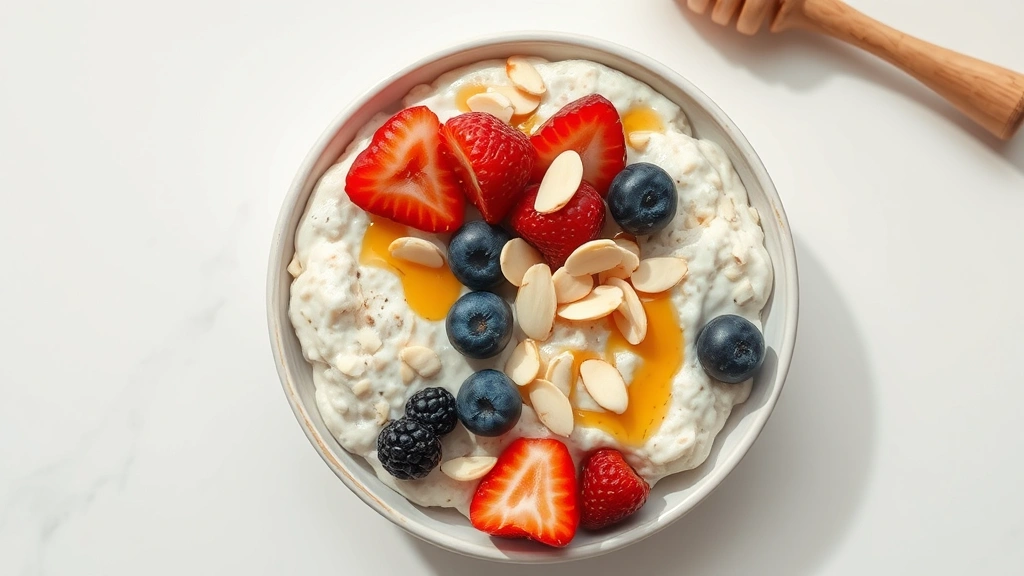
Experts also recommend paying attention to what accompanies your oats. The toppings, mix-ins, and liquid choices often impact overall nutrition more significantly than the old fashioned versus quick oat decision. Pairing oats with nuts, seeds, Greek yogurt, berries, and cinnamon elevates the nutritional profile substantially regardless of which oat type you choose.
Variety represents another expert recommendation worth considering. Alternating between old fashioned and quick oats, or even incorporating steel-cut oats occasionally, provides different nutrient absorption patterns and prevents palate fatigue. This approach mirrors fashion and style philosophy that emphasizes variety and experimentation to discover what works best for your unique circumstances.
FAQ
Are old fashioned oats significantly healthier than quick oats?
Not significantly. Both varieties retain whole grain status and provide comparable nutritional profiles. Old fashioned oats offer slight advantages in fiber retention and blood sugar impact, but the differences are modest. Choice should be based on personal preference, time availability, and intended use rather than assuming one is substantially healthier.
Can I substitute quick oats for old fashioned oats in baking recipes?
Yes, though results may differ slightly. Quick oats create a finer texture in baked goods since they break down more during mixing and baking. This works well for some applications but may be less desirable if you want visible oat pieces. If substituting, you might need to slightly reduce liquid since quick oats absorb water faster.
Do quick oats have added ingredients or sugar?
Pure quick oats contain no added sugar or ingredients—just rolled oat groats. However, many commercial instant oatmeal packets do contain added sugars, artificial flavors, and preservatives. Always check labels and consider purchasing bulk quick oats if avoiding additives matters to you.
Which oats are better for weight loss?
Both can support weight loss through their fiber and protein content, which promote satiety. Old fashioned oats may have a slight advantage due to texture promoting slower eating and greater perceived fullness. However, consistency and overall calorie balance matter more than oat type selection.
Can people with celiac disease eat oats?
Pure oats are naturally gluten-free, but cross-contamination during processing is common. Individuals with celiac disease should choose certified gluten-free oats from reliable sources. This applies equally to both old fashioned and quick oat varieties.
How should I store oats to maintain freshness?
Store oats in airtight containers in a cool, dry place. Both old fashioned and quick oats have similar shelf lives of 1-2 years when properly stored. Refrigeration or freezing extends shelf life further, particularly in humid climates where oxidation occurs faster.
What’s the best way to cook old fashioned oats for optimal nutrition?
Cook with water, milk, or plant-based milk alternatives to maximize nutrient retention. Avoid excessive cooking times that can degrade some heat-sensitive nutrients. Pair with protein sources and healthy fats to optimize satiety and minimize blood sugar impact.
Are steel-cut oats better than both old fashioned and quick oats?
Steel-cut oats offer minimal processing and superior texture, but require 20-30 minutes of cooking. They’re not inherently more nutritious—just minimally processed. Choose based on available time and preference rather than assuming they’re nutritionally superior to old fashioned or quick oats.