
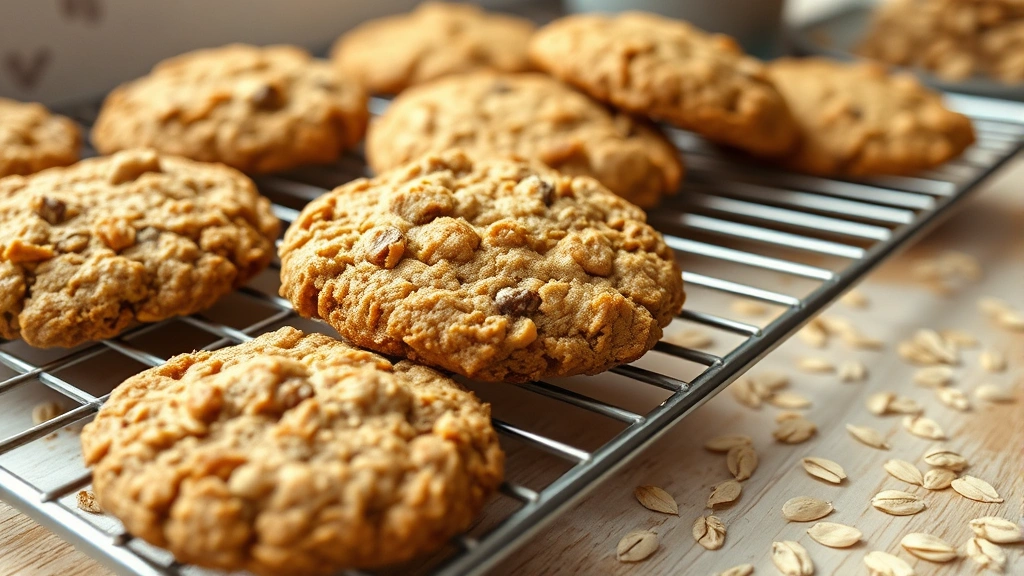
Old Fashioned Oatmeal Cookies: Chef Tips for Perfect Homemade Treats
There’s something undeniably charming about the simplicity of old fashioned oatmeal cookies. These timeless treats evoke nostalgia, warmth, and the comfort of home-baked goodness. Whether you’re channeling vintage elegance in your kitchen or simply seeking to master a classic recipe, understanding the nuances of cookie-making can elevate your baking game significantly. Just as finding your personal style requires attention to detail and authenticity, perfecting old fashioned oatmeal cookies demands precision, quality ingredients, and time-honored techniques that professional chefs swear by.
The beauty of old fashioned oatmeal cookies lies in their unpretentious elegance. Unlike trendy desserts that come and go, these cookies have maintained their appeal for generations. They’re perfect for afternoon tea, lunchbox surprises, or gifting to loved ones. The key to achieving bakery-quality results at home isn’t rocket science—it’s about understanding the fundamental principles behind each ingredient and technique. From the role of butter temperature to the importance of proper oat selection, every element contributes to creating cookies that are crispy on the edges, chewy in the center, and bursting with wholesome flavor.
This comprehensive guide explores professional chef tips and tried-and-true methods for baking exceptional old fashioned oatmeal cookies. Whether you’re a seasoned baker or stepping into the kitchen for the first time, these insights will help you create cookies that rival those from your favorite bakery.
Ingredient Selection and Quality
Professional bakers understand that ingredient quality directly impacts the final product. When making old fashioned oatmeal cookies, every component matters. Start with unsalted butter—preferably European-style with higher fat content—which contributes to richer flavor and superior texture. Room-temperature butter creams more effectively, creating the light, airy base essential for achieving that coveted cookie structure.
Brown sugar is non-negotiable for authentic old fashioned oatmeal cookies. Its molasses content provides moisture and depth that white sugar cannot replicate. Many professional chefs recommend using dark brown sugar for intensified flavor, though light brown sugar offers a slightly milder taste. The moisture in brown sugar is crucial; it keeps cookies tender and chewy, preventing them from becoming dry or brittle.
Eggs serve multiple functions in cookie dough. They provide moisture, help bind ingredients together, and contribute to the cookie’s structure. Use large eggs at room temperature—cold eggs don’t incorporate properly into the dough, potentially resulting in uneven texture. Some chefs separate eggs, using only yolks for extra richness, though traditional recipes call for whole eggs.
Vanilla extract should be pure, not imitation. The difference in flavor is remarkable and worth the investment. Similarly, when your recipe calls for spices like cinnamon or nutmeg, use freshly ground varieties when possible. Stale spices lose their potency, resulting in bland cookies that lack the warm, inviting aroma that makes old fashioned oatmeal cookies so appealing.
Flour selection affects the cookie’s final texture. All-purpose flour works beautifully, but some advanced bakers prefer using slightly lower-protein flour for a more delicate crumb. Measure flour correctly by spooning it into your measuring cup and leveling off—scooping directly from the bag compacts flour and can result in too much being used.
Understanding Oat Varieties
Not all oats are created equal, and selecting the right type is essential for authentic old fashioned oatmeal cookies. Rolled oats (also called old-fashioned oats) are the gold standard for these cookies. They’re whole oat groats that have been steamed and flattened, providing the characteristic texture and appearance that defines traditional oatmeal cookies. Their larger size compared to quick oats creates a more interesting texture and visual appeal.
Quick oats are more finely processed and break down more during baking, resulting in a denser, more compact cookie. While some recipes use quick oats, purists prefer rolled oats for their superior texture and the way they remain slightly distinct in the finished cookie.
Steel-cut oats are too large and dense for traditional oatmeal cookies; they don’t soften adequately during baking and create an undesirable texture. Instant oatmeal packets are heavily processed and often contain added sugars and flavoring—avoid these entirely.
For the most authentic experience, look for organic, non-GMO rolled oats from reputable sources. Store your oats in an airtight container away from heat and light, as the natural oils in oats can become rancid. Fresh oats contribute noticeably better flavor and nutritional value to your finished cookies. Many specialty food stores and online retailers offer premium oat varieties worth exploring.
Technique Mastery: The Foundation of Success
Creating exceptional old fashioned oatmeal cookies begins with proper technique. The creaming method is fundamental: beat softened butter with sugars until light and fluffy, typically 3-5 minutes. This process incorporates air into the dough, creating a lighter texture in the finished cookie. Listen for the sound to change from a wet slapping noise to a lighter, more muted tone—this indicates proper incorporation of air.
When adding eggs, incorporate them one at a time, ensuring each is fully combined before adding the next. This prevents the dough from becoming greasy or separated. If your dough looks curdled, add a tablespoon of flour to help emulsify it.
Combine dry ingredients—flour, baking soda, salt, and spices—separately before adding to the wet mixture. This ensures even distribution of leavening agents and prevents overmixing. Overmixing develops gluten, resulting in tough, dense cookies rather than tender ones. Mix just until combined after adding dry ingredients.
Fold in oats and any mix-ins (raisins, nuts, dried fruit) gently by hand using a spatula. This prevents overworking the dough and maintains the light texture you’ve developed through proper creaming. The dough should come together smoothly without any visible streaks of flour.
Chilling dough before baking is a professional secret that yields superior results. Refrigerate dough for at least 30 minutes, or up to 48 hours. Chilled dough spreads less during baking, resulting in thicker cookies with better texture. It also allows flavors to meld and develop, creating more complex taste profiles.

Flavor Enhancement and Variations
While traditional old fashioned oatmeal cookies are delicious in their simplicity, professional bakers often employ techniques to enhance and elevate flavor profiles. The Style Loom Daily Blog celebrates timeless classics with modern twists, much like how contemporary bakers reimagine traditional recipes.
Toasting oats before baking intensifies their nutty flavor. Spread rolled oats on a baking sheet and toast at 325°F for 8-10 minutes until fragrant, stirring occasionally. This extra step requires minimal effort but delivers noticeable flavor enhancement. Allow oats to cool completely before adding to your dough.
Incorporate complementary flavors through spices and extracts. Beyond standard cinnamon, consider adding cardamom, ginger, or cloves for warming spice notes. Almond extract adds subtle sophistication, while a touch of espresso powder deepens overall flavor without adding coffee taste.
Traditional additions include raisins and walnuts, but adventurous bakers might try dried cranberries, chopped pecans, dried apricots, or even dark chocolate chips. Soak dried fruit in warm water or brandy for 15 minutes before adding to plump them and enhance their flavor.
Brown butter takes cookies to professional pastry levels. Melt butter over medium heat, swirling occasionally until it turns golden brown and develops a nutty aroma, about 8-10 minutes. Allow it to cool before using in your recipe. This technique adds remarkable depth and sophistication to familiar flavors.
Adjust sweetness to your preference by experimenting with sugar ratios. Some bakers reduce sugar slightly and add a pinch of sea salt to enhance sweetness perception and create more complex flavor profiles. A single teaspoon of molasses adds rich depth without overpowering other flavors.
The Science Behind Perfect Cookies
Understanding the science behind baking helps explain why certain techniques work. Butter serves as a primary fat source, contributing moisture and richness while creating the tender crumb structure. The ratio of butter to other ingredients determines whether cookies spread significantly (more butter) or remain thicker (less butter).
Leavening agents like baking soda create lift and affect texture. Baking soda reacts with acidic ingredients (brown sugar contains molasses), creating carbon dioxide that causes cookies to rise and spread. Using the correct amount is crucial; too much results in overly spread, thin cookies, while too little creates dense ones.
The Maillard reaction—the browning that occurs during baking—develops complex flavors and creates appealing color. This is why slightly underbaked cookies lack the full flavor profile of properly baked ones. Professional bakers watch for golden-brown edges and a set center, as cookies continue cooking on the hot baking sheet after removal from the oven.
Understanding how different styles and approaches create distinct outcomes applies to baking too. Different oven temperatures, baking sheet materials, and even humidity levels affect results. Invest in an oven thermometer to ensure accurate temperature—many home ovens run hot or cold, significantly impacting baking.
The carryover cooking phenomenon is why professional bakers remove cookies from the oven when centers appear slightly underdone. The residual heat continues cooking cookies on the baking sheet for several minutes. This technique prevents overbaking and ensures optimal texture—crispy edges with chewy centers.
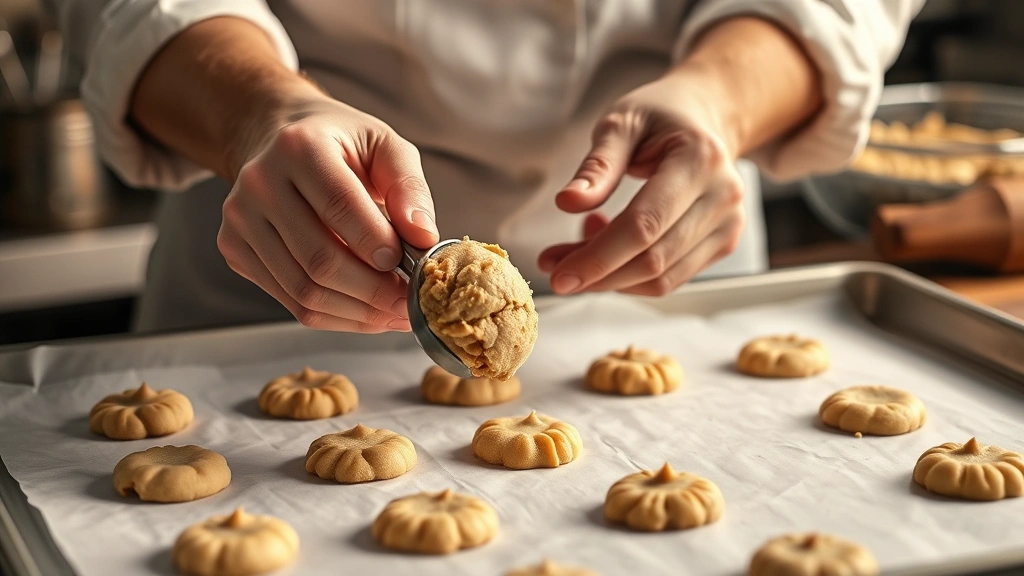
Cookie size affects baking time. Standard-sized cookies (about 1.5 inches) typically bake 10-12 minutes. Larger cookies require additional time, while smaller ones bake faster. Use a cookie scoop for consistent sizing, which ensures even baking and professional appearance.
Storage and Longevity
Proper storage preserves your old fashioned oatmeal cookies’ quality and extends their lifespan. Airtight containers are essential—glass containers with tight-fitting lids work beautifully. Store cookies at room temperature, away from direct sunlight and heat sources.
Separate layers with parchment paper to prevent sticking and allow air circulation. Keep cookies away from strong-smelling foods, as they readily absorb odors. A small piece of bread placed in the container helps maintain softness by releasing moisture—replace the bread every other day.
Most old fashioned oatmeal cookies maintain quality for up to one week at room temperature. For longer storage, freeze cookies in airtight containers for up to three months. Thaw at room temperature for 30 minutes before serving.
Dough can be frozen for extended periods. Portion dough into individual cookie-sized balls, freeze on a baking sheet, then transfer to freezer bags. Bake directly from frozen, adding 2-3 minutes to baking time.
Some bakers prefer storing cookies in the refrigerator during humid weather, as moisture can soften them excessively. This works well if your refrigerator doesn’t impart odors. Check on cookies regularly and consume within 5-7 days when refrigerated.
As you develop your baking skills and perfect your cookie technique, remember that creating beautiful, delicious treats is similar to developing personal style—it’s about understanding fundamentals, experimenting thoughtfully, and developing confidence in your choices.
FAQ
What’s the difference between old fashioned and quick oatmeal cookies?
Old fashioned oatmeal cookies use rolled oats, which maintain their shape and texture, creating a chewier cookie with visible oat pieces. Quick oatmeal cookies use finely processed oats that break down more during baking, resulting in denser, more compact cookies with less distinct oat texture.
Can I substitute ingredients in traditional recipes?
Certain substitutions work well: coconut oil for butter (use slightly less), maple syrup for some sugar, or alternative flours for all-purpose. However, substitutions affect texture and flavor. Test small batches before committing to large batches. Visit Martha Stewart’s baking resources for detailed substitution guidance.
Why do my cookies spread too much?
Excessive spreading typically results from insufficient chilling time, too much butter, too little flour, or an oven that runs cool. Ensure dough is properly chilled, measure ingredients accurately, and verify your oven temperature with a thermometer.
How do I achieve crispy edges and chewy centers?
Remove cookies from the oven when the center appears slightly underdone. Allow them to set on the baking sheet for 2-3 minutes before transferring to a cooling rack. This carryover cooking technique creates the desired texture contrast.
What’s the best way to gift homemade cookies?
Layer cookies in decorative boxes or tins separated by parchment paper. Include a handwritten note with baking date and storage instructions. Cookies make thoughtful, personal gifts that showcase effort and care—much like how fashion influencers curate thoughtful presentations of their recommendations.
Can I make cookie dough ahead of time?
Absolutely. Refrigerate dough for up to 48 hours or freeze for several months. Frozen dough can be baked directly without thawing, requiring an additional 2-3 minutes of baking time. This makes homemade cookies convenient for busy schedules.
Are there vegan options for old fashioned oatmeal cookies?
Yes. Replace eggs with flax eggs (1 tablespoon ground flaxseed mixed with 3 tablespoons water per egg), use vegan butter, and ensure all other ingredients are plant-based. Results may differ slightly in texture, but delicious vegan versions are entirely achievable. Explore Bon Appétit’s vegan baking section for detailed guidance.
What role does salt play in cookie recipes?
Salt enhances flavor perception, making sweetness more pronounced while adding subtle depth. Even in sweet applications, salt is crucial for balanced flavor. Never skip salt or reduce it significantly, as this diminishes overall taste complexity.
How do I prevent cookies from becoming hard?
Store cookies in airtight containers immediately after cooling. Include a small piece of bread to maintain softness through moisture release. Ensure you’re not overbaking—remove cookies when centers appear slightly underdone. Proper storage is more important than any other factor.
Can I double a cookie recipe?
Doubling recipes works well for cookies. Scale all ingredients proportionally and follow standard techniques. You may need to bake in batches, as overcrowding the oven affects heat circulation and results. Mix in batches if your mixer struggles with doubled volume.

