Best Vintage Ice Cream Makers? Expert Reviews & Style Guide
There’s something undeniably charming about vintage ice cream makers that transcends mere nostalgia. These old fashioned ice cream maker machines represent a bygone era of craftsmanship, intentional living, and the art of creating something delicious from scratch. Whether you’re a culinary enthusiast, a collector of retro kitchen equipment, or someone seeking to infuse your home with authentic vintage aesthetic, understanding the landscape of vintage ice cream makers is essential. The resurgence of interest in vintage lifestyle trends has sparked a renewed appreciation for these mechanical marvels that once graced every American household.
The appeal of vintage ice cream makers extends beyond functionality—it’s about embracing a lifestyle choice that prioritizes quality, sustainability, and the meditative process of manual creation. In our fast-paced digital age, the tactile experience of hand-cranking ice cream represents a return to simpler pleasures and mindful living. This comprehensive guide explores the best vintage ice cream makers available today, examining their construction, performance, historical significance, and how they can elevate your entertaining style and personal aesthetic.
Understanding Vintage Ice Cream Maker Styles
The history of ice cream makers reveals fascinating evolution in design and engineering. From the earliest hand-cranked wooden models of the 1800s to the more sophisticated electric versions introduced in the early 20th century, each era produced distinctive styles that reflect the design sensibilities and technological capabilities of their time. When evaluating vintage ice cream makers, understanding these stylistic periods helps you identify authentic pieces and appreciate their cultural significance.
The Victorian-era ice cream makers featured ornate cast iron construction with decorative elements that transformed utilitarian kitchen tools into design statements. These machines weren’t hidden away—they were displayed proudly on dining room tables during social gatherings, making them as much about entertaining style as about functionality. The hand-crank mechanism required physical participation from family members, turning ice cream making into a communal activity that strengthened social bonds.
Art Deco and mid-century modern ice cream makers introduced streamlined aesthetics and improved mechanical efficiency. Manufacturers like White Mountain Freezer and Rival became household names, their machines becoming iconic symbols of American domestic life. These models featured chrome accents, colorful enamel finishes, and more ergonomic designs that made the hand-cranking process less strenuous. Understanding these distinctions helps you select models that align with your personal style preferences and home décor aesthetic.
The materials used in vintage ice cream makers tell stories of manufacturing excellence and durability. Cast iron provided superior insulation and longevity, while wooden buckets offered charm and authentic vintage appeal. Tin-lined interiors became standard for food safety, and the craftsmanship evident in these machines demonstrates a commitment to quality that contrasts sharply with modern disposable culture.
Hand-Crank Models: The Classic Choice
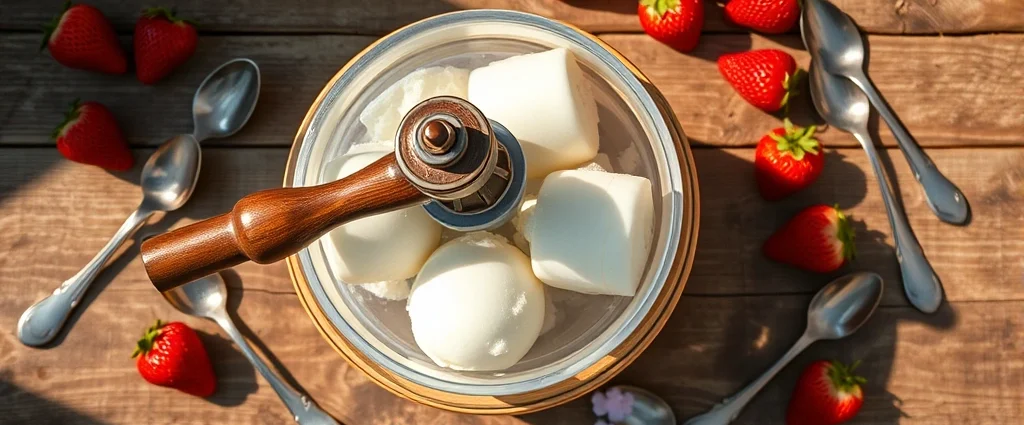
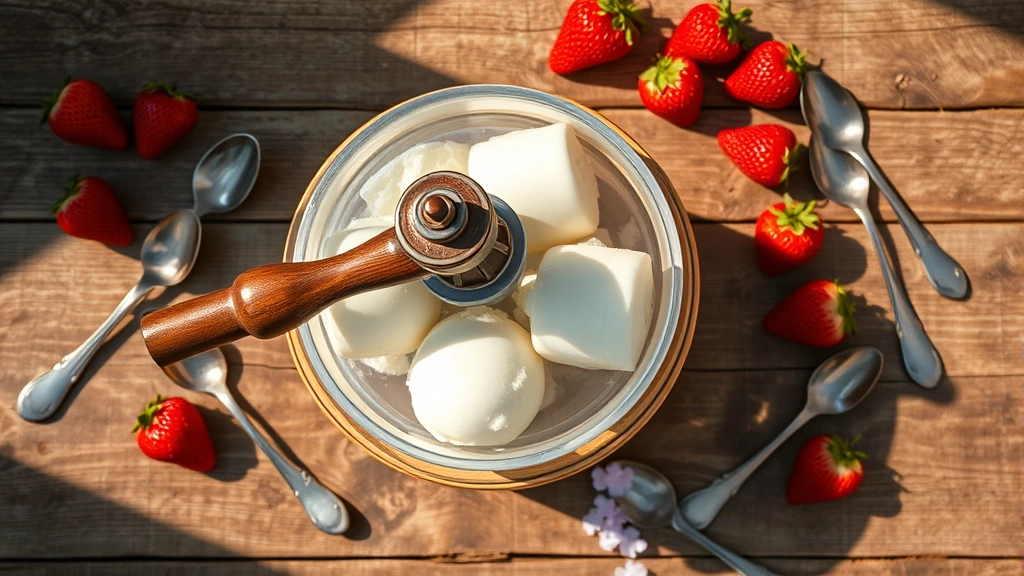
Hand-crank vintage ice cream makers represent the purest expression of ice cream-making tradition. These machines operate on elegantly simple mechanical principles: a dasher blade rotates within an inner metal freezing chamber, while ice and salt surrounding the chamber create the freezing environment. The rhythmic motion of hand-cranking became increasingly difficult as the mixture froze, providing tactile feedback that indicated when your ice cream had reached perfect consistency.
The White Mountain Freezer stands as perhaps the most iconic hand-crank model, with production spanning from the 1890s through the 1980s. Original vintage models from the early 20th century command premium prices among collectors, particularly those with intact wooden buckets and original hardware. These machines typically came in sizes ranging from one to four quarts, with the two-quart capacity becoming the most popular for home use. The distinctive red or blue enamel-painted metal bands wrapped around the wooden bucket became instantly recognizable symbols of American summer traditions.
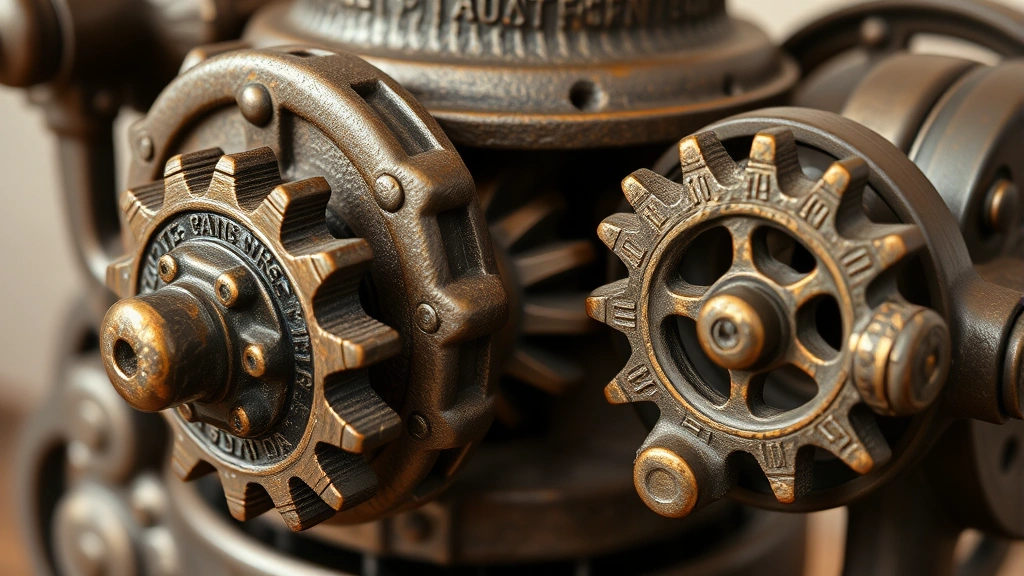
Another highly sought-after model is the Freezer Deluxe, which featured improved gear mechanisms that distributed cranking effort more evenly throughout the freezing process. These machines often included patent dates visible on their metal components, allowing collectors to pinpoint manufacturing years. The build quality of these vintage models far exceeds modern reproductions, with different types of vintage styles reflecting regional preferences and manufacturer innovations.
Condition significantly impacts both value and functionality. Original paint, intact wooden buckets, and working mechanisms are essential for machines you intend to use. Restoration can enhance aesthetic appeal while preserving authenticity—a delicate balance that appeals to serious collectors. Many vintage ice cream maker enthusiasts appreciate the patina of age, viewing wear marks and faded paint as evidence of genuine history and authentic use.
The experience of using a hand-crank model offers unexpected benefits. The physical effort required creates mindfulness and presence, transforming ice cream preparation into meditation rather than mere task completion. This aligns beautifully with contemporary wellness trends emphasizing intentional living and sensory engagement—key components of modern fashion sense that extends beyond clothing into lifestyle choices.
Electric Vintage Ice Cream Makers
As electrification transformed American households during the mid-20th century, ice cream makers evolved to incorporate electric motors. These machines eliminated hand-cranking fatigue while maintaining the charm of vintage aesthetics. Early electric models from the 1920s through 1960s represent fascinating intersections of industrial design and domestic convenience, offering practical advantages without sacrificing visual appeal.
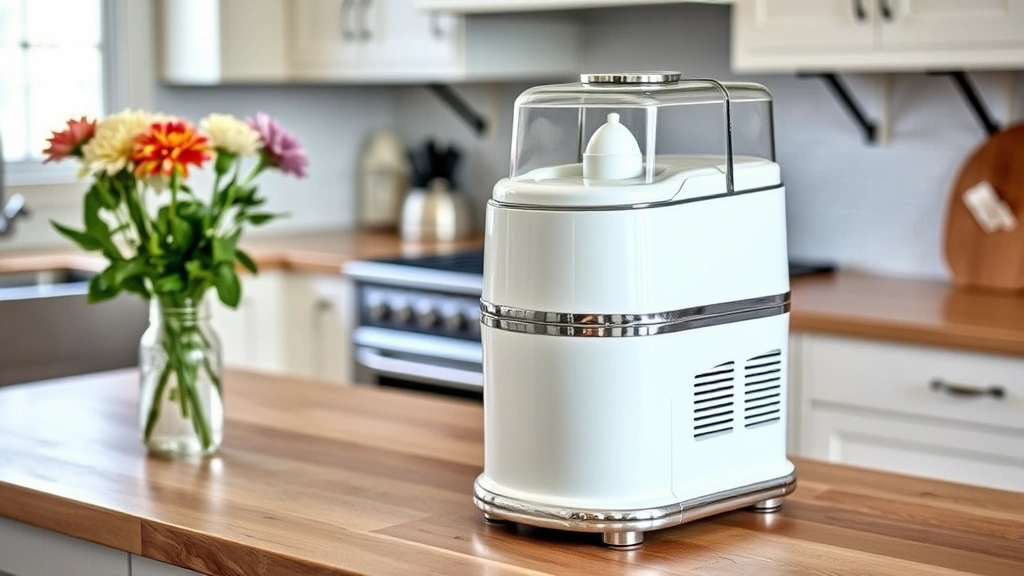
The Rival Electric Freezer became wildly popular during the 1960s and 1970s, featuring sleek designs with chrome accents and colorful plastic housings that reflected contemporary design trends. These machines operated with a simple plug-and-play mechanism, though they retained the fundamental freezing principles of their hand-crank predecessors. Vintage electric models in working condition are particularly prized because they deliver authentic retro operation without requiring physical exertion.
Emerson and General Electric also produced noteworthy electric models, each reflecting their respective design philosophies and engineering approaches. GE’s machines emphasized durability and reliability, while Emerson models often featured more decorative elements. These differences make electric vintage models excellent vehicles for exploring fashion style evolution across different manufacturing eras.
The challenge with electric vintage models involves finding units with functioning motors and intact electrical components. Many machines from the 1960s-1980s suffer from corroded wiring, seized motors, or failed capacitors. Professional restoration by specialists familiar with vintage appliances can restore functionality, though this requires investment. The reward justifies the expense for serious enthusiasts who value both aesthetic and practical utility.
Electric vintage ice cream makers offer distinct advantages for entertaining. They enable hosts to prepare fresh ice cream during gatherings without disappearing into the kitchen for extended periods. The visual spectacle of the machine operating—with its rhythmic sounds and mechanical motion—adds nostalgic entertainment value that modern silent appliances simply cannot match.
Restoration and Maintenance Guide
Restoring vintage ice cream makers requires balancing authentic preservation with practical functionality. The approach you choose depends on your intended use and aesthetic preferences. Some collectors prioritize maintaining original condition, avoiding any modifications, while others prefer machines that operate reliably for actual ice cream preparation.
Assessment and Planning should precede any restoration work. Thoroughly inspect your machine, documenting existing damage, missing parts, and mechanical condition. Photograph original details before beginning work, creating a reference for future restoration steps. Understanding whether your machine is genuinely vintage or a later reproduction affects restoration strategy and investment levels.
For wooden bucket restoration, gentle cleaning with soft brushes removes accumulated dust and debris without damaging original finishes. Avoid aggressive sanding or refinishing that destroys patina and historical authenticity. If structural repairs are necessary, consult specialists experienced with antique furniture restoration who understand appropriate techniques and materials. Some collectors deliberately maintain weathered appearances, valuing the visual evidence of historical use.
Metal components require careful cleaning to remove rust without excessive material loss. Fine steel wool and appropriate solvents can restore shine while preserving surface character. Avoid harsh abrasive methods that obliterate original finish. For machines you intend to use, food-safe sanitization becomes essential—consult food safety guidelines specific to vintage equipment before using restored machines for actual ice cream production.
Mechanical restoration of hand-crank mechanisms involves inspecting gears, bearings, and the dasher assembly. Lubrication with appropriate food-grade oils can restore smooth operation without introducing contaminants. If gears are damaged or missing, finding replacement parts becomes challenging—vintage ice cream maker enthusiast communities often provide resources for locating authentic components.
Electric motor restoration demands specialized knowledge. Non-functioning motors may require rewinding or replacement with period-appropriate alternatives. Professional appliance restoration specialists can assess whether repair is feasible and cost-effective. Some collectors replace original motors with modern equivalents disguised to maintain vintage appearance—a compromise that preserves visual authenticity while ensuring reliable operation.
Where to Find Authentic Vintage Models
Sourcing genuine vintage ice cream makers requires knowledge of reliable acquisition channels and authentication techniques. The market includes legitimate antiques alongside reproductions and misrepresented items, making careful evaluation essential for discerning collectors.
Antique Shops and Dealers specializing in kitchen equipment offer curated selections with documented provenance. Reputable dealers provide detailed information about manufacturing dates, original condition, and restoration work performed. Building relationships with knowledgeable dealers yields access to machines before public listings and opportunities for negotiation on premium pieces.
Estate Sales and Auctions present opportunities to acquire machines directly from original owners’ collections, often at reasonable prices. Auction houses specializing in household goods frequently offer vintage ice cream makers, particularly around summer months. Attending previews allows hands-on inspection and condition assessment before bidding. Online auction platforms expand geographic reach, though shipping costs must factor into valuation.
Online marketplaces require heightened caution regarding authenticity and condition. Detailed photographs, honest seller communication, and return policies provide some protection. Seek machines photographed from multiple angles with clear close-ups of manufacturing marks, patent dates, and condition details. Ask specific questions about functionality and any restoration work performed.
Specialized collector communities and vintage kitchen equipment forums provide invaluable resources. Experienced collectors share authentication knowledge, market pricing information, and recommendations for reliable sellers. These communities often facilitate direct sales between members, enabling transactions with fellow enthusiasts who understand and appreciate vintage machines’ historical significance.
Flea markets and estate sales in rural areas sometimes yield exceptional finds at prices far below market value. Collectors report discovering pristine machines in original packaging, stored in basements for decades. These encounters require patience and persistence—successful vintage hunting involves regular market visits and willingness to travel to promising locations.
Styling Your Kitchen with Vintage Equipment
Incorporating vintage ice cream makers into contemporary kitchen design creates striking visual interest while expressing personal style. These machines function as functional art, bridging utilitarian purpose with aesthetic statement-making. Understanding design principles helps integrate vintage equipment into modern spaces cohesively.
Kitchen Aesthetic Alignment matters significantly. Farmhouse and cottage-style kitchens naturally accommodate vintage ice cream makers as centerpieces. Displaying a hand-crank model on open shelving or a kitchen island emphasizes its sculptural qualities and mechanical charm. The machine becomes conversation starter and design focal point simultaneously—exactly the kind of personal style expression that distinguishes thoughtfully designed spaces.
Industrial and minimalist kitchens benefit from vintage ice cream makers’ clean mechanical lines. Choosing machines with streamlined designs and neutral finishes—chrome, stainless steel, or muted enamel—ensures visual compatibility with contemporary aesthetics. The contrast between vintage equipment and modern cabinetry creates dynamic tension that visually enriches the space.
Color coordination influences how vintage machines integrate into existing décor. Red or blue enamel-painted models complement warm color palettes and traditional designs. Cream or white finishes suit neutral schemes and Scandinavian-inspired aesthetics. Consider your kitchen’s dominant colors when selecting machines, ensuring visual harmony rather than jarring contrast.
Functional Styling involves positioning machines accessibly for actual use while maintaining aesthetic presentation. Kitchen islands offer ideal locations—machines are visible, accessible, and become natural gathering points during entertaining. Vintage ice cream makers on islands invite interaction and conversation, transforming food preparation into social activity.
Open shelving displays allow machines to function as decorative elements while remaining easily accessible. Styling surrounding items—vintage serving dishes, period-appropriate dishware, classic cookbooks—creates cohesive vignettes that tell stories about your design sensibilities and culinary interests. This approach extends the visual narrative beyond single objects to comprehensive aesthetic statements.
Seasonal Presentation offers flexibility for those with limited display space. Featuring vintage ice cream makers prominently during warm months, then storing them seasonally, maintains visual relevance while accommodating practical constraints. Some collectors rotate machines monthly, treating vintage equipment curation as ongoing design project that evolves throughout the year.
FAQ
What’s the difference between hand-crank and electric vintage ice cream makers?
Hand-crank models require manual effort but offer authentic mechanical engagement and nostalgic experience. Electric versions eliminate physical labor while maintaining vintage aesthetics. Hand-crank machines typically cost less, while functioning electric models command premium prices due to scarcity and restoration challenges.
How do I authenticate a vintage ice cream maker?
Examine manufacturing marks, patent dates stamped on metal components, and construction materials. Research manufacturers and their production dates. Consult vintage appliance databases and collector resources. Authentic machines exhibit appropriate wear patterns consistent with their age, while reproductions often show inconsistent aging or modern manufacturing techniques.
Are vintage ice cream makers safe for food preparation?
Machines in excellent condition with properly sanitized components are generally safe. However, thoroughly inspect for rust, damage, or contamination. Consult food safety guidelines specific to vintage equipment. Professional restoration specialists can assess safety and recommend appropriate preparation methods before using machines for actual ice cream production.
What’s the typical price range for vintage ice cream makers?
Hand-crank models range from $30-300 depending on condition, rarity, and manufacturer. Rare or pristine examples command premium prices. Working electric models typically cost $100-500. Exceptionally rare or historically significant machines can exceed $1,000. Prices fluctuate based on market demand and condition.
Where should I store a vintage ice cream maker?
Store machines in dry environments protecting against moisture, temperature fluctuations, and pest damage. Avoid basements prone to dampness. Wrap components carefully if stacking. Display machines in climate-controlled spaces away from direct sunlight that fades original finishes. Proper storage preserves condition and prevents deterioration.
Can I actually use a vintage ice cream maker for making ice cream?
Yes, machines in good condition function excellently. Hand-crank models require effort but produce outstanding results. Electric models operate like modern machines. Ensure thorough sanitization before food preparation. The experience of using vintage equipment enhances appreciation for craftsmanship and traditional techniques while producing superior homemade ice cream.