Old Fashioned Glassware: Expert Collector’s Guide
Old fashioned glassware represents more than just functional drinkware—it embodies timeless elegance, craftsmanship, and a connection to vintage aesthetics that continues to captivate collectors and style enthusiasts worldwide. Whether you’re drawn to the sophisticated appeal of mid-century designs or the ornate beauty of Victorian-era pieces, understanding the nuances of old fashioned glassware collecting transforms you from casual buyer to discerning connoisseur. This comprehensive guide explores everything you need to know about acquiring, preserving, and appreciating these magnificent pieces that blend utility with artistry.
The allure of vintage glassware extends beyond mere nostalgia—it reflects our desire to surround ourselves with objects of genuine quality and character. In an era of mass production and disposable culture, collecting old fashioned glassware represents a conscious choice to invest in pieces with soul and history. These glasses tell stories through their designs, manufacturing techniques, and the hands that have held them across generations. As fashion and interior design increasingly embrace vintage aesthetics and historical inspiration, understanding glassware collecting becomes an essential part of cultivating sophisticated personal style.
Understanding Old Fashioned Glassware: Definition and Historical Context
The term “old fashioned glassware” encompasses drinking glasses and serving pieces produced primarily between the 1870s and 1970s, though some collectors extend this definition to include earlier Victorian pieces and later mid-century modern designs. This expansive timeframe captures extraordinary evolution in glass manufacturing techniques, design philosophies, and aesthetic preferences. The journey from hand-blown techniques to automated production methods fundamentally shaped how these pieces look, feel, and perform.
During the Victorian era, glassware production became a mark of social status and refined taste. Wealthy households displayed elaborate cut glass and pressed glass pieces that demonstrated both economic prosperity and cultural sophistication. The transition into the early twentieth century brought Art Nouveau influences, followed by the geometric precision of Art Deco designs. Understanding this evolution in aesthetic style helps collectors appreciate why certain pieces command premium prices and others remain undervalued treasures.
The manufacturing process itself tells a crucial story in identifying authentic old fashioned glassware. Hand-blown pieces contain subtle imperfections—tiny bubbles, slight asymmetries, and variations in thickness—that machine-made glasses rarely exhibit. Early pressed glass shows evidence of mold seams and sometimes incomplete patterns where mold halves met imperfectly. These characteristics, which might seem like flaws, actually represent authenticity markers that experienced collectors prize highly. Learning to recognize these details transforms you into someone who understands not just what you’re buying, but why it matters.
Types and Styles of Vintage Glassware
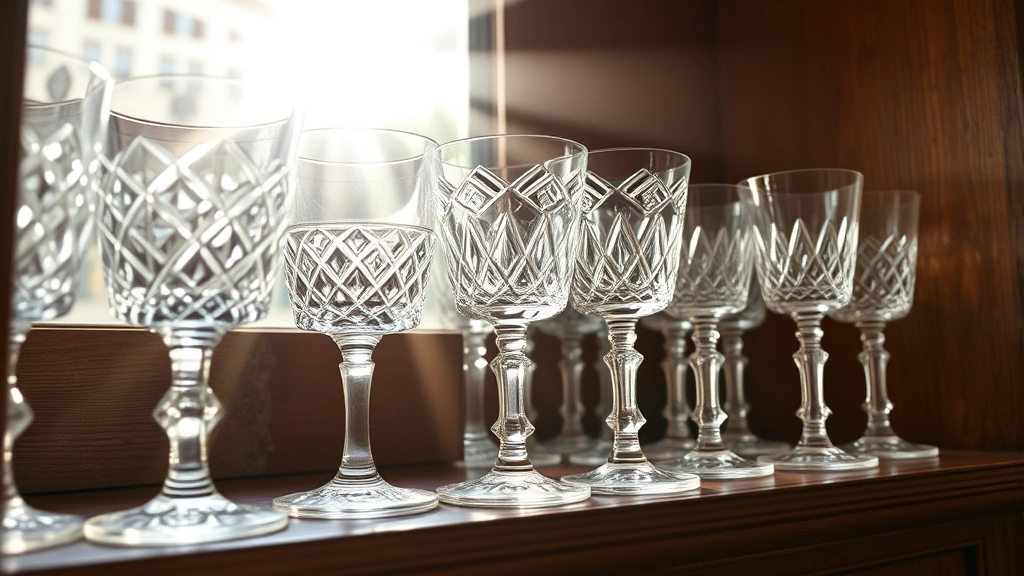
The diversity within old fashioned glassware collecting is genuinely staggering. Cut glass represents one of the most prestigious categories, featuring intricate geometric patterns created by grinding facets into glass surfaces. Waterford, Baccarat, and Waterford crystal became synonymous with luxury and remain highly sought after. These pieces typically feature deep, precise cuts that create brilliant light refraction, making them particularly stunning when displayed against natural light sources.
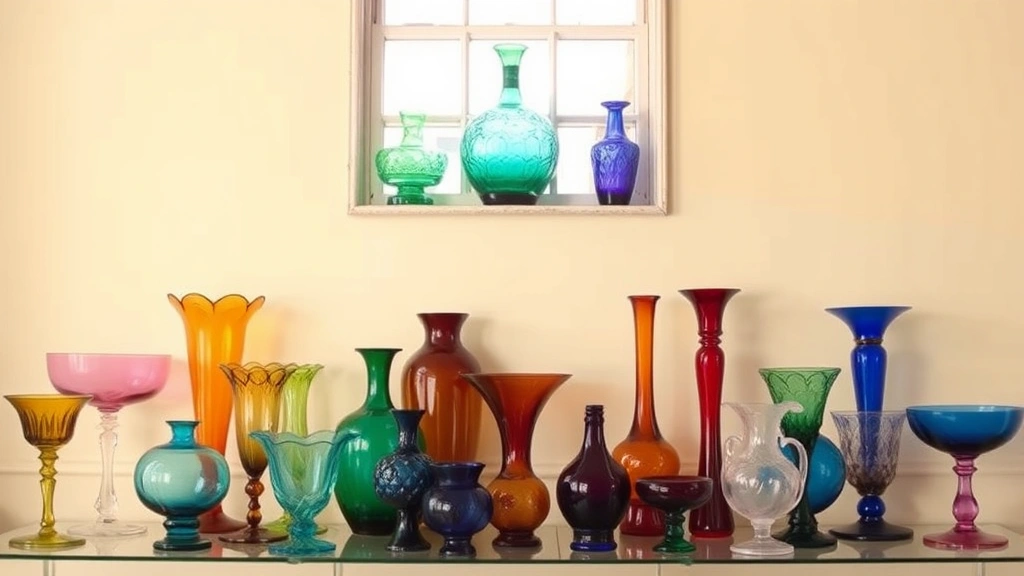
Pressed glass emerged as a more democratic alternative to hand-cut pieces, allowing middle-class households to access decorative glassware. Manufacturers like Indiana Glass, Imperial Glass, and Hazel-Atlas produced thousands of patterns, many with charming names like “Cherry Blossom,” “Mayfair,” and “Patrician.” Depression glass, produced during the economically challenging 1930s, represents a particularly beloved subset characterized by delicate designs and often vibrant colors—pink, green, amber, and cobalt blue being most common. This category offers collectors affordable entry points while maintaining genuine historical and aesthetic significance.
Art Deco glassware introduced geometric sophistication, with clean lines and streamlined forms reflecting the modernist movement’s influence on design. The 1950s and 1960s brought atomic-age aesthetics and bold color combinations that feel refreshingly contemporary despite their vintage origins. Understanding these distinct style categories helps you develop personal style preferences within the broader collecting landscape. Some collectors focus exclusively on single patterns or manufacturers, while others embrace eclectic approaches that mix periods and styles for visually dynamic displays.
Colored glassware deserves special attention within any collector’s education. Uranium glass, produced from the 1840s through the 1950s, glows under ultraviolet light—a characteristic that makes identification straightforward and collecting particularly fun. Milk glass, with its creamy opaque appearance, became hugely popular during the Victorian era and experienced a revival in the 1950s. Amberina glass, featuring a gradient from amber to ruby red, represents one of the most technically challenging and expensive vintage glass types.
Image Placement:
Identifying Authentic Pieces and Manufacturers
Becoming skilled at authentication separates serious collectors from casual buyers. Examine your potential purchase under strong lighting, looking for manufacturing marks, signatures, or pattern names. Many manufacturers marked their pieces—sometimes subtly etched or embossed on the base. Researching specific manufacturer marks becomes essential; the Corning Museum of Glass provides extensive resources for identifying production techniques and attribution.
Weight and feel offer crucial authentication clues that casual observers often overlook. Genuine hand-blown glass typically feels heavier than modern reproductions and has a slightly warm quality when held. Run your fingers along edges and seams—authentic old fashioned glassware often displays subtle irregularities that modern manufacturing can rarely replicate convincingly. The base deserves particular scrutiny; look for pontil marks (the scar left where the glassblower’s rod detached), mold seams, or manufacturing dates.
Pattern identification requires patience and systematic research. Glass pattern databases and collector guides—particularly those focusing on specific manufacturers—become invaluable reference tools. Many pieces bear no obvious manufacturer identification, making pattern recognition essential for proper attribution and valuation. Joining collector communities and consulting specialist dealers helps develop the eye necessary for confident identification. Photography of your potential purchase under various lighting conditions can facilitate remote consultation with experienced collectors.
Reproduction concerns have increased as vintage glassware’s popularity has grown. Some reproductions are obvious—crude mold work, incorrect colors, or modern manufacturing techniques clearly visible upon examination. Others prove more deceptive, requiring careful scrutiny. Reputable dealers typically guarantee authenticity and provide detailed condition descriptions, making them safer sources than unknown online sellers. Never hesitate to request additional photographs, measurements, or information before committing to purchases of expensive pieces.
The Art of Valuation and Pricing
Pricing old fashioned glassware involves multiple variables that even experienced collectors sometimes find bewildering. Condition represents the primary factor—flawless pieces command significant premiums over those with chips, cracks, or cloudiness. A single chip on an otherwise exquisite piece can reduce value by 30-50%, making careful condition assessment crucial before purchase. Cloudiness, often caused by mineral deposits from dishwasher use or age-related etching, similarly impacts desirability and price.
Rarity drives premium pricing within specific patterns and styles. Limited production runs, discontinued patterns, and unusual color variations become increasingly valuable as collectors seek to complete sets or acquire elusive examples. Market demand fluctuates based on broader design trends—currently, mid-century modern aesthetics and 1970s designs experience renewed popularity, affecting their valuations. Understanding these cyclical trends helps collectors make strategic acquisition decisions.
Size and function influence pricing significantly. Complete sets command higher per-piece prices than individual glasses, particularly for Depression glass and pattern glass. Specialized pieces like coasters, serving dishes, or decorative items from matching sets often cost more than basic drinking glasses. Marked or signed pieces—particularly those from renowned manufacturers—typically exceed unmarked examples by substantial margins.
Researching comparable sales through auction houses, specialist dealers, and online marketplaces establishes realistic baseline expectations. Smithsonian collections documentation and museum catalogs provide authoritative valuation context for exceptional pieces. Keep detailed records of your acquisitions, including purchase prices, condition assessments, and provenance information—this documentation proves invaluable for insurance purposes and future sales.
Building Your Collection: Starting Points for Beginners
Novice collectors benefit from developing focused collection strategies rather than pursuing every appealing piece encountered. Specializing in specific patterns, manufacturers, colors, or time periods creates coherent collections with genuine personal meaning and potentially stronger investment appreciation. Many successful collectors begin with a specific aesthetic or design philosophy that resonates with their personal sensibilities.
Depression glass offers ideal entry points for budget-conscious collectors. These pieces remain affordable—typically ranging from $5-30 per piece depending on pattern and color—while maintaining genuine historical significance and aesthetic appeal. Building a collection of a single pattern over time creates satisfying progression and allows you to appreciate subtle variations and rarity factors. Local antique malls, estate sales, and flea markets provide accessible hunting grounds for Depression glass and other affordable vintage pieces.
Setting realistic acquisition budgets prevents impulsive overspending while maintaining collecting momentum. Allocate funds across multiple price tiers—invest in key investment pieces while acquiring more affordable items that round out your collection. Patience proves essential; exceptional pieces at reasonable prices require persistent searching and willingness to wait for appropriate opportunities.
Building relationships with knowledgeable dealers accelerates your education exponentially. Reputable specialists in your chosen collecting area become invaluable mentors, offering guidance on authentication, valuation, and emerging market trends. These professionals often notify regular customers about significant acquisitions matching their interests, providing access to pieces before general market availability.
Documentation from the beginning establishes collecting discipline that serves you throughout your collecting journey. Photograph each acquisition, recording purchase price, condition details, and any relevant provenance information. This practice facilitates insurance coverage, enables accurate collection valuation, and creates a searchable personal reference library that supports future acquisitions and sales decisions.
Care, Preservation, and Display Techniques
Proper care ensures your old fashioned glassware maintains condition and beauty for future generations. Handwashing with gentle soap and lukewarm water represents the gold standard—commercial dishwashers subject vintage pieces to extreme temperature fluctuations and harsh detergents that cause cloudiness and deterioration. Use soft cloths or sponges, avoiding abrasive scrubbing that scratches surfaces and damages delicate patterns.
Cloudiness, perhaps the most common preservation challenge, results from mineral deposits or surface etching. White vinegar soaks sometimes restore clarity to mildly affected pieces—submerge cloudy glasses in equal parts white vinegar and water for several hours, then gently clean with soft cloths. Severely etched glass rarely responds to cleaning, making prevention through careful handwashing essential. Storing glasses in humid environments accelerates cloudiness development, making climate control important for preservation.
Display considerations balance aesthetic enjoyment with conservation principles. Sunlight exposure fades colors over time, particularly affecting uranium glass and other light-sensitive pieces. Position collections away from direct sun, using UV-protective glass if displaying near windows. Shelving should provide stable support without overcrowding—glass pieces need breathing room to prevent breakage from vibration or accidental contact.
Temperature fluctuations stress glass, potentially causing cracks or crazing (fine surface lines). Maintain relatively consistent room temperatures, avoiding placement near heating vents, air conditioning units, or exterior windows. Humidity control prevents both cloudiness and mold growth on stored pieces. Climate-controlled storage becomes essential for valuable collections, particularly those including rare or irreplaceable examples.
Image Placement:
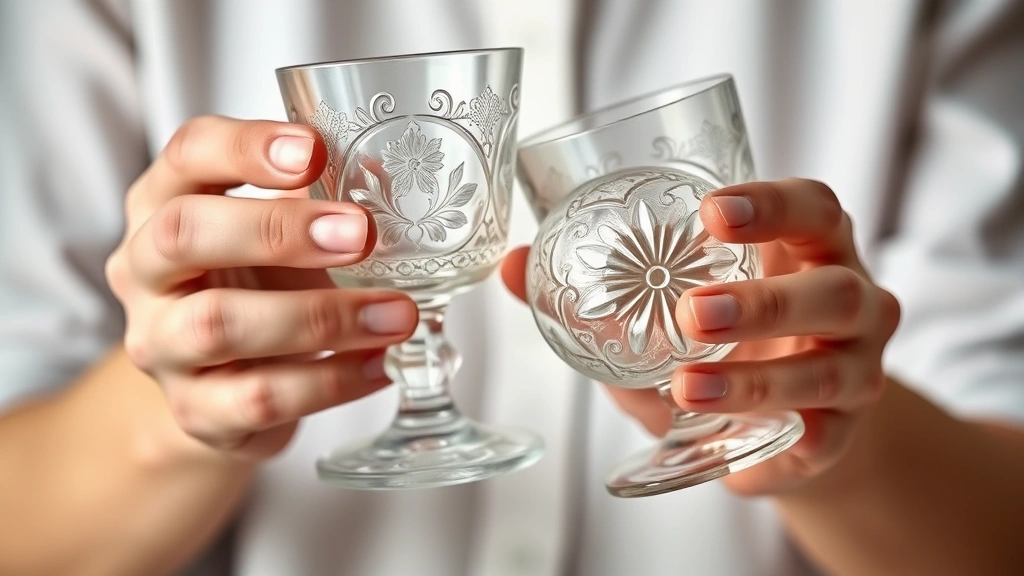
Investment Potential and Market Trends
Old fashioned glassware collecting increasingly attracts investors seeking tangible assets with aesthetic appeal. Certain categories demonstrate consistent appreciation—cut glass and signed art glass from renowned makers like Tiffany and Steuben consistently increase in value. Depression glass, while more affordable, shows steady appreciation for rare patterns and unusual colors. Market dynamics favor quality, rarity, and condition, making informed acquisition decisions crucial for investment success.
Emerging trends favor mid-century modern glassware and 1970s designs as younger collectors embrace retro aesthetics. This demographic shift creates opportunities for savvy collectors to acquire undervalued pieces likely to appreciate as these aesthetics gain broader acceptance. Conversely, some traditional favorites like Victorian cut glass experience slight softness in demand, potentially offering buying opportunities for patient collectors.
Diversification within glass collecting provides portfolio stability. Combining affordable Depression glass pieces with selective investments in higher-value cut glass or art glass spreads risk while maintaining collecting enjoyment. Participation in collector networks and attending major shows—like those sponsored by Antique Trader and specialist glass collector associations—provides market intelligence and networking opportunities that enhance collecting success.
Documentation becomes increasingly important for investment-grade collections. Professional appraisals from qualified experts support insurance coverage and establish baseline values for future comparison. Condition photographs and detailed provenance records enhance resale value when the time comes to liquidate portions of your collection. Maintaining collections in museum-quality condition—including proper storage, minimal handling, and professional conservation when necessary—preserves investment potential.
The sustainability appeal of vintage collecting resonates with contemporary values emphasizing environmental responsibility. Acquiring beautiful functional objects with existing histories appeals to consumers seeking alternatives to mass production and disposable culture. This philosophical dimension adds meaningful context to collecting beyond pure financial investment, creating personal satisfaction that transcends monetary considerations.
FAQ
What’s the difference between old fashioned glassware and modern reproductions?
Authentic old fashioned glassware exhibits subtle manufacturing characteristics—tiny bubbles in hand-blown pieces, visible mold seams in pressed glass, and slight weight variations—that modern reproductions struggle to replicate convincingly. Examining bases for pontil marks, checking for manufacturer marks or pattern names, and assessing overall weight and feel helps distinguish genuine vintage pieces from contemporary copies. When in doubt, consult specialist dealers or reference materials before making significant purchases.
How do I start collecting old fashioned glassware on a limited budget?
Depression glass offers ideal entry points, with most pieces ranging $5-30 depending on pattern and condition. Focus on single patterns to build coherent collections with genuine personal meaning. Explore local antique malls, estate sales, and flea markets where patient searching yields excellent values. Building relationships with dealers helps you access affordable pieces and receive guidance on which items offer best investment potential for your budget.
Is cloudiness in vintage glassware permanent?
Mild cloudiness sometimes responds to white vinegar soaks—submerge affected pieces in equal parts vinegar and water for several hours. However, severe etching typically cannot be reversed. Prevention through careful handwashing and proper storage proves more effective than attempting restoration. Store glasses in climate-controlled environments away from humidity to prevent future cloudiness development.
Which old fashioned glassware categories appreciate most consistently?
Cut glass from renowned manufacturers, signed art glass pieces, and rare Depression glass patterns demonstrate strongest appreciation. Mid-century modern glassware and 1970s designs currently experience renewed interest as younger collectors embrace retro aesthetics. Investment success depends on acquiring quality pieces in excellent condition—condition, rarity, and desirability drive premium pricing in all categories.
How should I store valuable glassware collections?
Utilize climate-controlled storage spaces maintaining consistent temperature and humidity levels. Display collections away from direct sunlight to prevent color fading, using UV-protective glass for window displays. Shelving should provide stable support without overcrowding—each piece needs breathing room to prevent breakage. Professional appraisals and detailed condition documentation support insurance coverage and protect your investment.