Old Fashioned Glass: The Bartender’s Essential Guide to Style and Sophistication
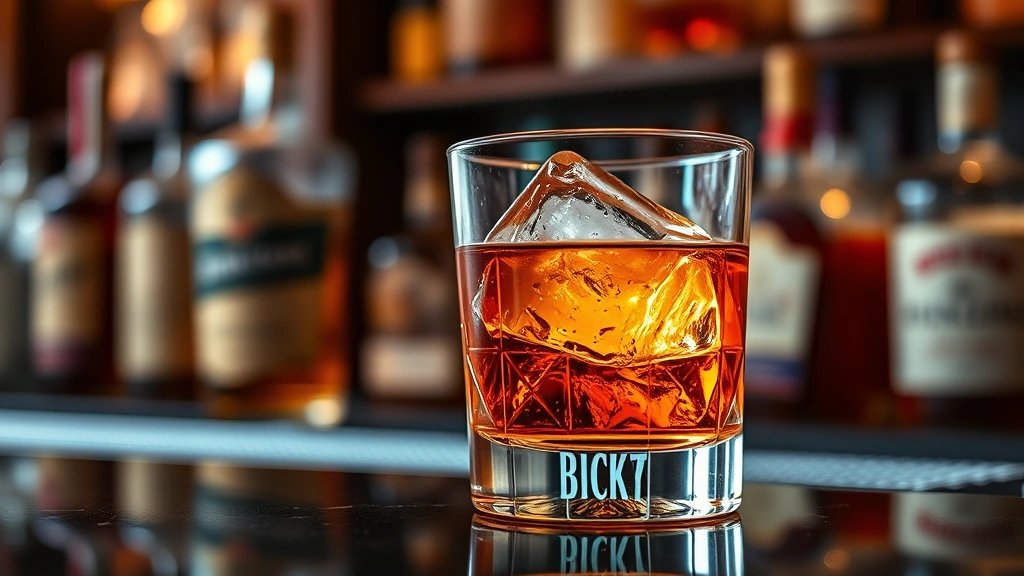
The old fashioned glass represents more than just a vessel for cocktails—it embodies a timeless aesthetic that has defined sophisticated entertaining for generations. Whether you’re a seasoned mixologist or an aspiring home bartender, understanding the nuances of this iconic glassware is essential to mastering the art of cocktail service. From its distinctive silhouette to its cultural significance, the old fashioned glass tells a story of elegance, tradition, and refined taste.
In today’s world of ever-evolving design trends and lifestyle choices, the old fashioned glass remains a steadfast symbol of classic style. Much like understanding how to find your personal style, learning to appreciate quality glassware reflects your discerning taste and commitment to excellence. This comprehensive guide will walk you through everything you need to know about selecting, using, and styling with old fashioned glasses.
History and Evolution of the Old Fashioned Glass
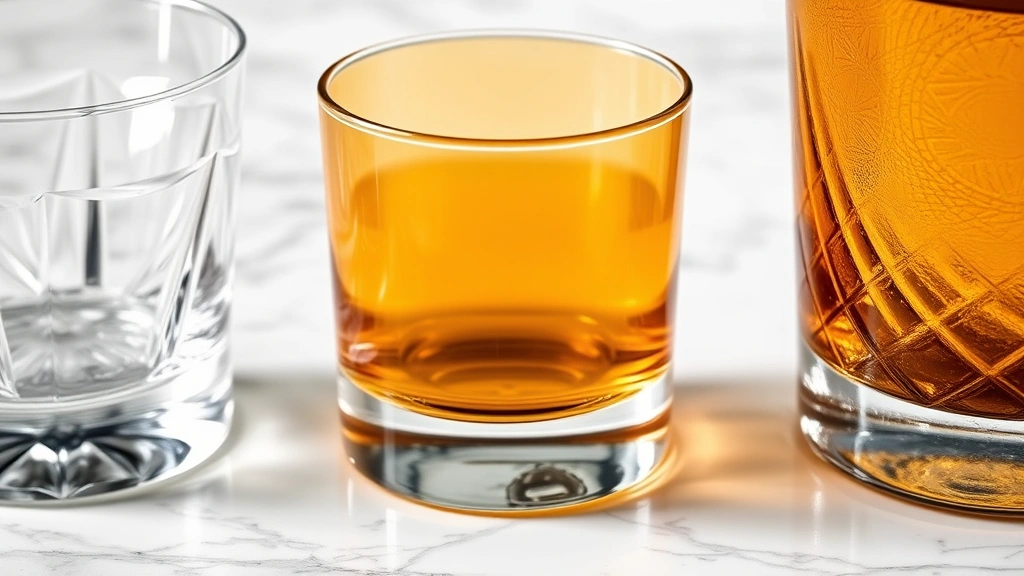
The old fashioned glass, also known as a rocks glass or lowball glass, emerged from the golden age of cocktail culture in the late 19th century. Its creation is intrinsically linked to the birth of the Old Fashioned cocktail itself, which was invented at the Pendennis Club in Louisville, Kentucky, around 1881. The drink was crafted for a prominent bourbon distiller, and its popularity quickly spread throughout America’s most prestigious establishments.
Understanding the historical context of this glassware connects us to the complete fashion history timeline, where we see how design choices reflect societal values and cultural moments. The old fashioned glass rose to prominence during an era when cocktail culture represented sophistication, leisure, and social status. Its sturdy construction and elegant proportions made it the perfect vessel for spirit-forward drinks served over ice.
The design of the old fashioned glass evolved through the mid-20th century, becoming increasingly refined. Manufacturers experimented with different thicknesses, heights, and decorative patterns. The classic version features a short, wide-mouthed design with a thick bottom—a practical choice that protects against thermal shock when ice and cold spirits are introduced. This evolution reflects broader design movements, from Art Deco influences to mid-century modern aesthetics.
Today’s old fashioned glasses range from simple, utilitarian designs to elaborate handcrafted pieces that serve as functional art. Premium brands have reimagined this classic with innovative materials, artistic etchings, and ergonomic improvements. The glass has transcended its role as mere barware to become a statement piece in home entertainment spaces.
Understanding Glass Dimensions and Specifications
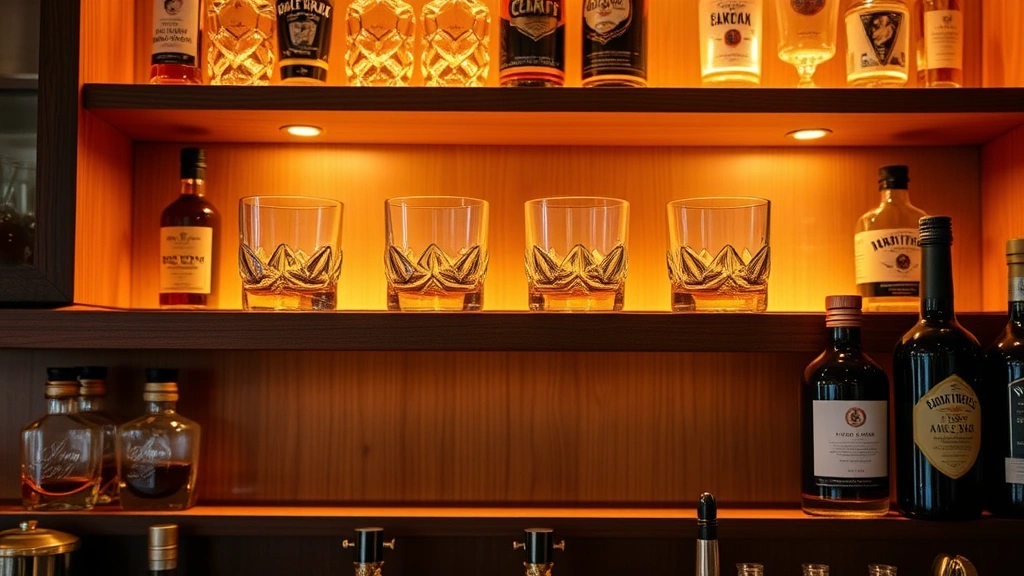
An authentic old fashioned glass typically measures between 3.5 to 4.5 inches in height, with a diameter of approximately 3 to 3.5 inches. The capacity ranges from 6 to 10 ounces, making it ideal for spirit-forward cocktails served over ice. These specific dimensions have been standardized across the hospitality industry, ensuring consistency in drink presentation and flavor profile.
The thick base of an old fashioned glass serves multiple purposes. It provides stability on any surface, protects against condensation rings on fine furniture, and creates an auditory quality—the satisfying clink of ice against quality glass that signals premium service. Professional bartenders understand that the weight and feel of a glass contribute to the overall drinking experience.
The wide mouth opening allows for easy addition of ice and garnishes while facilitating proper sipping technique. This design choice distinguishes the old fashioned glass from highball glasses, which are taller and more narrow. The proportions have been carefully engineered to maintain optimal drink temperature and prevent premature dilution.
When selecting old fashioned glasses for your collection, pay attention to the glass thickness. Heavier glasses with thicker walls typically indicate higher quality and greater durability. Premium examples often feature a weighted base that enhances stability and creates a luxurious feel in hand.
Material Quality and Craftsmanship
The quality of an old fashioned glass dramatically impacts both its aesthetic appeal and functional performance. Lead crystal represents the pinnacle of glassware craftsmanship, offering superior clarity, brilliance, and weight compared to standard glass. Lead crystal contains at least 24% lead oxide, which increases the refractive index and creates that distinctive sparkle.
Renowned manufacturers like Riedel and Baccarat have perfected the art of crystal glass production, creating pieces that are both scientifically engineered and artistically beautiful. These premium options justify their investment through exceptional longevity and timeless elegance.
Hand-blown glass represents another tier of quality, where skilled artisans create each piece individually. This method allows for unique variations and artistic expression while maintaining structural integrity. Hand-blown old fashioned glasses often feature subtle imperfections that add character and authenticity.
Machine-made options provide excellent value without sacrificing quality. Modern manufacturing processes have advanced significantly, allowing producers to create durable, beautiful glasses at accessible price points. These glasses perform admirably in both home and professional settings.
The glass composition affects clarity, durability, and temperature retention. Borosilicate glass offers superior thermal resistance, making it ideal for environments with significant temperature fluctuations. Soda-lime glass, the most common type, provides excellent clarity and is budget-friendly.
The Classic Old Fashioned Cocktail
The cocktail that gave this glass its name remains one of the most iconic drinks in mixology. The classic Old Fashioned recipe showcases the spirit-forward approach that defined early 20th-century cocktail culture. This drink serves as the foundation for understanding proper old fashioned glass usage.
Classic Old Fashioned Recipe:
- 2 ounces bourbon or rye whiskey
- 1 sugar cube (or ½ ounce simple syrup)
- 2-3 dashes Angostura bitters
- Orange peel for garnish
- Ice (preferably one large cube)
The preparation method matters as much as the ingredients. Experienced bartenders muddle the sugar cube with bitters in the glass, then add whiskey and a single large ice cube. This technique, detailed in authoritative mixology resources, demonstrates the importance of proper technique in cocktail craftsmanship.
The old fashioned glass’s design accommodates this preparation perfectly. The wide mouth allows for easy muddling without splashing, while the thick bottom provides a stable surface for the muddling process. The ice cube size becomes crucial—larger cubes melt more slowly, maintaining the drink’s temperature and strength longer.
Variations on the classic Old Fashioned have emerged, each requiring the distinctive old fashioned glass. The Sazerac, a New Orleans classic, substitutes rye whiskey and adds absinthe. The Whiskey Smash incorporates fresh lemon juice and mint, creating a more refreshing profile. These variations demonstrate the glass’s versatility.
Styling Your Bar with Old Fashioned Glasses
Creating a sophisticated home bar reflects your personal aesthetic and entertaining style, much like styling any fashion element requires intentionality and knowledge. Old fashioned glasses serve as both functional tools and decorative elements in your entertaining space.
Display and Storage Considerations:
Invest in quality glassware storage solutions that protect your collection while showcasing it. Open shelving with proper lighting highlights the beauty of premium glasses and creates an inviting bar aesthetic. Consider the background color—neutral tones allow the glass to be the focal point, while darker backgrounds enhance the brilliance of crystal.
Organize your glasses by type and height for visual harmony. Grouping old fashioned glasses together creates a curated look that suggests intentional design rather than random accumulation. Professional bartenders arrange glassware strategically for both aesthetics and efficiency.
The color palette of your glassware collection contributes to your overall bar design scheme. Clear crystal offers timeless elegance, while colored glass options—from subtle amber tints to rich jewel tones—add personality. However, classic clear remains most versatile for varied entertaining scenarios.
Consider the decorative elements on your glasses. Etched patterns, monograms, or subtle designs add sophistication without overwhelming. Simple, elegant designs age gracefully, while trendy patterns may feel dated quickly. Vogue’s entertaining guides emphasize that timeless design choices create lasting appeal.
Pair your old fashioned glasses with complementary bar accessories. Quality ice tongs, a professional jigger, and elegant bar spoons complete the aesthetic. Cohesive design throughout your entertaining space elevates the entire experience.
Care and Maintenance Tips
Proper care extends the life of your old fashioned glasses and maintains their brilliance. Understanding best practices ensures your investment continues delivering beauty and functionality for years.
Washing Guidelines:
- Hand wash premium glasses whenever possible to prevent thermal shock
- Use warm water with mild dish soap and a soft cloth
- Avoid abrasive sponges or harsh chemicals that cloud the glass
- Dry immediately with lint-free towels to prevent water spots
- Store upright to minimize dust accumulation
For stubborn residue from spirit or syrup, soak glasses in warm water before gentle scrubbing. Never subject premium crystal to sudden temperature changes—removing a glass from a freezer directly into warm water can cause cracking.
Dishwasher Considerations:
While some old fashioned glasses are dishwasher-safe, hand washing remains preferable for premium pieces. If using a dishwasher, select the gentle cycle with lower temperatures. Remove glasses immediately after the cycle completes to prevent temperature shock.
Store glasses in a secure location away from vibrations or potential impacts. Proper storage prevents chips and breaks that compromise both appearance and functionality. Consider dedicated glassware storage solutions with protective padding.
Address minor scratches or cloudiness with specialized glass cleaning solutions. Regular maintenance prevents mineral deposits from hard water, which can permanently dull expensive crystal over time.
Building Your Glassware Collection
Creating a comprehensive glassware collection requires strategic planning and understanding your entertaining needs. Not every home bartender requires an extensive array of glass types, but thoughtful selection ensures you’re prepared for various cocktails and occasions.
Essential Glassware Starter Set:
Begin with six to eight old fashioned glasses in your preferred style and quality level. This quantity accommodates most home entertaining scenarios while remaining manageable for storage and maintenance. As you develop your bartending skills, gradually expand your collection with specialty pieces.
Consider your entertaining frequency and guest count. Frequent entertainers should invest in quality pieces they’ll use regularly, while occasional hosts might prefer versatile options that work for multiple drink styles. The Style Loom Daily Blog emphasizes that quality over quantity always prevails in refined entertaining.
Explore different price points and brands to find options that align with your budget and aesthetic preferences. Entry-level options from reputable manufacturers provide excellent value, while premium brands offer investment pieces that appreciate in collecting circles.
Complementary Glass Types for Your Bar:
- Highball glasses for tall, refreshing drinks
- Coupe glasses for elegant cocktails and champagne
- Martini glasses for classic martinis
- Rocks glasses (smaller old fashioned variations) for spirit tastings
- Mixing glasses for preparation behind the bar
As you expand your collection, maintain design cohesion. Mixing styles deliberately creates eclectic charm, while random accumulation appears disorganized. Consider whether you prefer matching sets or curated collections with intentional variety.
Research design-focused barware collections to understand current trends while maintaining timeless appeal. Premium publications regularly feature curated glassware selections that inspire sophisticated entertaining.
FAQ
What’s the difference between an old fashioned glass and a rocks glass?
These terms are often used interchangeably, though technically rocks glasses can refer to any short, wide glass for spirits over ice. Old fashioned glasses specifically feature the proportions and design associated with the classic Old Fashioned cocktail—typically slightly smaller and with a thicker base.
Can I use old fashioned glasses for other cocktails?
Absolutely. While designed for the Old Fashioned, these versatile glasses work beautifully for Sazeracs, Whiskey Smashes, Negronis, and any spirit-forward cocktail served over ice. Their design accommodates various drink styles effectively.
How many old fashioned glasses should I own?
A set of six to eight glasses suits most home entertaining needs. This quantity allows you to serve multiple guests while maintaining adequate glassware for washing between uses. Expand based on your entertaining frequency and guest counts.
What’s the best ice for old fashioned glasses?
Large, single ice cubes melt slowly and prevent excessive dilution. If large cubes aren’t available, use the largest cubes your ice maker produces. Some enthusiasts invest in specialty ice molds to create perfectly sized cubes.
Are expensive old fashioned glasses worth the investment?
Premium glasses offer superior clarity, durability, and aesthetic appeal. They’re worthwhile investments if you entertain regularly and appreciate quality. For occasional use, mid-range options provide excellent value without significant compromise.
How do I remove cloudiness from old fashioned glasses?
Soak glasses in equal parts white vinegar and warm water for 30 minutes, then scrub gently with a soft brush. Specialized glass cleaning solutions also address mineral deposits and cloudiness effectively.
What’s the ideal capacity for an old fashioned glass?
Standard old fashioned glasses hold 6-10 ounces. This capacity accommodates typical cocktail recipes (2 ounces spirit) plus ice and minimal mixing room. Select capacity based on your preferred drink ratios and ice quantities.
Can I personalize old fashioned glasses?
Yes. Many manufacturers offer custom etching, monogramming, and personalization services. These customized glasses make exceptional gifts and add personal touches to your entertaining space. Ensure personalization complements your overall design aesthetic.