Old-Fashioned Coleslaw Recipe: Chef’s Choice Guide to Vinegar-Based Perfection
There’s something undeniably timeless about a crisp, tangy coleslaw that transports you back to classic American dining. The old-fashioned coleslaw with vinegar represents more than just a side dish—it’s a culinary tradition that has graced picnic tables, barbecue gatherings, and family dinners for generations. This beloved classic combines simplicity with sophistication, proving that sometimes the most memorable flavors come from straightforward ingredients and time-honored techniques.
Whether you’re planning a summer gathering or simply craving authentic comfort food, understanding the art of crafting the perfect vinegar-based coleslaw elevates your cooking repertoire. The beauty of this recipe lies in its versatility and the way it complements virtually any main course, from pulled pork to fried chicken. Let’s explore the nuances of creating a coleslaw that balances crisp texture with bold, tangy flavors that linger on your palate.
Understanding Classic Coleslaw Foundations
The foundation of exceptional coleslaw begins with understanding why this dish has endured as a culinary staple. Unlike creamy coleslaw variations that rely on mayonnaise-based dressings, the old-fashioned vinegar coleslaw embraces a lighter, more refreshing approach that allows the natural sweetness of cabbage to shine through. This style gained prominence in American cuisine during the early twentieth century, becoming a hallmark of barbecue culture and casual dining establishments.
The genius of vinegar-based coleslaw lies in its ability to enhance rather than mask the vegetables’ inherent qualities. The acidity of vinegar acts as a preservative while simultaneously tenderizing the cabbage fibers, creating that signature crunch that distinguishes exceptional coleslaw from mediocre versions. This transformation happens through a process called osmosis, where the vinegar solution draws out excess moisture while infusing the vegetables with bold, complex flavors.
Many home cooks overlook the importance of selecting the right cabbage variety. While green cabbage forms the traditional base, understanding the subtle differences between varieties helps you achieve optimal results. Red cabbage, for instance, offers a slightly sweeter profile and vibrant color, making it an excellent complement to green cabbage in balanced proportions. The combination creates visual appeal while expanding the flavor spectrum of your finished dish.
The Vinegar Selection Guide
Choosing the correct vinegar fundamentally shapes your coleslaw’s character and taste profile. Different vinegar types contribute distinct flavor notes, ranging from subtle and mellow to bold and assertive. Understanding these variations empowers you to craft coleslaw that aligns with your palate preferences and complements your intended menu.
White Distilled Vinegar: The most traditional choice for old-fashioned coleslaw, white distilled vinegar delivers clean, sharp acidity without overpowering other ingredients. Its neutral flavor profile allows cabbage sweetness to remain the star while providing the characteristic tangy bite. This versatile option works beautifully in classic recipes and pairs exceptionally well with barbecue settings.
Apple Cider Vinegar: This option brings subtle fruity undertones and a slightly mellower acidity compared to white vinegar. Apple cider vinegar creates a more complex flavor profile that some cooks prefer for its sophistication. It pairs particularly well with coleslaw destined for pulled pork sandwiches or smoked meats.
Rice Vinegar: A lighter, more delicate option that produces exceptionally crisp vegetables while imparting subtle sweetness. Rice vinegar works wonderfully if you prefer less aggressive acidity or want to highlight other seasoning elements in your dressing.
Red Wine Vinegar: For adventurous cooks seeking deeper flavor complexity, red wine vinegar introduces fruity, slightly earthy notes. This choice works beautifully when you incorporate old-fashioned cocktail preparations into your entertaining style, creating a cohesive flavor narrative throughout your meal.
Essential Ingredients Breakdown
Crafting authentic old-fashioned coleslaw requires attention to ingredient quality and proportions. Each component serves a specific purpose, working synergistically to create balanced, memorable flavors.
- Cabbage: One large head (approximately 2 pounds) of green cabbage forms the primary ingredient. Select firm heads without browning or damage, as these indicate freshness and optimal texture.
- Vinegar: One cup of your chosen vinegar type provides the dressing’s acidic foundation. Adjust quantities based on your acidity preference and the specific vinegar selected.
- Water: One-half cup of filtered water dilutes vinegar to balanced intensity while allowing proper vegetable penetration and softening.
- Sugar: Three to four tablespoons of granulated sugar balance vinegar’s acidity with subtle sweetness, creating complex flavor dimensions. Some traditionalists prefer brown sugar for deeper molasses notes.
- Salt: One and one-half teaspoons of kosher salt (adjust to taste) enhances natural flavors while drawing out excess moisture through osmosis.
- Black Pepper: One-half teaspoon of freshly ground black pepper adds subtle heat and complexity without overwhelming delicate cabbage flavors.
- Carrot: One large carrot, julienned or grated, introduces natural sweetness and vibrant color contrast. Select firm, unblemished carrots for optimal crunch.
- Optional Seasonings: Celery seeds, mustard seeds, or red pepper flakes provide additional complexity for adventurous palates seeking signature variations.
Step-by-Step Recipe Instructions
Mastering the preparation technique ensures you achieve the crisp texture and balanced flavors that distinguish exceptional coleslaw.
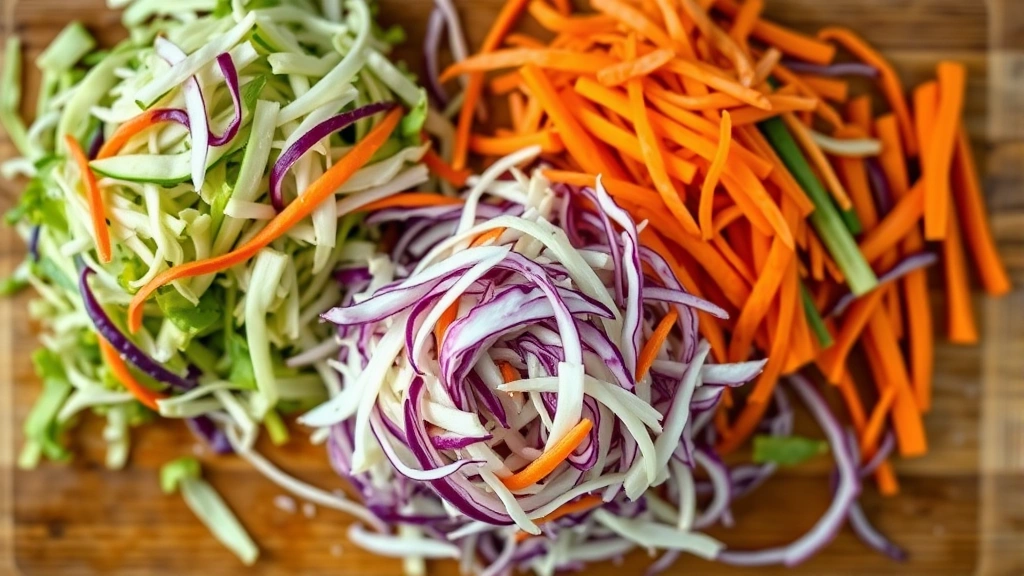
- Prepare the Cabbage: Remove outer leaves from your cabbage head and discard any damaged sections. Rinse thoroughly under cool water and pat dry with paper towels. Using a sharp knife or mandoline, slice cabbage into thin, even strips approximately one-eighth inch thick. Uniform sizing ensures consistent texture and proper dressing absorption throughout your finished dish.
- Combine Vegetables: Transfer sliced cabbage to a large mixing bowl. Add grated carrots and any additional vegetables you’re incorporating. Toss gently to distribute ingredients evenly, ensuring the carrot distributes throughout rather than settling at the bowl’s bottom.
- Prepare the Dressing: In a medium saucepan, combine your chosen vinegar with water, sugar, salt, and pepper. Heat over medium heat, stirring occasionally until sugar dissolves completely and salt crystals disappear. This heating process intensifies flavors while ensuring proper seasoning distribution. Do not allow the mixture to boil vigorously; a gentle simmer suffices.
- Combine and Infuse: Pour the warm dressing over your prepared vegetables immediately after removing from heat. The warmth helps cabbage absorb flavors more effectively while softening fibers slightly without compromising that desirable crunch. Stir thoroughly, ensuring all vegetable pieces contact the dressing.
- Set and Rest: Allow your coleslaw to rest at room temperature for at least thirty minutes before serving. This resting period permits flavors to meld while vegetables continue absorbing the tangy dressing. For deeper flavor development, refrigerate for several hours or overnight.
- Final Adjustments: Before serving, taste and adjust seasonings as desired. Add additional vinegar for more tang, sugar for sweetness, or salt for enhanced flavor depth. Remember that flavors continue developing over time, so initial adjustments should be conservative.
Mastering the Perfect Texture
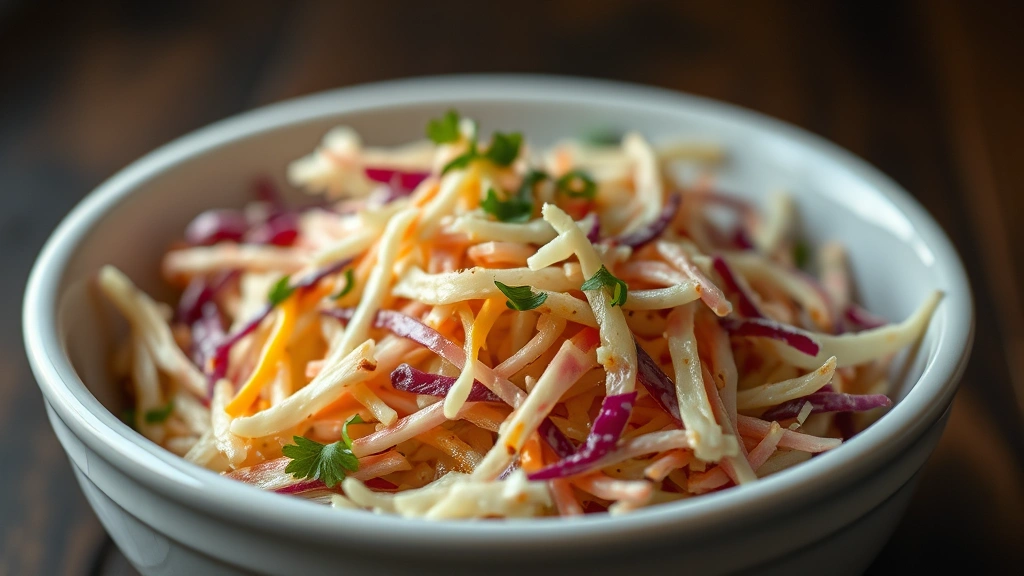
Achieving the ideal coleslaw texture requires understanding how different preparation methods and timing affect your final product. The balance between crisp, tender, and fully infused represents the hallmark of superior coleslaw craftsmanship.
The thickness of your cabbage slices fundamentally impacts texture development. Thinner slices (one-eighth inch) absorb dressing more rapidly and become tender more quickly, ideal if you prefer softer vegetables. Thicker slices (one-quarter inch) maintain structural integrity longer, providing substantial crunch even after extended storage. Most traditional recipes favor thin slicing for optimal dressing absorption while maintaining pleasant textural contrast.
Temperature considerations significantly influence texture outcomes. Warm dressing penetrates cabbage more effectively than cold dressing, creating faster flavor development and texture softening. However, some cooks prefer chilling their dressing before combining with vegetables, which slows the softening process and maintains maximum crunch. Experiment with both approaches to determine your preferred outcome.
Salt’s role in texture development deserves particular attention. Salt draws moisture from cabbage through osmosis, simultaneously tenderizing fibers and concentrating flavors. For coleslaw served immediately, light salting suffices. For coleslaw prepared hours or days in advance, initial salt quantities can increase slightly, compensating for the ongoing moisture extraction and flavor dilution.
Flavor Variations and Customizations
While honoring traditional preparation methods, creative cooks can explore variations that expand coleslaw’s culinary possibilities. These adaptations maintain the classic vinegar-based foundation while introducing complementary flavor elements.
Spicy Heat Variation: Add one-half teaspoon of cayenne pepper or one tablespoon of hot sauce to your dressing for subtle heat that builds gradually. This variation pairs beautifully with spicy barbecue preparations and adds complexity to traditional gatherings.
Herb-Infused Version: Incorporate fresh herbs like dill, cilantro, or parsley into your finished coleslaw. Add herbs just before serving to preserve their vibrant color and fresh flavor profile. Approximately one-quarter cup of loosely packed herbs introduces herbaceous notes without overwhelming delicate vegetable flavors.
Sweet and Sour Balance: Increase sugar slightly while reducing vinegar to create a sweeter profile that appeals to those preferring balanced acidity. This variation works particularly well alongside rich, fatty meats where sweetness provides palate-cleansing contrast.
Asian-Inspired Adaptation: Substitute rice vinegar for white vinegar and add two tablespoons of sesame oil, one tablespoon of soy sauce, and one teaspoon of grated ginger. This creative interpretation transforms traditional coleslaw into an exciting fusion option that complements Asian-inspired menus.
Understanding how to find your personal style in cooking mirrors the approach to culinary creativity—honoring traditions while expressing individual preferences and creativity. Your coleslaw should reflect your taste preferences and complement your entertaining style seamlessly.
Storage and Make-Ahead Tips
One of coleslaw’s greatest advantages is its ability to improve over time, making it an ideal make-ahead dish for entertaining. Understanding proper storage techniques ensures your prepared coleslaw maintains optimal flavor and texture throughout your event.
Refrigeration Best Practices: Store prepared coleslaw in an airtight container, ensuring the dressing covers all vegetable pieces. This prevents oxidation and maintains moisture balance. Properly stored coleslaw remains excellent for three to five days, with flavors continuing to develop and deepen during storage.
Flavor Evolution: Coleslaw tastes distinctly different immediately after preparation compared to after several hours of refrigeration. Immediate consumption emphasizes crispness and bright acidity. After overnight refrigeration, vegetables soften slightly while flavors meld into a more cohesive, complex profile. Consider your preference when timing preparation.
Advance Preparation Strategy: For maximum convenience, prepare vegetables one day ahead and store separately in airtight containers. Combine with dressing two to four hours before serving, allowing adequate flavor development without excessive softening. This approach offers flexibility while ensuring fresh texture and balanced flavors.
Serving Temperature Considerations: Coleslaw can be served cold directly from refrigeration, at cool room temperature, or even slightly warmed. Cold coleslaw provides refreshing contrast to hot barbecue items. Room temperature versions showcase flavors more prominently. Experiment with different serving temperatures to discover your preferred approach.
Batch Preparation: The recipe scales beautifully for large gatherings. Double or triple the ingredient quantities while maintaining the same proportions. Prepare in batches if your mixing bowl capacity limits single-batch preparation, combining finished batches in a larger serving vessel.
For those interested in exploring how fashion nova dresses reflect contemporary entertaining styles, consider how coleslaw’s timeless appeal similarly transcends trends while remaining perpetually relevant. Both represent enduring choices that communicate confidence and appreciation for quality.
Frequently Asked Questions
Can I make coleslaw without vinegar?
While vinegar forms the traditional foundation, you can substitute with fresh lemon juice or lime juice for citrus-based acidity. However, these alternatives create distinctly different flavor profiles. Vinegar’s specific characteristics—its acidity level, flavor complexity, and preservative properties—make it difficult to truly replicate without compromising the dish’s essential character.
Why does my coleslaw become watery?
Excess moisture typically results from over-salting or allowing coleslaw to sit too long before serving. Salt draws water from cabbage cells, gradually increasing liquid content. To prevent wateriness, use measured salt quantities, serve within the recommended timeframe, or drain excess liquid before serving. Some cooks prefer draining coleslaw just before presentation, removing accumulated liquid while retaining flavor.
How long does coleslaw last?
Properly stored vinegar-based coleslaw remains fresh and flavorful for three to five days when kept in airtight containers at refrigeration temperature. The acidic vinegar environment naturally preserves vegetables while preventing bacterial growth. Beyond five days, vegetables gradually soften excessively and flavors may become overly sharp.
Can I freeze coleslaw?
Freezing is not recommended for coleslaw. The freezing process breaks down vegetable cell structures, resulting in mushy texture upon thawing. The cabbage becomes limp and loses the crisp quality that defines quality coleslaw. Prepare fresh batches as needed rather than attempting to freeze prepared coleslaw.
What’s the difference between old-fashioned and creamy coleslaw?
Old-fashioned vinegar-based coleslaw uses vinegar, water, and sugar as the dressing foundation, creating light, tangy flavors with prominent vegetable texture. Creamy coleslaw incorporates mayonnaise, resulting in richer mouthfeel and more subtle flavors. Both styles are valid; your choice depends on personal preference and intended menu applications. Vinegar-based versions work beautifully with barbecue, while creamy versions complement sandwiches and lighter fare.
Should I use green or red cabbage?
Green cabbage offers traditional mild flavor and crisp texture. Red cabbage provides slightly sweeter notes and stunning visual appeal. Many accomplished cooks combine both varieties in equal proportions, creating balanced flavor profiles with beautiful color contrast. Experiment with different combinations to discover your preferred approach.
Can I add other vegetables to coleslaw?
Absolutely. Beyond traditional carrots, consider adding thinly sliced radishes for peppery crunch, diced bell peppers for sweetness and color, or shredded beets for earthiness and visual drama. Keep additional vegetables to approximately one-half cup per head of cabbage to maintain proper flavor balance.
What vinegar creates the tangiest coleslaw?
White distilled vinegar delivers the sharpest, most assertive tang. Apple cider vinegar provides moderate acidity with subtle fruit notes. Rice vinegar offers the gentlest acidity. Select based on your preference for intensity. You can also adjust vinegar-to-water ratios to increase or decrease overall tang regardless of vinegar type selected.
How do I prevent coleslaw from becoming too sour?
Balance is achieved through proper sugar and salt proportions. Sugar counteracts vinegar’s acidity while creating subtle sweetness. If your coleslaw becomes too sour during storage, add additional sugar gradually, tasting between additions. Some cooks prefer adding extra water to dilute excess acidity, though this slightly reduces overall flavor intensity.
Can coleslaw be served warm?
Yes, though it’s less traditional. Some cooks prefer serving coleslaw at room temperature or even gently warmed, which intensifies flavor perception. Warm coleslaw pairs beautifully with hot barbecue items. Simply reheat gently without boiling to preserve vegetable texture while warming the dressing.