
Old Fashioned with Rum: A Mixologist’s Guide to Mastering This Classic Cocktail
The Old Fashioned stands as one of the most iconic cocktails in mixology history, a timeless drink that demands respect, precision, and an understanding of flavor balance. While traditionally crafted with whiskey, the modern mixologist has discovered that rum offers an exciting alternative that brings tropical warmth and complexity to this venerable libation. Whether you’re a seasoned bartender looking to expand your repertoire or an enthusiast eager to understand the nuances of cocktail craft, this comprehensive guide explores how rum transforms the Old Fashioned into something both classic and contemporary.
The beauty of the Old Fashioned lies in its simplicity and elegance. With just a handful of ingredients—spirits, sugar, bitters, and a twist of citrus—this drink showcases the quality of each component. When you substitute rum for the traditional whiskey, you’re not merely swapping spirits; you’re embarking on a flavor journey that honors cocktail tradition while embracing innovation. This guide will walk you through every aspect of creating the perfect rum-based Old Fashioned, from selecting the right rum to mastering the technique that separates a good drink from an exceptional one.
Understanding the Classic Old Fashioned
The Old Fashioned emerged in the 1880s at the Pendennis Club in Louisville, Kentucky, created as a response to bartenders over-complicating drinks with excessive ingredients. The original recipe called for whiskey, sugar, water, bitters, and a lemon twist—a philosophy that emphasized quality over complexity. This drink became a symbol of sophistication and refinement, appreciated by those who understood that restraint in cocktail crafting often yields the most memorable results.
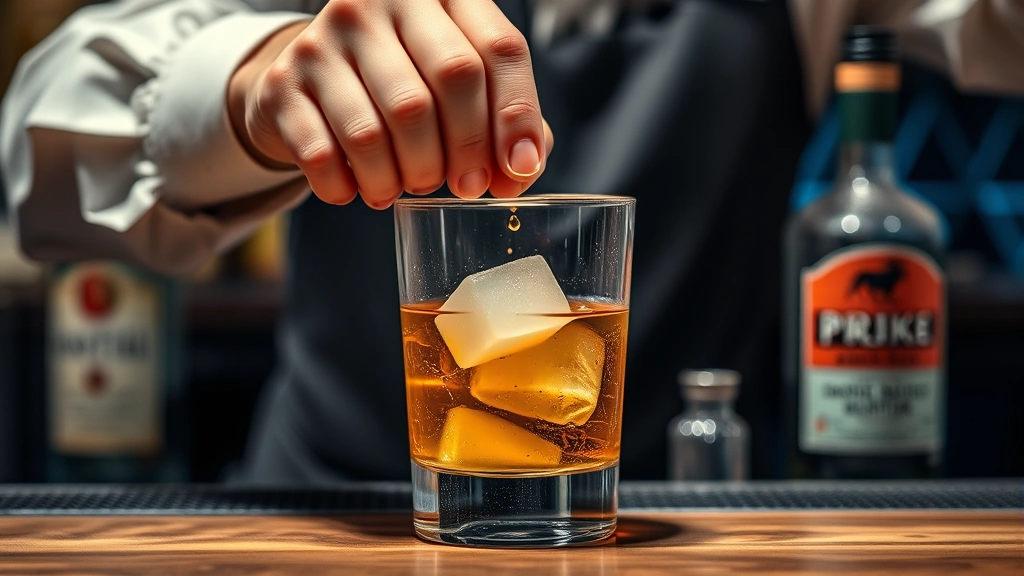
What makes the Old Fashioned so enduringly popular is its versatility combined with its strict adherence to fundamental principles. The drink respects tradition while allowing room for interpretation. When you explore Old Fashioned cocktail glasses, you’ll notice they’re specifically designed to showcase the drink’s visual appeal and facilitate proper sipping. The wide bowl allows for adequate ice surface area, crucial for proper dilution and temperature control.
The psychological appeal of the Old Fashioned extends beyond taste. It represents a return to simplicity in an increasingly complex world. In today’s craft cocktail scene, where molecular mixology and experimental techniques dominate certain venues, the Old Fashioned remains a beacon of authenticity. Its presence on a menu signals that a bar respects fundamentals and understands that the best cocktails are often the simplest ones executed with precision.
Selecting the Perfect Rum for Your Old Fashioned
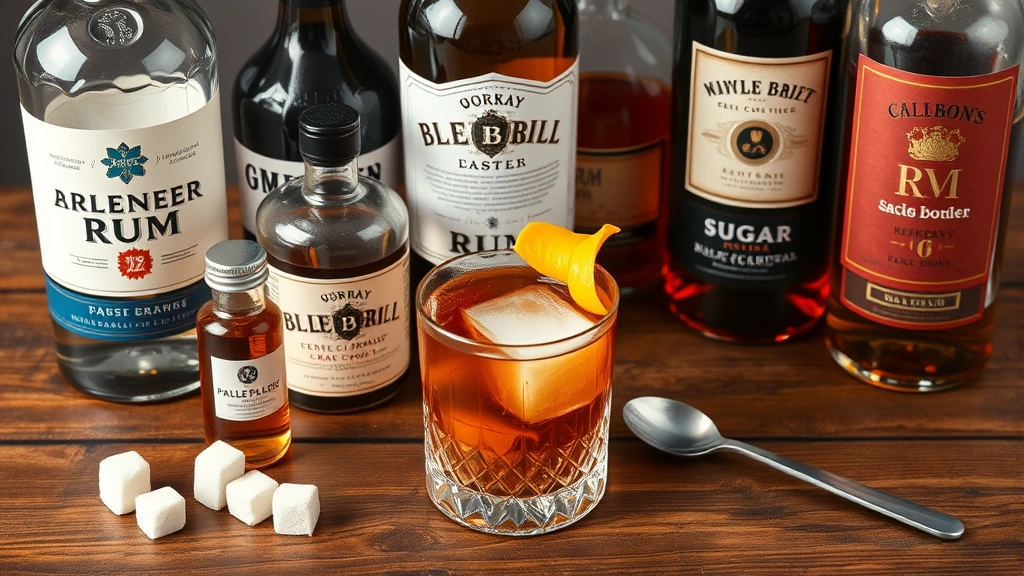
Choosing the right rum is paramount when crafting a rum-based Old Fashioned. Unlike whiskey, which comes in several clear categories, rum offers remarkable diversity in origin, production method, and flavor profile. The spirit you select will fundamentally shape your drink’s character.
Aged Rum: Dark, aged rums provide the depth and complexity necessary for a sophisticated Old Fashioned. Look for rums aged 12-23 years, which offer rich notes of caramel, oak, and spice. Jamaican rums like Appleton Estate or Hampden Estate deliver funky esters and profound character. Venezuelan rums such as Diplomatico or Santa Teresa provide smooth, refined flavors with hints of vanilla and chocolate. These rums honor the Old Fashioned’s tradition while introducing tropical dimensions.
Rhum Agricole: For those seeking something distinctly different, rhum agricole from Martinique presents an intriguing option. Made from fresh sugarcane juice rather than molasses, these rums exhibit grassy, vegetal notes that can create an unexpectedly complex Old Fashioned. The herbaceous quality pairs beautifully with aromatic bitters, creating a drink that feels both classic and avant-garde.
Single Estate Rums: Premium single estate rums from producers focused on terroir-driven spirits offer unique expressions perfect for the adventurous mixologist. These rums often showcase specific geographic characteristics and production philosophies, allowing you to craft a drink that tells a story of place and tradition.
Proof Considerations: Select rums between 90-110 proof. Higher proof spirits provide better structure and prevent your drink from becoming diluted too quickly. Lower proof rums can result in a drink that tastes thin and unbalanced, no matter how excellent the rum itself may be.
Essential Ingredients and Their Roles
Creating an exceptional rum Old Fashioned requires understanding how each ingredient contributes to the final product. This isn’t merely a recipe; it’s a formula built on flavor chemistry and technique.
Bitters: Aromatic bitters form the backbone of any Old Fashioned. Angostura bitters remain the gold standard, providing complex spice notes that complement rum beautifully. However, modern mixologists experiment with alternatives: chocolate bitters add depth, orange bitters brighten the profile, and Peychaud’s bitters introduce subtle licorice notes. The key is selecting bitters that enhance rather than overshadow your chosen rum.
Sugar: Traditionally, bartenders used simple sugar or sugar cubes. Modern practice favors simple syrup for consistency and ease of mixing. A 1:1 ratio of sugar to water creates a neutral sweetener that doesn’t introduce additional flavor. Some mixologists prefer demerara syrup, which adds subtle molasses notes that complement aged rum beautifully.
Water: Often overlooked, water is crucial for dilution and texture. Filtered water prevents off-flavors, while the ice itself contributes to proper dilution as it melts. The goal is achieving approximately 20-25% dilution, which opens up the rum’s flavors while maintaining proper balance.
Citrus: The garnish isn’t merely decorative—it’s functional. A lemon twist expresses citrus oils directly into the drink, adding brightness and complexity. Some prefer orange, which offers sweeter citrus notes. The oils create an aromatic component that enhances the drinking experience.
Step-by-Step Preparation Technique
Technique separates exceptional cocktails from mediocre ones. The Old Fashioned demands precision and respect for each step in its creation.
Step 1: Prepare Your Glass
Use a rocks glass or Old Fashioned cocktail glass, preferably chilled. Chill the glass by filling it with ice and cold water while you prepare other components. This prevents rapid ice melt and ensures your drink stays properly cold throughout consumption.
Step 2: Create Your Base
In a mixing glass, combine one sugar cube (or ½ ounce of simple syrup) with 2-3 dashes of aromatic bitters. Add a small splash of water—approximately ¼ ounce. This creates a foundation that allows proper dissolution and flavor development.
Step 3: Muddle Gently
Using a bar spoon or muddler, gently press the sugar cube to dissolve it. This isn’t aggressive muddling; you’re encouraging dissolution, not pulverizing. Excessive force can create undesirable bitter flavors and cloud your drink. The mixture should become a smooth paste.
Step 4: Add Ice and Rum
Empty your prepared glass and fill it with large ice cubes or one large ice sphere. Pour 2 ounces of your selected rum over the ice. Large ice melts slowly, providing proper dilution without rapid temperature loss. The surface area of large ice is key to the drink’s development.
Step 5: Stir Thoroughly
Stir the drink for 10-15 seconds using a bar spoon. Stirring accomplishes several objectives: it properly mixes ingredients, it dilutes the drink to ideal strength, and it chills the drink to proper serving temperature. This is where many home bartenders falter—insufficient stirring results in unbalanced, warm drinks.
Step 6: Strain and Serve
Strain the mixture into your prepared glass filled with fresh ice. Some prefer to strain into an empty glass and add fresh ice, which prevents over-dilution. This is a matter of preference and technique philosophy.
Step 7: Garnish with Intention
Express a lemon twist over the drink’s surface, allowing oils to mist across the top. Drop the twist into the drink or rest it on the rim. Some prefer an orange twist for sweeter profiles. The garnish should be fresh and vibrant, never dried or oxidized.
Variations and Modern Interpretations
While respecting the original formula, contemporary mixologists create variations that honor tradition while embracing innovation. Understanding these variations expands your cocktail vocabulary and allows you to tailor drinks to specific preferences.
The Spiced Rum Old Fashioned: Substitute your aged rum with a quality spiced rum. This creates a naturally sweeter, more aromatic drink that appeals to those new to rum cocktails. The spices complement bitters beautifully, creating a drink that feels indulgent yet balanced.
The Tropical Old Fashioned: Introduce a small amount of rhum agricole alongside your primary rum. The grassy, vegetal notes create complexity that feels both classic and exotic. This variation works particularly well with Peychaud’s bitters and orange garnish.
The Smoked Old Fashioned: Add a small amount of peated Islay scotch or use smoked bitters. This creates a drink with depth and intrigue, perfect for those who appreciate bold, assertive flavors. The smoke complements aged rum’s inherent richness.
The Chocolate Old Fashioned: Introduce chocolate bitters or a small amount of chocolate liqueur. This variation skews dessert-like but can be balanced with proper technique and restraint. It pairs beautifully with Venezuelan rums that naturally exhibit chocolate notes.
When exploring variations, remember that the Old Fashioned’s strength lies in its simplicity. Each addition should serve a clear purpose and enhance rather than obscure the rum’s inherent character. Many bartenders make the mistake of over-complicating the drink, forgetting the original philosophy that inspired its creation.
Presentation and Glassware
The visual presentation of your rum Old Fashioned contributes significantly to the drinking experience. Presentation and Old Fashioned cocktail glasses work together to create an experience that engages multiple senses.
The traditional rocks glass, typically holding 6-8 ounces, provides the ideal vessel. Its wide bowl allows proper ice integration, and its sturdy construction suggests the drink’s classic nature. The glass should be substantial—thin, delicate glassware diminishes the drink’s perceived value and sophistication.
Ice presentation matters considerably. Large ice cubes or spheres demonstrate craftsmanship and suggest quality. Many upscale bars invest in ice programs specifically because proper ice elevates the entire drinking experience. The slow melt of large ice means your drink remains properly balanced throughout consumption, never becoming watered down or warm.
The garnish’s visual appeal shouldn’t be underestimated. A vibrant lemon or orange twist, freshly expressed with visible citrus oil mist, signals quality and attention to detail. The garnish should appear intentional and beautiful, not like an afterthought.
Pairing Your Rum Old Fashioned
Understanding what to pair with your rum Old Fashioned elevates the entire experience. The drink’s rich complexity and spirit-forward nature make it an excellent pairing companion.
Culinary Pairings: Aged rum Old Fashioned pairs beautifully with rich, savory foods. Consider pairing with dark chocolate (particularly 70% cacao or higher), aged cheeses like Gruyère or sharp cheddar, or cured meats such as prosciutto or chorizo. The drink’s sweetness and spice complement these foods’ umami qualities.
Occasion Pairings: The rum Old Fashioned suits contemplative moments—after-dinner relaxation, evening conversation, or moments of personal reflection. The drink demands attention and shouldn’t be rushed. Serve it in settings that encourage slow sipping and appreciation.
Seasonal Considerations: While Old Fashioned cocktails are traditionally winter drinks, rum’s tropical associations make a rum version appropriate year-round. In warmer months, slightly increase the ice and dilution to create a more refreshing experience without sacrificing balance.
Much like finding your personal style in fashion requires understanding your preferences and values, discovering your ideal rum Old Fashioned involves experimentation and reflection. Try different rums, adjust sweetness to your preference, and notice how small technique adjustments affect the final product.
FAQ
What’s the difference between rum and whiskey Old Fashioned?
Rum brings tropical, sweeter notes compared to whiskey’s grain and oak characteristics. Rum Old Fashioned tends toward richer, more aromatic profiles, while whiskey versions emphasize spice and dryness. Both are valid expressions of the classic cocktail formula.
Can I use light rum for an Old Fashioned?
While technically possible, light rum lacks the complexity and depth that make Old Fashioned cocktails exceptional. Aged rums provide necessary flavor structure and richness. Light rums work better in daiquiris and mojitos where their clean profile is advantageous.
Should I use a sugar cube or simple syrup?
Both work, though sugar cubes offer slightly more nuanced flavor development through the muddling process. Simple syrup ensures consistency and ease, particularly in high-volume bar settings. Choose based on your priorities regarding technique and consistency.
How much ice should I use?
Fill your glass with one large ice cube or several large cubes that collectively occupy most of the glass space. Proper ice volume ensures slow melting and consistent dilution throughout drinking.
What bitters work best with rum?
Angostura bitters remain the gold standard, but chocolate, orange, or Peychaud’s bitters offer interesting alternatives depending on your rum selection and desired flavor profile. Experiment to discover combinations that appeal to your palate.
Can I make an Old Fashioned ahead of time?
Old Fashioned cocktails are best prepared fresh to order. Pre-mixing results in over-dilution and flavor degradation. The drink’s excellence depends on proper technique executed immediately before service.
What’s the ideal serving temperature?
Serve between 45-50 degrees Fahrenheit. Proper chilling opens the rum’s flavors while maintaining the drink’s balance. Too cold, and you’ll mute subtle notes; too warm, and the drink becomes unpleasantly spiritous.