

Chewy Peanut Butter Cookies: Baker’s Secret to Old Fashioned Perfection
There’s something undeniably nostalgic about sinking your teeth into a warm, chewy peanut butter cookie fresh from the oven. These classic treats evoke memories of grandmother’s kitchen, childhood afternoons, and simpler times. The beauty of old fashioned chewy peanut butter cookies lies in their simplicity—just a handful of quality ingredients transformed into golden-brown discs of pure comfort. Whether you’re baking for a special occasion or simply craving that familiar warmth, mastering the art of these beloved cookies is a skill worth developing.
The secret to achieving that perfect chewy texture isn’t magic; it’s understanding the science behind baking and making intentional choices with your ingredients and technique. Many home bakers struggle with cookies that turn out either too crispy or too cakey, but once you understand the baker’s secrets, you’ll consistently produce cookies that rival any bakery. This comprehensive guide will walk you through everything you need to know about creating old fashioned chewy peanut butter cookies that will have everyone asking for your recipe.
The Science Behind Chewy Cookies
Understanding why cookies turn out chewy versus crispy requires knowledge of how moisture and structure interact during baking. The key variable is moisture content—cookies that retain more moisture after baking remain chewy, while those that lose moisture become crispy. Brown sugar is your secret weapon here because it contains molasses, which adds moisture and creates a softer crumb structure compared to white sugar alone.
When you cream butter and sugar together, you’re incorporating air into the dough, which affects how the cookies spread and bake. The ratio of brown sugar to white sugar significantly impacts texture. More brown sugar means more molasses and more moisture, resulting in that coveted chewy consistency. Additionally, the protein content in peanut butter contributes to the cookie’s structure, preventing it from spreading too thin while maintaining that tender bite.
Overbaking is the enemy of chewiness. Cookies continue to cook slightly after removal from the oven due to residual heat, so pulling them out when the edges are set but the center still appears slightly underdone is crucial. This residual cooking, combined with the moisture from cooling, creates the perfect chewy texture. Understanding this timing is what separates mediocre cookies from exceptional ones.
Essential Ingredients for Success
Creating authentic old fashioned chewy peanut butter cookies requires specific ingredient choices. Let’s break down what you need and why each component matters:
- Peanut Butter: Use creamy, natural peanut butter without added oils or stabilizers for the best flavor. The peanut butter should be your star ingredient, so quality matters significantly.
- Brown Sugar: This is non-negotiable for achieving chewiness. The molasses content creates moisture and deeper flavor complexity.
- Butter: Room temperature butter incorporates air more effectively during creaming. Use unsalted butter so you can control the salt content precisely.
- Eggs: Eggs provide structure and help bind ingredients. They also add moisture that contributes to the chewy texture.
- Vanilla Extract: Pure vanilla extract, not imitation, elevates the overall flavor profile with subtle warmth.
- All-Purpose Flour: This provides structure without creating excessive gluten development, which would make cookies tough rather than tender.
- Baking Soda: This leavening agent helps cookies rise slightly and creates the characteristic crinkled top appearance.
- Salt: A small amount of salt enhances peanut butter flavor and balances sweetness.
The quality of each ingredient directly impacts your final product. When exploring the Style Loom Daily Blog, you’ll find that just as fashion requires quality basics, baking demands quality ingredients. Premium peanut butter and real vanilla extract are investments in superior results.
Step-by-Step Recipe Guide
Here’s a detailed walkthrough of creating perfect old fashioned chewy peanut butter cookies:
Ingredients:
- 1 cup creamy peanut butter
- 3/4 cup unsalted butter, softened
- 3/4 cup granulated white sugar
- 3/4 cup packed brown sugar
- 2 large eggs
- 1 teaspoon vanilla extract
- 1 3/4 cups all-purpose flour
- 1 teaspoon baking soda
- 1/2 teaspoon salt
Instructions:
- Preheat your oven to 350°F (175°C). Line baking sheets with parchment paper for easy cleanup and even heat distribution.
- In a large mixing bowl, cream together the softened butter, white sugar, and brown sugar until light and fluffy, approximately 2-3 minutes. This incorporation of air is essential for proper texture.
- Add the peanut butter to the creamed mixture and beat until well combined, about 1 minute. The mixture should be smooth and well-integrated.
- Add eggs one at a time, beating well after each addition. Then add the vanilla extract and mix until fully incorporated.
- In a separate bowl, whisk together the flour, baking soda, and salt. Gradually add these dry ingredients to the wet ingredients, mixing on low speed until just combined. Overmixing develops gluten, which toughens the cookies.
- Using a cookie scoop or tablespoon, drop rounded portions of dough onto prepared baking sheets, spacing them about 2 inches apart. These cookies will spread slightly during baking.
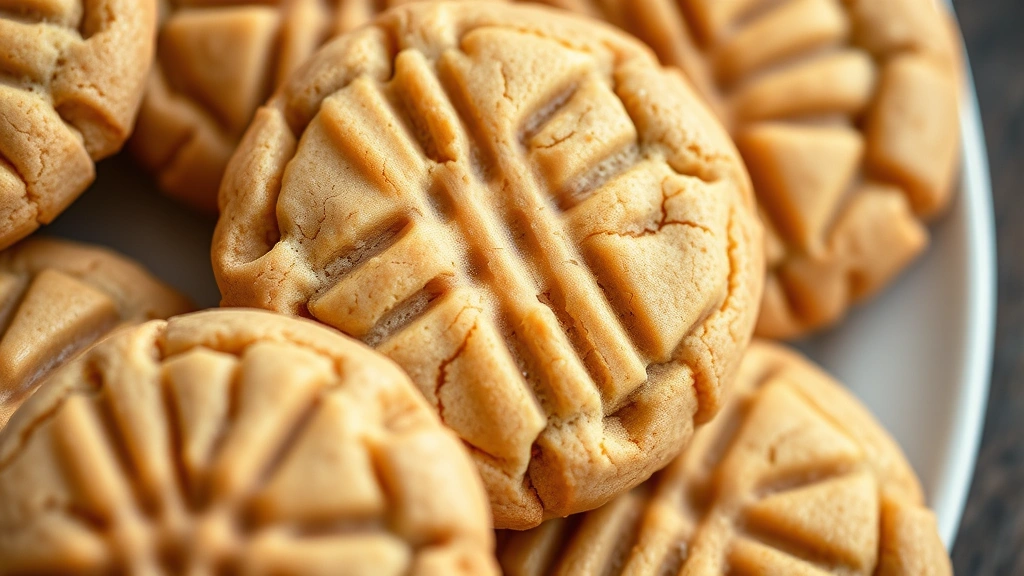
- Gently press each cookie with the tines of a fork, creating the classic cross-hatch pattern. This isn’t just decorative—it helps the cookies bake more evenly.
- Bake for 10-12 minutes, until the edges are golden brown but the centers still appear slightly underdone. This is the critical moment for achieving chewiness.
- Remove from the oven and let cookies cool on the baking sheet for 5 minutes before transferring to a wire rack. This resting period allows them to firm up slightly while maintaining their chewy center.
- Cool completely before storing or serving. The cookies will continue to set as they cool.
This recipe yields approximately 24-30 cookies, depending on size. Following these fashion style principles of precision and attention to detail will ensure consistent, beautiful results every time.
Baking Techniques That Make the Difference
Beyond the basic recipe, several advanced techniques separate exceptional bakers from novices:
Temperature Control: Room temperature ingredients mix more smoothly and incorporate air more effectively. Remove your butter, eggs, and peanut butter from the refrigerator 30 minutes before baking. This seemingly small detail significantly impacts the final texture and consistency of your dough.
Oven Accuracy: Invest in an oven thermometer to ensure your oven maintains the correct temperature. Many home ovens run hot or cold, which can dramatically affect baking times and results. A 25-degree difference can mean the difference between perfectly chewy and slightly overdone.
Baking Sheet Rotation: If your oven has hot spots, rotate your baking sheets halfway through baking to ensure even browning. Most home ovens have temperature variations, so this simple step improves consistency.
Cookie Scoops: Using a cookie scoop ensures uniform size, which means all cookies bake at the same rate. This eliminates the frustration of some cookies being overdone while others need more time. Much like understanding types of fashion, consistency in baking produces professional-quality results.
The Touch Test: Rather than relying solely on time, use the touch test to determine doneness. Gently press the center of a cookie with your finger—it should spring back slowly rather than immediately. This indicates the perfect balance of set edges and chewy center.
Cooling Process: Resist the urge to remove cookies immediately from the baking sheet. They’re still cooking from residual heat, and premature removal can cause them to break apart. The 5-minute resting period on the sheet is non-negotiable for maintaining structural integrity.

Flavor Variations and Creative Twists
While classic peanut butter cookies are timeless, exploring flavor variations keeps your baking exciting and interesting:
Chocolate Peanut Butter Fusion: Add 1/2 cup of chocolate chips or chunks to the dough. Alternatively, dip the cooled cookies halfway into melted chocolate for an elegant presentation. This combination offers the best of both worlds—nutty peanut butter with rich chocolate.
Honey-Sweetened Version: Replace 1/4 cup of the white sugar with honey for added moisture and subtle floral notes. Honey enhances the chewy texture while adding depth to the flavor profile.
Cinnamon Spice: Add 1/2 teaspoon of ground cinnamon and 1/4 teaspoon of nutmeg to the dry ingredients. These warm spices complement peanut butter beautifully and add sophistication to this humble cookie.
Sea Salt Topping: Sprinkle a tiny pinch of fleur de sel or other finishing salt on top of each cookie immediately after removing from the oven. The salt enhances sweetness perception and adds a gourmet touch, much like how finding your personal style means adding small, meaningful details that elevate your overall presentation.
Peanut Pieces Variation: Fold in 1/2 cup of chopped roasted peanuts for added crunch and intensified peanut flavor. This variation appeals to those who love texture contrast.
Brown Butter Magic: Brown your butter before creaming for a nutty, complex flavor that elevates the entire cookie. This French technique adds sophistication without complicating the recipe.
Storage and Shelf Life Tips
Proper storage ensures your cookies maintain their chewy texture and delicious flavor for days:
Room Temperature Storage: Keep cooled cookies in an airtight container at room temperature for up to 5 days. Avoid storing in the refrigerator, as cold temperatures can accelerate staling.
Moisture Management: Place a slice of bread in the container with your cookies. The cookies will gradually absorb moisture from the bread, keeping them chewy while the bread becomes hard. Replace the bread slice every couple of days.
Freezing for Long-Term Storage: Baked cookies freeze beautifully for up to 3 months. Place them in a single layer on a baking sheet to freeze solid, then transfer to freezer bags. Thaw at room temperature for 30 minutes before serving.
Dough Freezing: You can also freeze unbaked dough balls for up to 3 months. Bake directly from frozen, adding 1-2 minutes to the baking time. This allows you to enjoy fresh-baked cookies whenever the craving strikes.
Humidity Considerations: In humid climates, cookies may soften faster. Store them with a silica gel packet to maintain crispness at the edges while preserving chewiness in the center. This balance mirrors the approach many take when following fashion influencers—adapting advice to your specific environment and circumstances.
FAQ
Why are my peanut butter cookies spreading too much?
Excessive spreading usually indicates too much butter, insufficient flour, or an oven temperature that’s too low. Ensure your oven is properly preheated and calibrated. You might also try refrigerating the dough for 30 minutes before baking to prevent excessive spreading.
How can I prevent the bottom from burning while keeping the top chewy?
Use parchment paper or silicone baking mats to prevent direct contact with the baking sheet. If the bottoms brown too quickly, place a second baking sheet underneath the first one to insulate and distribute heat more evenly.
Can I use natural peanut butter with separated oil?
Yes, but stir the oil back into the peanut butter before measuring and using. The separated oil is part of the peanut butter’s composition and contributes to the final texture and flavor.
What’s the difference between chewy and cakey cookies?
Cakey cookies have more flour relative to fat and moisture, resulting in a lighter crumb. Chewy cookies have more brown sugar, eggs, and fat, creating a denser, moister texture. Adjusting these ratios allows you to customize your cookies.
How do I get the classic crinkled appearance?
The crinkles form naturally when you press cookies with a fork before baking and as they bake. The baking soda also contributes to this characteristic appearance by creating small cracks as the cookie rises and sets.
Can I make these cookies without eggs?
Eggs provide structure and moisture, so substituting them requires care. Use a flax egg (1 tablespoon ground flaxseed mixed with 3 tablespoons water per egg) or applesauce, though the texture will differ slightly from the original recipe.
Why should I use both brown and white sugar?
Brown sugar adds moisture and molasses flavor, creating chewiness, while white sugar promotes spreading and crispness at the edges. Combining both achieves the ideal balance of chewy centers with slightly crispy edges.
How can I make bigger cookies?
Use a larger cookie scoop or measure 2-3 tablespoons per cookie instead of 1 tablespoon. Increase baking time by 2-3 minutes, watching carefully to achieve the desired doneness. Larger cookies are perfect for fashion trends for women over 50 and other elegant gatherings where impressive presentation matters.
Mastering old fashioned chewy peanut butter cookies is about understanding the science, respecting quality ingredients, and applying consistent technique. These timeless treats deserve the attention and care you’d give to any worthwhile endeavor. Whether you’re baking for yourself, your family, or to share with others, these cookies represent comfort, tradition, and the simple pleasure of homemade goodness. Start with the basic recipe, master the fundamental techniques, then experiment with variations that suit your taste preferences. Soon, you’ll develop the intuition and skill to create perfectly chewy peanut butter cookies every single time, earning yourself the well-deserved title of baker extraordinaire.