
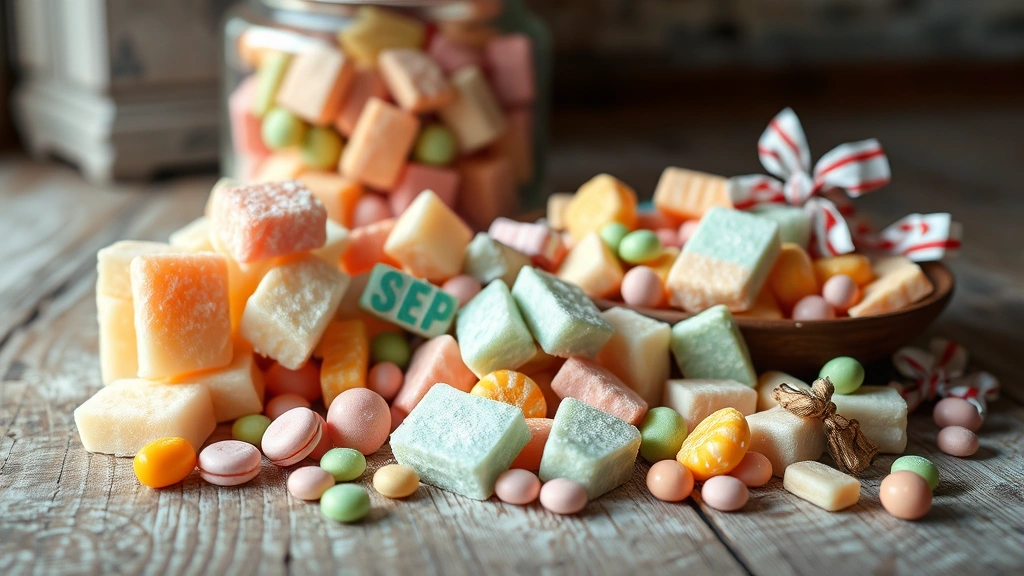
Old Fashioned Candy: Sweet Nostalgia Explored
There’s something undeniably magical about old fashioned candy that transcends mere taste—it’s a sensory journey through time, a edible embodiment of cherished memories and simpler eras. These timeless confections have remained largely unchanged for generations, offering us a tangible connection to our past while providing comfort in our increasingly modern world. The resurgence of vintage candy in contemporary culture speaks to our collective yearning for authenticity and nostalgia, a feeling that resonates deeply across all demographics and age groups.
Much like how we discover our personal style by drawing inspiration from different eras, our relationship with old fashioned candy reflects a broader cultural appreciation for heritage and timelessness. These sweets have become more than just treats—they’re cultural artifacts that tell stories of American tradition, family gatherings, and the simple pleasures that defined childhood for millions. From penny candies to hand-pulled taffies, each confection carries its own narrative and nostalgic weight.
The Golden Age of Candy Making
The nineteenth and early twentieth centuries represented the golden age of American candy manufacturing, a period when innovation met artisanal tradition. Before mass production became the industry standard, candy makers were respected craftspeople who guarded their recipes like precious family heirlooms. The evolution of confectionery mirrors fashion history in many ways—both reflecting cultural values, available resources, and technological capabilities of their respective eras.
During this transformative period, candy stores became social hubs where children pressed their noses against glass cases filled with colorful treasures. Penny candies—so named because they cost just one cent—democratized sweets, making them accessible to everyone regardless of economic status. Taffy pulls became social events, fudge was made in home kitchens with meticulous care, and hard candies were shaped into whimsical forms that delighted the imagination. These weren’t just confections; they were cultural touchstones that marked celebrations, rewarded good behavior, and provided small moments of joy in everyday life.
The craftsmanship evident in vintage candy production represented a commitment to quality that often contrasts sharply with modern mass-market alternatives. Ingredients were simpler—sugar, butter, cream, nuts, and natural flavorings—yet the results were remarkably complex and satisfying. Smithsonian Magazine documents how these candies reflected the agricultural abundance and industrial capabilities of their time, serving as edible records of American progress and ingenuity.
Iconic Old Fashioned Candy Varieties
The pantheon of classic candies includes varieties that have achieved almost mythical status in popular culture. Saltwater taffy, with its chewy texture and rainbow of flavors, evokes images of boardwalk vacations and seaside nostalgia. Originally created in Atlantic City in the 1880s, this candy became synonymous with coastal Americana and remains virtually unchanged in composition and production method. The pulling and wrapping process remains largely manual, ensuring that each piece carries the fingerprints of human craftsmanship.
Penny candies encompass an entire category of affordable sweets that shaped childhood experiences across generations. Wax bottles filled with sweet liquid, candy buttons on paper strips, and miniature chocolate bars offered maximum enjoyment for minimal investment. These items weren’t luxury goods—they were democratic treats that every child could afford with their weekly allowance or pocket change. The variety was staggering: licorice twists, root beer barrels, butterscotch discs, and lemon drops each offered distinct flavor profiles and textural experiences.
Homemade confections like fudge, taffy, and divinity represent the domestic candy-making traditions that connected generations through shared recipes and techniques. Families gathered in kitchens to create these treats, with mothers teaching daughters the precise temperatures and timing required for perfect results. The cultural significance of tradition shines through in these culinary practices, much like how fashion heritage shapes contemporary style.
Hard candies and lollipops represent another cornerstone of vintage confectionery. Cinnamon sticks, butterscotch discs, and hand-pulled lollipops in shapes ranging from simple rounds to elaborate animal forms demonstrated the artistry possible within candy making. Root beer barrels, now experiencing a revival among candy enthusiasts, offered concentrated flavor in miniature packages. These candies required skill to create—the sugar had to reach precise temperatures, be pulled and folded to achieve desired textures, and shaped while still malleable.
Licorice products deserve special mention as they’ve maintained consistent popularity despite changing tastes. Licorice twists, red vines, and black licorice ropes represent distinct flavor profiles and textural experiences. Some varieties were medicinal in origin, marketed as remedies before regulations changed the candy industry. The complexity of licorice—simultaneously sweet, slightly bitter, and aromatic—appeals to sophisticated palates and has earned it a permanent place in vintage candy collections.
The Craftsmanship Behind Classic Confections
Creating authentic old fashioned candy requires knowledge, precision, and respect for traditional techniques that have been refined over centuries. The candy maker’s art involves understanding sugar chemistry, temperature control, and timing with almost scientific precision. Each type of candy demands specific conditions: hard candies require sugar to reach the crack stage (around 300-310°F), while taffy needs a lower temperature to remain pliable for pulling and shaping.
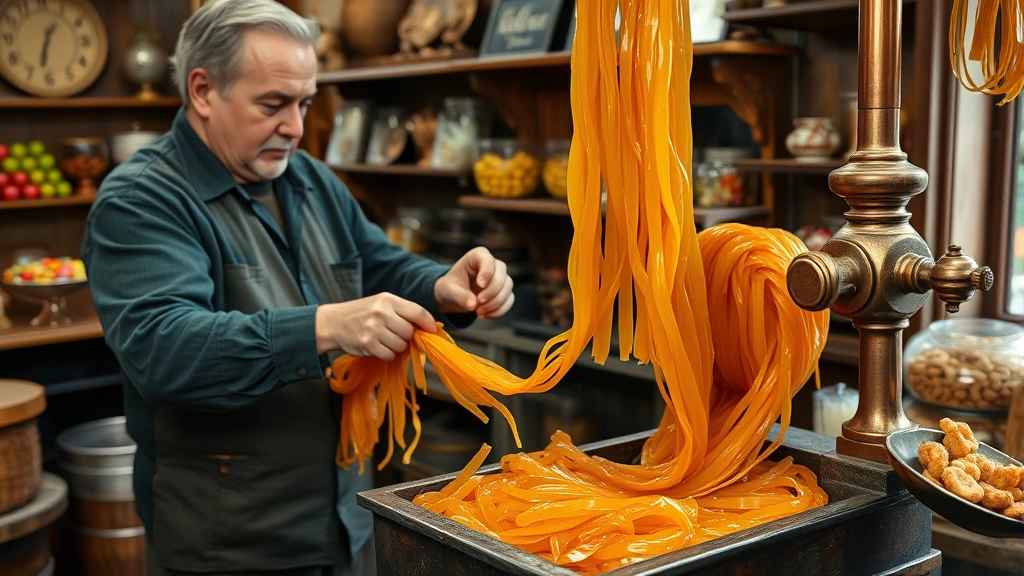
The process of making saltwater taffy exemplifies the labor-intensive nature of traditional candy production. After cooking the sugar mixture to precise specifications, it must be cooled slightly, then repeatedly pulled and folded to incorporate air and achieve the characteristic chewy texture. This pulling process, historically performed by hand or with mechanical pulling machines, requires strength and timing. The taffy must be pulled enough times to develop proper texture but not so much that it becomes too stiff to work with. Once the pulling is complete, the taffy is cut into individual pieces and wrapped by hand—a process that demands both speed and precision.
Fudge production represents another deeply technical craft. The sugar, butter, and cream mixture must be heated to exactly the right temperature, then cooled to precisely the correct point before beating to induce crystallization. Too much beating creates grainy fudge; too little results in a mixture that won’t set properly. Experienced candy makers develop an almost intuitive sense for these processes, reading subtle visual and tactile cues that indicate proper doneness. The addition of vanilla, nuts, or other flavorings must occur at exactly the right moment to ensure proper distribution and prevent interference with crystallization.
Modern candy makers who preserve these traditional methods often become small-scale manufacturers, running operations that prioritize quality over quantity. These artisans frequently source premium ingredients—real butter instead of vegetable shortening, pure vanilla instead of synthetic flavorings, and quality chocolate for dipping and coating. Their commitment to authenticity mirrors the dedication of fashion designers to their craft, proving that excellence requires both knowledge and passion.
Nostalgia as a Modern Trend
The contemporary resurgence of old fashioned candy reflects broader cultural trends that value authenticity, sustainability, and emotional connection in an increasingly digital world. As consumers become more conscious of ingredient quality and manufacturing practices, vintage candy—with its simpler formulations and transparent production methods—appeals to those seeking alternatives to modern mass-market confections. This trend connects to the 90s nostalgia revival in fashion and other retro cultural movements that celebrate heritage and reject disposability.
Social media has amplified the appeal of old fashioned candy, with Instagram and TikTok users sharing photographs of colorful assortments and videos of candy-making processes. Candy subscription boxes featuring vintage varieties have become popular gifts, allowing people to experience sweets from different regions and eras. Specialty candy shops have emerged in urban centers, creating curated experiences around vintage confections and attracting customers who view candy shopping as an experiential activity rather than a simple transaction.
The wellness and clean-label movement has paradoxically increased interest in old fashioned candy, as consumers recognize that these simpler formulations often contain fewer artificial additives than modern alternatives. While not necessarily healthier in caloric or sugar content, vintage candies appeal to those seeking “real” ingredients and transparent manufacturing. This preference reflects broader consumer values around authenticity that extend across food, fashion, and lifestyle categories.
Nostalgia marketing has become increasingly sophisticated, with brands and retailers recognizing the emotional power of vintage candy. Limited-edition releases of discontinued candies generate excitement and media coverage. Retro candy assortments are marketed not merely as sweets but as gateways to cherished memories and simpler times. This emotional dimension transforms candy from a simple snack into a vehicle for meaning and connection—much like how fashion choices communicate identity and personal values.
Where to Find Authentic Vintage Candy Today
For those seeking genuine old fashioned candy experiences, numerous resources exist across both physical and digital landscapes. Specialty candy shops in historic districts often maintain inventory of traditional varieties, frequently sourced from small-batch manufacturers who continue using heritage recipes and methods. These establishments often employ staff with deep knowledge of candy history and production, transforming shopping into an educational experience.
Online retailers have democratized access to vintage candy, allowing enthusiasts to source specific varieties regardless of geographic location. Websites dedicated to retro confections curate selections from manufacturers worldwide, offering everything from British boiled sweets to German gummies to Japanese hard candies. Many of these retailers provide detailed product histories and flavor descriptions, helping customers make informed selections.
Farmers markets and craft fairs frequently feature artisanal candy makers who produce confections using traditional methods. These venues offer opportunities to purchase directly from makers, ask questions about ingredients and techniques, and support small businesses committed to preserving candy-making traditions. The personal connection between maker and customer adds another layer of meaning to the purchase experience.
Candy museums and historic sites dedicated to confectionery production provide immersive experiences that contextualize vintage candy within broader cultural and historical narratives. The American Candy Museum and similar institutions document the evolution of candy manufacturing and celebrate the artisans who shaped this industry. These venues often feature working demonstrations, allowing visitors to witness candy-making processes firsthand.
The Psychology of Sweet Memories
The connection between old fashioned candy and nostalgia operates on multiple psychological levels, engaging sensory memory, emotional response, and social bonding simultaneously. Taste and smell, processed by the olfactory bulb directly connected to the limbic system, trigger more immediate and intense emotional responses than other senses. A single taste of a vintage candy can instantaneously transport a person to childhood, evoking specific memories, people, and emotions with remarkable clarity.
Nostalgia itself serves important psychological functions, providing comfort during times of stress or uncertainty. The familiar flavors and textures of old fashioned candy offer a sense of stability and continuity in a rapidly changing world. Psychologists recognize nostalgia as a complex emotion that combines longing, warmth, and often bittersweet reflection—emotions that vintage candy effectively evokes through its authentic connection to the past.
The social dimensions of candy consumption further amplify its psychological significance. Sharing old fashioned candy varieties with friends and family creates bonding experiences and facilitates storytelling. Grandparents introducing grandchildren to candies they enjoyed in their own youth creates intergenerational connections and transmits cultural knowledge. These shared experiences reinforce family identity and create memories that will themselves become nostalgic touchstones for future generations.
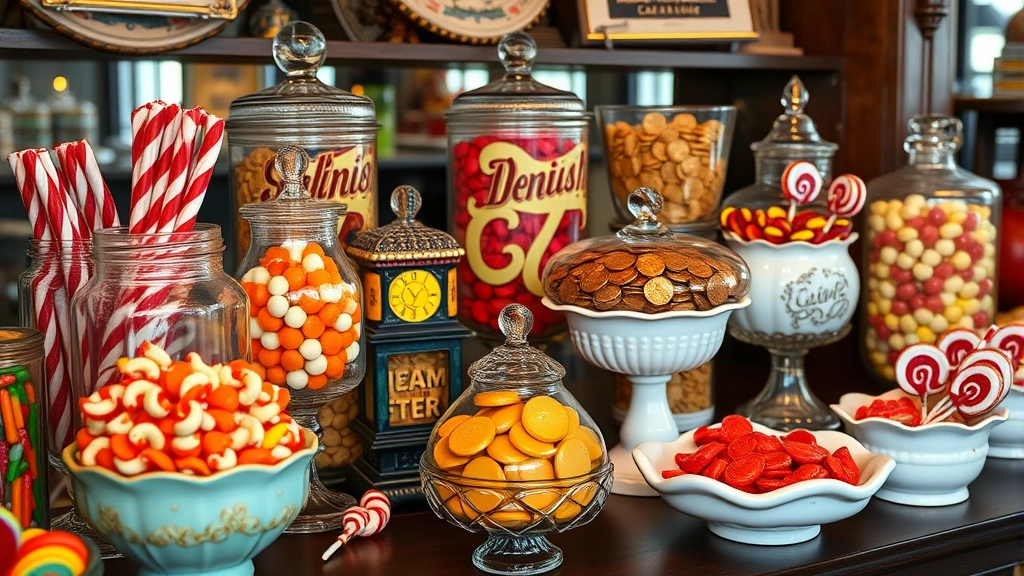
Marketing and retail environments deliberately leverage the psychological power of nostalgia, designing spaces and packaging that evoke particular eras. Vintage candy displayed in authentic containers or presented in retro-styled shops enhances the nostalgic experience. This environmental context signals that the consumer is engaging with something historically authentic rather than merely purchasing a commodity, elevating the transaction into a more meaningful experience.
The concept of sentimental consumption—purchasing items primarily for their emotional rather than functional value—increasingly characterizes candy purchasing decisions. Consumers may buy old fashioned candy not primarily for consumption but as collectible items, gifts carrying emotional significance, or components of nostalgic experiences. This psychological dimension explains why vintage candy commands premium prices compared to functionally equivalent modern alternatives.
FAQ
What exactly qualifies as old fashioned candy?
Old fashioned candy typically refers to confections produced using traditional recipes and methods, often originating before the mid-twentieth century. These candies are characterized by simpler ingredient lists, often featuring sugar, butter, cream, nuts, and natural flavorings rather than artificial additives. The category includes varieties like saltwater taffy, penny candies, hard candies, licorice, and homemade confections like fudge and divinity.
Are old fashioned candies actually healthier than modern alternatives?
While old fashioned candies typically contain fewer artificial additives and preservatives than mass-market modern candies, they are not necessarily lower in sugar or calories. The primary health distinction lies in ingredient quality and simplicity rather than nutritional content. Consumers attracted to vintage candy often prioritize ingredient transparency and manufacturing authenticity over strict nutritional metrics.
Where can I learn to make traditional candies at home?
Numerous resources exist for home candy makers, including cookbooks dedicated to vintage confectionery techniques, online tutorials, and workshops offered by artisanal candy makers. Serious Eats and similar culinary websites provide detailed recipes with scientific explanations of candy-making chemistry. Local cooking schools and community centers sometimes offer candy-making classes that teach traditional techniques.
Why has old fashioned candy experienced a resurgence in popularity?
The revival reflects multiple converging trends including consumer interest in authenticity, clean-label products, and sustainable practices. Social media has amplified the appeal by enabling sharing of nostalgic content and candy-making videos. Additionally, the wellness movement has prompted consumers to scrutinize ingredient lists, making simpler formulations increasingly attractive.
Are there specific regions known for particular vintage candy varieties?
Absolutely. Saltwater taffy is strongly associated with Atlantic City and coastal regions. New England is known for molasses-based candies and salt water taffy variations. The Midwest produced distinctive varieties of hard candies and licorice products. Regional variations reflect local ingredient availability and cultural preferences that persisted through generations.
How should old fashioned candy be stored to maintain freshness?
Storage requirements vary by candy type. Hard candies remain stable for extended periods in cool, dry conditions. Taffy and chewy candies should be wrapped individually to prevent sticking and stored in airtight containers. Fudge and other soft candies require refrigeration in many cases. Proper storage extends shelf life and preserves the sensory qualities that make vintage candy special.