
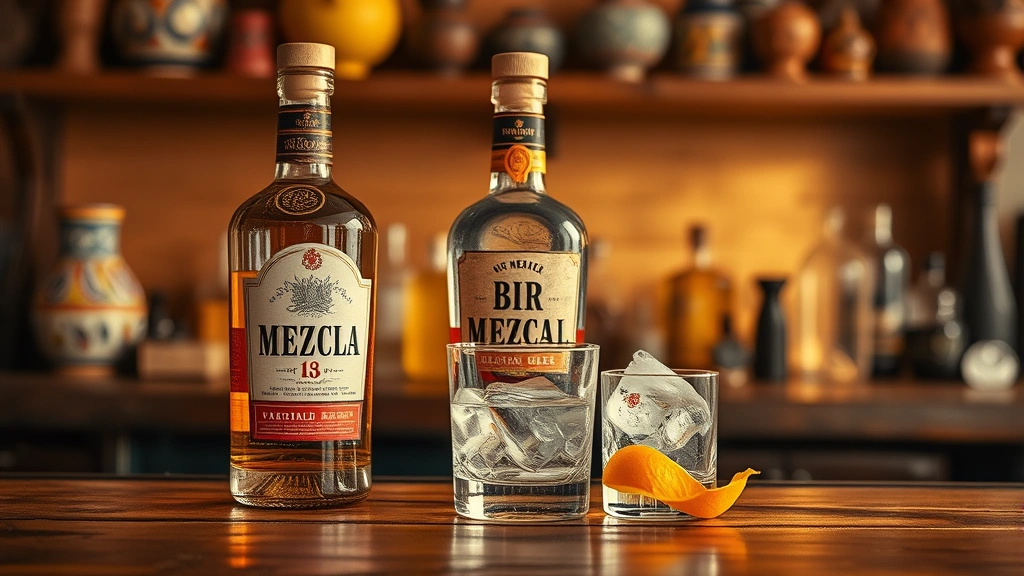
Oaxacan Old Fashioned: Bartender’s Secret Recipe
The Oaxacan Old Fashioned represents far more than a simple cocktail—it’s a sophisticated fusion of Mexican heritage and classic mixology that has captivated bartenders and style-conscious drinkers worldwide. This elevated take on the timeless Old Fashioned showcases the artistry of bartending culture and the refined aesthetic of contemporary cocktail lounges. When you understand the nuances of this drink, you’re not just learning a recipe; you’re discovering how to embody the cosmopolitan elegance that defines modern entertaining.
The beauty of the Oaxacan Old Fashioned lies in its balance between tradition and innovation. By incorporating mezcal—a smoky, complex spirit from Oaxaca, Mexico—bartenders have reimagined the classic whiskey-based cocktail into something distinctly contemporary yet deeply rooted in cultural authenticity. This drink has become a signature in upscale bars across major cities, attracting those who appreciate sophisticated beverage culture and desire to serve impressive drinks at home.
Whether you’re hosting an intimate dinner party or simply wish to elevate your home bar experience, mastering the Oaxacan Old Fashioned demonstrates a refined palate and attention to detail. This comprehensive guide reveals professional bartender secrets, premium ingredient selections, and styling techniques that transform your cocktail service into an art form.
History and Origins of the Oaxacan Old Fashioned
The classic Old Fashioned emerged in Louisville, Kentucky during the 1880s at the Pendennis Club, crafted by bartender James E. Pepper. This iconic cocktail became the gold standard for whiskey-based drinks, beloved for its simplicity and sophistication. However, the modern mixology movement has sparked creative reinterpretations worldwide, with bartenders seeking to honor tradition while reflecting contemporary global flavors.
The Oaxacan Old Fashioned represents this evolution perfectly. As bartenders increasingly explored Mexican spirits, mezcal gained prominence in craft cocktail bars. Mezcal’s complex flavor profile—characterized by smoky, earthy, and sometimes fruity notes—provided an intriguing alternative to whiskey. The transition from bourbon to mezcal wasn’t simply about substitution; it represented a philosophical shift toward celebrating indigenous Mexican craftsmanship and agricultural traditions.
Oaxaca, the southernmost region of Mexico’s central highlands, has produced mezcal for centuries using traditional methods passed down through generations. When innovative bartenders began featuring mezcal in classic cocktails, the Oaxacan Old Fashioned emerged as a natural progression. This drink acknowledges both the original Old Fashioned’s structural elegance and mezcal’s distinctive character, creating something entirely new while respecting both traditions.
The drink gained significant momentum during the 2010s craft cocktail renaissance, appearing on menus at prestigious establishments like those featured in Vogue’s guide to exceptional cocktail destinations. Today, it represents the intersection of culinary artistry and cultural appreciation, appealing to sophisticated drinkers who value authenticity and complexity.
Selecting Premium Mezcal
Understanding mezcal quality directly impacts your Oaxacan Old Fashioned’s success. Unlike tequila, which comes exclusively from the blue agave plant in specific Mexican regions, mezcal can be produced from various agave species across designated mezcal-producing areas. This diversity creates tremendous variation in flavor profiles, making selection crucial.
Mezcal Categories: Mezcal Blanco (unaged) offers vibrant, fresh agave characteristics with prominent smoke notes—ideal for showcasing the spirit’s authentic essence. Mezcal Reposado ages in wood for 2-12 months, developing subtle vanilla and oak undertones while maintaining mezcal’s distinctive smokiness. Mezcal Añejo, aged longer than one year, presents deeper complexity and mellower profiles, though typically reserved for sipping neat.
For the Oaxacan Old Fashioned, bartenders predominantly favor Mezcal Blanco or Reposado. Blanco provides unapologetic mezcal character that cuts through other ingredients, while Reposado offers sophistication through subtle wood influences. Select brands with authentic Denominación de Origen (DO) certification, indicating genuine Oaxacan production following traditional methods.
Premium options include Clase Azul Mezcal, renowned for artisanal production and distinctive ceramic bottles, and Del Maguey Single Village Mezcal, celebrated for terroir-driven expressions from specific Oaxacan villages. These selections demonstrate commitment to quality and will noticeably elevate your cocktail. The smoke intensity varies significantly between producers—experiment to discover your preference, as some prefer aggressive smoke while others appreciate more subtle integration.
When shopping, examine the bottle’s label for production details. Authentic mezcal displays the producer’s name, village of origin, and agave species used. This transparency indicates serious craftsmanship. Avoid mass-produced options that prioritize marketing over quality; your Oaxacan Old Fashioned deserves mezcal that respects traditional production methods.
The Authentic Bartender’s Recipe
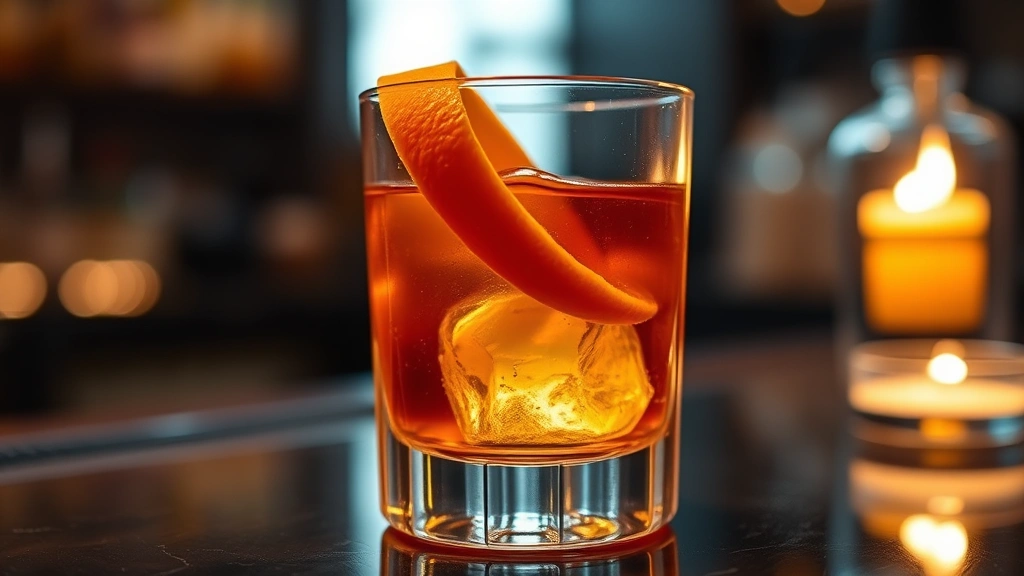
Professional bartenders follow precise measurements and techniques to ensure consistency and excellence. Here’s the secret recipe used in acclaimed cocktail bars:
Ingredients:
- 2 ounces premium mezcal (Blanco or Reposado)
- 1 teaspoon agave nectar or Mexican piloncillo syrup
- 2-3 dashes Angostura bitters
- 1 dash orange bitters
- Large ice cube or several smaller cubes
- Orange peel for garnish
- Optional: mezcal-soaked cherry for added sophistication
Preparation Method: Begin by chilling your glass—either a rocks glass or coupe, depending on your aesthetic preference. Add the ice to your mixing glass, then pour the mezcal over it. Add the agave nectar or piloncillo syrup, which provides subtle sweetness without overpowering the mezcal’s complexity. Pour both bitters over the mixture.
The mixing technique matters tremendously. Stir continuously for approximately 30 seconds, allowing the ice to gradually chill the liquid while diluting it slightly—this dilution is essential for proper balance. Strain into your prepared glass with fresh ice. Express the orange peel’s oils over the drink’s surface by twisting it, then drop it into the glass as garnish.
This recipe balances mezcal’s smokiness with subtle sweetness and aromatic bitters complexity. The agave nectar choice honors mezcal’s agricultural roots, while the bitters add depth and sophistication. Unlike whiskey-based Old Fashioneds, this version celebrates mezcal as the star ingredient rather than merely substituting it.
Timing is critical—prepare immediately before serving to ensure optimal temperature and flavor integration. This attention to detail distinguishes casual cocktail preparation from professional-quality service, much like how understanding different fashion style categories elevates your personal presentation.
Mastering the Mixing Technique
The difference between an adequate Oaxacan Old Fashioned and an exceptional one often lies in technique rather than ingredients. Professional bartenders develop specific skills that significantly impact the final product.
The Stir Method: Proper stirring technique requires using a bar spoon with a long handle and weighted bowl. Hold the mixing glass at a slight angle, inserting the spoon and rotating it continuously along the glass’s interior. This motion chills the mixture efficiently while creating minimal dilution—you want precise control over how much water enters the drink.
Temperature management proves critical. Your mixing glass should be pre-chilled, and your ice should be as cold as possible. Some professional bartenders use ice from a dedicated freezer set lower than standard refrigerators, ensuring optimal coldness. This attention to detail creates noticeably smoother, better-integrated cocktails.
The Dilution Balance: Bartenders recognize that dilution isn’t a flaw—it’s essential. Proper dilution opens up flavors, reduces alcohol’s harshness, and creates a more refined drinking experience. The goal is approximately 15-20% dilution by volume. Experienced bartenders judge this by watching the outside of the mixing glass frost, indicating proper temperature and dilution.
Strain technique also matters. Use a julep strainer if stirring in a mixing glass, or a Hawthorne strainer with a mixing tin. Proper straining prevents ice chips from entering the final drink, maintaining clarity and preventing unwanted dilution from melting fragments.
Practice these techniques consistently. Like developing your personal style through intentional choices, cocktail mastery develops through deliberate practice and attention to detail.
Premium Ingredients That Matter
Beyond mezcal, ingredient quality dramatically affects your Oaxacan Old Fashioned’s final character. Professional bartenders source each component deliberately.
Bitters Selection: Angostura bitters represent the standard, but explore alternatives. Regan’s Orange Bitters add citrus complexity without overwhelming the drink. Some innovative bartenders create house-made bitters infused with Oaxacan spices—cinnamon, Mexican oregano, or ancho chiles—creating unique flavor signatures. These personalized touches transform your cocktail from standard to signature.
Sweetening Agents: While simple syrup works adequately, agave nectar or Mexican piloncillo syrup (made from unrefined cane sugar) provides authentic flavor alignment. Piloncillo’s caramel notes complement mezcal’s smokiness beautifully. Some bartenders create agave syrup infusions with vanilla beans or Mexican spices, adding subtle complexity without obvious sweetness.
Ice Quality: This often-overlooked element significantly impacts the final drink. Clear ice melts slower than cloudy ice, maintaining proper temperature longer and preventing over-dilution. Many upscale bars use specialized ice makers producing crystal-clear blocks. At home, freeze distilled water in specific molds for superior results.
Garnish Excellence: Use fresh, organic oranges when possible, selecting fruits with fragrant peel oils. Express the oils immediately before serving—this releases aromatic compounds that enhance the drinking experience. Some bartenders flame the peel over the drink, briefly heating it to release additional volatile aromatics. This theatrical touch also demonstrates care and craftsmanship.
Consider adding a mezcal-soaked cherry as an alternative garnish. Soak premium cherries in mezcal for several days, creating a sophisticated garnish that provides subtle flavor reinforcement and visual elegance.
Presentation and Styling
The Oaxacan Old Fashioned’s presentation significantly influences the drinking experience. Visual appeal and aesthetic considerations matter as much as flavor.
Glassware Selection: Traditional rocks glasses (also called lowball glasses) provide the classic presentation. However, innovative bartenders explore alternatives. Coupe glasses offer sophisticated elegance, while custom-designed vessels can reflect Oaxacan artisanal traditions. Your glassware choice communicates your aesthetic sensibility, similar to how clothing selections express personal style.
Color and Clarity: The Oaxacan Old Fashioned’s warm amber hue, enhanced by mezcal’s subtle golden tones, creates visual warmth. Ensure your glassware highlights this color beautifully. Crystal glasses with clean lines provide sophisticated presentation, while artisanal Mexican glassware celebrates cultural authenticity.
Serving Environment: Present this cocktail in appropriate settings—intimate dinner parties, upscale lounges, or sophisticated home bars. The drink’s complexity and cultural significance warrant respectful presentation. Pair it with ambient lighting that highlights the liquid’s color, such as warm Edison bulbs or candlelight.
Accompanying Elements: Serve alongside small bites that complement mezcal’s profile—candied citrus peel, spiced nuts, or traditional Oaxacan appetizers. This holistic approach to entertaining demonstrates refined taste and attention to guest experience, much like how styling encompasses more than individual pieces but complete presentations.
Consider the table setting’s overall aesthetic. Mexican artisanal ceramics, natural linens, and warm metallic accents create cohesive, sophisticated entertaining environments. Your Oaxacan Old Fashioned becomes part of a larger sensory experience rather than merely a beverage.
Contemporary Variations and Innovations
While the classic recipe provides an excellent foundation, creative bartenders continuously develop innovative variations. Understanding these adaptations allows you to customize the drink to your preferences.
Spiced Variations: Some bartenders incorporate Mexican spice elements—cinnamon sticks, Mexican oregano, or ancho chile powder dusted on the drink’s surface. These additions honor Oaxacan culinary traditions while adding aromatic complexity. A cinnamon stick stirrer replaces the standard bar spoon, becoming both functional tool and elegant garnish.
Herbal Infusions: Mezcal’s botanical nature pairs beautifully with herbs. Bartenders create house-made mezcal infusions with epazote, hoja santa (Mexican pepper leaf), or hierba santa, creating unique flavor signatures. These variations demonstrate creativity while maintaining the drink’s essential character.
Smoky Enhancements: Some bars amplify mezcal’s natural smokiness through smoking techniques. Bartenders smoke the glass with applewood or mesquite before pouring, or smoke the drink itself using special smoking guns. This theatrical presentation enhances the sensory experience and creates memorable moments.
Chocolate Integration: Innovative bartenders occasionally add subtle chocolate elements—a small piece of Mexican chocolate dissolved in the drink or chocolate bitters. This unexpected addition creates complexity without overwhelming mezcal’s profile, appealing to those who appreciate nuanced flavor combinations.
Seasonal Variations: Consider adapting the recipe seasonally. Winter variations might incorporate warm spice elements, while summer versions could feature lighter, fresher herbal additions. This flexibility demonstrates bartending sophistication and responsiveness to seasonal ingredients.
Experimentation is encouraged, but always maintain the drink’s essential balance. The goal remains showcasing mezcal while creating a harmonious, sophisticated cocktail. This philosophy mirrors how fashion evolution respects foundational principles while embracing innovation.
Perfect Serving Occasions
Understanding when to serve the Oaxacan Old Fashioned maximizes its impact and demonstrates sophisticated entertaining knowledge.
Dinner Party Sophistication: Serve as an aperitif before dinner, allowing guests to appreciate its complexity while stimulating appetite. The mezcal’s smokiness pairs exceptionally well with appetizers featuring bold flavors—smoked cheeses, spiced nuts, or charred vegetables.
After-Dinner Elegance: The Oaxacan Old Fashioned also functions beautifully as a digestif following dinner. Its warming qualities and sophisticated profile complement dessert courses, particularly those featuring chocolate, caramel, or Mexican spices. This versatility demonstrates the drink’s refined nature.
Casual Entertaining: Don’t reserve this cocktail exclusively for formal occasions. Serve it at intimate gatherings, casual dinner parties, or weekend entertaining. The drink’s cultural authenticity and interesting story provide excellent conversation starters, elevating casual gatherings into memorable experiences.
Professional Entertaining: If hosting business associates or clients, the Oaxacan Old Fashioned demonstrates cultural awareness and refined taste. Offering a sophisticated, well-crafted cocktail creates positive impressions and sets a tone of professionalism and attention to detail.
Personal Enjoyment: Sometimes the best occasion is simply personal appreciation. Prepare an Oaxacan Old Fashioned for yourself while reading, reflecting, or enjoying quiet moments. This mindful approach to cocktail consumption honors the drink’s complexity and craft.
Consider pairing the Oaxacan Old Fashioned with activities—cigar smoking, conversation, or live music. The drink’s complexity rewards focused attention and leisurely enjoyment rather than rushed consumption. This philosophy aligns with how thoughtful fashion styling requires intentional consideration rather than hasty decisions.
FAQ
What’s the primary difference between an Oaxacan Old Fashioned and a traditional Old Fashioned?
The fundamental difference lies in the spirit base. Traditional Old Fashioneds use whiskey (typically bourbon or rye), while Oaxacan versions feature mezcal. This substitution creates distinctly different flavor profiles—mezcal’s smokiness and complexity replace whiskey’s vanilla and oak notes, resulting in an entirely different drinking experience that celebrates Mexican craftsmanship and ingredients.
Can I use any mezcal, or does the specific type matter significantly?
Mezcal type significantly impacts your cocktail’s character. Blanco mezcal offers vibrant, unapologetic smoke and agave notes, while Reposado provides subtle wood aging complexity. For optimal results, select quality mezcal with authentic Denominación de Origen certification. Budget-friendly options may produce acceptable results, but premium mezcals create noticeably superior drinks that justify the investment.
Should I stir or shake an Oaxacan Old Fashioned?
Professional bartenders consistently stir this cocktail. Stirring maintains the drink’s clarity and allows precise dilution control, while shaking introduces excessive aeration and dilution. The proper technique involves continuous stirring in a chilled mixing glass for approximately 30 seconds before straining into your prepared glass.
What glassware works best for serving?
Traditional rocks glasses (lowball glasses) provide the classic presentation and allow proper ice placement. However, coupes, vintage vessels, or artisanal Mexican glassware also work beautifully. Choose glassware that appeals to your aesthetic sensibility and complements your entertaining style, similar to how clothing choices express personal identity.
How far in advance can I prepare the ingredients?
Prepare the Oaxacan Old Fashioned immediately before serving to ensure optimal temperature and flavor integration. You can pre-chill your glassware, prepare infused syrups or bitters in advance, and have mezcal and garnishes ready, but avoid mixing the drink until the moment of service. This timing ensures the best possible drinking experience.
What foods pair well with the Oaxacan Old Fashioned?
Mezcal’s smokiness pairs beautifully with bold, flavorful foods—charred vegetables, smoked meats, rich cheeses, and spiced preparations. Traditional Oaxacan cuisine, featuring complex moles and regional specialties, creates natural pairings. Also consider chocolate-based desserts, which complement mezcal’s earthy character exceptionally well.
Can I make house-made variations at home?
Absolutely. Create house-made infusions by steeping mezcal with spices, herbs, or other flavorings for several days before straining. Develop custom bitters combining Oaxacan spices with spirits. These personalized touches transform your cocktails into signature creations that reflect your creativity and taste preferences, demonstrating the same intentionality involved in developing professional-quality style.
What’s the ideal serving temperature?
Serve the Oaxacan Old Fashioned well-chilled but not frozen. The proper temperature allows flavors to express themselves while maintaining refreshing qualities. Excessive cold suppresses aromatic compounds and subtle flavor notes, while insufficient chilling compromises the drinking experience. Aim for a temperature around 45-50°F for optimal balance.
Is the Oaxacan Old Fashioned difficult to master for home bartenders?
While mastering professional-quality cocktails requires practice, the Oaxacan Old Fashioned remains relatively accessible for home bartenders. The recipe involves few ingredients, allowing you to focus on technique and ingredient quality. With consistent practice and attention to detail, you’ll develop the skills necessary to create impressive cocktails that rival professional bars.