
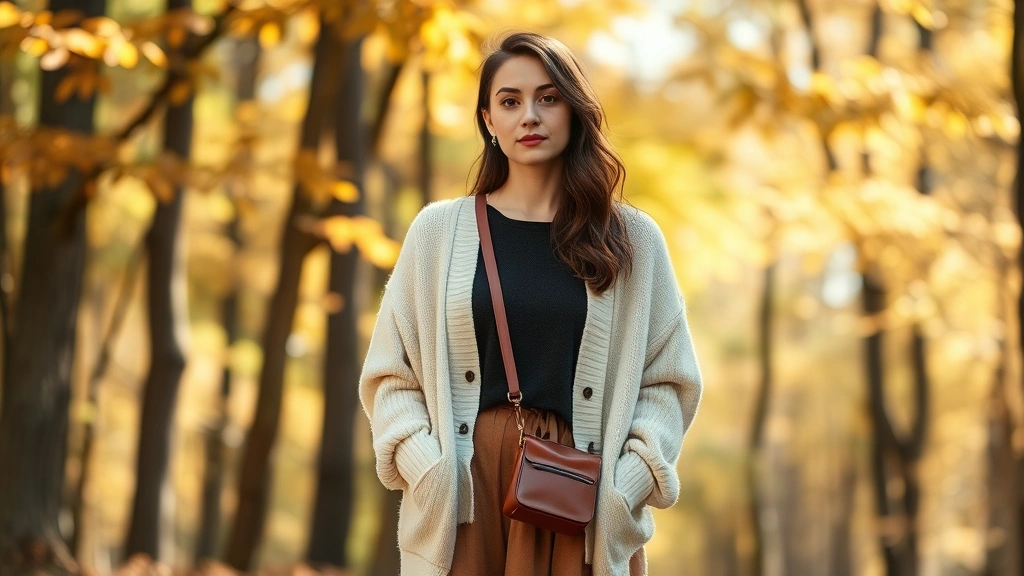
Why Embrace Mori Kei? Expert Insight into Forest Girl Fashion
Mori kei, which translates to “forest girl” in Japanese, represents far more than just a clothing aesthetic—it’s a philosophy of living in harmony with nature, simplicity, and timeless elegance. This enchanting fashion movement has captivated style enthusiasts worldwide, offering a refreshing alternative to fast fashion’s relentless pace. If you’ve been scrolling through fashion feeds and wondering why so many people are embracing oversized cardigans, layered silhouettes, and earthy tones, you’re about to discover the profound reasons behind this aesthetic’s meteoric rise.
The mori kei movement emerged from Japanese street fashion in the early 2000s, evolving from the broader “kawaii” culture but with a distinctly sophisticated twist. Unlike its more playful cousins, mori kei prioritizes natural materials, vintage-inspired pieces, and a sense of whimsical wandering through an imaginary forest. It’s an aesthetic that speaks to those seeking refuge from consumerism’s demands, craving authenticity and environmental consciousness in their wardrobe choices.
This comprehensive guide explores why fashion experts and style influencers are championing mori kei as a transformative approach to personal style. Whether you’re a seasoned fashionista or someone just beginning to explore different aesthetics, understanding mori kei’s appeal will help you determine whether this forest-inspired movement deserves a place in your closet.
Understanding Mori Kei: The Forest Girl Philosophy
At its heart, mori kei is about embracing a lifestyle that prioritizes comfort, authenticity, and a deep connection with nature. The aesthetic draws inspiration from fairy tales, woodland imagery, and the romanticized idea of a girl living peacefully in the forest. This isn’t about actual forest dwelling, but rather cultivating an inner sense of calm and groundedness that manifests through deliberate fashion choices.
The philosophy behind mori kei stands in stark contrast to mainstream fashion trends. Instead of chasing seasonal trends or investing in statement pieces that dominate wardrobes, mori kei advocates for collecting timeless items that withstand the test of time. This approach aligns beautifully with how to find your personal style by encouraging introspection and intentional curation.
Fashion historian and style expert Vogue has documented how Japanese fashion subcultures continuously influence global style movements. Mori kei represents a maturation of kawaii culture, appealing to those seeking sophistication without sacrificing whimsy. The aesthetic values quality over quantity, encouraging wearers to invest in pieces that tell stories and develop character through wear.
Understanding mori kei requires appreciating its psychological dimension. Wearing mori kei clothes creates a psychological shift—you’re not just dressing differently; you’re adopting a mindset of intentionality and mindfulness. Many practitioners report feeling more grounded, creative, and connected to their values when embodying this aesthetic.
The Core Elements That Define the Aesthetic
Mori kei fashion is characterized by specific silhouettes, colors, and materials that create its distinctive look. Understanding these elements is crucial for anyone considering whether this aesthetic aligns with their style preferences.
Silhouettes and Layering: The mori kei silhouette prioritizes comfort and movement. Oversized cardigans, loose-fitting sweaters, and flowing skirts form the foundation of most outfits. Layering is essential—think long-sleeved shirts under short-sleeved dresses, or vests over multiple layers. This approach creates depth and visual interest while maintaining a soft, approachable aesthetic.
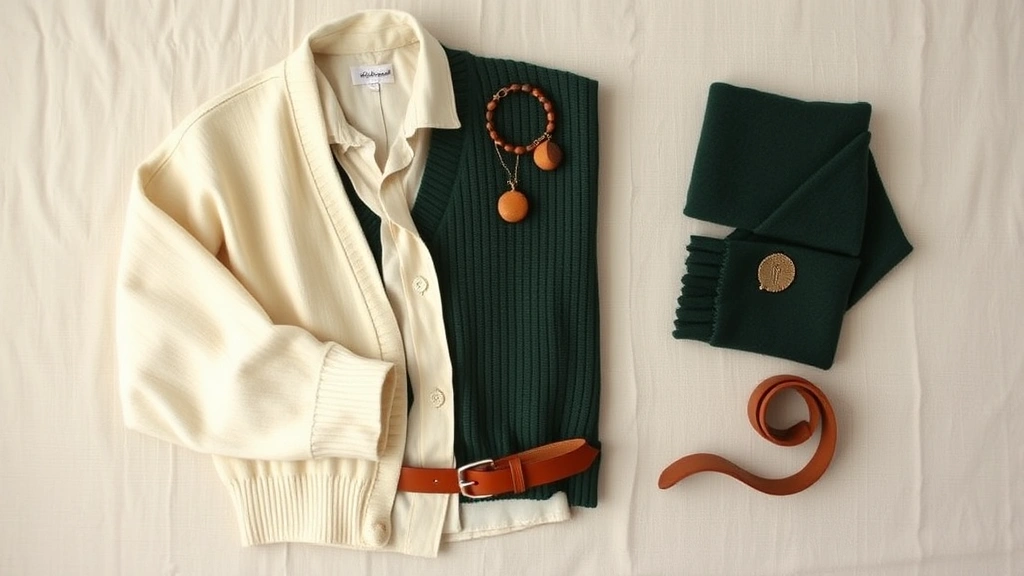
Color Palette: Mori kei embraces earthy, muted tones: forest greens, warm browns, cream, beige, soft grays, and occasionally dusty rose or muted burgundy. These colors evoke the natural world and create a cohesive, harmonious appearance. Bright or neon colors rarely appear in authentic mori kei styling.
Fabrics and Materials: Natural fibers dominate mori kei wardrobes—cotton, linen, wool, and occasionally silk. These materials age beautifully, developing character and patina that synthetic fabrics cannot replicate. The emphasis on natural materials connects directly to the aesthetic’s environmental consciousness.
Accessories and Details: Mori kei styling incorporates vintage-inspired accessories: leather bags, wooden jewelry, vintage brooches, and delicate scarves. Details matter significantly—think lace collars, embroidered hems, and vintage buttons. These elements add personality without overwhelming the aesthetic’s inherent simplicity.
Learning about types of fashion styles helps contextualize mori kei within the broader fashion landscape. While other aesthetics emphasize bold statements or trend-chasing, mori kei remains steadfastly committed to its core values.
Why Fashion Experts Recommend Embracing Mori Kei
Fashion professionals and style consultants increasingly recognize mori kei’s value for several compelling reasons. These expert endorsements aren’t based on fleeting trends but rather on the aesthetic’s fundamental strength and longevity.
Timelessness Over Trends: Fashion experts appreciate that mori kei resists trend cycles. A mori kei outfit from 2005 looks virtually identical to one created today. This timelessness means your wardrobe investments maintain relevance indefinitely, eliminating the stress of constant style updates. According to The Outnet, sustainable fashion choices increasingly emphasize wardrobe longevity over novelty.
Versatility and Wearability: Mori kei pieces mix and match effortlessly. A cream-colored cardigan works equally well in spring, summer, fall, and winter depending on layering choices. This versatility means building a functional wardrobe requires fewer pieces overall, making mori kei economically sensible.
Psychological and Emotional Benefits: Style experts recognize the emotional impact of aesthetic choices. Mori kei’s soft, gentle aesthetic promotes calm and reduces decision fatigue. Wearing coordinated, intentional outfits enhances confidence and creates a sense of personal alignment. This psychological dimension makes mori kei particularly appealing for those experiencing style anxiety.
Inclusivity and Accessibility: Unlike aesthetics requiring specific body types or expensive designer pieces, mori kei welcomes all body shapes and sizes. The emphasis on layering and loose silhouettes means every body type can authentically embody the aesthetic. Additionally, mori kei pieces are often affordable, available through thrift stores, online retailers, and vintage boutiques.
Creative Expression Within Boundaries: Fashion experts value aesthetics that provide structure while allowing creativity. Mori kei’s defined parameters—specific colors, silhouettes, and materials—create a framework that simultaneously constrains and liberates. Within these boundaries, individuals express personality through fabric choices, vintage finds, and styling variations.
Sustainability and Ethical Fashion Appeal
Perhaps the most compelling reason fashion experts champion mori kei relates to its inherent sustainability. This aesthetic naturally aligns with ethical fashion principles and environmental consciousness.
Vintage and Secondhand Emphasis: Mori kei culture celebrates vintage finds and secondhand shopping. Rather than viewing thrifted pieces as inferior, the community treasures them for their history and character. This approach dramatically reduces fashion’s environmental footprint while supporting circular economy principles. The Fashion Institute at NYU has documented how aesthetic communities influence sustainability practices.
Quality Over Quantity: The mori kei philosophy directly opposes fast fashion’s consume-and-discard mentality. By investing in fewer, higher-quality pieces designed to last, practitioners minimize waste and environmental damage. A single well-made wool cardigan worn for years has significantly lower environmental impact than multiple cheap alternatives replaced seasonally.
Natural Material Preference: The aesthetic’s commitment to natural fibers supports sustainable textile production. Natural materials biodegrade, require less chemical processing, and promote healthier manufacturing practices. This preference aligns with growing consumer awareness about fashion’s environmental and human costs.
Minimal Consumption Philosophy: Mori kei practitioners often embrace broader minimalism, recognizing that fewer possessions create greater satisfaction. This mindset shift has profound implications for environmental impact, personal finances, and mental wellbeing. Understanding the complete fashion history timeline reveals how mori kei represents a return to pre-fast-fashion values.
According to Sustainable Fashion Forum, aesthetics emphasizing vintage and natural materials significantly reduce industry waste. Mori kei’s growing popularity contributes meaningfully to this sustainability movement.
Building Your Mori Kei Wardrobe: Practical Tips
If mori kei resonates with your values and style preferences, building an authentic wardrobe requires thoughtful planning. This section provides practical guidance for beginning your mori kei journey.
Start with Foundational Pieces: Begin by acquiring core items: neutral-colored cardigans (cream, brown, forest green), long-sleeved basic shirts, and comfortable, loose-fitting bottoms. These foundation pieces form the basis for countless outfit combinations.
Invest in Quality Knitwear: Sweaters and cardigans are central to mori kei styling. Prioritize natural fiber knitwear from reputable makers. Wool, cotton, and wool-blend pieces develop character through wear and last for decades with proper care.
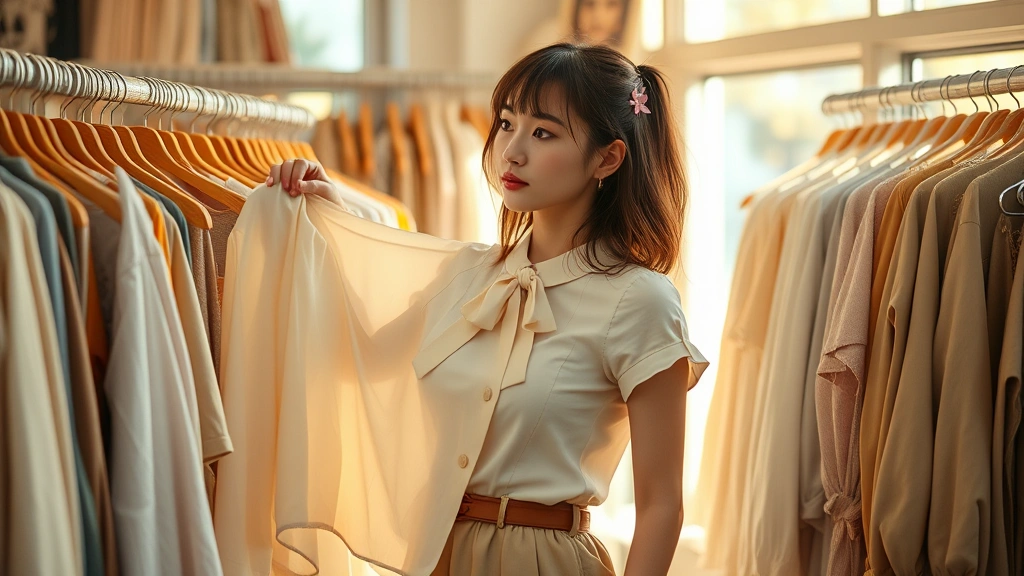
Explore Vintage and Thrift Shopping: Embrace the hunt for vintage treasures. Thrift stores, vintage boutiques, and online platforms like Etsy and Depop offer authentic mori kei pieces at reasonable prices. This approach aligns with the aesthetic’s sustainability values while adding unique character to your wardrobe.
Curate Accessories Intentionally: Rather than accumulating numerous accessories, select pieces with meaning. A vintage leather bag, wooden jewelry, or delicate scarves add personality while maintaining aesthetic coherence. Each accessory should feel intentional and timeless.
Prioritize Comfort: Mori kei fashion should feel comfortable and wearable. Avoid pieces that restrict movement or require constant adjustment. The goal is clothing that supports your daily activities while expressing your aesthetic values.
Exploring StyleLoom Daily Blog provides additional styling inspiration and trend analysis to inform your wardrobe decisions.
Mori Kei in Modern Fashion Culture
Mori kei has evolved from a niche Japanese subculture into a globally recognized aesthetic influencing mainstream fashion. Understanding its current position in fashion culture illuminates why embracing this style remains relevant and meaningful.
Global Adoption and Evolution: While mori kei originated in Japan, practitioners worldwide have adapted it to their local contexts and climates. Scandinavian minimalism has influenced mori kei styling in Northern Europe, while American practitioners incorporate regional vintage aesthetics. This global evolution demonstrates the aesthetic’s flexibility and universal appeal.
Influencer and Creator Impact: Fashion influencers and content creators championing mori kei have significantly expanded its reach. Instagram, TikTok, and YouTube features countless creators documenting their mori kei journeys, thrift hauls, and styling tips. This visibility has introduced the aesthetic to audiences who might never encounter it through traditional fashion channels.
Luxury Brand Recognition: High-fashion designers increasingly incorporate mori kei elements into collections. Soft silhouettes, natural fabrics, and earthy color palettes appear in runway shows and designer collaborations. This mainstream recognition validates mori kei’s aesthetic legitimacy while introducing it to broader audiences.
Community and Connection: One of mori kei’s most valuable aspects is its community. Online forums, Discord servers, and local meetups connect practitioners who share values around sustainability, intentional consumption, and aesthetic appreciation. This sense of belonging appeals particularly to those feeling alienated by mainstream fashion culture.
Intersection with Other Aesthetics: Mori kei increasingly intersects with related aesthetics like cottagecore, dark academia, and vintage maximalism. Rather than competing, these movements cross-pollinate, creating hybrid styles that maintain mori kei’s core values while incorporating new elements. This evolution keeps the aesthetic fresh while honoring its foundational principles.
For those interested in fashion education and professional development, best fashion design schools increasingly teach sustainable design principles that align with mori kei values.
FAQ
What exactly does mori kei mean?
Mori kei translates to “forest girl” in Japanese. It’s an aesthetic philosophy emphasizing harmony with nature, timeless fashion, and intentional living. The term emerged in early 2000s Japan and represents a specific approach to personal style and values.
Is mori kei the same as cottagecore?
While mori kei and cottagecore share similarities—both emphasize natural aesthetics and vintage inspiration—they differ significantly. Mori kei originated in Japan with specific silhouettes and color palettes, while cottagecore draws from European rural traditions. Cottagecore often incorporates more florals and patterns, whereas mori kei maintains a more minimal, layered approach.
Can I embrace mori kei on a budget?
Absolutely. Mori kei actually encourages budget-conscious shopping through thrifting and vintage purchases. Many foundational pieces can be found affordably at secondhand stores. The aesthetic emphasizes quality and longevity over expensive designer labels, making it accessible across various price points.
How do I style mori kei for different seasons?
Mori kei’s layering approach naturally adapts to seasons. In winter, add thick sweaters, wool cardigans, and layered skirts. Summer styling uses lighter fabrics and shorter sleeves while maintaining the characteristic layered silhouette. The color palette remains consistent year-round, ensuring visual coherence across seasons.
Are there specific brands associated with mori kei?
Rather than promoting specific brands, mori kei emphasizes vintage and secondhand shopping. However, some contemporary brands produce mori kei-aligned pieces. Independent designers, Japanese brands, and vintage-inspired retailers often offer appropriate clothing. The focus remains on finding quality pieces that fit the aesthetic rather than logo-conscious consumption.
Is mori kei only for young people?
No. Mori kei’s inclusive approach welcomes practitioners of all ages. The aesthetic’s emphasis on comfort, timelessness, and individual expression appeals across age groups. Many long-time mori kei practitioners have refined their style over decades, demonstrating the aesthetic’s longevity and age-agnostic appeal.
How do I know if mori kei is right for me?
Consider whether you value sustainability, timelessness, and intentional consumption. If you’re drawn to nature-inspired aesthetics, comfortable clothing, and vintage fashion, mori kei likely resonates with you. Experiment with key pieces and observe how they make you feel. Authentic style adoption happens gradually through exploration rather than immediate commitment.

