What’s Hot at Milan Fashion Week 2024? Insider View
Milan Fashion Week 2024 has officially cemented itself as the pinnacle of haute couture innovation and trendsetting brilliance. From the iconic runways of the Duomo to the avant-garde presentations in converted warehouses, this season delivered an electrifying mix of sustainability-forward designs, maximalist aesthetics, and a return to romantic silhouettes that left fashion editors breathless. The Italian capital once again proved why it remains the ultimate arbiter of style, showcasing collections that will undoubtedly influence wardrobes and retail floors worldwide.
As a fashion insider who’s tracked every show, street style moment, and backstage detail, I’m here to break down exactly what dominated the conversation, which designers stole the spotlight, and most importantly, how you can translate these exclusive trends into your personal wardrobe. Whether you’re a fashion enthusiast, a style professional, or simply someone who wants to stay ahead of the curve, this comprehensive guide reveals the must-know insights from Milan’s most talked-about week of the year.
The Dominant Color Palette and Textures
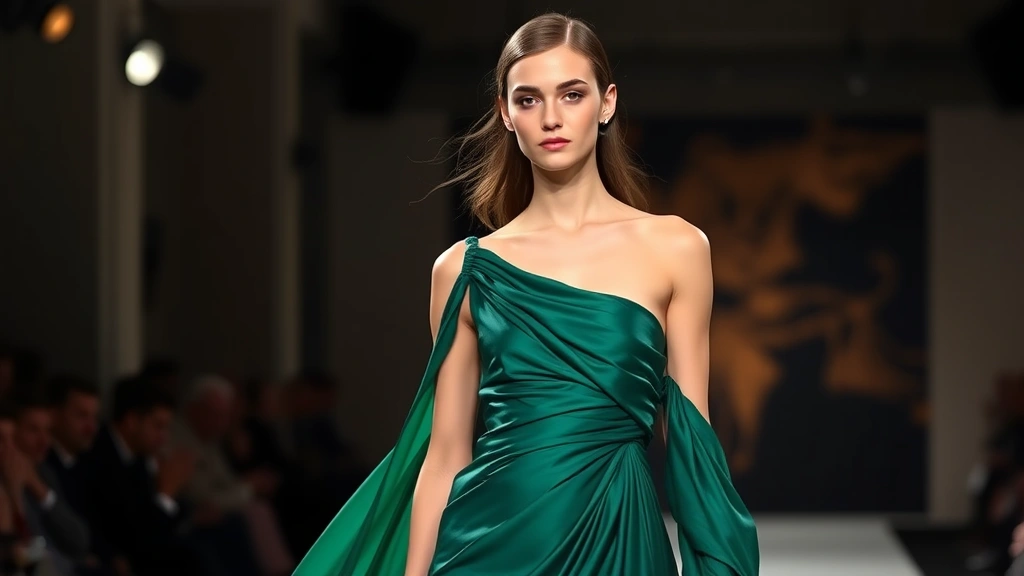
Milan Fashion Week 2024 introduced a surprisingly sophisticated color narrative that departed from previous seasons’ moody tones. Deep chocolate browns, rich emerald greens, and jewel-toned sapphires dominated the runways, creating a sense of luxurious warmth that felt both timeless and decidedly contemporary. These weren’t your typical winter neutrals—they were elevated, intentional, and paired with unexpected metallics that caught the light in mesmerizing ways.
The texture story proved equally compelling. Designers embraced a tactile approach to fashion, incorporating rippling silks, quilted velvets, and innovative technical fabrics that blurred the line between couture and performance wear. One particularly striking trend involved layering translucent materials over opaque bases, creating depth and dimension that photographs couldn’t quite capture. This obsession with texture extended beyond fabrics to surface treatments: embossing, pleating, and strategic ruching appeared on everything from evening gowns to tailored blazers.
Monochromatic dressing reached new heights this season, with designers creating entire looks in single color families but varying the saturation, finish, and texture. A model might wear a chocolate suede coat over a cocoa silk slip dress with bronze-toned boots, creating visual interest through material variety rather than color contrast. This approach demands confidence and an understanding of how different fabrics interact—perfect for anyone looking to elevate their fashion style with sophisticated layering techniques.
Revolutionary Silhouettes Taking Over
Perhaps the most significant silhouette shift at Milan Fashion Week 2024 was the return of the romantic, slightly relaxed fit after seasons of aggressive minimalism and bodycon emphasis. Designers presented flowing, slightly oversized pieces that still maintained structure through innovative seaming and strategic tailoring. This wasn’t about shapelessness—it was about allowing the body to breathe while maintaining visual interest through architectural construction.
The “quiet luxury” movement continued to evolve, but with added drama. Clean lines remained paramount, yet designers incorporated unexpected elements: asymmetrical hems, one-shoulder necklines, and dramatic sleeve treatments that added personality without sacrificing the understated elegance that defines the aesthetic. Several collections featured deconstructed tailoring, where traditional jacket and trouser silhouettes were reimagined with unexpected proportions and irregular closures.
Maxi lengths dominated both day and evening wear, with skirts and dresses extending to the ankle in a nod to timeless elegance. However, these weren’t conservative cuts—many featured slits, sheer panels, or unconventional necklines that prevented them from feeling dated. The juxtaposition of conservative length with bold detailing created a modern tension that resonated throughout the collections. Cropped proportions remained relevant for younger designers and collections targeting younger audiences, but the overall mood favored elongated silhouettes that conveyed sophistication and intentionality.
For those interested in understanding how these silhouettes align with broader fashion movements, exploring the complete fashion history timeline provides valuable context for recognizing cyclical trends in fashion design.
Sustainability Meets Luxury
Milan Fashion Week 2024 marked a definitive moment where sustainability transitioned from niche concern to mainstream luxury requirement. The conversation has evolved beyond token eco-conscious collections; designers now integrate sustainable practices into their core production philosophies. Several major houses announced commitments to carbon-neutral production by 2025, and many showcased collections created entirely from deadstock fabrics, recycled materials, and innovative bio-based textiles.
The most exciting developments involved technological innovations in sustainable fashion. Lab-grown leather alternatives appeared on luxury handbags and footwear, indistinguishable from traditional leather in both appearance and tactile quality. Mycelium-based materials (grown from mushroom roots) were incorporated into structured garments, proving that sustainability doesn’t require aesthetic compromise. One particularly innovative presentation featured a collection created from recycled ocean plastics that had been transformed into lustrous, fluid fabrics suitable for evening wear.
Transparency became a luxury selling point rather than a burden. Brands proudly displayed supply chain information, artisan credits, and environmental impact metrics alongside their collections. This shift reflects a fundamental change in how luxury consumers define value—increasingly, the story behind a garment matters as much as its aesthetic qualities. Younger designers, in particular, leveraged sustainability as a core brand narrative, using it to differentiate themselves in an oversaturated market.
The intersection of sustainability and men’s winter fashion proved particularly interesting, with tailored coats and knitwear crafted from innovative sustainable materials that maintain the weight, drape, and durability expected from premium menswear.
Standout Designer Moments
Several designers dominated the conversation at Milan Fashion Week 2024, each bringing distinct perspectives to the season’s overarching themes. One particularly celebrated collection featured a marriage of traditional Italian craftsmanship with contemporary digital design processes, resulting in garments that felt both handmade and futuristic. The designer worked with local artisans to create custom fabrics using traditional techniques, then employed 3D printing for structural elements and embellishments—a fascinating blend of old and new.
Another standout moment came from a designer’s exploration of gender-neutral silhouettes in luxury fashion. Rather than simply creating unisex pieces, this collection challenged fundamental assumptions about how different body types should be dressed. The result was a series of garments designed to flatter through proportion and structure rather than through gendered tailoring conventions. Models of various body types, ages, and presentations wore identical pieces, demonstrating their versatility and universal appeal.
A third designer garnered significant attention for a collection that directly addressed contemporary anxieties about technology and authenticity. The collection featured AI-generated patterns paired with entirely handmade garments, creating a conceptual dialogue about human creativity versus artificial intelligence. While the premise might sound gimmicky, the execution was thoughtful and the resulting pieces were genuinely beautiful—proving that conceptual fashion can transcend its intellectual framework to achieve aesthetic merit.
Several emerging designers also made significant impressions, particularly those from non-traditional fashion backgrounds who brought fresh perspectives to luxury design. A former architect presented a collection of sculptural pieces that challenged conventional notions of wearability, while a textile artist created a line of garments that functioned as wearable art installations. These boundary-pushing presentations reminded the fashion world that innovation often comes from unexpected sources.
Accessories That Defined the Season
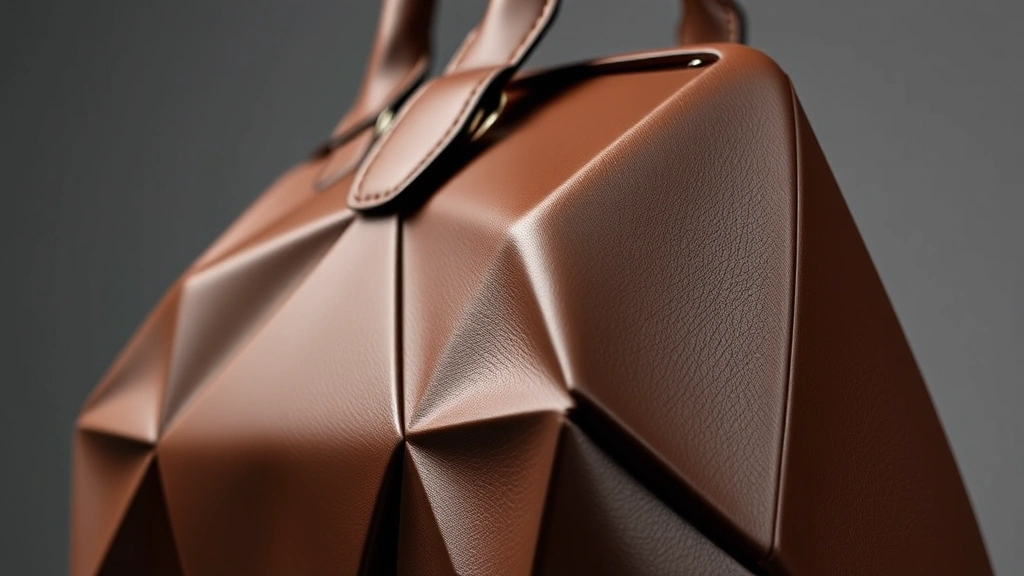
While clothing commanded attention, accessories truly defined the Milan Fashion Week 2024 aesthetic. Handbags shifted toward sculptural, architectural shapes that functioned as statement pieces rather than utilitarian carriers. Designers experimented with unexpected materials—resin, recycled metals, and even paper composites—creating bags that were simultaneously luxurious and conceptually interesting. The “it bag” of the season featured an exaggerated geometric shape, available in rich jewel tones and innovative textures that caught light dynamically.
Footwear took equally bold directions. While sleek, minimalist shoes remained relevant, the season favored statement boots and sculptural heels that prioritized visual impact. Chunky soles reached new heights (literally and figuratively), with some boots featuring soles that extended several inches beyond the heel. Surprisingly, these proportionally extreme pieces felt modern rather than clownish, largely due to their integration into cohesive styling narratives. Ballet flats experienced a revival, presented not as delicate dance footwear but as bold fashion statements in unexpected colors and materials.
Jewelry evolved toward maximalist expression, with designers creating pieces that functioned as sculptures. Oversized earrings, statement necklaces, and bold rings dominated the accessories landscape, often featuring asymmetrical designs and unexpected material combinations. Vintage and upcycled jewelry appeared alongside new designs, reflecting the season’s broader sustainability consciousness. Layering jewelry became an art form, with models wearing multiple necklaces, stacked rings, and coordinating earrings that created visual impact without appearing chaotic.
Belts experienced an unexpected revival, reimagined as structural elements rather than simple waist cinchers. Wide belts in contrasting colors or textures appeared over dresses and coats, fundamentally altering silhouettes and creating visual interest. Some designers created belts from unexpected materials—transparent acrylic, quilted fabric, or sculptural metal—transforming this traditional accessory into a statement-making element.
Street Style Trends from Milan
Beyond the official runways, Milan’s streets provided an equally valuable fashion education. Street style at Milan Fashion Week 2024 reflected the season’s overarching themes while showcasing how fashion editors, stylists, and industry professionals interpret trends for real-world application. The most prevalent trend involved mixing high and low fashion seamlessly—luxury pieces styled with accessible basics in ways that felt intentional rather than accidental.
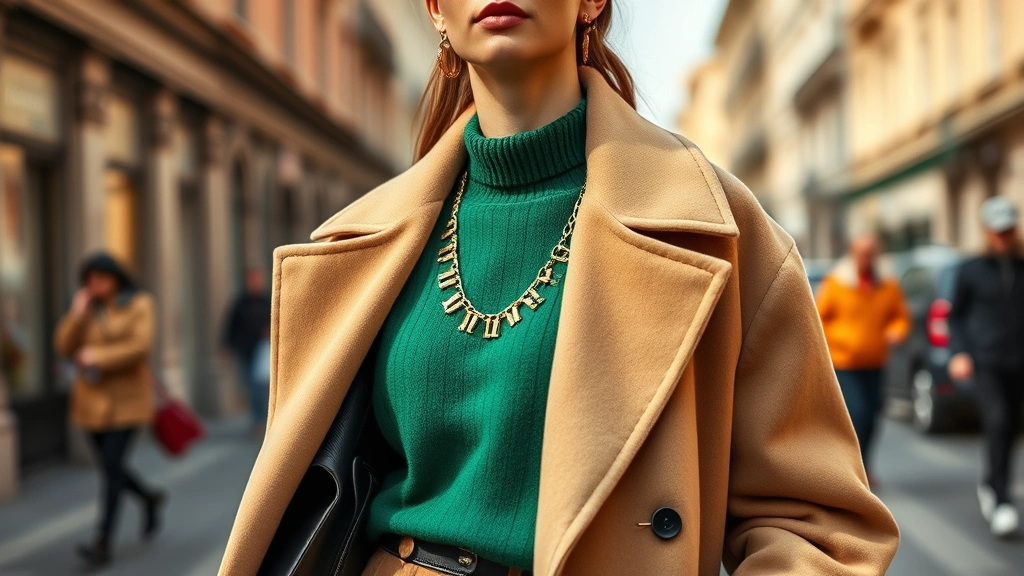
Neutral color palettes dominated street style, but with unexpected pops of color that felt carefully considered rather than random. A perfectly styled editor might wear an all-beige outfit interrupted by a single emerald green accessory, or neutrals topped with a rich jewel-toned coat. This restraint and intentionality reflected a maturation in how fashion professionals approach personal style, moving away from obvious trends toward more sophisticated, individualized expression.
The “quiet luxury” aesthetic permeated street style, with an emphasis on quality fabrics, impeccable tailoring, and understated elegance. However, this didn’t mean boring—editors incorporated unexpected elements like dramatic sunglasses, bold footwear, or statement jewelry that elevated their outfits beyond simple minimalism. The key seemed to be restraint paired with strategic boldness, creating looks that felt both effortless and intentional.
Vintage and contemporary pieces appeared alongside each other naturally, suggesting that fashion professionals increasingly view style as a personal curation project rather than a strict adherence to current trends. A 1990s vintage blazer might be paired with 2024 contemporary pieces, creating a timeline-spanning aesthetic that felt fresh and individualized. This approach aligns perfectly with the broader fashion movement toward how to find your personal style rather than simply adopting whatever the industry prescribes.
Men’s Fashion Highlights
Milan Fashion Week 2024 proved that men’s fashion is experiencing its own renaissance, with designers pushing boundaries and challenging traditional masculinity in fashion. The color palette for men’s wear mirrored the overall season’s emphasis on jewel tones and rich neutrals, but with particular attention to how these colors interact with traditionally masculine silhouettes. Emerald green, sapphire blue, and chocolate brown appeared on tailored suiting, proving that color sophistication need not compromise masculinity.
Tailoring reached new levels of sophistication, with designers experimenting with unexpected proportions and innovative construction techniques. Oversized blazers and slightly relaxed trousers dominated, creating a silhouette that felt contemporary without abandoning the structured elegance that defines luxury menswear. Several designers incorporated unexpected details—asymmetrical closures, dramatic sleeve treatments, and unconventional necklines—that added personality while maintaining the understated quality essential to high-end men’s fashion.
The exploration of gender-neutral design particularly impacted men’s fashion, with several collections featuring silhouettes and details traditionally associated with womenswear. Skirts, dresses, and flowing fabrics appeared on men’s runways, presented matter-of-factly as legitimate fashion options rather than provocative statements. This normalization of diverse expressions of masculinity through fashion reflects broader cultural shifts and suggests that the future of luxury menswear embraces fluidity and individual expression.
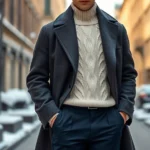
Knitwear emerged as a particularly important category, with designers creating sophisticated sweaters and cardigans that functioned as statement pieces rather than basics. Texture, color, and innovative construction elevated knitwear to prominence, particularly relevant for anyone interested in understanding current trends in men’s winter fashion. Oversized fits, interesting stitch patterns, and unexpected color combinations created visual interest while maintaining the comfort and wearability essential to contemporary menswear.
FAQ
What were the biggest color trends at Milan Fashion Week 2024?
The dominant colors included deep chocolate browns, emerald greens, sapphire blues, and rich jewel tones. Metallic accents in bronze and gold appeared frequently, while traditional neutrals took on new sophistication through unexpected material combinations and textures. Monochromatic dressing in various shades within single color families was particularly prominent.
How can I incorporate Milan Fashion Week trends into my everyday wardrobe?
Start by investing in pieces in the season’s key colors—a chocolate brown coat or emerald green sweater provides a foundation. Focus on quality fabrics and tailoring rather than trend-specific silhouettes, as these elements have greater longevity. Incorporate statement accessories, experiment with texture layering, and don’t be afraid to mix unexpected proportions. Remember that the most wearable trend is understanding your personal style and adapting trends to suit your lifestyle.
Which designers dominated Milan Fashion Week 2024?
Several established luxury houses presented exceptional collections, while emerging designers from diverse backgrounds brought fresh perspectives to the conversation. The most celebrated presentations balanced innovation with wearability, incorporating sustainability, technological advancement, and conceptual depth. For current designer information and detailed coverage, check Vogue‘s comprehensive Milan coverage.
Was sustainability really a focus at Milan Fashion Week 2024?
Absolutely. Sustainability transitioned from niche concern to mainstream requirement, with major designers announcing carbon-neutral production commitments and showcasing collections from innovative sustainable materials. Lab-grown leather, mycelium-based textiles, and recycled ocean plastics appeared alongside traditional luxury materials, proving that sustainability and luxury aesthetics need not be compromised.
How do Milan Fashion Week trends influence retail and consumer fashion?
Milan Fashion Week serves as the industry’s primary trend-forecasting event, directly influencing what retailers will stock, what designers will create for upcoming seasons, and ultimately what consumers will see available for purchase. The trends showcased in Milan typically reach mainstream retail within 3-6 months, though high-end pieces may appear immediately. Understanding these trends helps consumers make informed purchasing decisions aligned with broader fashion movements.
What’s the significance of gender-neutral fashion at Milan Fashion Week 2024?
The increased focus on gender-neutral design reflects evolving perspectives on fashion, identity, and individual expression. Rather than prescriptive gendered silhouettes, designers created pieces designed to flatter diverse body types and presentations through proportion and structure. This democratization of fashion suggests future trends will continue moving toward inclusivity and personal choice over conventional categories.