Best Casual Men’s Fashion? Expert Insights on Effortless Style
Casual men’s fashion has undergone a remarkable transformation over the past decade. What was once considered a simple uniform of jeans and a t-shirt has evolved into a sophisticated art form that balances comfort with intentional style. Today’s casual menswear celebrates versatility, quality basics, and the confidence to mix unexpected pieces together. Whether you’re navigating the modern workplace, weekend outings, or social gatherings, understanding the fundamentals of casual fashion can elevate your everyday appearance and boost your self-assurance.
The beauty of casual menswear lies in its accessibility and adaptability. Unlike formal fashion that follows rigid rules, casual wear allows for personal expression while maintaining a polished appearance. Expert stylists and fashion influencers consistently emphasize that great casual style isn’t about expensive designer labels—it’s about understanding proportions, color theory, fabric quality, and how pieces work together to create cohesive outfits that reflect your personality and lifestyle.

Understanding the Foundation of Casual Menswear
The foundation of excellent casual menswear begins with understanding your lifestyle and environment. According to Vogue’s menswear editors, the most successful casual dressers start by assessing their daily activities, climate, and the culture of their communities. A software engineer working from home has vastly different casual needs than a creative professional in a metropolitan setting. However, certain universal principles apply across all casual contexts.
Quality should be your primary investment criterion. Fast fashion might seem economical initially, but garments that pill, fade, or lose their shape after a few washes ultimately cost more money and frustration. Focus on natural fibers like cotton, linen, and wool blends that develop character over time and feel increasingly comfortable with wear. The latest fashion insights from StyleLoom emphasize that investing in fewer, higher-quality basics creates a more sustainable and versatile wardrobe.
Casual menswear philosophy centers on the concept of “dressed down elegance.” This means taking traditionally formal or semi-formal pieces and recontextualizing them in relaxed settings. A crisp Oxford cloth button-down shirt becomes casual when paired with well-fitting jeans and clean sneakers. Understanding this principle allows you to create sophisticated casual outfits that feel effortless rather than overly constructed.

Essential Pieces Every Man Should Own
Building a functional casual wardrobe requires strategic investment in versatile basics that work across multiple seasons and occasions. These foundational pieces serve as the backbone for countless outfit combinations.
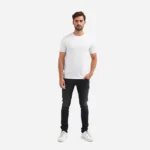
White and gray t-shirts are non-negotiable staples. A perfectly fitting white tee is arguably the most versatile piece in any man’s closet. Look for t-shirts with substantial weight that don’t show every detail underneath and maintain their shape after repeated washing. Gray offers similar versatility while being slightly more forgiving with stains and wear patterns.
Dark denim jeans represent the cornerstone of casual menswear. Invest in at least two pairs in classic dark indigo—one slightly more structured for dressier occasions and one with a more relaxed fit for weekend wear. The comprehensive guide to fashion types explains how denim’s cultural significance in menswear makes it an essential investment. Avoid excessively distressed or trendy washes that date quickly.
Oxford cloth button-down shirts in white, light blue, and neutral tones provide layering options and can be dressed up or down depending on context. The texture of Oxford cloth adds visual interest while remaining appropriately casual. Roll up the sleeves for an even more relaxed appearance.
Neutral sweaters and crew necks in navy, gray, and cream offer warmth while maintaining versatility. A quality wool or cotton-blend sweater elevates casual outfits and works across seasons depending on weight and fiber content.
Chinos in multiple colors (navy, khaki, olive, gray) expand your casual options beyond denim while maintaining a relaxed aesthetic. Chinos work beautifully in business-casual settings and pair well with nearly everything in your closet.
Color Palettes and Styling Strategies
Mastering color coordination transforms casual outfits from ordinary to exceptional. Rather than randomly combining colors, successful casual dressers build around a cohesive palette.
The neutral foundation approach starts with a base of whites, grays, blacks, and navy pieces. These colors are infinitely mixable and create a sophisticated, intentional appearance. From this neutral foundation, introduce secondary colors that complement your skin tone and personal preferences. Warm undertones look stunning in olive, camel, rust, and burgundy, while cool undertones shine in navy, gray, and jewel tones.
Understanding color temperature matters significantly. Warm colors (reds, oranges, yellows, earth tones) feel approachable and energetic, while cool colors (blues, greens, purples) project calm and sophistication. Mixing warm and cool tones creates visual interest, but maintaining some coherence prevents your outfit from feeling chaotic.
The 80/20 rule serves many casual dressers well: keep 80% of your outfit in neutral, understated colors and use the remaining 20% for color or pattern expression. This approach ensures that bold choices enhance rather than overwhelm your appearance.
Consider developing a personal unique style that reflects your personality through strategic color choices. If you naturally gravitate toward warm tones, build your casual wardrobe around camel, rust, and olive rather than fighting your instincts. Authenticity in style choices always reads as more confident and intentional.
Fit and Proportions: The Game Changers
Fit determines whether an outfit looks expensive and intentional or sloppy and careless. This single factor matters more than brand names or price tags.
Shoulder seams should sit at your actual shoulder point, not drooping down your arms or pulling tight across your shoulders. This is the most important measurement in any garment and determines whether everything else looks right.
Sleeve length for t-shirts and casual shirts should hit between your wrist and the base of your thumb when arms hang naturally. Sleeves that are too long make you appear smaller, while sleeves that are too short look awkward and unfinished.
Shirt length matters for both tucked and untucked wear. Casual shirts should hit approximately mid-hip, allowing you to tuck them in without excess fabric bunching. If wearing untucked, the hem should cover your rear completely without extending past mid-thigh.
Pant length should create a slight break at your ankle—just enough fabric to graze your shoe without bunching or dragging. Too-short pants expose your socks awkwardly, while too-long pants create sloppy silhouettes. This detail is worth getting tailored correctly.
Waist fit should feel comfortable without excess fabric gathering at the sides or front. You should be able to fit one finger comfortably inside the waistband when fastened. Overly tight pants restrict movement and look desperate, while loose pants hide your shape and appear unintentional.
According to fashion industry experts, proportional balance creates visual harmony. If you’re wearing a relaxed, oversized top, pair it with fitted bottoms. Conversely, if your pants are slim or tapered, a slightly looser shirt prevents your outfit from appearing too tight and rigid. This interplay between fitted and relaxed pieces is what separates carefully considered casual style from accidental combinations.
Layering Techniques for Dimension
Layering transforms simple casual outfits into visually interesting ensembles while providing practical temperature regulation. Strategic layering creates depth and sophistication that elevates your appearance.
The three-layer system works beautifully for transitional seasons and casual settings. Start with a fitted base layer (t-shirt or long-sleeve tee), add a mid-layer (lightweight sweater, overshirt, or lightweight jacket), and finish with an outer layer (jacket, overshirt, or cardigan). This creates interesting texture combinations while maintaining proportion.
Color layering deserves careful consideration. Monochromatic layering (different shades of the same color) creates a sleek, elongated silhouette. Complementary color layering (colors that sit opposite on the color wheel) creates visual pop without appearing chaotic. Analogous color layering (colors that sit adjacent on the color wheel) feels harmonious and intentional.
Texture mixing prevents outfits from appearing flat. Combine smooth cotton with textured wool, or pair a crisp Oxford shirt with a soft sweater. These contrasts create visual interest that makes your outfit memorable and sophisticated.
Visible layering (intentionally showing multiple layers) requires confidence but creates exceptional casual looks. A t-shirt under an unbuttoned Oxford shirt, or a long-sleeve shirt under a short-sleeve tee, demonstrates intentional styling when executed correctly. The key is ensuring that each visible layer contributes to the overall aesthetic rather than appearing accidental.
Footwear Selection and Impact
Shoes fundamentally influence how your entire casual outfit reads. The right footwear can elevate a basic outfit to exceptional, while poor shoe choices undermine even carefully coordinated pieces.
White leather sneakers are the most versatile casual shoe choice. They work with nearly every casual outfit, from jeans and t-shirts to chinos and button-downs. Invest in a quality pair with clean lines—brands that prioritize craftsmanship over logo prominence age more gracefully and maintain style relevance longer.
Canvas sneakers in neutral colors offer a more relaxed alternative to leather. They work beautifully with casual outfits and feel appropriate for weekend activities while remaining polished enough for casual social settings.
Desert boots and chukkas bridge the gap between casual and smart-casual. These mid-height boots work beautifully with chinos and casual trousers while maintaining a relaxed vibe. Suede versions feel particularly soft and approachable in casual contexts.
Loafers offer versatility that extends from casual to business-casual settings. Leather loafers in neutral tones work with chinos and casual trousers, while suede versions feel more relaxed and appropriate for weekend wear.
Boat shoes remain timeless casual options that work particularly well in warm weather or vacation settings. They pair beautifully with shorts and lightweight pants while maintaining sophistication.
Footwear cleanliness matters enormously. Scuffed, dirty, or worn-out shoes immediately undermine your overall appearance regardless of how carefully you’ve coordinated everything else. Regular cleaning and maintenance demonstrate respect for your appearance and attention to detail.
Accessories That Elevate Your Look
Thoughtfully chosen accessories transform basic casual outfits into polished, intentional ensembles. These finishing details communicate that you’ve considered your appearance rather than grabbing whatever was nearest.
Watches serve as both functional and stylistic elements. A quality watch in a neutral metal (stainless steel or gold) works across countless outfits. Leather straps coordinate beautifully with warm-toned outfits, while metal bracelets work universally. The watch face should be proportional to your wrist size—oversized watches can overwhelm smaller frames.
Belts should coordinate with your shoes when possible. A brown leather belt works with brown shoes and warm-toned outfits, while black or dark leather complements darker outfits. Avoid novelty belts with large buckles that draw excessive attention in casual settings.
Bags in casual settings should balance functionality with style. A quality backpack, messenger bag, or tote in leather or canvas works beautifully with casual outfits. Choose neutral colors that coordinate with your typical outfit combinations.
Hats add personality and weather protection. Baseball caps, beanies, and bucket hats all work in casual contexts when coordinated thoughtfully. Ensure hat colors complement your outfit rather than clashing with your color palette.
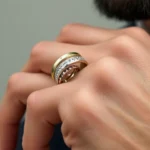
Jewelry should be minimal in casual contexts. A simple chain, bracelet, or ring can add interest without appearing overdone. Silver and gold should be used intentionally—avoid mixing metals unless you’re confident in coordinating them.
The key to accessorizing casual outfits is restraint. Each accessory should serve a purpose and enhance your overall appearance rather than competing for attention.
Building Your Signature Style
The most stylish casual dressers have developed a recognizable personal aesthetic that feels authentically theirs. This signature style emerges from understanding your preferences, lifestyle, and body type, then building intentionally around these factors.
Identify your style preferences by examining outfits that make you feel confident. Do you gravitate toward minimalist aesthetics or more textured, layered looks? Do you prefer classic pieces or trend-forward selections? Are you drawn to bold colors or neutral palettes? Your honest answers reveal your authentic style direction.
Consider your lifestyle demands when building your wardrobe. A creative professional can experiment with bolder colors and unexpected combinations, while someone in a conservative industry benefits from a more neutral, understated palette. Your clothes should work for your actual life rather than the life you imagine having.
Understand your body type and proportions. Certain silhouettes and fits will consistently make you feel more confident. Rather than forcing yourself into trendy styles that don’t complement your frame, build your wardrobe around pieces that enhance your natural proportions.
The evolution of casual menswear throughout history shows that sustainable style comes from understanding timeless principles rather than chasing temporary trends. Develop a personal uniform of pieces that work beautifully together, then introduce subtle variations and seasonal updates.
Invest in quality over quantity. Fewer well-made pieces that you actually wear create a more functional and satisfying wardrobe than numerous poorly made items. A closet with thirty pieces you love beats one with one hundred pieces you tolerate.
Develop confidence in your choices. The most stylish casual dressers wear their clothes with conviction. Whether you’re wearing basics or experimenting with color, wearing your outfit confidently makes it work. Self-doubt reads as insecurity, while assurance makes even unconventional choices appear intentional.
Fashion experts from GQ Magazine consistently emphasize that modern casual menswear celebrates individual expression within a framework of quality, proportion, and intentionality. Your casual style should reflect who you are while demonstrating respect for yourself through thoughtful choices and attention to detail.
FAQ
What makes casual menswear different from smart-casual?
Casual menswear prioritizes comfort and relaxation, featuring t-shirts, jeans, and sneakers. Smart-casual introduces more structured pieces like button-downs, chinos, and leather shoes while maintaining an approachable vibe. The distinction lies in formality level and polish rather than a hard rule about specific pieces.
How often should I update my casual wardrobe?
Quality basics remain relevant for years, but introducing seasonal updates keeps your style fresh. Add new colors or textures annually, and replace worn pieces as needed. Rather than complete overhauls, strategic additions to your existing foundation maintain continuity while evolving your aesthetic.
Is it acceptable to wear graphic t-shirts in casual settings?
Absolutely. Graphic tees work beautifully in casual contexts when they’re high-quality and not overly loud. Pair them with well-fitting jeans or chinos and clean sneakers for a polished casual look. Avoid graphic tees with offensive content or extremely trendy designs that date quickly.
What’s the best way to start building a casual wardrobe from scratch?
Begin with versatile basics: white and gray t-shirts, dark jeans, a neutral button-down, and clean sneakers. From this foundation, add complementary pieces gradually. Prioritize fit and quality over brand names, and ensure new pieces coordinate with existing items.
Can I wear casual menswear to professional settings?
Yes, when contextualized appropriately. Business-casual environments accept well-fitted jeans, neutral button-downs, and quality shoes. However, always assess your specific workplace culture. When in doubt, err toward more formal pieces rather than overly casual choices.
How do I develop my personal style in casual menswear?
Experiment with colors and silhouettes within your comfort zone. Pay attention to outfits that make you feel confident. Study style inspiration from sources that resonate with you, but ensure your choices reflect your authentic preferences rather than slavishly copying others. Your signature style emerges naturally when you wear what genuinely appeals to you.