1920s Men’s Fashion: Historian Insights into the Roaring Twenties
The 1920s represented one of the most transformative decades in men’s fashion history, marking a decisive break from the rigid Victorian and Edwardian aesthetics that had dominated the previous century. This era, colloquially known as the Roaring Twenties, witnessed an unprecedented flourishing of style innovation, cultural rebellion, and sartorial experimentation among gentlemen across America and Europe. The decade’s menswear reflected broader social upheaval—the aftermath of World War I, the rise of jazz culture, increased leisure time, and a youthful generation eager to challenge established norms.
Historians and fashion scholars recognize the 1920s as a pivotal moment when men’s fashion transitioned from purely formal, restrictive silhouettes toward more relaxed, comfortable, and expressive garments. The influence of this golden age continues to resonate in contemporary style, with modern designers frequently drawing inspiration from the sophisticated simplicity and daring proportions that defined this remarkable period. Understanding the nuances of 1920s menswear provides invaluable insight into how clothing communicates identity, aspiration, and social change.

The Social Context Behind 1920s Fashion
To comprehend mens fashion in the 1920s, one must first understand the seismic social shifts that catalyzed fashion’s evolution during this period. The conclusion of World War I in 1918 left society fundamentally altered. Soldiers returning from the trenches brought with them a profound desire to escape the constraints of their military experience and embrace modernity. The younger generation, having witnessed unprecedented carnage and social disruption, rejected their parents’ values and embraced what they termed the “New Age.”
The economic prosperity of the early 1920s—before the devastating stock market crash of 1929—created unprecedented consumer confidence and disposable income among the middle and upper classes. This economic boom translated directly into fashion consumption, with men of various social standings able to invest in quality garments and experiment with new styles. The rise of department stores, mail-order catalogs, and improved manufacturing techniques democratized fashion, making stylish clothing accessible beyond the aristocratic elite.
Prohibition, enacted in 1920, paradoxically stimulated fashion innovation by creating vibrant underground social scenes. Speakeasies and jazz clubs became temples of style where young men could showcase their sartorial sophistication and cultural rebellion through clothing choices. These venues fostered a culture of conspicuous consumption and fashion-forward thinking that permeated broader society. The influence of entertainment figures—silent film stars, jazz musicians, and theater performers—established new masculine ideals that prioritized style, sophistication, and individualism over the stern, utilitarian aesthetics of previous generations.
Silhouettes and Construction: The New Male Aesthetic
The defining characteristic of 1920s menswear was the dramatic shift toward relaxed silhouettes that prioritized comfort and movement over the restrictive tailoring of the Edwardian era. The previous decade’s emphasis on chest expansion and cinched waists gave way to straighter, more natural lines that celebrated the male form without artifice or exaggeration. This transformation represented a philosophical shift in how masculinity was expressed through clothing.
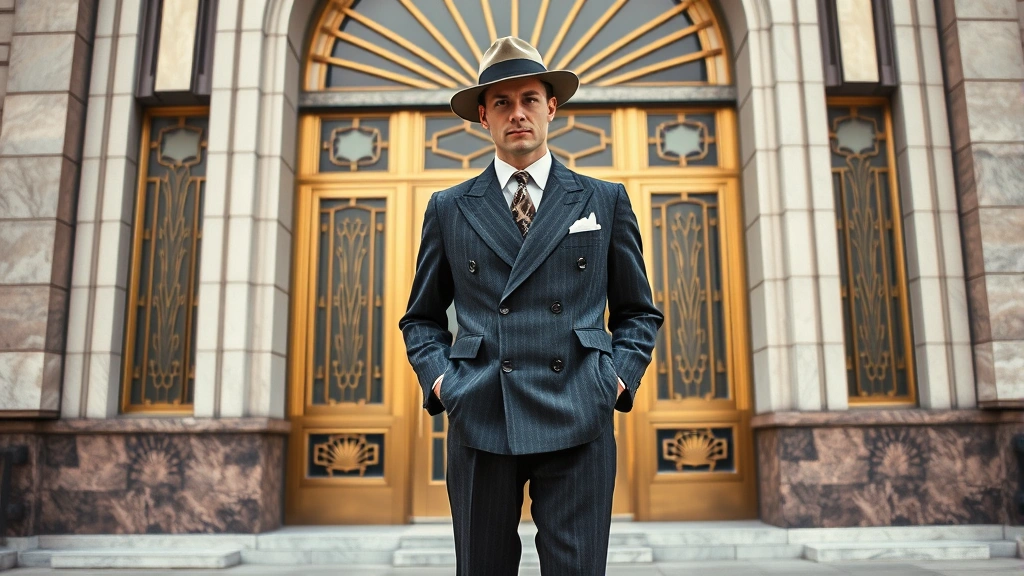
The suit jacket evolved significantly during this period. Shoulders became broader and more squared, though achieved through padding rather than the extreme constructions of previous eras. Lapels widened considerably, and jackets adopted a looser, more boxy silhouette that hung from the shoulders rather than nipping in at the waist. Jacket lengths varied between mid-thigh and knee, with younger men embracing shorter cuts that emphasized their freedom from formal constraints. The double-breasted suit gained considerable popularity, offering a more modern, streamlined appearance compared to the single-breasted styles that had dominated earlier decades.
Trousers underwent equally dramatic transformation. The high-waisted, tapered silhouettes of the 1910s evolved into more voluminous styles featuring wider legs and lower waistbands. The “Oxford bag” represented the extreme expression of this trend, with some examples featuring legs so wide they created dramatic vertical lines and silhouettes that scandalized conservative observers. These fuller trousers were often cuffed, with cuff widths ranging from two to three inches, creating bold horizontal lines that balanced the proportions. The rise of the trouser gradually lowered throughout the decade, eventually settling at more contemporary positions.
This exploration of men’s fashion trends reveals how silhouette changes reflect broader cultural attitudes. The move toward relaxation in tailoring mirrored society’s rejection of rigid formality and embrace of individual expression. Young men used clothing proportions to signal their modernity and rejection of parental authority, making fashion choices inherently political statements during this turbulent decade.
Essential Garments and Key Pieces
Understanding the essential wardrobe components of 1920s gentlemen provides crucial context for appreciating the era’s aesthetic philosophy. The suit remained the cornerstone of respectable masculine dress, but the options available expanded dramatically compared to previous decades. Unlike the limited variations of earlier eras, 1920s men could choose from numerous suit styles, each communicating different social messages and aesthetic preferences.
The lounge suit evolved into the primary business and social wear for middle and upper-class men. These suits featured the relaxed construction discussed previously, offering comfort for the modern businessman while maintaining professional respectability. Daytime business suits typically featured subtle patterns or solid colors in conservative tones, while evening wear embraced more dramatic presentations. The tuxedo and white-tie formal wear remained essential for evening engagements, though even these traditional garments incorporated the decade’s broader design principles regarding relaxed fit and updated proportions.
Sports jackets and blazers emerged as crucial components of the modern gentleman’s wardrobe. These separate jackets could be paired with contrasting trousers, offering unprecedented versatility and allowing men to express personality through mixing and matching. The blazer, particularly in navy or striped patterns, became associated with youthful modernity and leisure activities. This separation of jacket and trouser represented a significant departure from the formality of previous eras and foreshadowed contemporary menswear practices.
Knitted sweaters and cardigans gained tremendous popularity, particularly among younger men and those engaging in sports or leisure activities. The rise of spectator sports—golf, tennis, cricket—created demand for specialized athletic wear that eventually influenced everyday fashion. Argyle patterns, cable knits, and Fair Isle designs became particularly fashionable, introducing texture and visual interest to menswear in unprecedented ways. These garments signaled modernity, youth, and engagement with contemporary leisure culture.
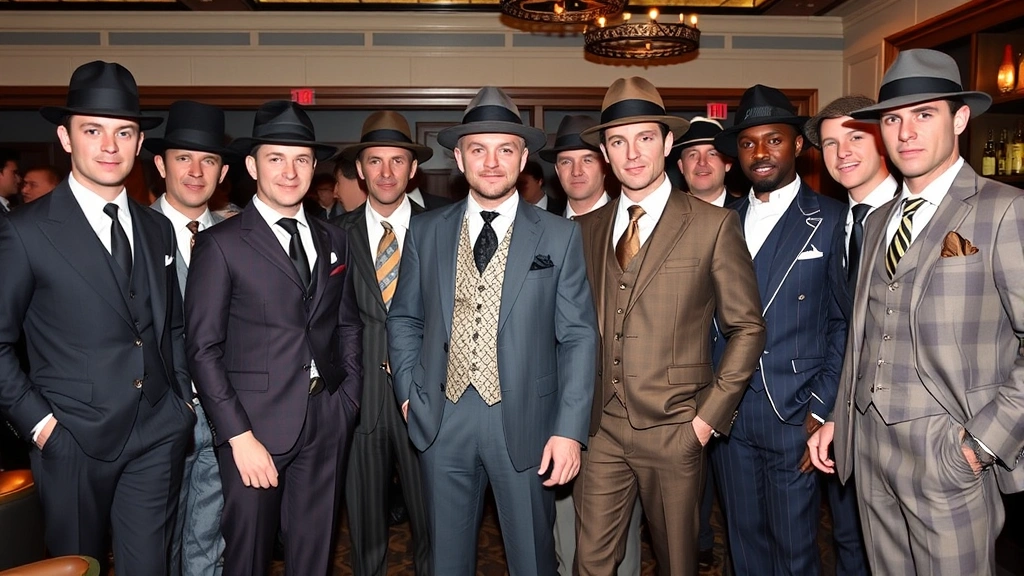
The waistcoat, though declining in formality compared to previous eras, remained an important wardrobe component. Rather than matching suit vests, men increasingly wore contrasting waistcoats in bold patterns, colors, and fabrics. These statements pieces allowed for considerable self-expression while maintaining overall respectability. Patterned waistcoats in checks, stripes, or geometric designs added personality to otherwise conservative suits, serving as the primary outlet for individual style expression within formal dress codes.
Fabrics, Patterns, and Color Palette
The 1920s witnessed remarkable expansion in fabric choices available to menswear consumers, reflecting both technological advances in textile manufacturing and changing aesthetic preferences. Wool remained the primary suiting fabric, but the varieties expanded to include lighter weights suitable for spring and summer wear. Flannel gained considerable popularity for both suits and sports jackets, offering a softer hand and distinctive texture that appealed to fashion-conscious men seeking alternatives to traditional worsteds.
Silk represented the ultimate luxury fiber, appearing in ties, scarves, and occasionally as suiting for evening wear or special occasions. The lustrous quality of silk communicated wealth and sophistication, making silk accessories particularly desirable among aspirational consumers. Linen, though challenging to maintain, appeared in summer suits and shirts, offering breathability and a distinctive crumpled aesthetic that many found appealingly casual and modern.
The color palette of 1920s menswear reflected the decade’s optimistic energy while maintaining enough conservatism to preserve respectability. Neutral tones—grey, brown, navy, and black—dominated serious business wear, but the decade witnessed increasing acceptance of warmer colors and bolder hues. Rust, gold, sage green, and even muted purples appeared in sports jackets and casual wear, representing a marked departure from the restricted color vocabulary of previous eras. The acceptance of color in menswear signaled broader cultural shifts toward individual expression and rejection of rigid conformity.
Patterns experienced significant expansion during this decade. Bold geometric designs, including checks, plaids, and stripes, appeared regularly in suits and sports jackets. Argyle patterns, borrowed from Scottish knitwear traditions, became fashionable in sweaters and occasionally in suiting. Herringbone weaves and other complex textile constructions added visual interest and sophistication to otherwise neutral-colored garments. This embrace of pattern and texture represented a crucial development in menswear, establishing principles that continue to influence contemporary fashion.
The houndstooth pattern achieved particular prominence during the 1920s, appearing in suits, sports jackets, and accessories. This distinctive pattern communicated both tradition and modernity—its historical associations with country wear combined with its fashionable presentation in urban contexts. Similarly, Prince of Wales checks gained popularity, associated with the youthful, style-conscious heir to the British throne whose fashion choices influenced menswear globally.
Accessories and Details That Defined the Era
Accessories achieved unprecedented importance in 1920s menswear, serving as primary vehicles for individual expression within the constraints of formal dress codes. The necktie evolved dramatically during this period, with widths, lengths, and patterns undergoing constant transformation. Ties became considerably wider than their Victorian predecessors, eventually reaching widths of three to four inches. The knot styles changed as well, with the Four-in-Hand knot becoming standardized, though various other techniques remained in use.
Tie patterns reflected the decade’s aesthetic innovations, featuring bold geometric designs, stripes, and occasionally pictorial elements. Silk remained the preferred fabric, though wool ties appeared for winter wear. The length of ties varied considerably, with younger men embracing shorter lengths that terminated at the waistband, while more conservative dressers maintained longer styles. This seemingly minor detail communicated generational affiliations and fashion consciousness to contemporary observers.
Hats remained absolutely essential to respectable masculine dress throughout the 1920s, though styles underwent significant evolution. The fedora achieved its iconic status during this decade, with styles varying from the high, creased crowns of early-twenties examples to the lower, broader-brimmed versions that dominated the latter part of the decade. The homburg, bowler, and straw boater remained in use for specific occasions and social contexts, but the fedora represented the modern, fashion-conscious gentleman’s preferred choice.
Shoes experienced considerable style evolution during the 1920s. The Oxford shoe remained the primary business and formal option, but the decade witnessed the rise of two-tone spectator shoes featuring contrasting leather panels. These bold shoes, often combining black with white or cream leather, represented the era’s embrace of visual drama and pattern play. The wingtip design gained popularity, with its distinctive perforated patterns adding texture and visual interest. Spats—covering the ankle and lower calf—remained fashionable, particularly for formal daytime wear and more conservative social contexts.
Pocket watches and chains represented crucial masculine accessories, with the chain draped across the waistcoat serving as both functional and decorative elements. Wrist watches, though initially considered feminine, gradually gained acceptance among younger men throughout the decade, particularly those engaged in sports or military service. This transition from pocket to wrist watch signaled modernity and represented a subtle but significant shift in masculine identity.
Cufflinks and collar pins served both functional and aesthetic purposes, with these small details communicating considerable information about wearer’s taste, wealth, and fashion consciousness. Detachable collars remained common, with collar heights and shapes varying considerably. The soft collar gained acceptance for business wear, representing a movement toward comfort and practicality without sacrificing formality. Handkerchiefs, displayed prominently in breast pockets, added color and personality to otherwise conservative suits.
Regional Variations and Style Tribes
While discussing 1920s menswear as a unified phenomenon, significant regional variations existed that reflected local cultures, climates, and economic conditions. American fashion, particularly emanating from New York and Los Angeles, embraced the relaxed silhouettes and bold colors more enthusiastically than European counterparts. The influence of entertainment industry centered in Hollywood created distinctive American menswear aesthetics that emphasized youthful dynamism and visual drama.
British fashion maintained stronger connections to traditional tailoring principles, with Savile Row tailors incorporating 1920s innovations while preserving fundamental construction techniques. The British aesthetic emphasized subtle sophistication rather than dramatic statements, with color and pattern choices remaining more conservative than American counterparts. However, the Prince of Wales’s influential fashion choices, including his embrace of bold patterns and relaxed fits, demonstrated that even traditional British menswear embraced modernization.
Continental European fashion, particularly in Paris and Berlin, pursued experimental approaches to menswear that occasionally challenged fundamental assumptions about masculine dress. The influence of avant-garde art movements, including Cubism and Futurism, manifested in bold tailoring experiments and unconventional silhouettes. Berlin’s vibrant cultural scene produced distinctive menswear aesthetics that emphasized geometric precision and dramatic color combinations.
Within American society, distinctive style tribes emerged based on social class, geographic location, and cultural affiliation. Ivy League students, influenced by athletic traditions and campus culture, developed casual aesthetic emphasizing comfort and practicality. This collegiate style, featuring loose-fitting blazers, wide-legged trousers, and bold sweaters, established principles that would influence menswear for decades. The influence of campus fashion on broader culture represented a significant democratization of style authority, shifting power from formal institutions to youthful consumers.
Jazz musicians and entertainers developed distinctive aesthetic that emphasized boldness, color, and individualism. These style pioneers, operating outside traditional social hierarchies, exercised considerable creative freedom in their clothing choices. The zoot suit, though achieving its zenith in the 1940s, originated in 1920s jazz culture, representing the most extreme expression of the decade’s embrace of exaggerated silhouettes and bold visual statements.
The Influence of Jazz and Entertainment Culture
The relationship between entertainment culture and 1920s menswear cannot be overstated. The era’s most influential style figures—film stars, jazz musicians, and theatrical performers—established aspirational ideals that ordinary men attempted to emulate through clothing choices. This process of style dissemination, occurring through cinema, photography, and fashion magazines, created unprecedented connections between entertainment industry and consumer fashion.
Silent film stars including Rudolph Valentino, Charlie Chaplin, and Douglas Fairbanks established distinctive menswear aesthetics that influenced global fashion. Valentino’s roles frequently featured exotic, dramatically tailored costumes that inspired fashion-conscious men to adopt similar silhouettes and styling approaches. His influence extended beyond film, with his personal fashion choices receiving extensive coverage in fashion publications and establishing him as a crucial style authority. The Valentino look—featuring slicked-back hair, dramatic tailoring, and luxurious accessories—represented an aspirational ideal for millions of men.
Jazz musicians, operating within entertainment contexts but maintaining considerable independence from studio control, developed distinctive menswear aesthetics that reflected their cultural innovation and social positioning. The flamboyant styling of jazz performers—featuring bold colors, dramatic patterns, and unconventional silhouettes—pushed boundaries of acceptable masculine dress and influenced broader fashion evolution. Jazz culture’s association with African American artistic achievement and innovation created complicated dynamics around menswear adoption and cultural appropriation that merit serious historical consideration.
The theater, including both legitimate drama and vaudeville, provided additional venues for menswear innovation. Theatrical costume designers, working within performance contexts, experimented with silhouettes, proportions, and details that eventually influenced everyday fashion. The crossover between theatrical and street fashion reflected broader cultural processes through which avant-garde innovations eventually achieve mainstream acceptance.
Modern Revival and Contemporary Relevance
The aesthetic principles established in 1920s menswear continue to exert considerable influence on contemporary fashion, with designers regularly referencing this era’s innovations. The relaxed silhouettes, emphasis on proportion play, and acceptance of pattern and color represent enduring contributions to menswear philosophy. Understanding how to find your personal style often involves drawing inspiration from historical references, and the 1920s provides particularly rich source material.
Contemporary menswear designers frequently incorporate 1920s references through silhouette choices, pattern selections, and overall aesthetic approaches. The wide-legged trouser has experienced considerable revival in recent years, with fashion-forward men embracing proportions that directly reference 1920s aesthetics. The acceptance of bold patterns, colors, and textures in menswear reflects principles established during this era, representing continuity between historical and contemporary fashion practices.
The relationship between men’s fashion trends 2025 and 1920s aesthetics reveals how historical references continue informing contemporary design. Designers mining 1920s archives discover principles regarding proportion, color, and pattern that remain remarkably relevant to modern sensibilities. The decade’s embrace of individual expression through clothing choices resonates with contemporary values emphasizing personal authenticity and rejection of conformity.
Vintage 1920s menswear has achieved considerable collector status, with original pieces commanding substantial prices at auction and through specialized retailers. This market activity reflects broader cultural interest in historical fashion and recognition of the 1920s as a particularly significant moment in menswear evolution. For those interested in fashion design degree programs, studying 1920s menswear provides invaluable insights into how social forces shape aesthetic evolution and how historical research informs contemporary design practice.
The enduring influence of 1920s menswear extends beyond professional design contexts into broader cultural consciousness. The silhouettes, proportions, and styling approaches remain recognizable and evocative to contemporary audiences, whether through direct historical recreation or contemporary reinterpretation. This sustained cultural relevance demonstrates how certain historical moments achieve iconic status through their successful articulation of broader social transformations.
For those seeking to incorporate 1920s-inspired elements into contemporary wardrobes, understanding the underlying principles proves more valuable than literal historical recreation. The era’s embrace of relaxed fits, bold patterns, and individual expression provides flexible framework applicable to modern contexts. Whether through wide-legged trousers, patterned waistcoats, or bold accessory choices, contemporary menswear can honor 1920s innovations while maintaining relevance to modern life and values.
The Style Loom Daily Blog provides ongoing exploration of historical fashion references and their contemporary applications, offering valuable resources for those interested in deepening their understanding of menswear evolution. Additionally, exploring 90s fashion reveals how subsequent decades continued engaging with historical references and establishing their own aesthetic innovations.
FAQ
What were the most popular suit styles in the 1920s?
The lounge suit dominated business and social wear, featuring relaxed construction, broader shoulders, and wider lapels compared to previous decades. The double-breasted suit gained considerable popularity, offering a streamlined modern appearance. Evening wear included tuxedos and white-tie formal wear, though even these traditional garments incorporated the decade’s design principles regarding fit and proportion.
How did 1920s menswear differ from the 1910s?
The primary difference involved silhouette relaxation. The restrictive, high-waisted, tapered styles of the 1910s gave way to straighter lines, broader shoulders, and wider trousers. The 1920s also witnessed greater acceptance of color, pattern, and individual expression in menswear, representing significant philosophical shifts regarding masculine identity and fashion’s role in society.
What role did accessories play in 1920s menswear?
Accessories achieved unprecedented importance as vehicles for individual expression. Ties, hats, shoes, and jewelry communicated considerable information about wearer’s taste, fashion consciousness, and social positioning. Bold tie patterns, distinctive fedora styles, and two-tone spectator shoes represented primary means through which men could express personality within formal dress codes.
How did entertainment culture influence 1920s fashion?
Film stars, jazz musicians, and theatrical performers established aspirational style ideals that ordinary men attempted to emulate. The dissemination of these images through cinema, photography, and publications created unprecedented connections between entertainment industry and consumer fashion, establishing entertainment figures as crucial style authorities.
Are 1920s menswear aesthetics still relevant today?
Absolutely. The decade’s principles regarding proportion, color acceptance, and individual expression continue influencing contemporary menswear design. Wide-legged trousers, bold patterns, and relaxed silhouettes remain fashionable, demonstrating how historical innovations achieve enduring relevance when grounded in fundamental principles regarding aesthetics and identity expression.
How can I incorporate 1920s style into modern wardrobes?
Understanding underlying principles proves more valuable than literal historical recreation. Consider incorporating wide-legged trousers, bold patterned waistcoats, statement ties, or fedora hats into contemporary outfits. Focus on the era’s embrace of relaxed fits, pattern play, and individual expression rather than attempting complete historical accuracy.