Reviving 90s Menswear: Designer Insights and Modern Interpretations
The 1990s represented a pivotal moment in menswear history—a decade where fashion rules were broken, silhouettes were deconstructed, and individuality became the ultimate statement. From the minimalist aesthetic championed by designers like Calvin Klein to the maximalist grunge movement that emerged from Seattle’s music scene, the era created a diverse tapestry of styles that continue to influence contemporary menswear today. As we navigate an increasingly nostalgic fashion landscape, designers worldwide are mining the 90s vault for inspiration, extracting key elements and reimagining them through a modern lens that speaks to today’s conscious consumer.
What makes the 90s resurgence particularly compelling is its authenticity and rejection of pretension. Unlike trends that feel manufactured or forced, the 90s menswear movement emerged organically from street culture, music, and genuine experimentation. Designers today recognize this authenticity and are carefully curating 90s references—not as direct copies, but as starting points for innovation. Whether it’s oversized tailoring, vintage-inspired color palettes, or deconstructed garment construction, the influence of this transformative decade permeates fashion houses from Milan to New York, proving that great style never truly goes out of fashion; it simply evolves.
The 90s Menswear Foundation: Understanding the Era
To understand the revival of 90s menswear, we must first acknowledge what made the decade so revolutionary. The 1990s shattered the rigid conventions of masculine fashion that had dominated previous decades. The power suit gave way to relaxed silhouettes; structured shoulders softened; and color palettes shifted from conservative to experimental. This democratization of style meant that fashion was no longer dictated solely by high fashion houses—it bubbled up from the streets, music venues, and skate parks.
The decade was characterized by several distinct movements. Minimalism emerged as a response to the excess of the 1980s, with designers like Calvin Klein and Jil Sander advocating for clean lines, neutral palettes, and understated luxury. This aesthetic celebrated the beauty of simplicity and quality craftsmanship over ornamental excess. Meanwhile, the grunge movement rejected polish entirely, embracing flannel shirts, distressed denim, and an intentionally disheveled appearance that paradoxically became one of the most coveted looks of the era. Hip-hop fashion introduced baggy silhouettes, oversized jerseys, and statement accessories that emphasized comfort and cultural identity. Simultaneously, the British Britpop scene brought mod revival elements, sharp tailoring, and vintage-inspired aesthetics that celebrated retro British culture.
These movements weren’t isolated—they coexisted and cross-pollinated, creating a rich ecosystem of style possibilities. A man in the 90s could wear an oversized Carhartt jacket over vintage band tees, pair it with loose-fitting jeans and chunky sneakers, and be considered equally fashionable as someone sporting a perfectly tailored minimalist ensemble in neutral tones. This pluralistic approach to menswear fundamentally changed how we think about style, establishing that there’s no single correct way to dress.
Key Design Elements Making a Comeback
Contemporary designers are strategically reviving specific 90s design elements that resonate with modern sensibilities. Understanding these elements helps explain why the 90s aesthetic feels so relevant today.
Oversized Silhouettes: The loose, comfortable fit that defined 90s menswear is experiencing a major renaissance. Unlike the skinny-jean era that followed, oversized tailoring offers both comfort and visual interest. Designers are creating oversized blazers, roomy trousers, and relaxed-fit shirts that feel contemporary rather than dated. The key difference is intentionality—modern oversized pieces are carefully proportioned and constructed with premium fabrics, elevating them beyond the purely utilitarian aesthetic of the original era.
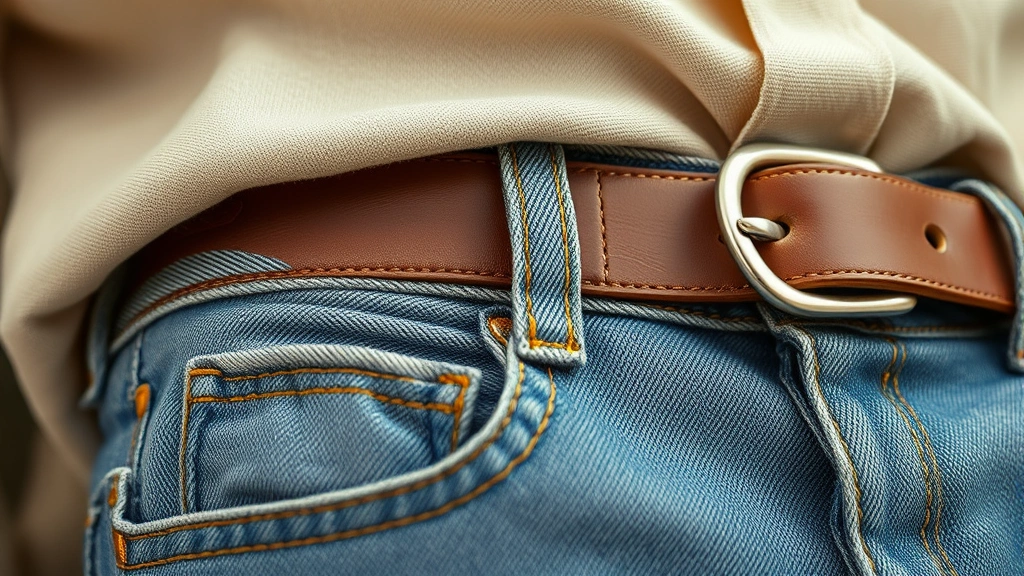
Vintage Washes and Distressing: Denim treatment from the 90s—acid washes, fading, strategic rips—is being refined for 2025. Rather than cheap distressing, contemporary brands are using advanced techniques to create authentic-looking vintage finishes that develop character over time. This connects to broader men’s fashion trends 2025 emphasizing durability and timeless appeal.
Neutral Earth Tones and Unexpected Colors: The 90s palette of khaki, olive, cream, and muted grays is returning, but designers are adding unexpected touches—dusty rose, sage green, and warm terracotta—creating depth without vibrancy. This measured approach to color reflects contemporary design sensibilities that value sophistication over loud statements.
Functional Design and Technical Fabrics: 90s menswear often featured practical design elements—cargo pockets, adjustable straps, weather-resistant materials. Modern designers are honoring this functionality while upgrading fabrics and construction, creating pieces that are simultaneously stylish and genuinely useful.
Deconstructed Tailoring: The boundary between casual and formal blurs in 90s-inspired design. Unstructured blazers, asymmetrical seams, and unexpected fabric combinations challenge traditional tailoring rules while maintaining sophistication. This element particularly appeals to designers working at brands like Comme des Garçons, which has long championed deconstructionist approaches to fashion.
Visible Branding and Logo Placement: The 90s weren’t afraid of visible logos—from designer monograms to band merchandise. Contemporary designers are revisiting this element thoughtfully, using branding as design elements rather than mere labels. Small embroidered logos, woven labels, and subtle graphic placement honor the 90s aesthetic while maintaining modern restraint.
Designer Perspectives on 90s Revival
Leading fashion designers offer fascinating insights into why the 90s continue to captivate contemporary menswear. Many note that the decade’s diversity of aesthetic movements provides something for everyone—whether you’re drawn to minimalist precision or maximalist expression. Vogue recently featured interviews with designers discussing how 90s menswear’s rejection of rigid masculinity norms aligns perfectly with contemporary conversations about gender expression and personal authenticity in fashion.
Several high-profile designers have explicitly cited 90s references in recent collections. The emphasis on comfort without sacrificing style—a hallmark of 90s menswear—reflects broader cultural shifts toward wellness and sustainable consumption. Designers recognize that consumers increasingly reject trends that prioritize appearance over wearability. The 90s approach, which elevated comfortable, functional clothing to high fashion status, feels prophetic in our current moment.
Sustainability also plays a crucial role in designer thinking around 90s revival. The era’s emphasis on quality basics and timeless pieces aligns with contemporary concerns about fast fashion’s environmental impact. Designers are studying how 90s minimalism and grunge established wardrobes built around versatile staples rather than seasonal trends. This philosophy—investing in well-made pieces that transcend momentary fads—directly addresses modern sustainability imperatives.
Additionally, the 90s provided a blueprint for how to find your personal style that emphasized individual expression over conformity. Contemporary designers appreciate this aspect deeply, particularly as they navigate a world of infinite style references and influences. The 90s taught that personal style emerges from authentic self-expression rather than trend-following, a lesson that resonates powerfully with today’s consumers seeking genuine identity through fashion.
Building a Modern 90s-Inspired Wardrobe
Creating a contemporary wardrobe inspired by 90s menswear requires strategic curation. Rather than costume-like recreation, the goal is extracting principles from the era and applying them thoughtfully to modern life.
Start with Foundational Basics: Invest in quality basics in neutral tones—white, cream, gray, black, and earth tones. These should include well-fitting t-shirts, long-sleeve shirts, and simple sweaters. The 90s taught that great style begins with excellent basics, which serve as canvases for more interesting pieces. Look for natural fabrics like cotton, linen, and wool that age gracefully and feel substantial.
Incorporate Oversized Tailoring: Add oversized blazers and relaxed-fit trousers to your wardrobe. These pieces should be constructed from quality fabrics and tailored to fit your proportions—oversized doesn’t mean ill-fitting. A perfectly proportioned oversized blazer can be dressed up or down, making it endlessly versatile. Consider vintage-inspired washes and neutral colors that anchor outfits.
Select Denim Thoughtfully: Denim is central to 90s menswear. Rather than chasing every trend, invest in well-made jeans in classic cuts—straight leg, relaxed fit, or slightly tapered. Experiment with vintage washes, but ensure they feel authentic rather than artificially distressed. Quality denim improves with age, developing character and patina that reflects the wearer’s lifestyle.
Add Functional Layers: Incorporate pieces that serve practical purposes—overshirts, technical jackets, cargo pants with thoughtful pocket placement. These items should be functional without appearing costume-like. Look for refined versions of utilitarian pieces that blend seamlessly into modern wardrobes.
Explore 90s fashion trends and styles Through Accessories: Accessories offer an excellent entry point for 90s inspiration. Vintage-inspired caps, simple leather belts, chain necklaces, and understated watches add 90s character without dominating outfits. Footwear is particularly important—classic sneakers, simple boots, and functional shoes echo 90s practicality while remaining contemporary.
The Sustainability Angle: Why 90s Fashion Matters Now
The 90s menswear revival gains additional relevance through the lens of sustainability. The decade’s aesthetic principles—quality over quantity, timelessness over trends, and functional design—directly address contemporary environmental and ethical concerns in fashion.
The minimalist movement that flourished in the 90s advocated for smaller wardrobes composed of versatile pieces that mix and match effortlessly. This philosophy predates contemporary sustainability discourse but aligns perfectly with it. By investing in fewer, higher-quality pieces that transcend seasonal trends, consumers reduce their environmental footprint while paradoxically expanding their outfit possibilities. A well-constructed oversized blazer from the 90s might have been worn for decades, accumulating patina and character—the opposite of disposable fashion.
Grunge’s embrace of vintage and secondhand clothing also anticipated contemporary sustainability values. The movement’s aesthetic emerged partly from economic necessity and partly from authentic appreciation for vintage garments’ authenticity and history. Today’s consumers increasingly recognize that buying secondhand or investing in durable pieces that last decades represents genuine sustainability rather than marketing-driven “eco-friendly” collections.
The 90s emphasis on functional design also matters environmentally. Pieces designed to serve multiple purposes, constructed from durable materials, and built to withstand years of wear inherently reduce consumption. A cargo jacket with multiple pockets designed for practicality becomes a wardrobe staple worn repeatedly rather than a seasonal item worn a handful of times.
Contemporary designers reviving 90s aesthetics have an opportunity to pair the era’s visual appeal with modern production standards and sustainability practices. This fusion—90s design principles combined with ethical manufacturing, sustainable materials, and transparent supply chains—represents the future of menswear. Brands exploring fashion design degree programs increasingly emphasize this integration of historical inspiration with contemporary responsibility.
Styling Tips for Contemporary 90s Looks
Translating 90s menswear into modern outfits requires understanding how to balance retro elements with contemporary sensibilities. Here are practical styling approaches:
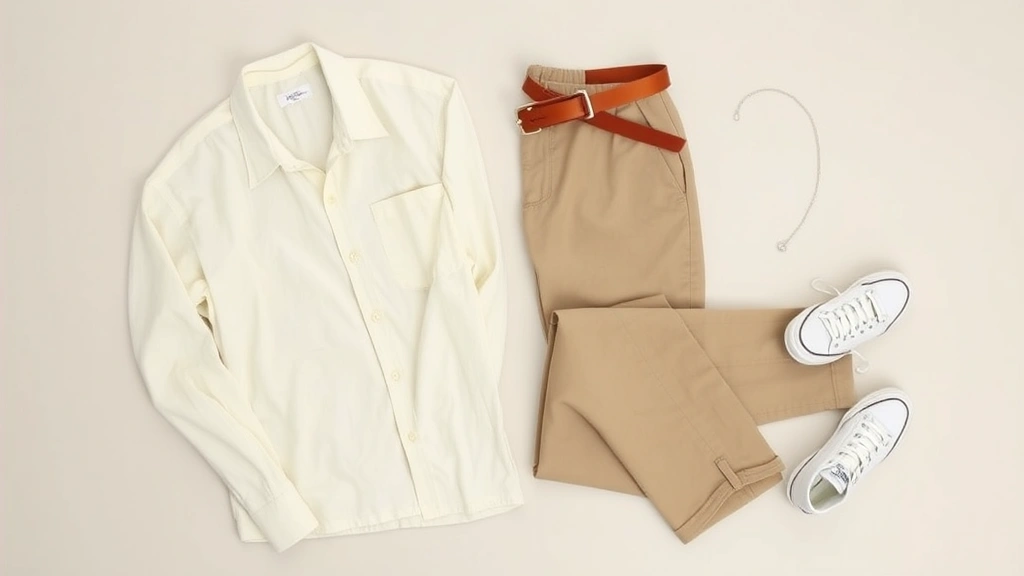
The Minimalist Route: Embrace the Calvin Klein-inspired aesthetic with monochromatic or neutral outfits. Pair cream-colored oversized linen shirts with tapered neutral trousers and simple white sneakers. Add a structured but unlined blazer in a complementary neutral tone. This approach emphasizes quality fabrics, fit, and restraint—the core of 90s minimalism.
The Grunge Interpretation: Layer vintage band tees under oversized flannel shirts or denim jackets. Pair with relaxed-fit jeans and chunky boots or worn sneakers. The key is intentionality—grunge should feel authentic rather than costume-like. Invest in genuine vintage pieces or high-quality reproductions that develop character over time.
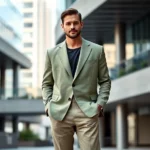
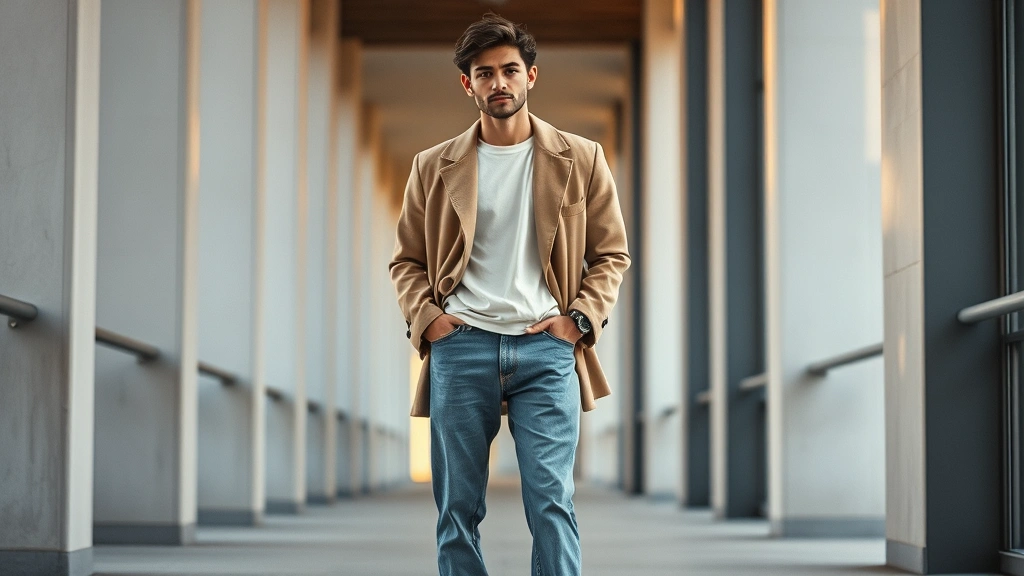
The Smart Casual Blend: Combine 90s elements with contemporary pieces for versatile everyday style. Wear an oversized blazer over simple t-shirts with straight-leg jeans and minimalist sneakers. This balances the era’s relaxed sensibility with modern professionalism, creating outfits suitable for various occasions.
Layering for Depth: 90s menswear excelled at layering. Build outfits starting with simple basics, adding overshirts, jackets, or vests in complementary colors and textures. This approach creates visual interest while maintaining the era’s emphasis on comfort and functionality.
Accessory Elevation: Let accessories anchor your 90s aesthetic without overwhelming outfits. A simple chain necklace, vintage-inspired watch, or structured leather belt adds period flavor. Keep accessories minimal and intentional—the 90s valued understated cool over maximum impact.
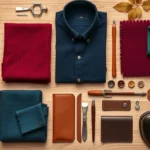
Color Experimentation: While neutrals dominate 90s menswear, the era wasn’t afraid of unexpected colors. Try pairing warm earth tones—terracotta, sage, dusty blue—in unexpected combinations. These colors feel contemporary while honoring the 90s palette, creating sophisticated outfits that avoid looking costumey.
FAQ
What are the most important 90s menswear pieces to invest in?
Quality basics, oversized blazers, well-made denim, and functional layering pieces form the foundation of 90s-inspired menswear. Focus on neutral colors, natural fabrics, and timeless silhouettes that transcend trends. Visit our Style Loom Daily blog for detailed guides on building foundational wardrobes.
How do I avoid looking like I’m wearing a costume?
The key is intentionality and proportion. Choose pieces constructed from quality materials, ensure proper fit, and mix 90s elements with contemporary pieces. Avoid head-to-toe period recreation; instead, extract principles and apply them thoughtfully to modern outfits.
Are 90s trends sustainable?
The 90s menswear philosophy—quality basics, functional design, timeless aesthetics—aligns perfectly with sustainability values. By investing in durable pieces that transcend trends, you reduce consumption and environmental impact while building more versatile wardrobes.
Where can I find authentic 90s menswear pieces?
Vintage shops, online resale platforms, and contemporary brands reinterpreting 90s aesthetics all offer options. Authentic vintage pieces provide genuine character, while modern reinterpretations offer updated construction and sizing. Consider both approaches depending on your preferences and budget.
How do I personalize 90s-inspired style?
The 90s celebrated individual expression and personal style evolution. Start with foundational pieces, experiment with colors and textures that resonate with you, and allow your wardrobe to reflect your authentic self rather than strict trend adherence. This approach honors the era’s core philosophy.
Can I wear 90s menswear in professional settings?
Absolutely. Oversized tailoring, neutral colors, and quality basics create sophisticated, professional appearances. Choose elevated fabrics, ensure proper proportions, and pair 90s elements with contemporary pieces to create outfits suitable for various professional environments.