How to Rock 80s Men’s Fashion: Expert Insights
The 1980s represent one of the most audacious and unapologetic decades in fashion history, particularly for men’s style. This era rejected the understated elegance of previous generations, embracing bold colors, oversized silhouettes, and statement pieces that demanded attention. From Miami Vice aesthetics to power dressing in corporate boardrooms, 80s men’s fashion was all about confidence, excess, and breaking conventional style rules. Today, the resurgence of retro trends has made 80s fashion incredibly relevant again, with contemporary designers and style enthusiasts drawing inspiration from this vibrant period.
Whether you’re interested in channeling vintage authenticity or incorporating modern interpretations of 80s style into your wardrobe, understanding the key elements of this iconic era is essential. The 80s weren’t just about one aesthetic—they encompassed multiple subcultures and fashion movements, each with distinct characteristics. This comprehensive guide explores how to authentically rock 80s men’s fashion while maintaining relevance in today’s style landscape, backed by expert insights and practical styling tips.
The Evolution of 80s Menswear: A Historical Overview
The 1980s emerged from the disco aftermath of the 1970s, creating a distinctive fashion moment that valued individualism and self-expression. Men’s fashion during this period was profoundly influenced by technological advancement, economic prosperity, and cultural shifts that celebrated excess as a virtue. Unlike previous decades where subtlety was prized, the 80s encouraged men to experiment with colors, textures, and proportions in ways that would have been considered outrageous just years earlier.
The decade’s fashion philosophy was rooted in the concept of “more is more.” This mentality permeated every aspect of men’s styling, from the width of lapels to the brightness of neon accents. The influence of music videos, particularly MTV’s launch in 1981, created a new avenue for fashion dissemination. Musicians became style icons, and their experimental approaches to personal style trickled down to mainstream fashion consumers. Icons like David Bowie, Prince, and Michael Jackson pushed boundaries, while simultaneously, preppy culture maintained a strong presence, creating a fascinating dichotomy in 80s menswear.
Understanding this historical context is crucial when exploring how to find your personal style through the lens of 80s fashion. The decade’s diversity means there’s genuinely something for every aesthetic preference, whether you lean toward bold experimentalism or refined elegance with a 80s twist.
Power Dressing and Corporate Style
Power dressing defined the professional landscape of the 1980s, establishing a visual hierarchy that communicated success and ambition. This style movement was characterized by structured blazers with exaggerated shoulder padding, creating an imposing silhouette that dominated corporate environments. The power suit wasn’t merely clothing—it was a statement about authority, confidence, and professional dominance. Men in boardrooms across America adopted this aesthetic, understanding that fashion was a tool for career advancement.
The quintessential power suit featured several defining characteristics: broad, padded shoulders that extended beyond the natural shoulder line; tailored jackets that created a triangular torso shape; and trousers with a high waist and straight leg. Colors leaned toward traditional choices like charcoal gray, navy, and black, though bolder executives occasionally ventured into deep burgundy or forest green. The power suit was often paired with crisp white or pastel dress shirts, power ties in bold patterns or solid colors, and polished leather dress shoes.
What made 80s power dressing distinctive was the intentional exaggeration of traditional tailoring. Shoulder pads weren’t subtle—they were architectural elements designed to expand the wearer’s presence. This wasn’t about comfortable fit; it was about projection and authority. Modern menswear has largely moved away from extreme shoulder padding, making authentic 80s power dressing feel distinctly retro. However, contemporary designers are revisiting this silhouette with more measured proportions, allowing modern men to embrace power dressing’s confidence without the full theatrical effect.
For those interested in exploring fashion style through a professional lens, incorporating subtle elements of 80s power dressing—like structured blazers or tailored trousers—can add vintage flair to contemporary wardrobes.
Bold Colors and Statement Patterns
If power dressing represented the conservative side of 80s menswear, color experimentation represented its rebellious heart. The 1980s saw men embracing neon pinks, electric blues, vibrant oranges, and fluorescent yellows in ways that would have been unthinkable in previous decades. These weren’t accent colors—they were bold fashion statements worn confidently as primary wardrobe choices. Miami Vice, the influential television series, epitomized this aesthetic with its pastel and neon color palettes that became synonymous with 80s cool.
Beyond solid colors, patterns played a crucial role in 80s menswear. Geometric prints, abstract designs, and Memphis-influenced graphics adorned everything from t-shirts to jackets. Neon geometric patterns combined with contrasting colors created visual intensity that demanded attention. Animal prints, particularly leopard and zebra, found their way into mainstream menswear through jackets, shirts, and even accessories. These patterns weren’t subtle or refined—they were bold declarations of style confidence.
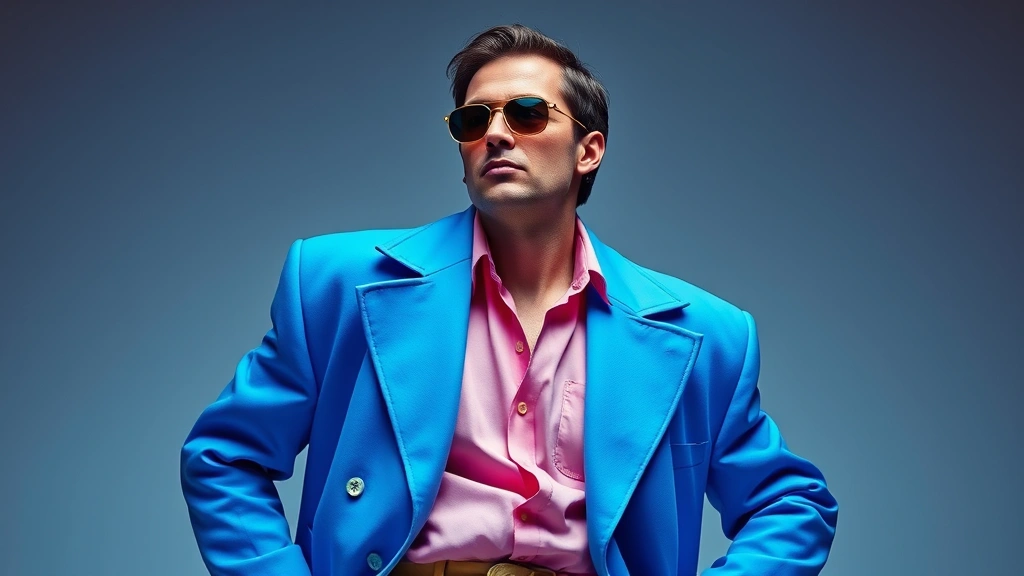
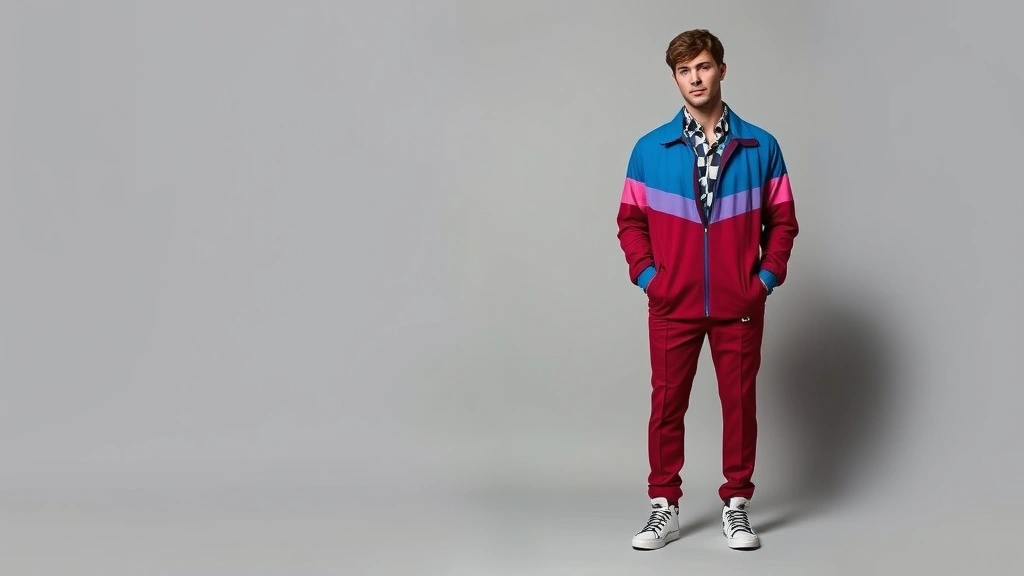
Color blocking—the practice of combining large areas of contrasting colors—became a signature 80s technique. A jacket in electric blue paired with hot pink trousers, or a shirt combining three or four bold colors in distinct sections, exemplified the era’s approach to chromatic adventurousness. Neon socks, often in contrasting colors to the outfit, added playful detail. Even accessories embraced this philosophy, with neon leg warmers, headbands, and wristbands providing pops of color.
For modern styling, incorporating 80s color philosophy doesn’t require full commitment to neon excess. Strategic use of bold colors—perhaps a vibrant shirt or statement jacket—can channel 80s energy while maintaining contemporary sensibility. The key is confidence: 80s color choices weren’t apologetic, and modern interpretations shouldn’t be either.
Iconic Silhouettes and Oversized Fits
The 1980s fundamentally challenged the fitted aesthetic that had dominated menswear for decades. Oversized silhouettes became mainstream, with intentional bagginess replacing the tailored cuts of previous eras. This shift reflected broader cultural attitudes about individuality and rejection of conformity. Oversized t-shirts, baggy jeans, and loose-fitting jackets became standard, creating a relaxed yet intentional aesthetic that defined casual 80s style.
Acid-washed denim became iconic during this period, often worn in oversized cuts that emphasized the relaxed vibe. Ripped jeans, initially a sign of wear, became fashionable statements when intentionally distressed. Denim jackets, typically oversized and often featuring graphic prints or patches, became essential layering pieces. The silhouette was about volume and movement rather than body-conforming structure.
Tracksuits represented another quintessential 80s silhouette, featuring loose-fitting jackets and matching pants in coordinated colors or patterns. Originally designed for athletic purposes, tracksuits became everyday fashion statements. These weren’t fitted athletic wear—they were deliberately oversized and often featured bold color combinations. Worn with sneakers or high-top basketball shoes, tracksuits embodied the fusion of sportswear and street style that characterized 80s casual fashion.
Parachute pants, made from nylon with distinctive cargo pockets and tapered ankles, offered another iconic 80s silhouette. These pants combined volume with functional detail, appealing to both style-conscious individuals and those seeking practical pocket space. The exaggerated proportions and unique construction made parachute pants instantly recognizable as distinctly 80s.
Modern menswear has gradually moved toward oversized fits again, validating 80s silhouette choices. Contemporary designers reference 80s proportions, though often with refinement that updates the aesthetic for current sensibilities. Understanding these silhouette fundamentals is essential for authentically rocking 80s style or incorporating retro-inspired elements into modern wardrobes.
Accessories That Define the Decade
Accessories were absolutely critical to completing 80s menswear looks. The decade embraced the philosophy that no accessory was too much, leading to layered, statement-making combinations that added personality and edge to outfits. From athletic wear to formal occasions, accessories transformed 80s fashion from basic clothing into complete style statements.
Leg warmers, originally designed for dancers, became ubiquitous street-style accessories. Worn over jeans or with shorts, leg warmers in neon colors or bold patterns added immediate 80s credibility. Headbands, wristbands, and arm sweatbands served similar purposes, combining athletic functionality with fashion statement-making. These accessories were often worn in coordinating or contrasting colors, adding chromatic complexity to outfits.
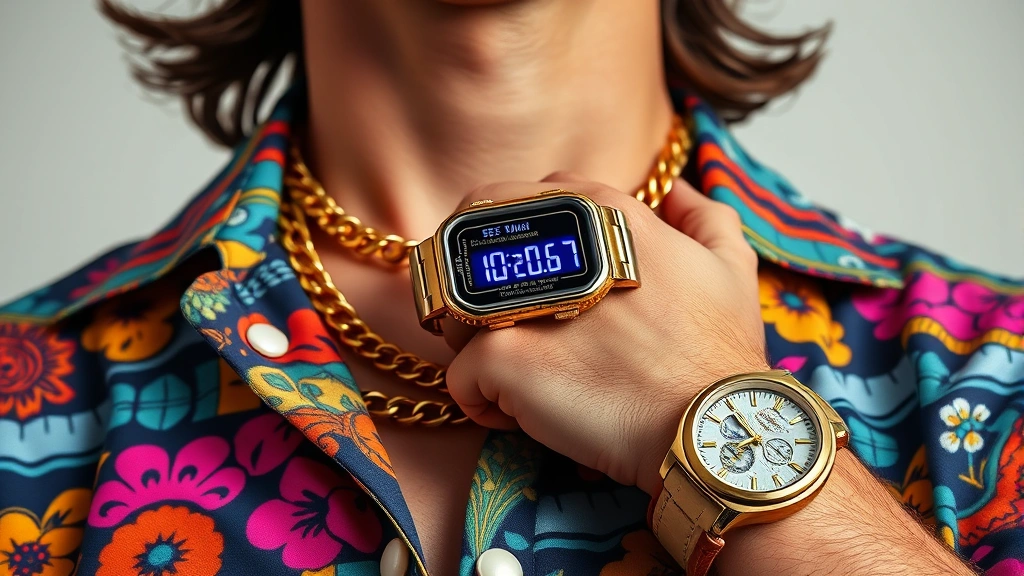
Watches became oversized statement pieces during the 1980s. Digital watches with neon displays, thick plastic bands, and bold designs were worn prominently. Slap bracelets, colorful rubber bracelets that wrapped around the wrist, became popular toward the decade’s end. Multiple chains and chunky gold jewelry appealed to many 80s men, creating visual weight and presence.
Sunglasses underwent significant style evolution during the 80s. Mirrored lenses, oversized frames, and neon-colored plastic frames became iconic. The style often associated with Miami Vice—pastel frames with mirrored lenses—defined aspirational 80s cool. These weren’t subtle accessories; they were bold fashion statements worn with confidence and attitude.
Belts became decorative elements rather than purely functional items. Wide leather belts with large buckles, often featuring metallic finishes or bold designs, added visual interest to waistlines. Suspenders, sometimes worn with belts for intentional excess, created distinctive silhouettes. Scarves, particularly in bold colors or patterns, were worn around necks or tied around waists for added flair.
For contemporary styling, incorporating 80s accessories strategically can channel retro energy without overwhelming modern sensibilities. A single bold accessory—perhaps a statement watch or oversized sunglasses—can immediately evoke 80s style while maintaining current relevance.
Subcultures and Alternative 80s Styles
While mainstream 80s fashion embraced brightness and excess, diverse subcultures developed distinctive alternative aesthetics. These movements created rich tapestry of 80s menswear that extended far beyond power suits and neon t-shirts. Understanding these subcultures provides deeper appreciation for the era’s fashion diversity.
The hip-hop community developed a distinctive 80s style that emphasized oversized athletic wear, gold chains, and statement accessories. Adidas tracksuits, Kangol hats, and high-top sneakers became iconic within hip-hop culture. This aesthetic prioritized comfort and functionality while maintaining bold visual presence. The influence of hip-hop style eventually permeated mainstream fashion, establishing sportswear as legitimate everyday wear.
Punk and new wave aesthetics offered rebellious alternatives to mainstream 80s fashion. Leather jackets, band t-shirts, ripped clothing, and deliberately anti-fashion statements characterized this subculture. While punk originated in the 1970s, it evolved significantly during the 80s, with new wave incorporating synthesizer-influenced fashion that embraced androgyny and experimental styling.
The mod revival of the 1980s drew inspiration from 1960s mod culture, emphasizing sharp tailoring, scooter culture references, and retro British aesthetics. This subculture rejected mainstream 80s excess in favor of refined, vintage-influenced style. Parkas, polo shirts, and carefully curated vintage pieces defined mod revival fashion.
Skater culture developed its own distinctive 80s aesthetic, emphasizing functionality and anti-establishment attitudes. Loose-fitting jeans, graphic t-shirts, and specialized skate shoes created a casual, rebellious look that rejected traditional fashion hierarchy. This subculture’s emphasis on authenticity and functionality influenced broader casual menswear evolution.
Metal culture embraced dark aesthetics with leather jackets, band merchandise, and heavy accessorizing. Studded details, chains, and deliberately provocative styling created visual impact that contrasted sharply with mainstream 80s brightness. This subculture’s visual language influenced punk and goth aesthetics that would dominate subsequent decades.
Understanding these diverse subcultures reveals that 80s menswear wasn’t monolithic. Whether you prefer mainstream excess or alternative rebellion, authentic 80s style options exist across the spectrum. This diversity makes the era particularly appealing to contemporary men seeking to incorporate retro influences into personal style.
Modern Interpretations and Contemporary Styling
Contemporary fashion designers regularly reference 80s aesthetics, translating the decade’s boldness into modern contexts. Rather than exact reproductions, contemporary interpretations refine 80s silhouettes and color choices, creating accessible ways for modern men to embrace retro style. Understanding how designers update 80s elements provides valuable guidance for personal styling.
Modern power dressing maintains 80s shoulder structure but with more subtle proportions. Contemporary tailored blazers feature structured shoulders without extreme padding, creating authority without theatrical excess. This refined approach appeals to professionals seeking to channel 80s confidence while maintaining current workplace appropriateness. Pairing these blazers with modern trousers and contemporary accessories creates cohesive looks that feel both retro and current.
Color choices have evolved toward more sophisticated palettes inspired by 80s boldness. Rather than neon brightness, contemporary designers employ jewel tones, rich saturation, and unexpected color combinations that channel 80s philosophy without overwhelming sensibility. A deep emerald shirt or burgundy jacket provides 80s energy through color while maintaining contemporary refinement.
Oversized silhouettes have returned to mainstream menswear, validating 80s proportions through contemporary construction. Modern oversized clothing features better fabric quality and refined tailoring compared to 80s originals, creating sophisticated proportions that feel intentional rather than accidental. This evolution makes 80s-inspired oversized styling accessible and relevant to contemporary fashion.
Sportswear integration has become mainstream, building on 80s tracksuit and athletic wear precedents. Contemporary high-fashion brands embrace athletic-inspired pieces, creating luxury versions of 80s sportswear aesthetics. This evolution demonstrates how 80s fashion philosophy—mixing athletic and formal wear—has become standard contemporary practice.
For those interested in exploring types of fashion, contemporary 80s-inspired styling offers rich opportunities. Modern interpretations allow personal expression while maintaining current relevance, making retro inspiration accessible to contemporary men.
Building Your 80s-Inspired Wardrobe
Creating an 80s-inspired wardrobe requires strategic choices that balance authenticity with wearability. Rather than adopting the entire aesthetic, thoughtful curation allows incorporation of 80s elements into personal style. Understanding key pieces and styling principles enables modern men to channel 80s energy authentically.
Foundation Pieces: Begin with structured blazers featuring subtle shoulder definition. A navy, charcoal, or jewel-toned blazer provides professional polish while maintaining 80s silhouette references. Pair these with well-fitted trousers in coordinating colors or bold patterns. Oversized t-shirts in solid colors or subtle graphics create casual foundation pieces. High-quality denim in classic cuts provides versatile basics that work with 80s accessories.
Statement Pieces: Incorporate bold elements strategically. A vibrant colored jacket, patterned shirt, or eye-catching tracksuit serves as outfit foundation. Rather than overwhelming looks with multiple bold pieces, let statement items anchor outfits while keeping supporting pieces more neutral. This approach channels 80s boldness while maintaining contemporary balance.
Color Strategy: Develop personal color preferences aligned with 80s philosophy. Whether favoring jewel tones, pastels, or neon accents, commit to color choices confidently. Coordinate colors intentionally, creating visual interest through complementary or contrasting combinations. Don’t shy away from color—80s style fundamentally celebrates chromatic boldness.
Accessory Selection: Choose accessories that reflect personal style preferences. Oversized watches, bold sunglasses, or statement jewelry can immediately evoke 80s aesthetics. Layer accessories intentionally, creating visual interest without appearing chaotic. Consider how accessories interact with outfit colors and silhouettes.
Footwear Choices: 80s footwear ranged from athletic sneakers to formal dress shoes. High-top basketball shoes, classic canvas sneakers in bold colors, or polished leather dress shoes all work within 80s contexts. Consider how footwear influences overall aesthetic—athletic shoes create casual, sporty vibes while formal shoes lean toward power-dressing sophistication.
Building an 80s-inspired wardrobe doesn’t require abandoning personal style or contemporary sensibilities. Instead, thoughtful integration of 80s elements into existing wardrobes allows authentic retro expression while maintaining modern relevance. Explore StyleLoom Daily Blog for additional styling inspiration and trend guidance.
The most important principle for rocking 80s menswear is confidence. The decade celebrated bold self-expression and unapologetic style choices. Whether wearing neon colors, oversized silhouettes, or statement accessories, commit fully to your choices. This confidence transforms 80s styling from costume into authentic personal expression, creating looks that feel current despite their retro inspiration.
FAQ
What are the most essential pieces for 80s menswear?
Essential 80s pieces include structured blazers with shoulder definition, oversized t-shirts, high-quality denim, tracksuits, and bold-colored jackets. Accessorize with statement watches, oversized sunglasses, and layered jewelry. These foundational pieces allow creation of authentic 80s looks while maintaining contemporary wearability.
How can I wear 80s style without looking like a costume?
Focus on quality construction and contemporary fabrics. Choose refined color palettes inspired by 80s boldness rather than literal neon reproduction. Incorporate 80s elements strategically rather than adopting the entire aesthetic. Pair retro pieces with modern accessories and contemporary styling techniques. Confidence and intentionality transform 80s references from costume into legitimate personal style.
Are oversized fits appropriate for all body types?
Oversized silhouettes work across body types when properly proportioned. The key is ensuring oversized pieces are intentionally cut rather than accidentally ill-fitting. Consider your height when selecting oversized items—taller men can carry more volume, while shorter men benefit from cropped or tapered proportions. Quality tailoring can adjust oversized pieces to suit individual body shapes.
How do I balance 80s style with professional environments?
Incorporate subtle 80s elements into professional contexts. Structured blazers with refined shoulder definition, jewel-toned dress shirts, and tailored trousers channel 80s power dressing while maintaining workplace appropriateness. Avoid neon colors and graphic prints in conservative professional settings. Accessories like watches or ties can provide 80s flair without overwhelming professional presentation.
What’s the difference between authentic 80s fashion and contemporary 80s-inspired styling?
Authentic 80s fashion reproduces period-accurate pieces and styling from the decade itself. Contemporary 80s-inspired styling translates 80s philosophy—boldness, color, and silhouette experimentation—into modern contexts with refined construction and current sensibilities. Contemporary interpretations make 80s aesthetics accessible to modern men seeking retro inspiration without exact historical reproduction.
Where can I find quality 80s-inspired pieces?
Contemporary designers including Vogue featured brands regularly create 80s-inspired collections. Vintage retailers offer authentic 80s pieces, though quality varies significantly. High-street retailers increasingly offer oversized silhouettes and bold colors aligned with 80s aesthetics. Thrift stores provide affordable vintage options for those seeking authentic pieces. Consider fashion influencers for contemporary styling inspiration combining retro references with modern sensibilities.
How important are accessories in 80s style?
Accessories are absolutely crucial to authentic 80s styling. The decade celebrated accessory layering and statement-making through jewelry, watches, sunglasses, and other details. Accessories transform basic pieces into complete 80s looks, adding personality and visual interest. Don’t underestimate accessory importance when creating 80s-inspired outfits.