Kurt Cobain Style Guide: Fashion Expert Insights
Kurt Cobain’s aesthetic transcended mere clothing—it became a cultural phenomenon that redefined what it meant to be fashionable in the 1990s. The Nirvana frontman transformed thrift store finds and worn-out basics into an iconic silhouette that influenced generations of style enthusiasts. His effortless, anti-fashion approach paradoxically became one of the most coveted looks in contemporary fashion history, proving that authenticity and nonchalance possess more power than high-end designer labels.
Unlike the polished aesthetics dominating the 1980s, Cobain’s wardrobe represented rebellion, vulnerability, and raw authenticity. He demonstrated that fashion could be deeply personal, intentionally imperfect, and still profoundly influential. Today, fashion experts and style analysts continue to dissect his layered flannel shirts, oversized cardigans, and distressed denim, recognizing them as blueprints for modern casual wear. Understanding Kurt Cobain’s fashion philosophy offers valuable insights into how personal style can authentically reflect identity while remaining universally relatable.
This comprehensive guide explores the elements that made Kurt Cobain’s fashion choices revolutionary, breaking down his signature pieces, styling techniques, and the lasting cultural impact of his aesthetic on contemporary fashion. Whether you’re interested in 90s fashion trends or crafting your personal style narrative, Cobain’s approach offers timeless lessons in authentic self-expression through clothing.
The Birth of Grunge: Understanding the Movement
The grunge movement emerged from Seattle’s music scene in the late 1980s and early 1990s, fundamentally challenging fashion conventions. Kurt Cobain didn’t single-handedly create this aesthetic, but he became its most recognizable ambassador. The movement represented a cultural shift—a rejection of excess, materialism, and pretension that had characterized the previous decade. Fashion designers and cultural critics now recognize grunge as a pivotal moment when anti-fashion became fashion itself.
Cobain’s rise to prominence coincided with a broader cultural desire for authenticity. Nirvana’s 1991 album “Nevermind” didn’t just change music; it shifted the entire fashion landscape. Suddenly, thrift store shopping became aspirational, distressed clothing signified credibility rather than poverty, and looking like you didn’t care about fashion paradoxically made you incredibly fashionable. Vogue and other fashion institutions began covering grunge as a legitimate aesthetic movement, legitimizing what had been street-level rebellion.
The movement reflected deeper societal changes—economic anxiety, generational disillusionment, and a desire to strip away superficiality. Cobain’s clothing choices became metaphors for these feelings. His worn flannel shirts and torn jeans weren’t intentional fashion statements; they were honest reflections of his reality. This authenticity resonated globally, creating a paradox where deliberately inauthentic attempts to replicate his look often fell flat. Understanding grunge requires recognizing that its power came from genuine expression rather than calculated image-building.
Signature Pieces That Defined His Look
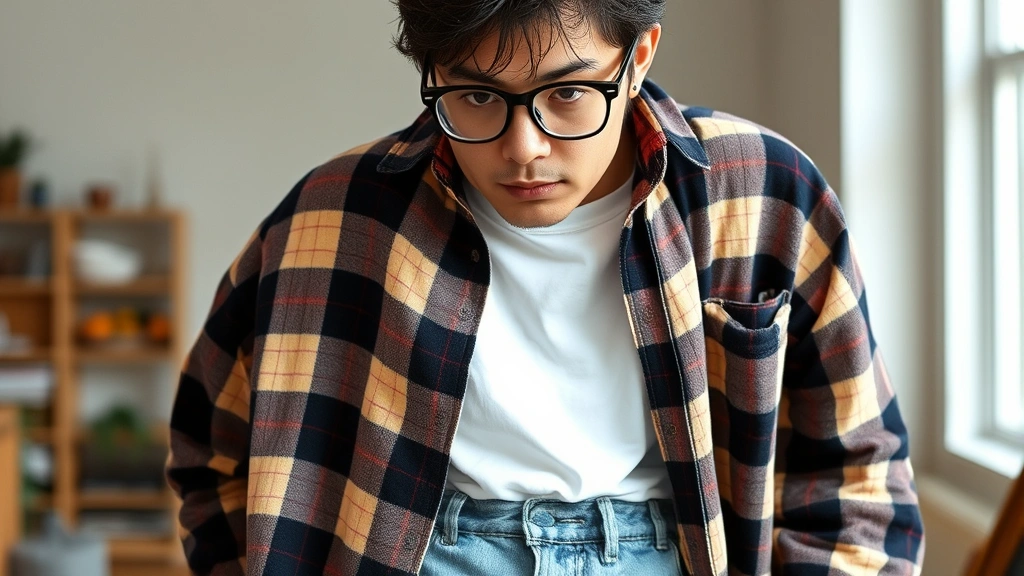
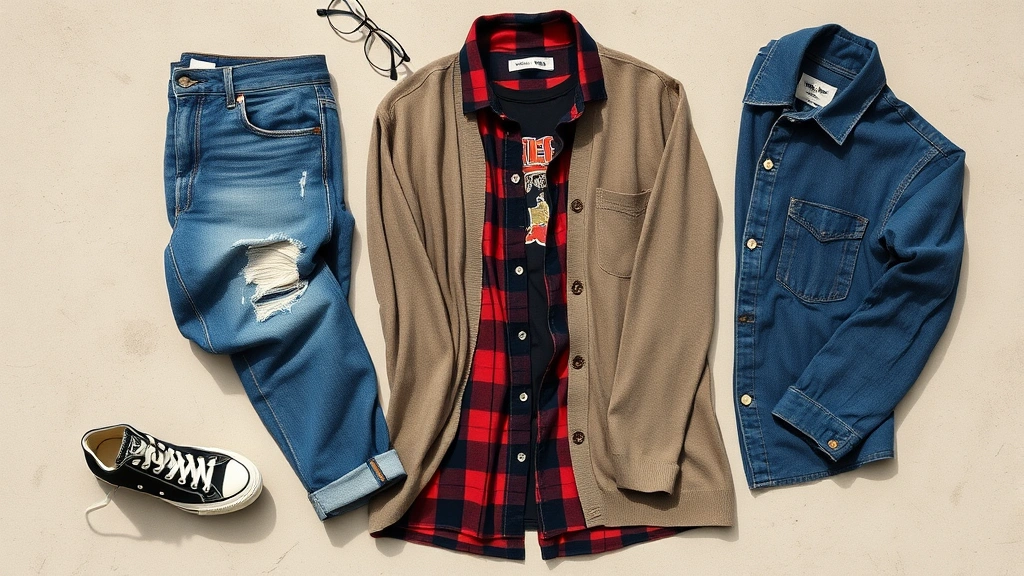
The flannel shirt stands as the quintessential Kurt Cobain piece—oversized, often faded, and perpetually associated with his image. These weren’t designer interpretations; they were thrifted genuine workwear, typically from brands like Pendleton or vintage Woolrich. The genius of the flannel shirt lay in its versatility: worn open over band t-shirts, tied around the waist, or layered beneath cardigans, it became the foundational piece of his wardrobe. Fashion articles and guides frequently highlight the flannel shirt as the most accessible entry point for anyone seeking to adopt grunge aesthetics.
Cardigans represented another crucial component of his silhouette. Unlike structured blazers, these were slouchy, comfortable, and deliberately unflattering. The cardigan’s oversized fit created visual interest through volume rather than tailoring, embodying the anti-fashion principle that dominated his aesthetic. Cobain often wore them buttoned incorrectly or left unbuttoned entirely, further emphasizing the casual disregard for conventional dressing rules. Fashion historians note that his cardigan choices influenced contemporary designers to reconsider how oversized silhouettes could convey sophistication and intentionality.
His relationship with t-shirts—particularly band tees and vintage graphics—cannot be overstated. These weren’t ironic fashion statements but genuine expressions of his musical taste and cultural references. The t-shirt served as both foundation and statement piece, worn under layers or as standalone pieces during warmer months. This democratization of the humble t-shirt elevated it from basic wardrobe staple to worthy focal point. Finding your personal style often begins with identifying pieces that genuinely resonate with you, much like Cobain’s authentic relationship with band merchandise.
Distressed denim formed the foundation of his lower-body styling. Unlike contemporary distressed jeans that are manufactured to look aged, Cobain’s jeans earned their holes and tears through genuine wear. This distinction matters—his aesthetic was built on authenticity rather than aesthetic artifice. The fit was typically loose and unflattering, prioritizing comfort over body-consciousness. This approach directly influenced how contemporary fashion brands now produce and market denim, with “vintage” and “worn-in” finishes becoming premium products rather than defects.
Color Palette and Fabric Choices
Kurt Cobain’s color palette was deliberately muted and earthy, dominated by blacks, grays, browns, and faded blues. This chromatic restraint reflected both his emotional temperament and practical considerations—thrift stores offered abundant neutral pieces, and these colors coordinated effortlessly. The absence of bright colors or bold patterns created a cohesive visual identity that remained recognizable regardless of specific pieces worn. Fashion theorists recognize this color strategy as foundational to developing a strong personal style.
The textures within this neutral palette provided visual complexity. Worn cotton, aged wool, soft flannel, and faded denim created tactile interest despite the limited color range. This demonstrated that sophisticated style doesn’t require chromatic variety—it requires intentional consideration of how different materials interact. The matte, slightly worn quality of his fabrics conveyed authenticity and history, contrasting sharply with the pristine newness that defines much contemporary fashion marketing.
Fabric weight and drape were crucial to his aesthetic. Heavy flannel, oversized cardigans, and substantial denim created a protective silhouette that appeared to envelop rather than define the body. This approach proved revolutionary during an era when body-conscious clothing dominated fashion. The generous proportions created visual interest through volume and movement rather than form-fitting structure. Fashion experts at The Fashion Spot frequently reference his fabric choices as pioneering the movement toward comfort-prioritized fashion that continues dominating contemporary design.
The concept of “lived-in” quality was paramount. Cobain didn’t seek pristine pieces; he valued garments that showed evidence of wear and character. This philosophy contradicted luxury fashion’s emphasis on newness and perfection. His willingness to wear items with visible damage, stains, or deterioration challenged fundamental fashion assumptions about what constitutes desirable clothing. This perspective influenced contemporary sustainable fashion movements that celebrate the patina of aged garments rather than discarding them.
Styling Techniques and Layering Mastery
Layering represented the technical foundation of Kurt Cobain’s aesthetic mastery. He typically combined three to four pieces: a base t-shirt or thermal, a flannel or button-up shirt, a cardigan or sweater, and sometimes a jacket. This approach served practical purposes in Seattle’s climate while creating visual depth and dimensionality. The layers weren’t coordinated in traditional fashion terms; they simply worked together through color harmony and textural balance. This layering technique became so iconic that contemporary 90s fashion revivals consistently emphasize this multi-piece approach.
The genius of his layering involved strategic exposure. He often left cardigans unbuttoned, allowing glimpses of underlying pieces. Flannel shirts were tied around the waist, creating visual interest at the hip. This partial concealment and revelation created visual rhythm that prevented the look from appearing shapeless despite the generous proportions. Fashion designers studying his approach recognize how strategic layering can create sophisticated silhouettes without relying on fitted construction.
Proportional balance within layers was intuitive rather than calculated. Oversized cardigans were often paired with similarly generous flannel shirts, yet the overall effect avoided appearing sloppy. This worked because the neutral palette unified the pieces, and the textures provided visual distinction. Contemporary styling education frequently uses Cobain’s approach as a masterclass in how to combine multiple oversized pieces without sacrificing coherence. His technique demonstrated that proportion balance doesn’t require contrasting fitted and loose pieces—it requires thoughtful color and texture consideration.
Seasonal variation in his styling proved minimal but intentional. Winter looks incorporated heavier fabrics and additional layers; summer iterations stripped away the cardigan and jacket while maintaining the foundational flannel-and-t-shirt combination. This adaptability within a consistent aesthetic framework offers valuable lessons for anyone developing a personal style. Rather than completely transforming wardrobes seasonally, strategic piece substitution maintains identity while responding to climate requirements.
The Philosophy Behind Thrift Store Fashion
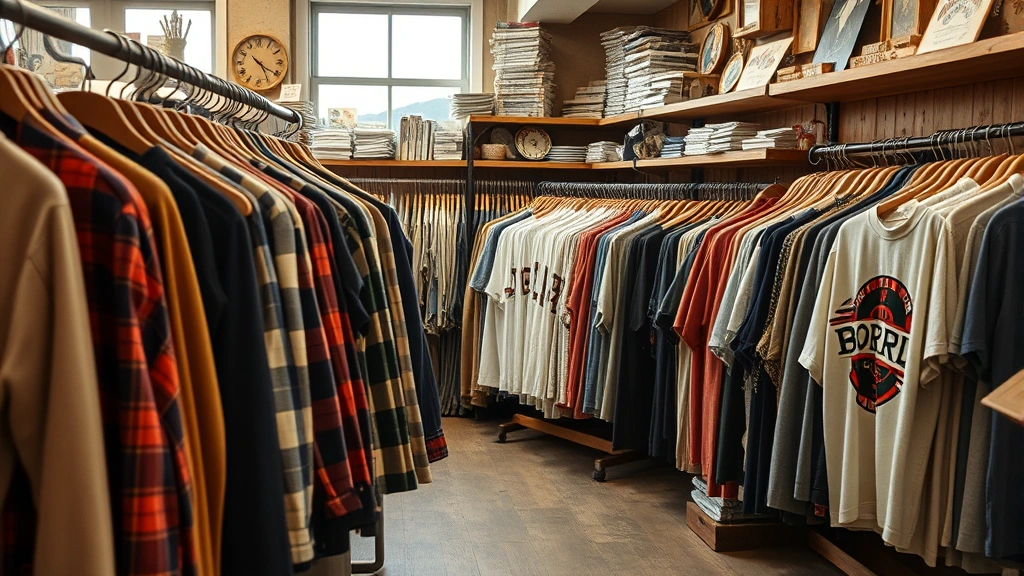
Kurt Cobain’s commitment to thrift store shopping wasn’t merely financial—it was philosophical. Thrift stores offered authentic vintage pieces, each with inherent history and character. Unlike contemporary fast-fashion reproductions of vintage aesthetics, genuine thrifted items carried genuine wear patterns and authentic aging. This approach aligned with his broader anti-consumerism stance and represented a form of fashion rebellion against the disposable clothing industry. Fashion design education increasingly recognizes thrift shopping and vintage curation as legitimate design practices.
Thrift shopping also ensured uniqueness. While his pieces resembled those worn by other grunge adherents, each item retained individual characteristics. This created a paradox: his look was simultaneously highly recognizable and inherently unique. Contemporary fashion has attempted to replicate this through “vintage-inspired” designer collections, yet the manufactured nature of these pieces often lacks the authenticity of genuine thrifted finds. Cobain’s approach demonstrated that authentic style often requires embracing imperfection and singularity rather than seeking perfection through premium purchases.
The economic aspect cannot be separated from the aesthetic. Cobain’s thrift store approach reflected genuine financial limitations during Nirvana’s early years, yet it also represented conscious values. As he achieved financial success, he maintained these shopping habits, demonstrating that the philosophy transcended economic necessity. This choice to maintain grunge aesthetics despite newfound wealth proved crucial to his credibility—fans recognized that his style represented genuine preference rather than economic circumstance or calculated image management.
The sustainability dimension of his approach feels remarkably contemporary. By purchasing second-hand clothing, Cobain participated in circular fashion decades before sustainability became mainstream. His wardrobe generated minimal waste, as pieces were worn extensively until they literally fell apart. This contrasts sharply with contemporary fast-fashion consumption patterns. Modern fashion critics increasingly cite grunge and Cobain’s thrift-focused approach as early sustainable fashion practice, recognizing how environmental consciousness can align with aesthetic authenticity.
Accessories and Small Details
Accessories in Kurt Cobain’s aesthetic served functional rather than decorative purposes. His eyeglasses—typically thick-framed vintage styles—became iconic precisely because they appeared incidental rather than intentionally fashionable. He wore them for vision correction, not as fashion statements, yet their presence became deeply associated with his image. This demonstrates how authentic function-over-form choices create more memorable style statements than deliberately curated accessories. Contemporary eyewear fashion frequently references his style, with thick-framed vintage reproductions remaining perpetually popular.
Footwear choices reflected similar pragmatism. Worn-out Converse sneakers, beat-up boots, and comfortable shoes prioritized comfort over aesthetic consideration. Unlike contemporary styling where shoes anchor entire outfits, Cobain’s footwear received minimal attention. This downplaying of footwear contradicted fashion convention, which typically emphasized shoes as crucial style elements. His indifference to footwear fashion paradoxically made his shoe choices memorable—the worn Converse became as iconic as any designer sneaker, despite (or because of) their deliberate ordinariness.
Jewelry was virtually absent from his aesthetic. Unlike 1980s rock fashion that embraced chains and ornamental accessories, Cobain wore minimal adornment. This restraint aligned with his overall philosophy of stripping away excess. When he did wear accessories, they were typically simple and understated—basic watches, occasional rings, nothing that demanded attention. This minimalist approach to jewelry influenced contemporary fashion’s move toward understated accessories and away from the maximalist adornment that had characterized previous decades.
Hair styling represented perhaps his most visible accessory. The tousled blonde hair, often unwashed and unkempt-appearing, became as iconic as any carefully cultivated hairstyle. Yet the genius was that it appeared completely unconsidered. He wasn’t styling his hair; he was simply allowing it to exist in its natural state. This approach democratized hairstyling—suddenly, expensive haircuts and elaborate styling seemed less important than authentic texture and natural presentation. Fashion salons began offering “grunge” haircuts that attempted to capture this effortless quality, though the most authentic versions maintained the appearance of zero styling effort.
How to Recreate Kurt Cobain’s Aesthetic
Recreating Kurt Cobain’s look requires prioritizing authenticity over perfection. Begin by establishing a neutral color foundation—blacks, grays, browns, and muted blues. Rather than purchasing new pieces in these colors, explore thrift stores, vintage shops, and second-hand online platforms. The key distinction between authentic grunge and contemporary reproductions lies in genuine vintage pieces versus new items manufactured to appear vintage. Authentic vintage flannel shirts, cardigans, and denim carry inherent character that new pieces cannot replicate.
Invest in quality basics that will age well: plain t-shirts in neutral colors, classic denim in loose fits, and versatile flannel or button-up shirts. The goal isn’t perfection but functionality—pieces that work together without requiring excessive coordination. Oversized proportions are essential; fitted pieces contradict the aesthetic’s foundational philosophy. When shopping, prioritize comfort and genuine appeal over trendy cuts or labels.
Master layering by combining three to four pieces intentionally. Start with a base t-shirt, add a flannel or button-up, incorporate a cardigan or sweater, and complete with a jacket if needed. Leave pieces partially unbuttoned or tied around the waist to create visual interest. The layers should coordinate through color rather than pattern matching—let neutral tones provide cohesion while varied textures create depth.
Accept imperfection as essential. Visible wear, faded colors, and slightly damaged pieces aren’t flaws—they’re features. If items are in excellent condition, they’re less authentic to the aesthetic. This perspective shift proves crucial for authentically adopting the look. Rather than seeking pristine vintage pieces, embrace those showing evidence of genuine wear. Stains, small holes, and color fading add character and authenticity.
Develop a personal relationship with your pieces rather than treating them as costume elements. The most authentic grunge aesthetic emerges when you genuinely prefer these items for comfort and function rather than adopting them as ironic fashion statements. This distinction between authentic preference and calculated performance separates genuine style from costume play. Wear pieces frequently, allow them to mold to your body, and develop the lived-in quality that characterizes authentic grunge.
Modern Interpretations and Contemporary Influence
Kurt Cobain’s influence on contemporary fashion extends far beyond direct aesthetic replication. His philosophy of authenticity-over-polish has permeated modern design, influencing how designers approach silhouettes, proportions, and the concept of “luxury.” High-fashion designers frequently reference grunge in collections, yet contemporary interpretations often miss the core philosophy—they create expensive reproductions of thrift store aesthetics rather than genuinely embodying the anti-consumerism values that made the original movement powerful.
Vogue’s contemporary coverage of grunge-inspired fashion frequently acknowledges this paradox—how the anti-fashion movement became fashion itself, and how that tension remains relevant decades later. Contemporary designers grapple with how to honor grunge’s authenticity while creating commercially viable products. Some succeed by focusing on quality, durability, and timeless design rather than trend-chasing. Others produce expensive “distressed” pieces that feel inauthentic to the movement’s core values.
The resurgence of interest in 90s fashion has brought renewed attention to Cobain’s aesthetic. Gen Z fashion enthusiasts often cite him alongside contemporary style icons, recognizing that his approach to personal style remains relevant. However, contemporary adoption frequently becomes more self-conscious than the original movement. Younger generations often deliberately perform grunge rather than naturally embodying it, creating a second-generation interpretation that differs fundamentally from Cobain’s authentic expression.
Sustainability movements have reclaimed Cobain’s aesthetic as an early sustainable fashion practice. His thrift-store focus and rejection of fast fashion align perfectly with contemporary environmental consciousness. Fashion educators now present grunge and Cobain’s approach as pioneering sustainable style, recognizing how his choices anticipated current concerns about fashion’s environmental impact. This reframing positions him not merely as a style icon but as an early sustainable fashion advocate.
Contemporary streetwear and casual luxury have been profoundly influenced by his philosophy. Brands emphasizing comfort, oversized proportions, and understated aesthetics directly trace their design lineage to grunge. The normalization of athleisure, oversized silhouettes, and minimal branding in high fashion represents grunge’s lasting influence. What once represented rebellion has become mainstream, yet its core principles—prioritizing comfort, authenticity, and function over status signaling—remain revolutionary in today’s consumption-focused fashion industry.
FAQ
What are Kurt Cobain’s most iconic fashion pieces?
His signature pieces include oversized flannel shirts, slouchy cardigans, distressed denim, band t-shirts, and thick-framed eyeglasses. These items formed the foundation of his aesthetic and remain the most recognizable elements of his style. Worn Converse sneakers and beat-up boots completed the look, emphasizing comfort over fashionability.
How can I develop an authentic grunge aesthetic?
Focus on thrift store shopping for genuine vintage pieces rather than purchasing new reproductions. Prioritize comfort and function over trend-following. Embrace neutral color palettes, master strategic layering, and accept visible wear as authentic character. Most importantly, genuinely prefer these pieces for their comfort and appeal rather than wearing them as ironic costume elements.
Is Kurt Cobain’s style still relevant in contemporary fashion?
Absolutely. His philosophy of authenticity-over-polish, comfort-prioritized design, and anti-consumerism values remain deeply relevant. Contemporary fashion’s emphasis on oversized silhouettes, sustainable practices, and understated aesthetics directly traces to his influence. His approach demonstrates that genuine personal style transcends temporal trends.
Where should I shop for authentic grunge pieces?
Thrift stores, vintage shops, and second-hand online platforms like Depop, Vinted, and Grailed offer authentic vintage pieces. Estate sales and local vintage boutiques often provide higher-quality finds than mass-market retailers attempting to capitalize on grunge trends. The key is seeking genuine vintage items rather than new pieces manufactured to appear vintage.
Can I achieve Kurt Cobain’s look on a budget?
Yes—thrift store shopping actually makes this aesthetic more affordable than contemporary fashion. Genuine vintage pieces cost significantly less than new clothing, making grunge one of the most budget-friendly aesthetics. The philosophy emphasizes valuing authenticity and functionality over expensive branding, making it naturally accessible regardless of budget constraints.
What’s the difference between authentic grunge and trendy reproductions?
Authentic grunge prioritizes genuine vintage pieces, authentic wear patterns, and functional comfort. It represents genuine preference rather than calculated performance. Contemporary reproductions often manufacture “distressed” effects and market expensive pieces as affordable alternatives, missing the core anti-consumerism philosophy that made the original movement powerful and meaningful.