Korean Fashion for Men: Expert Styling Guide
Korean fashion has revolutionized global menswear with its innovative approach to style, blending minimalism with bold experimentation. From the streets of Seoul to international runways, Korean fashion for men represents a fresh perspective on masculine aesthetics that prioritizes individuality, quality craftsmanship, and thoughtful layering. This comprehensive guide explores the essential elements that make Korean menswear distinctive and teaches you how to incorporate these principles into your personal wardrobe.
The Korean fashion movement has gained tremendous momentum over the past decade, influenced by Korean pop culture, entertainment industry icons, and a thriving design community. What sets Korean men’s style apart is its emphasis on proportion, texture, and the art of looking effortlessly put-together. Whether you’re drawn to oversized silhouettes, minimalist color palettes, or statement accessories, understanding the fundamentals of Korean fashion will elevate your style game significantly.
Core Principles of Korean Men’s Fashion
Korean menswear is built on several foundational principles that distinguish it from Western fashion traditions. The first principle is proportion consciousness—Korean stylists understand that the silhouette of your outfit matters more than individual pieces. This means pairing oversized tops with fitted bottoms, or vice versa, to create visual balance and interest. The goal is never to look sloppy but rather intentional and modern.
The second principle involves quality over quantity. Korean fashion enthusiasts invest in well-made basics that can be mixed and matched endlessly. Natural fabrics like linen, cotton, and wool are preferred for their superior drape and longevity. When you find your personal style, you’ll notice that Korean men often prioritize neutral tones and timeless pieces that won’t feel dated after a season.
Attention to detail is the third cornerstone. Small elements like rolled sleeves, visible undershirts, carefully chosen jewelry, and precise tailoring elevate even the simplest outfits. Korean fashion celebrates the idea that styling is an art form requiring patience and consideration. This meticulous approach explains why Korean men can make a white t-shirt and jeans look like a carefully curated editorial look.
The final principle is cultural authenticity. Rather than blindly following Western trends, Korean fashion draws from its own heritage, contemporary street culture, and artistic expression. This creates a unique aesthetic that feels fresh and distinctive compared to mainstream fashion movements.
Essential Wardrobe Basics
Building a Korean-inspired wardrobe starts with investing in quality basics that serve as your foundation. These pieces should be versatile, well-fitting, and made from quality materials.
- Plain white t-shirts: The cornerstone of any Korean wardrobe. Opt for slightly oversized fits in premium cotton that drape well without looking baggy.
- Neutral-colored button-ups: Beige, cream, light gray, and soft blue shirts provide endless layering possibilities. Korean style often involves wearing these unbuttoned over graphic tees or tanks.
- Black and navy knits: Sweaters, cardigans, and knit vests are essential for creating dimension through layering. Choose pieces with interesting textures like cable knit or ribbed finishes.
- Slim to straight-leg jeans: In black, navy, and medium wash. Korean fashion avoids extremely skinny jeans, preferring silhouettes that balance proportion and comfort.
- Neutral trousers: Beige, gray, and black tailored pants work for both casual and smart-casual occasions. Look for pieces with clean lines and minimal branding.
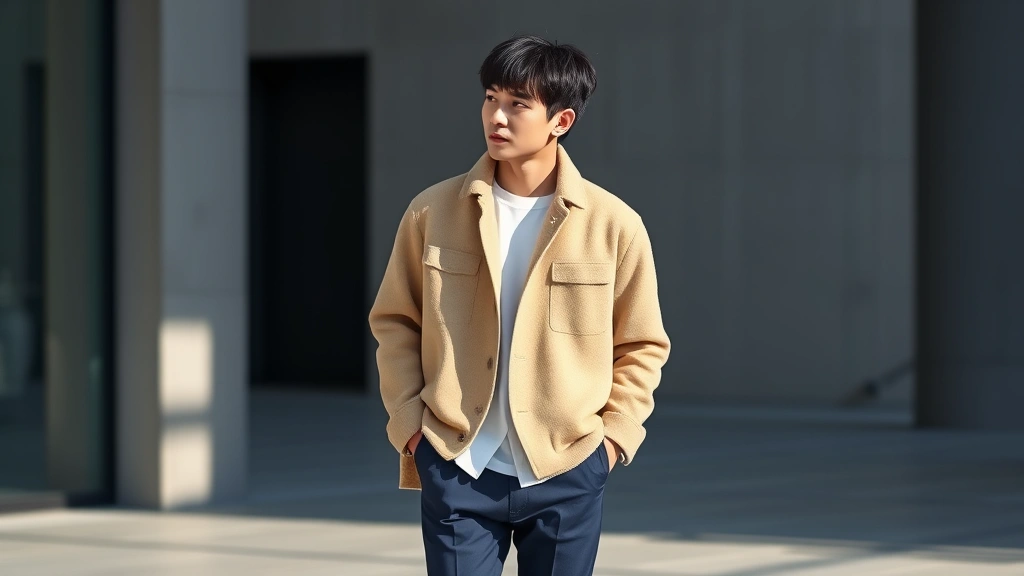
- Overshirts and jackets: Denim jackets, wool overshirts, and lightweight bombers serve as perfect layering pieces. Korean stylists often opt for oversized fits in these items.
The key to building these basics is choosing pieces from brands that prioritize fit and fabric quality. Look for fashion articles and guides that review fabric quality and construction details to make informed purchasing decisions.
Mastering Layering Techniques
Layering is perhaps the most distinctive aspect of Korean men’s fashion. This technique allows you to create visual interest, adjust to temperature changes, and express creativity with limited pieces. The art of layering involves understanding proportions and how different textures interact with one another.
The basic three-layer formula: Start with a fitted base layer like a plain t-shirt or tank top. Add a mid-layer such as a button-up shirt, sweater, or cardigan in a contrasting color or texture. Finally, top it with an oversized jacket or overshirt. This creates depth and dimension that elevates your overall appearance.
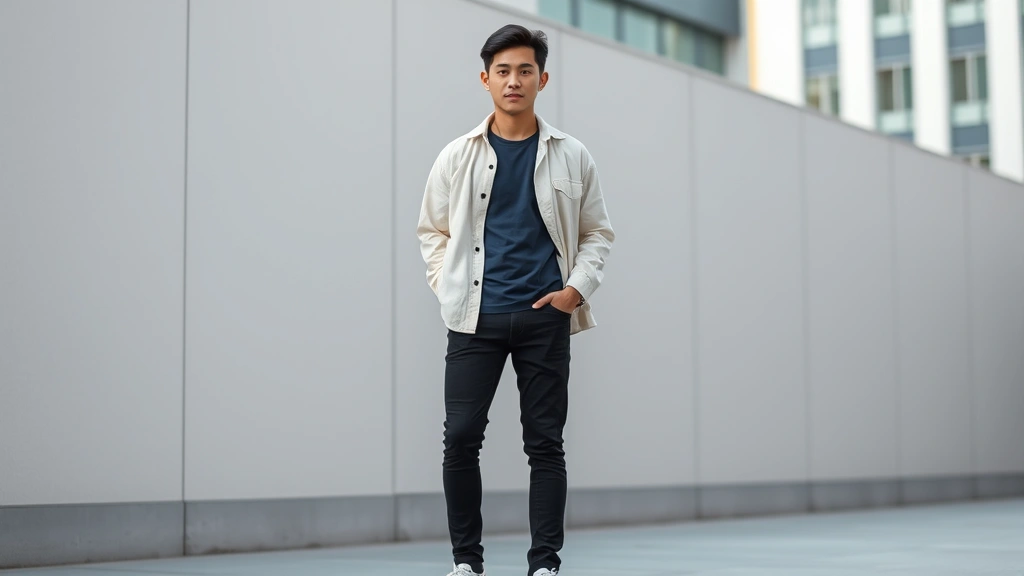
When layering, remember these essential tips: avoid matching oversized pieces together, as this can make you appear formless; ensure your base layer is visible and intentional; and use color contrast strategically. Many Korean stylists layer a cream button-up over a navy t-shirt, creating a subtle but effective visual effect. The undershirt should peek out noticeably at the neck and sleeves, showing that the layering is deliberate rather than accidental.
Texture mixing is another advanced technique. Combine smooth cotton with ribbed knits, pair denim with linen, or layer wool over silk. These textural contrasts create visual interest and demonstrate sophisticated styling knowledge. Korean fashion embraces the idea that looking polished doesn’t mean matching; it means understanding how different materials work together harmoniously.
Sleeve management is crucial when layering. Rolling sleeves to reveal a contrasting undershirt, or leaving cuffs visible, adds intentionality to your look. This small detail separates casual dressing from thoughtful styling and is a hallmark of Korean men’s fashion.
Color Palettes and Styling
Korean fashion for men traditionally relies on neutral and muted color palettes, though contemporary Korean style increasingly incorporates bold accents strategically. Understanding color theory helps you create cohesive, visually appealing outfits.
The neutral foundation: Black, white, navy, gray, beige, and cream form the backbone of Korean menswear. These colors are versatile, timeless, and allow other elements of your outfit to shine. A monochromatic outfit in varying shades of gray or navy demonstrates sophisticated styling without appearing boring.
Strategic color blocking: Korean stylists often introduce color through deliberate blocking—pairing a cream overshirt with navy trousers, or combining a beige cardigan with black jeans. The contrast creates visual interest while maintaining the overall sophisticated aesthetic.
Accent colors: Muted tones like sage green, dusty rose, soft terracotta, and powder blue serve as accent colors in Korean fashion. These appear in accessories, sweaters, or shirts and add personality without overwhelming the outfit. When exploring fashion icons who dress to impress, you’ll notice they use accent colors sparingly and intentionally.
The key principle is restraint. Rather than wearing multiple bright colors, Korean fashion suggests choosing one or two muted accent colors per outfit and building everything else around them. This approach creates visual harmony and allows your personal style to shine through without appearing chaotic.
Footwear and Accessories
Footwear and accessories are where Korean men’s fashion truly expresses personality and completes the overall silhouette. These elements deserve careful consideration as they significantly impact your overall appearance.
Footwear essentials: Clean white leather sneakers are non-negotiable in Korean fashion, serving as the foundation for countless casual outfits. Minimalist designs from brands emphasizing quality craftsmanship are preferred over heavily branded options. Black leather boots, loafers, and Chelsea boots offer smart-casual versatility. Korean stylists also embrace minimalist athletic shoes and slip-on sneakers for everyday wear. The rule is simple: shoes should be clean, well-maintained, and understated.
Accessories and details: Korean men often wear minimal jewelry—perhaps a simple silver or gold chain, a leather bracelet, or a watch with a clean design. Bags are another important accessory; structured backpacks, crossbody bags, and minimalist totes in black, navy, or tan are preferred. Scarves, particularly in neutral tones, add sophistication and can be styled in multiple ways. Hats like beanies, baseball caps, and bucket hats are popular and serve both functional and aesthetic purposes.
The accessory philosophy in Korean fashion is quality and intentionality. Every piece should serve a purpose and complement your outfit rather than compete with it. Avoid excessive branding or logos, as Korean style celebrates understated luxury.
Seasonal Styling Guide
Korean fashion adapts beautifully across seasons, with each period offering unique styling opportunities. Understanding seasonal nuances helps you maintain your style while staying comfortable.
Spring styling: Transitional layers become essential as temperatures fluctuate. Lightweight overshirts, linen jackets, and thin cardigans pair perfectly with basic t-shirts and jeans. Pastel accent colors and lighter fabrics come into play. This is an excellent time to experiment with texture mixing, combining smooth cotton with breathable linen.
Summer approach: Korean summer style emphasizes breathable fabrics and minimal layering. Linen shirts, lightweight cotton basics, and relaxed-fit shorts become staples. Cream, white, and light blue dominate the color palette. Many Korean stylists still incorporate layering through sheer shirts or lightweight overshirts worn unbuttoned. Accessories like bucket hats and sunglasses complete the look.
Fall fashion: Sweaters, cardigans, and wool overshirts return to prominence. Rich neutral tones like chocolate brown, burgundy, and forest green become accent colors. Layering reaches its creative peak in fall, with multiple textures and proportions creating visual interest. Boots replace sneakers as the primary footwear choice.
Winter styling: Long coats, wool blazers, and puffer jackets form the outerwear foundation. Chunky knits, turtlenecks, and thermal layers provide warmth while maintaining style. Monochromatic dressing becomes more prominent in winter, creating cohesive, polished looks. Accessories like scarves, beanies, and gloves are both functional and stylistic elements.
Building Your Korean-Inspired Wardrobe
Creating a cohesive Korean-inspired wardrobe requires strategic planning and intentional purchases. Rather than buying randomly, approach wardrobe building as a long-term investment in your personal style.
Step one: Define your foundation. Start by investing in quality basics—plain t-shirts, neutral button-ups, and well-fitting jeans. These pieces should be in neutral colors and made from quality materials. Budget appropriately for these foundational items, as they’ll be worn frequently.
Step two: Add layering pieces. Gradually introduce sweaters, cardigans, and overshirts in complementary colors and textures. These pieces should work with your basics and create interesting combinations. Aim for pieces that can be styled multiple ways.
Step three: Invest in outerwear. Quality jackets and coats are significant investments but essential for completing Korean-inspired looks. Choose timeless styles over trendy pieces. A classic denim jacket, a wool overshirt, and a structured coat provide versatility across seasons.
Step four: Choose footwear strategically. Invest in a quality white sneaker, black leather boots, and one pair of loafers. These three options cover most casual and smart-casual occasions. Prioritize comfort and quality construction over brand recognition.
Step five: Curate accessories thoughtfully. Add a quality watch, simple jewelry, a structured bag, and seasonal accessories like scarves or hats. These finishing touches complete your look and express personal style without overwhelming your outfit.
When building your wardrobe, consider exploring 90s fashion trends for inspiration, as Korean contemporary style often incorporates minimalist elements popularized during that era. Additionally, understanding fashion design principles can deepen your appreciation for construction and proportion in clothing.
Remember that building a wardrobe is a gradual process. Rather than purchasing everything at once, make intentional purchases over time. This approach ensures that every piece you buy works cohesively with existing items and reflects your personal style evolution. Quality pieces from reputable brands will last longer and provide better value than cheaper alternatives that need frequent replacement.
Korean fashion philosophy emphasizes that your wardrobe should feel personal and authentic. While this guide provides frameworks and principles, your individual interpretation matters most. Experiment with proportions, play with textures, and develop confidence in your styling choices. The most distinctly Korean approach is one that feels natural and true to your personality.
For additional inspiration and trend analysis, explore resources from Vogue, which regularly covers Korean fashion innovations and designer collections. Business of Fashion provides in-depth analysis of Korean fashion industry trends and emerging designers. Highsnobiety offers street style photography and trend forecasting that highlights Korean menswear aesthetics in real-world contexts.
FAQ
What makes Korean fashion different from Western men’s fashion?
Korean fashion emphasizes proportion consciousness, quality materials, meticulous attention to detail, and cultural authenticity. While Western fashion often prioritizes individual statement pieces, Korean style focuses on how all elements work together cohesively. The approach is more holistic and intentional, with careful consideration of silhouette, texture, and layering.
Can I wear Korean fashion if I’m not Asian?
Absolutely. Korean fashion is a universal style philosophy accessible to anyone regardless of ethnicity or background. Style is about understanding principles, proportion, and personal expression. Anyone can adopt Korean fashion aesthetics by learning the fundamentals and adapting them to their body type and personal preferences.
Is Korean fashion expensive?
Korean fashion doesn’t require excessive spending. The philosophy emphasizes quality over quantity, meaning you can build a stylish wardrobe by investing in well-made basics and wearing them multiple ways. Many affordable brands produce quality basics aligned with Korean fashion principles. Focus on investing in fewer, better pieces rather than accumulating many mediocre items.
How do I start incorporating Korean fashion into my current wardrobe?
Begin by evaluating your current basics and investing in quality neutral pieces if needed. Then gradually add layering items and practice proportion mixing. Start with simple combinations and build confidence over time. Remember that Korean fashion is about intentionality, so take time to understand how pieces work together before making purchases.
What are the best Korean fashion brands for men?
Brands like Acne Studios, Lemaire, and Raf Simons represent high-end Korean-inspired aesthetics. More accessible options include Uniqlo, COS, and Everlane, which prioritize quality basics and minimalist design. Korean domestic brands like Ader Error and Juun.J offer contemporary takes on Korean fashion. Choose brands aligned with your budget and style preferences.
How important is fit in Korean fashion?
Fit is absolutely critical. Korean fashion is built on proportion and silhouette, so pieces must fit intentionally. This doesn’t mean tight; it means that oversized pieces should be deliberately oversized, and fitted pieces should be precisely fitted. Tailoring is often necessary to achieve proper proportions for your body type.