
Jessica Simpson’s Style Evolution: Expert Insights
Jessica Simpson’s fashion journey stands as one of the most captivating transformations in entertainment history. From her early days as a pop princess in low-rise jeans and baby tees to her current status as a sophisticated entrepreneur and style icon, Simpson has consistently reinvented herself while maintaining an unmistakable personal aesthetic. Her evolution reflects broader shifts in fashion culture, celebrity influence, and the power of authenticity in style.
What makes Simpson’s style evolution particularly fascinating is how she’s navigated the pressure to conform to industry standards while carving out a distinct identity. Unlike many celebrities who follow trends blindly, Simpson has demonstrated a remarkable ability to adapt, experiment, and ultimately define what works for her body, lifestyle, and personal brand. This journey offers invaluable lessons for anyone seeking to understand how personal style develops over time.
Throughout her career, Simpson has collaborated with renowned fashion experts, designers, and stylists who’ve helped shape her public image while respecting her instincts. Her willingness to take risks, embrace vulnerability about her body image, and celebrate her curves has made her a relatable figure in an industry often criticized for unrealistic standards.
The Early Years: Pop Princess Era
When Jessica Simpson burst onto the music scene in the late 1990s, her fashion choices reflected the aesthetic of a generation obsessed with Y2K trends. She embodied the quintessential pop princess look: baby tees, cargo pants, low-rise jeans paired with visible thong underwear, and an array of colorful accessories. Her signature blonde hair, often styled in highlighted waves, became as iconic as her music.
During this period, Simpson’s style was heavily influenced by the broader celebrity culture of the era. Britney Spears, Christina Aguilera, and other pop stars shared similar fashion DNA, creating a uniform look that dominated red carpets and magazine covers. However, even in these early days, Simpson’s choices showed hints of individuality. She favored warmer tones and more feminine silhouettes compared to her contemporaries, often incorporating pink, pastels, and romantic details into her outfits.
Her reality television debut on “The Newlyweds: Nick and Jessica” in 2003 further cemented her status as a fashion influencer. The show provided unprecedented access to her personal style choices, allowing fans to see how she dressed for everyday life. This authenticity resonated with audiences and established Simpson as someone whose fashion choices felt accessible rather than purely aspirational.
Understanding this era of fashion history helps contextualize Simpson’s later evolution. The early 2000s represented a specific moment when celebrity culture was becoming increasingly transparent and interactive.
Becoming a Fashion Risk-Taker
By the mid-2000s, Simpson began experimenting with more daring fashion choices. She started working with renowned stylists and designers who challenged her to step outside her comfort zone. This period marked a significant shift from following trends to creating them. She embraced bold colors, unconventional silhouettes, and luxury designer pieces that showcased her willingness to take calculated risks.
One pivotal moment came when Simpson was photographed in high-fashion editorials that featured her in avant-garde designs and sophisticated styling. Publications like Vogue began recognizing her as more than a pop star—she was becoming a legitimate fashion figure. Her appearances at fashion weeks and high-profile events demonstrated her commitment to understanding fashion as an art form rather than merely a vehicle for celebrity.
During this transformative period, Simpson collaborated with stylists who understood the importance of dressing for her body type and personal preferences rather than forcing her into trends that didn’t serve her. This approach aligned perfectly with the emerging fashion style movement that emphasized individual expression over conformity.
Her red carpet appearances became increasingly sophisticated. She experimented with structured tailoring, dramatic gowns, and unexpected color combinations. While some looks received criticism, Simpson’s willingness to evolve and learn from fashion missteps demonstrated maturity and genuine interest in the craft of dressing well.
Body Confidence and Authentic Style
Perhaps the most significant aspect of Jessica Simpson’s style evolution involves her relationship with her body and how that relationship has influenced her fashion choices. In 2012, Simpson made headlines by losing 100 pounds and subsequently gaining it back, experiences she discussed openly in interviews and her memoir. Rather than viewing these changes as failures, Simpson used them as opportunities to redefine what beauty and confidence mean in fashion.
Her willingness to discuss body image publicly has been revolutionary in an industry that traditionally hides such realities. Simpson proved that style isn’t about fitting into a specific size or conforming to beauty standards—it’s about feeling comfortable and confident in your own skin. This philosophy has resonated with millions of women who’ve struggled with similar issues.
As Simpson’s body changed throughout her life—through pregnancies, lifestyle shifts, and personal growth—her style adapted accordingly. She learned to dress in ways that made her feel powerful and beautiful at every stage. This practical approach to different fashion styles and body types has made her a role model for body-positive fashion advocacy.
Her current approach emphasizes quality fabrics, well-fitted pieces, and designs that flatter her curves. Simpson has demonstrated that celebrating your body, whatever its size or shape, is the ultimate form of style confidence. She frequently wears form-fitting dresses, bold prints, and colors that enhance her natural beauty rather than hide it.
This evolution reflects a broader shift in fashion culture toward inclusivity and body diversity. Simpson’s influence on this movement cannot be overstated. By refusing to apologize for her body or conform to unrealistic standards, she’s helped normalize conversations about beauty that were previously considered taboo in celebrity circles.
Business Ventures and Brand Identity
Beyond her work as an entertainer and television personality, Jessica Simpson has become a successful entrepreneur with a fashion empire. Her clothing and accessories lines have generated billions in revenue, making her one of the most commercially successful celebrity fashion brands. This business acumen has fundamentally shaped how she approaches personal style.
Simpson’s business ventures have allowed her to translate her fashion philosophy into tangible products. Her brand emphasizes accessible luxury—stylish, well-made pieces that don’t require a celebrity budget. This democratization of fashion reflects her belief that everyone deserves to feel beautiful and confident regardless of their income level.
The success of her business ventures has also given Simpson credibility within the fashion industry. She’s no longer seen solely as a celebrity who wears clothes; she’s recognized as a designer and entrepreneur who understands the complexities of fashion production, marketing, and consumer behavior. This perspective has influenced her personal style choices, which now reflect her deep understanding of quality, construction, and timeless design principles.
Working with established fashion accessories and apparel designers has expanded Simpson’s fashion vocabulary. She’s learned from industry professionals about color theory, fabric selection, and design principles that inform her personal choices. This education is evident in how she now approaches her own wardrobe with the eye of someone who understands the mechanics of creating beautiful, functional clothing.
Current Aesthetic and Timeless Appeal
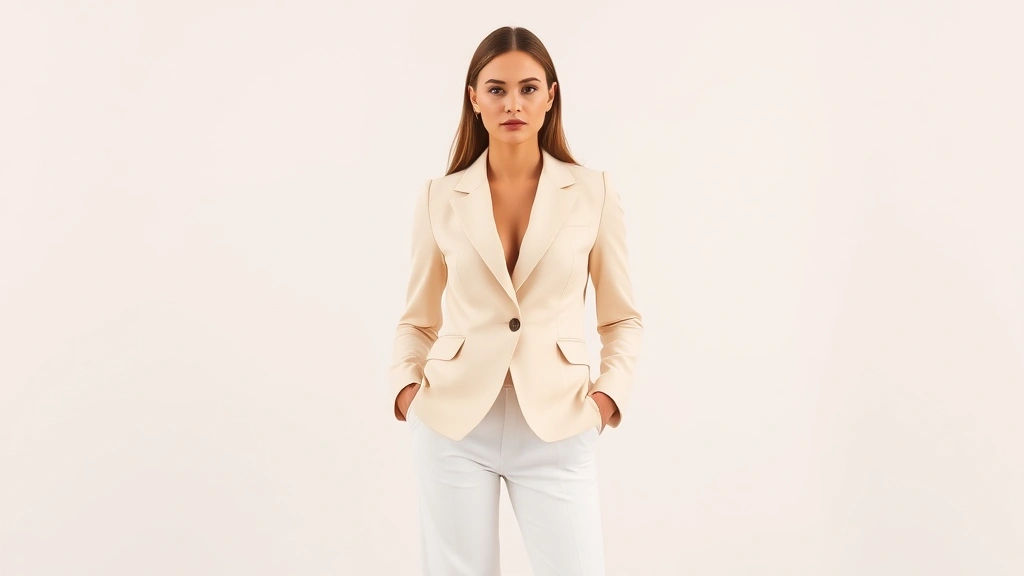
Jessica Simpson’s current style represents a sophisticated synthesis of everything she’s learned throughout her career. Gone are the days of trend-chasing; instead, she focuses on timeless pieces that reflect her mature aesthetic. Her wardrobe now features classic silhouettes, neutral color palettes punctuated with strategic bold choices, and investment pieces from luxury designers.
Her recent red carpet appearances showcase a refined approach to glamour. She opts for elegant gowns that emphasize her figure while maintaining sophistication. Her color choices have evolved to include rich jewel tones, warm neutrals, and occasionally daring statement colors. She pairs these pieces with understated jewelry and polished grooming that speaks to a woman confident in her own skin.
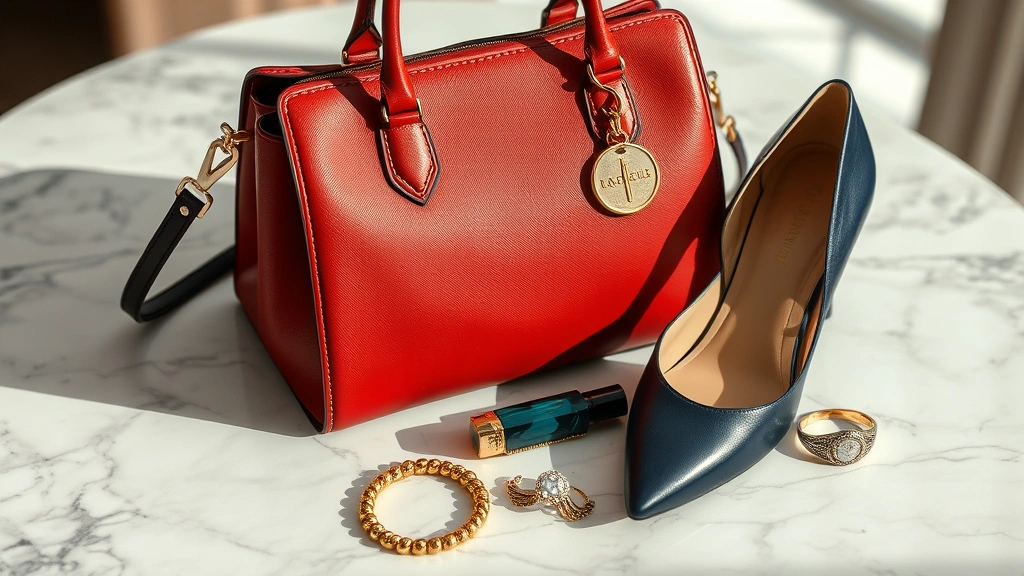
Simpson’s everyday style has also matured considerably. She’s frequently photographed in well-fitted jeans, cashmere sweaters, and designer handbags—pieces that represent the intersection of comfort and luxury. Her approach to casual dressing demonstrates that style doesn’t require constant reinvention; sometimes it’s about finding what works and perfecting it.
What distinguishes Simpson’s current aesthetic is its consistency. Unlike many celebrities who reinvent themselves with each new project or relationship, Simpson has developed a coherent personal style that evolves gradually rather than drastically. This stability suggests someone who has genuinely discovered what makes her feel beautiful and confident.
Her influence on contemporary fashion remains significant. Many fashion editors and stylists cite Simpson as an example of someone who has successfully navigated the precarious balance between trendy and timeless. Her willingness to take risks early in her career while ultimately settling into a refined aesthetic provides a blueprint for personal style development.

Style Lessons from Simpson
Jessica Simpson’s fashion journey offers several valuable lessons for anyone seeking to develop their own personal style. First and foremost, she demonstrates that style evolution is not something that happens overnight. It’s a gradual process of experimentation, learning from mistakes, and refining your understanding of what works for your body and personality.
Second, Simpson’s example shows the importance of dressing for yourself rather than for external validation. While she’s certainly aware of media scrutiny and fashion criticism, her most confident style choices come from a place of personal preference rather than a desire to please others. This authenticity is what makes her fashion choices compelling and relatable.
Third, Simpson illustrates the power of body confidence in fashion. Regardless of her size or the changes her body has undergone, she refuses to hide or apologize. This approach has made her a role model for women of all body types who struggle with fashion confidence. Her message is simple: your body is worthy of beautiful clothes, right now, as you are.
Fourth, Simpson’s career demonstrates the importance of working with professionals who understand your vision. Her collaborations with talented stylists, designers, and creative directors have elevated her fashion game while respecting her personal preferences. She hasn’t tried to be someone she’s not; instead, she’s worked with experts to become the best version of herself.
Finally, Simpson shows that fashion should be fun and experimental. Her willingness to take risks—even when those risks didn’t always pay off—has kept her style fresh and interesting. She’s taught the fashion world that it’s okay to try new things, learn from failures, and evolve your aesthetic over time.
FAQ
What was Jessica Simpson’s signature style in the early 2000s?
Jessica Simpson’s early 2000s signature style featured low-rise jeans, baby tees, colorful accessories, and highlights in her blonde hair. She embodied the Y2K pop princess aesthetic but with a more feminine, romantic twist compared to her contemporaries.
How has Jessica Simpson’s body image influenced her fashion choices?
Simpson’s openness about her body changes has profoundly influenced her approach to fashion. Rather than hiding her curves, she now celebrates them through well-fitted pieces that enhance her figure. Her body-positive approach has made her an advocate for inclusive fashion and realistic beauty standards.
What is Jessica Simpson’s current fashion philosophy?
Simpson’s current philosophy emphasizes timeless pieces, quality construction, and dressing for personal confidence rather than trends. She focuses on classic silhouettes, well-chosen colors, and investment pieces that reflect her mature, refined aesthetic.
How has Jessica Simpson’s business influenced her personal style?
Her fashion business ventures have deepened her understanding of design, quality, and consumer needs. This professional knowledge informs her personal style choices, making her wardrobe a reflection of someone who truly understands fashion construction and timeless design principles.
What can we learn from Jessica Simpson’s style evolution?
Simpson’s journey teaches us that personal style develops gradually through experimentation and self-discovery. She demonstrates the importance of dressing authentically, working with professionals, maintaining body confidence, and viewing fashion as a form of self-expression rather than external validation.
Has Jessica Simpson’s style influenced fashion trends?
Yes, Simpson has significantly influenced fashion trends throughout her career. From popularizing certain silhouettes in the early 2000s to championing body-positive fashion in recent years, her choices have shaped how celebrities and consumers approach personal style.