Cider Fast Fashion: What You Need to Know
Cider has emerged as one of the most talked-about brands in the contemporary fashion landscape, captivating Gen Z consumers with its trendy, affordable aesthetic. But the question remains: is Cider truly fast fashion? Understanding this brand requires diving deep into its business model, production practices, and impact on the industry. As style-conscious shoppers become increasingly aware of fashion’s environmental and social costs, brands like Cider present a complex paradox—offering accessible style while raising important questions about sustainability and ethical manufacturing.
The rise of ultra-fast fashion has fundamentally transformed how we consume clothing. Brands that can turn trends into products within weeks have captured the hearts and wallets of younger consumers who crave constant novelty. Cider, with its Instagram-native aesthetic and rapid inventory turnover, fits squarely within this paradigm. However, the brand’s positioning as a digitally-native, direct-to-consumer company adds layers of nuance to the conversation. This comprehensive guide explores what Cider is, whether it qualifies as fast fashion, and what that means for your wardrobe and values.
What Is Cider Fashion?
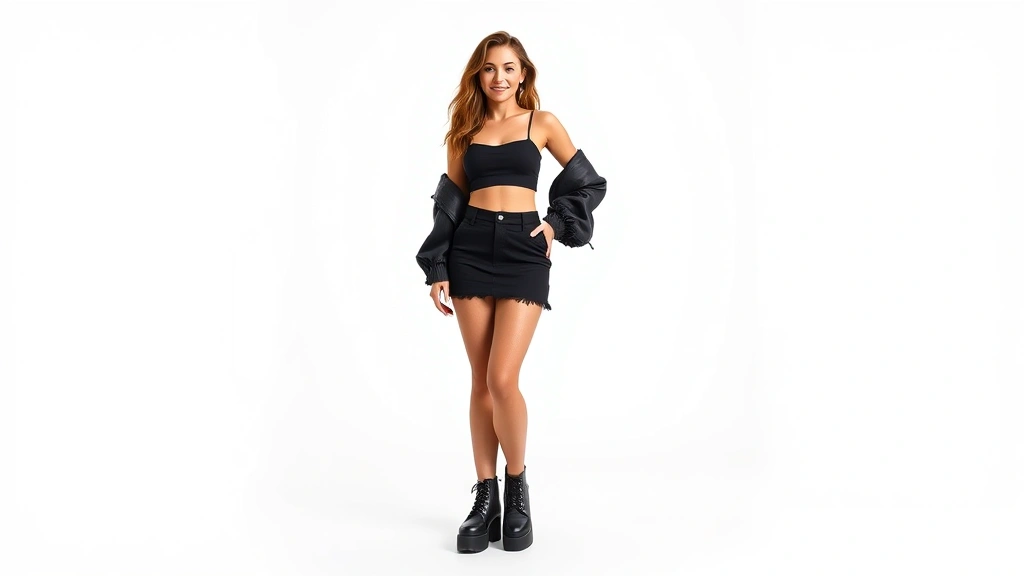
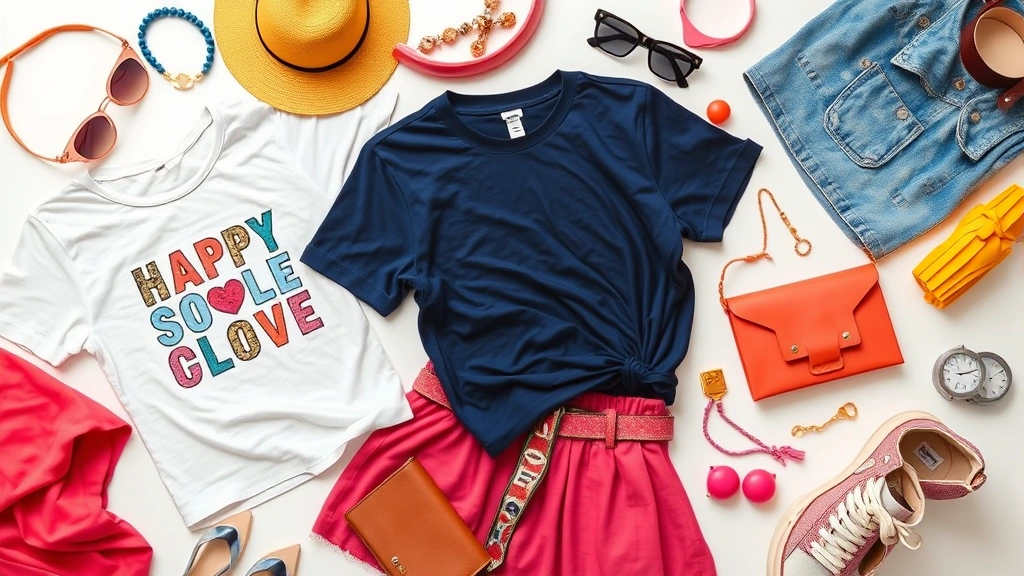
Cider is a Chinese-based fashion brand that launched in 2020, quickly gaining traction among Gen Z and millennial consumers through social media marketing and influencer partnerships. The brand specializes in trendy, affordable clothing that appeals to young shoppers seeking to express their personal style without breaking the bank. Their aesthetic leans heavily into Y2K nostalgia, bold graphics, mini silhouettes, and playful designs that dominate TikTok and Instagram feeds.
Operating primarily through a direct-to-consumer (DTC) model via their mobile app and website, Cider eliminates traditional retail intermediaries. This approach allows them to offer competitive pricing while maintaining higher profit margins. The brand’s inventory rotates rapidly, with new styles appearing weekly—sometimes even daily. This constant stream of novelty creates a sense of urgency among consumers, encouraging frequent purchases and repeat visits to the app.
Cider’s success stems from understanding their target demographic intimately. They price points fall between ultra-budget retailers and mid-range brands, making trendy fashion accessible to teenagers and young adults with limited disposable income. Their marketing strategy leverages TikTok creators and Instagram influencers who showcase styling ideas, creating organic reach and community engagement that traditional advertising struggles to achieve.

Understanding Fast Fashion
Before determining whether Cider qualifies as fast fashion, we must establish what fast fashion actually means. Fast fashion refers to a business model characterized by rapid design-to-retail cycles, high volume production, affordable pricing, and constant inventory turnover. Brands in this category prioritize speed and profit over quality and sustainability.
Key characteristics of fast fashion include:
- Rapid Production Cycles: New collections released weekly or even daily rather than seasonally
- Trend-Driven Design: Styles copied from runway shows, celebrities, and social media influencers
- Low Price Points: Affordability achieved through cost-cutting in labor and materials
- High Volume Sales: Reliance on quantity to generate profits rather than quality or longevity
- Disposable Mentality: Encouraging consumers to view clothes as temporary rather than investment pieces
- Minimal Quality Control: Faster production often means less attention to durability and construction
- Supply Chain Opacity: Limited transparency about manufacturing locations and labor practices
Traditional fast fashion giants like H&M, Zara, and Forever 21 pioneered this model, but the landscape has evolved significantly. The emergence of social commerce and app-based shopping has created a new generation of ultra-fast fashion brands that operate at even faster speeds than their predecessors.
Cider’s Business Model Explained
Cider’s business model incorporates several elements that align with fast fashion while also differentiating itself in meaningful ways. As a digitally-native brand, Cider operates without physical storefronts, reducing overhead costs and allowing them to test styles quickly through their app. This agility enables rapid response to trending topics, viral moments, and consumer preferences captured in real-time through social media data.
The brand employs a data-driven approach to inventory management. By monitoring social media conversations, hashtags, and engagement metrics, Cider identifies emerging trends before they reach mainstream awareness. Their design team then rapidly produces samples, tests them with select influencers or through limited releases, and scales production based on demand signals. This approach minimizes the risk of overproduction while maximizing the likelihood of bestsellers.
Pricing strategy is central to Cider’s appeal. Most items retail between $15-$40, positioning them as affordable for their target demographic. This low-price-high-volume model requires minimizing production costs. The brand sources manufacturing through partner factories, primarily in Asia, leveraging economies of scale to keep unit costs low. However, this cost structure inevitably raises questions about labor conditions and material quality.
Their loyalty program and app-exclusive deals create incentives for repeat purchases and data collection. Every interaction—browsing patterns, wishlist items, purchase history—provides valuable information that informs future design decisions. This creates a feedback loop where consumer behavior directly shapes what gets produced, further accelerating the trend-to-product cycle.
Production and Manufacturing Practices
One of the most critical aspects of evaluating Cider’s fast fashion status involves examining their actual production practices. Like many DTC fashion brands, Cider maintains limited public information about manufacturing locations and labor conditions. The brand works with factories across Asia, primarily in China and Vietnam, though specific facility details remain largely undisclosed.
The lack of transparency presents challenges for consumers wanting to make informed choices. Cider has not published detailed sustainability reports or third-party labor audits that would provide assurance about working conditions, wage standards, or environmental practices at their manufacturing partners. This opacity is common among fast fashion brands and represents a significant gap in corporate accountability.
Material sourcing also reflects fast fashion priorities. To maintain low price points, Cider relies heavily on synthetic fabrics and polyester blends rather than premium natural fibers. While synthetic materials offer advantages like durability and easy care, their production involves petroleum-based inputs and creates microplastic pollution concerns. The brand occasionally features sustainable materials in limited collections, but these represent exceptions rather than standard practice.
Quality construction appears to be another area where cost-cutting manifests. Consumer reviews frequently mention issues with seams coming undone, fading after washing, and overall durability concerns. Many shoppers treat Cider purchases as disposable items expected to last a single season, which aligns perfectly with fast fashion’s throwaway mentality. For comparison, exploring different types of fashion styles reveals how investment pieces contrast with trend-driven purchases.
Environmental and Sustainability Impact
The environmental footprint of Cider’s operations reflects typical fast fashion concerns, amplified by their rapid production cycles and synthetic material dependence. Each weekly or daily inventory refresh requires energy-intensive manufacturing, packaging, and shipping—primarily through international air freight to meet rapid delivery expectations.
Textile waste represents a significant environmental cost. When clothing falls apart quickly or goes out of style within weeks, it inevitably ends up in landfills. A single garment produced through fast fashion practices might be worn only a handful of times before disposal. Multiplied across millions of consumers, this creates staggering waste volumes. The fashion industry already accounts for approximately 10% of global carbon emissions and generates enormous water pollution through dyeing and finishing processes.
Cider’s packaging practices also merit scrutiny. The brand ships items in plastic mailers with tissue paper and stickers, creating packaging waste with each order. While some packaging is recyclable, the volume of shipments required to serve their customer base generates substantial material waste. The environmental cost of international shipping—predominantly through air freight to meet rapid delivery windows—further compounds their carbon footprint.
Water usage in textile production remains largely invisible to consumers but represents a critical environmental concern. Producing a single cotton t-shirt requires approximately 2,700 liters of water. When multiplied across Cider’s production volumes, the water consumption becomes staggering. Synthetic fabrics, their primary material choice, present different but equally serious concerns through microplastic shedding during manufacturing and washing.
The brand has made limited commitments to sustainability improvements. Unlike some competitors who have pledged carbon neutrality or launched circular fashion initiatives, Cider remains relatively quiet on environmental goals. This absence of public commitment suggests sustainability remains a lower priority than rapid growth and market expansion.
The Consumer Perspective
Understanding why consumers choose Cider requires examining the complex motivations driving fast fashion purchases. For many young shoppers, particularly those with limited budgets, Cider offers something traditional retail cannot: affordable access to trend-forward fashion that feels current and connected to their social media communities.
The psychological appeal of constant newness cannot be overlooked. Cider’s daily inventory refreshes create genuine excitement and FOMO (fear of missing out) among their customer base. Styles sell out quickly, encouraging impulsive purchases and repeat app visits. This mirrors the dopamine hits associated with social media scrolling, creating habit-forming shopping behaviors.
Price accessibility democratizes fashion participation. A teenager earning minimum wage can afford to buy multiple items from Cider, whereas traditional retail requires choosing between fewer, more expensive pieces. This accessibility has real value for young people navigating identity formation and self-expression through clothing. The ability to experiment with fashion accessories and complete looks without significant financial risk appeals to exploratory shoppers.
However, consumer awareness of fast fashion’s costs is growing. Many Cider shoppers acknowledge the quality concerns and environmental implications while continuing to purchase. This cognitive dissonance reflects the tension between personal desires and broader values—a challenge many conscious consumers face in contemporary capitalism. Some shoppers justify purchases by focusing on the brand’s affordability and accessibility rather than its sustainability metrics.
Community and social validation also drive Cider purchases. Seeing influencers and peers wearing Cider items creates social pressure to participate. The brand has effectively positioned itself as culturally relevant and in-the-know, making their products feel like necessary status symbols within Gen Z social hierarchies.
Finding Sustainable Alternatives
If Cider’s fast fashion model conflicts with your values, numerous alternatives exist at various price points and style aesthetics. Understanding fashion history reveals how sustainable practices have deeper roots than contemporary trends suggest.
Secondhand and Vintage Shopping: Thrift stores, Depop, Poshmark, and Vestiaire Collective offer affordable fashion with zero environmental production cost. Vintage pieces often feature superior construction quality compared to modern fast fashion, making them better long-term investments despite their age.
Slow Fashion Brands: Companies like Patagonia, Reformation, and Everlane prioritize transparency, quality materials, and ethical manufacturing. While pricier than Cider, their durability means cost-per-wear often favors these brands. Many offer payment plans making them more accessible.
Capsule Wardrobe Approach: Rather than constantly buying new items, curating a smaller collection of versatile, quality pieces reduces consumption overall. This philosophy emphasizes intentional purchases over impulse buying, naturally aligning with more sustainable practices.
Rental and Subscription Services: Platforms like Rent the Runway and Nuuly allow trying trendy items without permanent ownership, capturing the novelty appeal of fast fashion while reducing overall consumption and waste.
DIY and Customization: Thrifted basics paired with alterations, embroidery, or other customizations create unique pieces while extending garment lifespans and supporting local artisans.
Emerging Sustainable Brands: Newer companies like Girlfriend Collective, Organic Basics, and Others prioritize sustainability from inception rather than retrofitting existing models. Supporting these brands encourages industry-wide transformation toward better practices.
For those interested in fashion careers and education, exploring the best fashion design schools reveals how future industry leaders are being trained to think differently about sustainability and ethics.
FAQ
Is Cider considered fast fashion?
Yes, Cider exhibits all hallmarks of fast fashion: rapid inventory turnover, trend-driven design, affordable pricing achieved through cost-cutting, and a disposable mentality. Their digital-native model represents ultra-fast fashion, operating at even faster speeds than traditional fast fashion retailers.
Where does Cider manufacture their clothing?
Cider manufactures primarily through partner factories in Asia, mainly in China and Vietnam. However, the brand provides limited transparency about specific manufacturing locations, labor practices, or facility conditions.
Is Cider clothing good quality?
Consumer reviews generally indicate that Cider clothing is lower quality, with concerns about durability, seam integrity, and fabric longevity. Most pieces are designed for single-season wear rather than long-term investment. Prices reflect this quality level, with items typically costing $15-$40.
What are the environmental impacts of shopping at Cider?
Cider’s environmental costs include rapid production cycles requiring significant energy and water usage, reliance on synthetic materials and microplastics, packaging waste from individual shipments, international air freight emissions, and the contribution to textile waste through disposable fashion consumption.
Does Cider have a sustainability program?
Cider has not published comprehensive sustainability initiatives, carbon reduction goals, or detailed environmental commitments comparable to competitors. The brand remains largely silent on sustainability efforts, suggesting it remains a lower organizational priority.
What should I do if I’ve already purchased from Cider?
Focus on maximizing the lifespan of items already purchased by styling them in multiple ways, properly caring for garments, and considering repairs or alterations. When pieces become unwearable, explore secondhand resale through Depop or Poshmark to extend their lifecycle.
Are there affordable alternatives to Cider?
Yes, secondhand shopping through thrift stores and apps like Depop offers affordability with zero production impact. Emerging sustainable brands increasingly offer competitive pricing, and rental services like Nuuly provide trend-forward options without ownership.
Disclaimer: This article reflects current information and industry analysis. Fast fashion brands continuously evolve their practices, so readers should verify current policies directly with the brand.