How to Style Vintage Outfits: Expert Advice on Making Old Fashioned Looks Modern
Vintage fashion has transcended its status as a niche aesthetic to become a mainstream style statement embraced by fashion enthusiasts, celebrities, and designers worldwide. The art of styling vintage outfits goes far beyond simply throwing on a decades-old piece—it requires intentionality, understanding, and a keen eye for balance. Whether you’re drawn to the glamorous silhouettes of the 1950s, the bohemian vibes of the 1970s, or the grunge aesthetics of the 1990s, learning how to make old fashioned looks feel contemporary is an essential skill in modern fashion.
The resurgence of vintage styling reflects a broader cultural shift toward sustainability, individuality, and conscious consumption. Today’s fashion landscape celebrates those who can masterfully blend retro pieces with modern elements, creating outfits that tell a story while remaining undeniably current. This comprehensive guide will walk you through expert strategies for transforming vintage pieces into sophisticated, wearable ensembles that honor the past while embracing the present.
Understanding Vintage Fashion Eras
Before you can effectively style vintage outfits, you must develop a deep understanding of the different fashion eras and their defining characteristics. Each decade brought distinct silhouettes, fabric choices, color palettes, and design philosophies that shaped the aesthetic of the time. Exploring the complete fashion history timeline provides invaluable context for understanding how vintage pieces fit into the broader narrative of style evolution.
The 1920s introduced the flapper era with its dropped waistlines, loose-fitting silhouettes, and rebellious spirit. The 1940s brought structure and practicality during wartime, featuring strong shoulders and utilitarian designs. The 1950s celebrated femininity with full skirts, cinched waists, and polished elegance—think Audrey Hepburn and Grace Kelly. The 1960s revolutionized fashion with mod aesthetics, mini skirts, and bold geometric patterns. The 1970s embraced bohemian influences, earth tones, and flowing fabrics. Understanding these distinctions helps you authentically represent each era while making informed styling choices.
According to Vogue, vintage fashion is increasingly viewed as an investment in timeless style rather than a temporary trend. This shift in perception has elevated the importance of understanding vintage aesthetics at a deeper level. When you comprehend why a 1960s A-line dress was designed with specific proportions or why 1970s velvet was considered luxurious, you gain the knowledge needed to style these pieces with confidence and sophistication.
The Art of Mixing Eras
The most compelling vintage outfits today masterfully blend pieces from different decades, creating a curated, intentional aesthetic that feels fresh rather than costume-like. This approach prevents your look from appearing dated and instead positions it as deliberately eclectic and fashion-forward. The key is understanding which era’s pieces complement each other and which combinations create visual harmony.
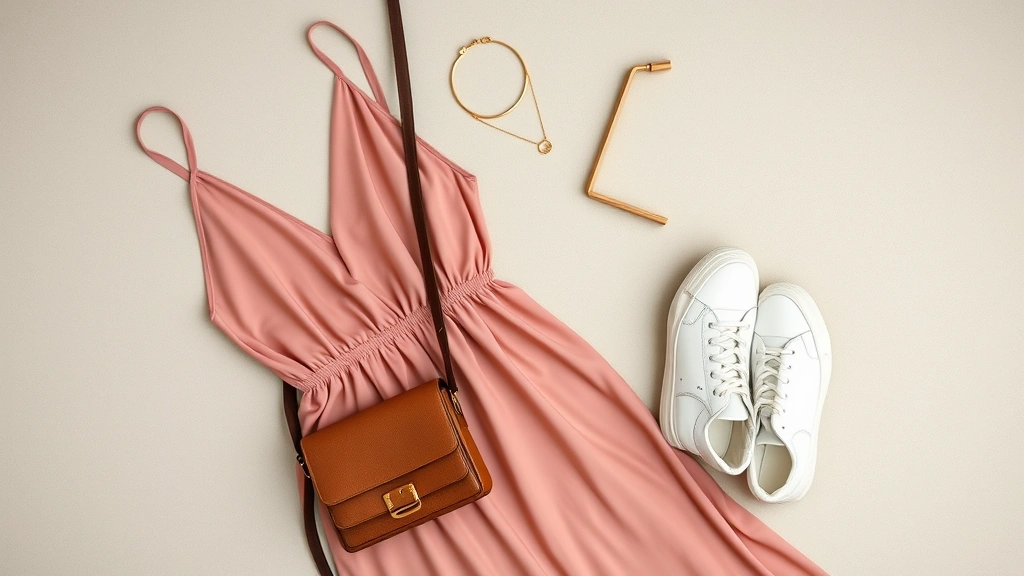
One effective strategy involves pairing a statement vintage piece—such as a 1950s pencil skirt or a 1970s printed blouse—with contemporary basics. This grounds the vintage item in modern styling while allowing it to shine as the focal point of your outfit. For instance, pair a vintage silk slip dress from the 1990s with a contemporary oversized blazer and modern sneakers. The result feels current while honoring the original piece’s era.
Another sophisticated approach combines complementary eras. The minimalist aesthetic of 1990s fashion pairs beautifully with vintage 1970s pieces, as both embrace simplicity and clean lines. Similarly, 1960s mod pieces work wonderfully alongside contemporary streetwear, creating an urban-meets-retro vibe. To deepen your understanding of how different decades can work together, explore our guide on how to find your personal style, which discusses developing a cohesive aesthetic across time periods.
Fashion historian and stylist insights suggest that the most successful vintage styling occurs when one piece anchors the outfit in its original era while surrounding elements pull it forward into contemporary fashion. This balance prevents the wearer from appearing theatrical while celebrating the vintage piece’s authentic beauty.
Accessorizing Vintage Pieces
Accessories serve as the bridge between vintage and modern styling, making them absolutely crucial in your vintage fashion strategy. The right accessories can instantly update a dated piece, while poor accessory choices can make even the most beautiful vintage garment look like a costume.
When styling vintage outfits, consider using modern accessories to ground the look in the present. Contemporary jewelry with clean lines, minimalist bags, and current-season footwear create visual anchors that signal intentional styling rather than accidental retro appearance. A 1950s dress paired with a sleek modern handbag and contemporary jewelry feels curated and sophisticated, whereas the same dress styled with period-accurate accessories might read as overly themed.
Conversely, vintage accessories can enhance a look when used strategically. Authentic vintage belts, scarves, and jewelry add depth and authenticity without overwhelming an outfit. The trick is mixing eras—perhaps a contemporary dress with a vintage Hermès scarf, or modern trousers with a vintage brooch. This creates visual interest while maintaining balance.
Consider the scale and proportion of your accessories in relation to your vintage piece. Oversized contemporary jewelry can overwhelm delicate vintage pieces, while dainty vintage accessories might disappear when paired with bold modern garments. Strategic accessorizing transforms how vintage pieces integrate into your wardrobe, making them wearable for everyday situations rather than reserved for special occasions.
Color Coordination and Patterns
Understanding color theory becomes essential when styling vintage outfits, as many vintage pieces feature color palettes that differ dramatically from contemporary fashion norms. Vintage garments often showcase muted earth tones, jewel tones, or the bright primaries popular during their era, requiring thoughtful coordination with modern pieces.
One approach involves using your vintage piece as the color anchor for your entire outfit. If you’re wearing a vintage blouse in a 1970s mustard yellow, build your outfit around this color by pairing it with neutral or complementary tones like cream, camel, or rust. This prevents the look from appearing too costume-y while celebrating the vintage piece’s unique color story.
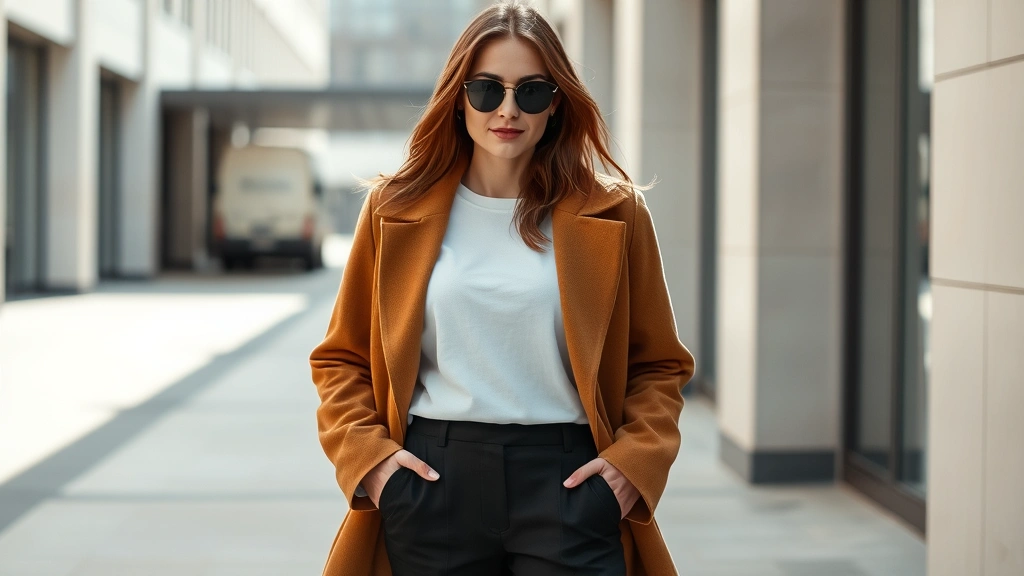
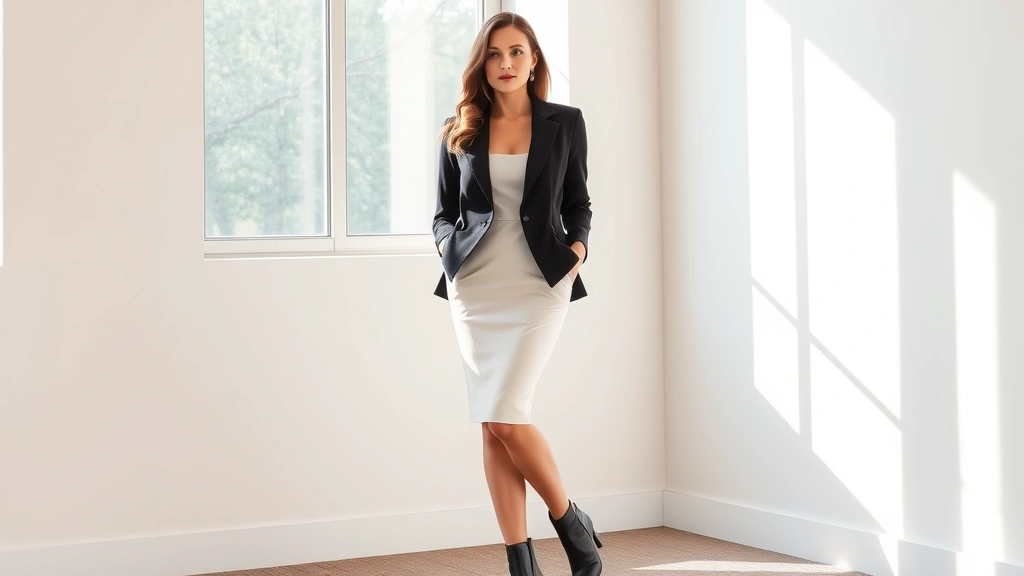
Conversely, you can neutralize bold vintage colors by pairing them with contemporary neutrals. A vintage printed dress in multiple colors becomes more wearable when styled with a simple white t-shirt underneath, a black blazer, and neutral accessories. This approach allows you to wear statement pieces from your vintage collection in professional or casual settings without overwhelming your overall aesthetic.
Pattern mixing represents another advanced technique in vintage styling. Combining a vintage patterned piece with contemporary solid-colored garments creates visual interest while maintaining sophistication. However, mixing two patterned vintage pieces requires careful attention to scale and color harmony. For inspiration on how patterns work together, explore our StyleLoom Daily Blog, which regularly discusses pattern coordination strategies.
Footwear Strategies
Footwear choices dramatically impact how vintage outfits read to the modern eye. The shoes you select can either anchor a vintage look in contemporary fashion or push it into costume territory. This decision represents one of the most powerful styling tools at your disposal.
Contemporary footwear—including modern sneakers, sleek loafers, minimalist sandals, or current-season heels—immediately signals that your vintage styling is intentional rather than accidental. Pairing a 1950s dress with white leather sneakers or modern ballet flats creates a fresh, unexpected combination that feels thoroughly modern. This strategy works particularly well when you want to wear vintage pieces in casual or professional settings.
Conversely, vintage-appropriate footwear can enhance period authenticity when used judiciously. Vintage leather shoes, classic pumps from the same era as your outfit, or period-accurate boots can complete a vintage look beautifully. However, ensure these vintage shoes are in excellent condition and pair well with contemporary elements of your outfit to avoid appearing as though you’ve stepped out of a time machine.
The most versatile approach involves investing in timeless footwear styles that transcend eras. A well-made leather pump, a classic loafer, or quality leather boots work across decades and styling approaches. These foundational pieces allow you to experiment with vintage garments without requiring an extensive vintage shoe collection.
Silhouette Balance and Proportion
Understanding silhouette and proportion represents perhaps the most technical aspect of styling vintage outfits successfully. Each era emphasized different body proportions and silhouettes, and recognizing these differences helps you create balanced, flattering ensembles.
The 1950s celebrated structured femininity with cinched waists, full skirts, and defined shoulders. If you’re wearing a 1950s piece that emphasizes these proportions, balance it with more relaxed contemporary pieces. Pair a fitted 1950s dress with an oversized contemporary cardigan or modern boyfriend blazer to prevent the look from feeling too costume-like. Conversely, if your vintage piece is loose and flowing—perhaps a 1970s caftan—balance it with more fitted contemporary pieces like fitted trousers or a structured jacket.
This principle of proportion balance applies across all vintage eras. The voluminous silhouettes of 1980s fashion require pairing with streamlined contemporary pieces. The minimalist cuts of 1990s fashion work beautifully with textured or embellished contemporary garments. By understanding how silhouette and proportion function, you can create outfits that feel intentional and sophisticated rather than haphazard.
Consider how vintage pieces interact with your body type and personal proportions. A piece might be beautifully designed, but if it doesn’t flatter your figure, styling won’t solve this fundamental issue. The best vintage styling celebrates your body while honoring the piece’s original design intent.
Layering Techniques
Strategic layering transforms vintage pieces into versatile wardrobe staples suitable for multiple seasons and occasions. Layering also provides an excellent method for modernizing vintage pieces and creating outfit depth that feels contemporary rather than dated.
One effective technique involves layering contemporary pieces over or under vintage garments. A vintage slip dress becomes a sophisticated layered piece when worn over a contemporary long-sleeved shirt or under a modern oversized blazer. This approach extends the wearability of delicate or sheer vintage pieces while creating visual interest and dimension.
Alternatively, layer vintage pieces to create textural contrast and visual complexity. A vintage leather jacket over a vintage band tee creates authentic vintage styling when balanced with contemporary bottoms and footwear. This layering approach allows you to wear multiple vintage pieces together without the outfit reading as a costume.
Seasonal layering also makes vintage pieces more practical. Layer vintage pieces with contemporary outerwear appropriate for current weather. A vintage sundress becomes a year-round piece when paired with contemporary tights, boots, and a modern cardigan or jacket. This flexibility encourages you to wear vintage pieces more frequently, maximizing your investment in these unique garments.
Hair, Makeup, and Styling
Hair and makeup choices significantly influence how vintage outfits appear in the context of contemporary fashion. The complete styling package—including hair, makeup, and overall grooming—determines whether your vintage outfit reads as intentionally curated or accidentally dated.
Contemporary hair and makeup typically ground a vintage look in the present day. A sleek modern haircut or current hairstyle paired with contemporary makeup—featuring current color palettes, techniques, and finishes—signals that your vintage styling is deliberate and fashion-forward. This approach allows vintage pieces to shine without feeling like a historical recreation.
However, subtle vintage-inspired hair and makeup can enhance vintage styling when approached thoughtfully. A vintage hairstyle doesn’t require period-accurate execution; instead, consider the spirit of the era. A 1970s-inspired wave or a 1950s-influenced victory roll interpreted through a modern lens adds cohesion to your outfit without appearing costume-like. Similarly, vintage-inspired makeup—perhaps a cat-eye liner inspired by the 1960s or a bold lip color reminiscent of the 1980s—can complement your vintage pieces when executed with modern technique and products.
The key involves balance and intentionality. Your hair and makeup should feel like a natural extension of your personal style rather than a theatrical recreation of a specific era. This approach ensures your entire look—from vintage garments to contemporary or subtly vintage-inspired hair and makeup—creates a cohesive, fashion-forward aesthetic.
For deeper insights into developing a comprehensive personal style that encompasses all elements of your appearance, our guide on 90s fashion explores how era-specific trends can inform contemporary styling choices. Additionally, understanding how to style bodycon dresses provides valuable lessons in proportion and silhouette that apply across vintage styling.
FAQ
How do I find authentic vintage pieces?
Authentic vintage pieces come from various sources including vintage boutiques, online platforms like Depop and Vestiaire Collective, estate sales, and thrift stores. Look for quality construction, original tags or labels, and pieces that show appropriate signs of age without excessive damage. Building relationships with trusted vintage sellers helps ensure authenticity and quality.
Can I wear vintage pieces to professional settings?
Absolutely. Vintage pieces often feature superior construction and unique aesthetics that work beautifully in professional environments. Style vintage pieces conservatively by pairing them with contemporary professional basics. A vintage blouse under a modern blazer, or vintage trousers with a contemporary top, creates sophisticated professional looks that stand out while maintaining workplace appropriateness.
What’s the difference between vintage and retro?
Vintage typically refers to authentic pieces from previous decades, usually at least 20-30 years old. Retro describes contemporary pieces designed to evoke vintage aesthetics. Understanding this distinction helps you shop intentionally and style accordingly. Retro pieces often require different styling approaches than authentic vintage garments.
How do I care for vintage clothing?
Vintage pieces require special care to preserve their longevity. Hand wash delicate items using gentle detergent, store garments in acid-free tissue paper, and keep them away from direct sunlight. Have fragile pieces professionally cleaned when necessary. Proper care extends the life of your vintage investments while maintaining their quality and appearance.
Is vintage styling appropriate for all body types?
Vintage pieces come in diverse silhouettes and styles, making them adaptable to various body types. The key involves selecting vintage pieces that flatter your individual proportions and personal style. Don’t force yourself into pieces that don’t work for your body; instead, seek vintage garments designed with your figure in mind. Tailoring can also help vintage pieces fit better.
How do I balance vintage with contemporary without looking costume-like?
The most effective approach involves using contemporary elements to ground vintage pieces in the present. Pair vintage garments with modern basics, contemporary footwear, and current-season accessories. Ensure your overall look feels like a cohesive personal style rather than a themed outfit. When in doubt, let one vintage piece anchor your look while surrounding elements remain contemporary.